
A dry erase marker is a specialized writing instrument designed to create temporary markings on non-porous surfaces, primarily whiteboards, without permanently adhering to the material. Unlike traditional permanent markers or even early whiteboard markers that left stubborn ghosting, dry erase markers utilize a sophisticated ink chemistry that allows for easy removal with a dry cloth, eraser, or even a fingertip, leaving no residue. This seemingly simple tool represents a remarkable blend of material science, design engineering, and practical application that has profoundly influenced modern communication, education, and collaborative workspaces.
The Core Technology: Ink, Nib, and Barrel
Understanding the dry erase marker requires delving into the specific technological innovations that enable its unique functionality. Each component, from the ink to the barrel, is engineered for optimal performance and user experience within the dry erase system.
Ink Chemistry: The Science of Eraseability
The defining feature of a dry erase marker lies in its ink composition. Unlike permanent inks which use solvents that deeply penetrate and bond with a surface, dry erase inks are formulated with a specific blend of pigments, a solvent (often alcohol-based), and, crucially, a release agent (typically an oily silicone polymer). When the ink is applied to a non-porous surface like melamine, porcelain, glass, or specially coated steel, the solvent evaporates quickly, leaving behind the pigment and the release agent. The release agent prevents the pigment from fully adhering to the surface, creating a thin, slippery layer between the mark and the board. This allows the dried pigment particles to be easily wiped away without leaving stains or ghosting, providing a clean slate for subsequent use. The precise ratio and type of these components are critical for achieving vibrant color, quick drying, and effortless erasability across various whiteboard surfaces.
Nib Innovation: Precision and Durability
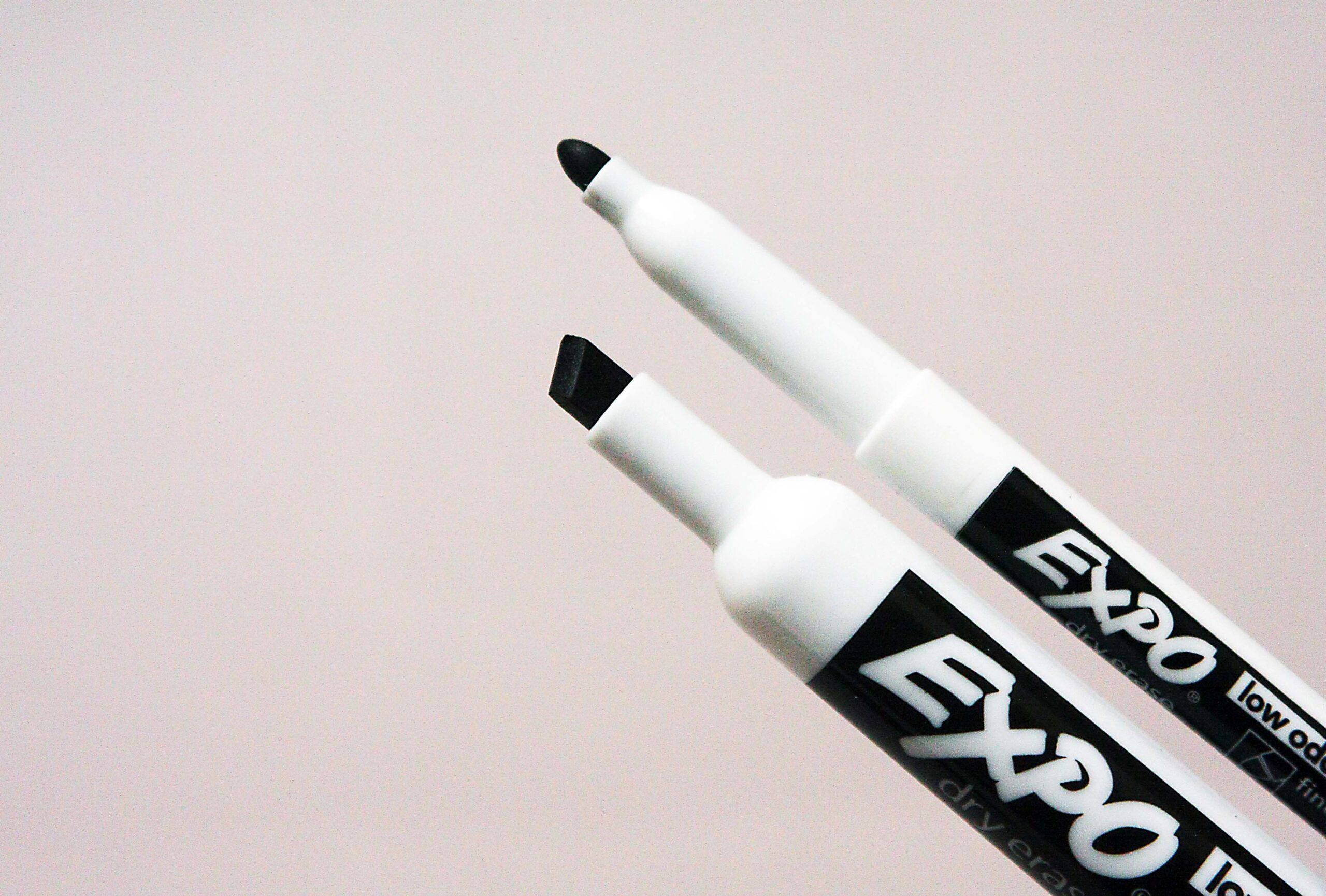
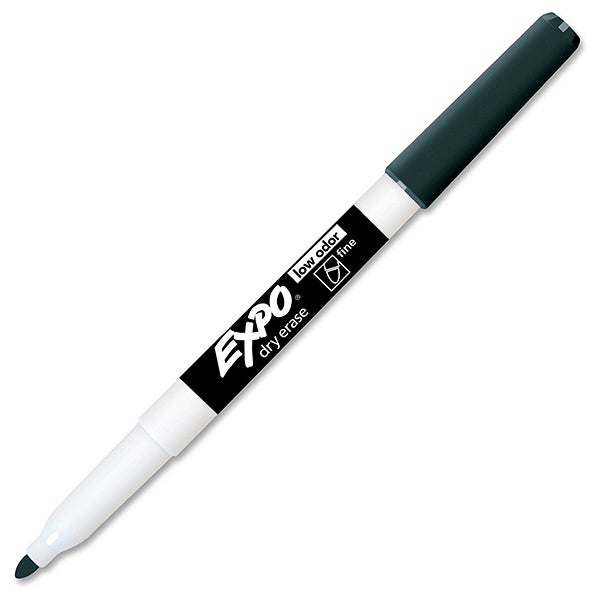
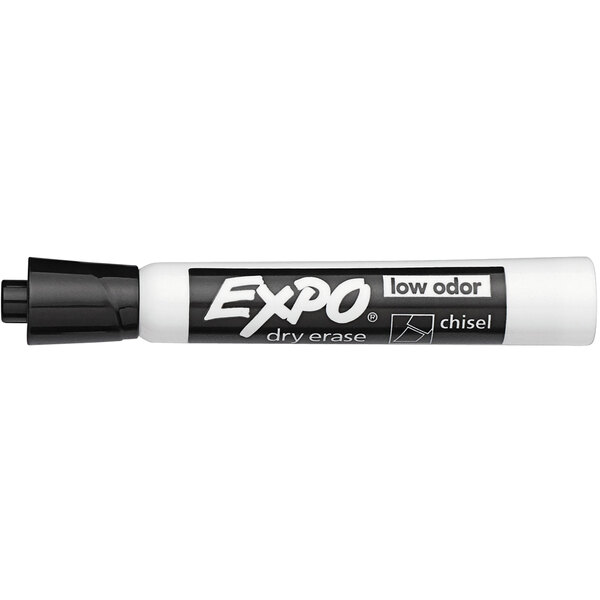
The nib, or tip, of a dry erase marker is another key technological element influencing writing quality and versatility. Typically made from pressed synthetic fibers, the nib is engineered to deliver a consistent flow of ink and withstand repeated use without fraying or losing its shape. Nibs come in various sizes and shapes—bullet tips for broad strokes, chisel tips for varying line widths, and fine tips for detailed writing—each designed to cater to different communication needs. The porosity and capillary action of the nib material are optimized to draw ink from the reservoir efficiently and transfer it smoothly onto the writing surface, ensuring a steady, streak-free line. Advanced nib designs also aim to resist “drying out” when the cap is left off for short periods, a common point of frustration for users.
Barrel Design and Ergonomics
While often overlooked, the design of the marker’s barrel and cap also incorporates engineering principles focused on user experience and product longevity. Barrels are typically made from durable plastics and designed for comfortable grip and balance, reducing hand fatigue during extended use. The internal structure includes a reservoir for the ink, often featuring a wicking system to feed ink continuously to the nib. The cap is a critical component, engineered to create an airtight seal around the nib. This seal is vital to prevent the volatile solvents in the ink from evaporating prematurely, thereby extending the marker’s shelf life and ensuring that the ink remains ready for use. Some advanced designs include features like integrated erasers or magnetic caps for convenient storage directly on metallic whiteboards.
Evolution of the Dry Erase System: From Chalkboards to Interactive Displays
The dry erase marker did not emerge in a vacuum; its development is intrinsically linked to the evolution of presentation and collaboration technologies. It represents a significant leap forward from older methods, offering cleaner, more flexible solutions for dynamic information sharing.
The Limitations of Traditional Methods
Before whiteboards and dry erase markers became ubiquitous, chalkboards were the primary visual aid in educational and professional settings. While effective for their time, chalkboards presented several challenges: dust accumulation, potential allergens from chalk dust, ghosting and staining, the need for wet cleaning, and limited color options. These factors often created messy environments and could be detrimental to sensitive equipment or individuals with respiratory issues. The quest for a cleaner, more efficient, and versatile alternative spurred the innovation that led to the dry erase system.
The Rise of Whiteboards and Dry Erase Markers
The invention of the whiteboard in the mid-20th century provided the canvas, but it was the development of compatible, easily erasable ink that truly revolutionized the system. Early iterations of dry erase inks were functional but often suffered from poor erasability over time, leaving residue. Continuous research into polymer science and pigment dispersion led to the highly effective formulations we see today, which minimize ghosting and maximize vibrancy. This synergy between the non-porous surface technology of whiteboards and the specialized ink chemistry of dry erase markers created a powerful, user-friendly communication tool that rapidly displaced chalkboards in many environments.
Integration with Digital Tech: Smart Boards and Collaborative Platforms
In the 21st century, the dry erase marker continues to evolve alongside digital technologies. While physical whiteboards and markers remain essential, they are increasingly integrated into hybrid environments. Smart boards (interactive whiteboards) allow users to write with dry erase markers while simultaneously capturing and digitizing the content. Specialized cameras and projection systems can capture whiteboard content, enabling real-time sharing during remote meetings or archiving for future reference. Many collaborative software platforms now include digital “whiteboard” functionalities that mimic the physical experience, but the tangible act of writing with a dry erase marker on a physical board still offers a unique tactile and immediate engagement that digital tools often seek to replicate. This integration highlights the enduring relevance of the dry erase marker as a foundational technology for visual communication, bridging analog and digital workflows.
Beyond the Basics: Advanced Dry Erase Marker Features
Modern dry erase markers incorporate several advanced features that enhance user experience, address environmental concerns, and expand their utility.
Low-Odor and Eco-Friendly Formulations
Early dry erase markers often contained xylene or toluene, solvents that produced strong odors and could be irritating. Technological advancements in ink chemistry have led to low-odor formulations, primarily using alcohol-based solvents that are less volatile and more user-friendly. Furthermore, an increasing focus on sustainability has driven the development of eco-friendly markers. These markers may utilize recycled materials for their barrels, offer refillable ink cartridges to reduce plastic waste, or incorporate non-toxic, biodegradable ink components. These innovations reflect a commitment to both user well-being and environmental responsibility within the tech landscape of office and educational supplies.
Specialized Markers for Specific Surfaces
While primarily designed for whiteboards, the technology of dry erase markers has been adapted for a wider range of non-porous surfaces. There are now specialized markers for glass boards, which often feature more opaque inks for better visibility. Wet erase markers, a close cousin, offer greater permanence on surfaces where accidental erasure is a concern (e.g., overhead transparencies, laminated charts) but can still be removed with a damp cloth. The development of these variations showcases the flexibility of the underlying ink technology to cater to diverse application needs within various display and presentation systems.
Marker Maintenance and Longevity “Tech”
Even a simple tool like a dry erase marker benefits from proper maintenance, which itself involves understanding its inherent “tech.” Storing markers horizontally prevents the ink from settling unevenly, ensuring consistent flow to the nib. Properly capping the marker immediately after use is crucial to prevent the quick evaporation of the alcohol-based solvent, which is the primary cause of markers drying out prematurely. Some markers even feature internal mechanisms designed to re-wet the nib if the cap is briefly left off, demonstrating subtle engineering to extend product life. While not “tech” in the digital sense, these aspects relate directly to maximizing the performance and lifespan of the material technology involved.
The Dry Erase Marker in Modern Workflow Technology
Despite the proliferation of digital tools, the dry erase marker remains a cornerstone in many modern professional and educational environments, serving as a vital analog technology that complements digital workflows.
Facilitating Agile Methodologies and Brainstorming
In tech companies and design firms, agile methodologies and brainstorming sessions heavily rely on whiteboards and dry erase markers. The immediacy and flexibility of writing, drawing, and reorganizing ideas on a large, shared surface foster dynamic collaboration. Teams can visually map out sprints, user flows, system architectures, or product roadmaps, making quick adjustments and fostering collective understanding. The physical act of writing and interacting with the board can stimulate creativity and engagement in ways that digital screens often cannot replicate, making dry erase markers a critical tool in innovation workflows.
Educational Technology and Engagement
From K-12 classrooms to university lecture halls, dry erase markers are indispensable educational technology. They allow educators to present information dynamically, solve problems collaboratively, and engage students visually. In hybrid learning environments, whiteboards used with dry erase markers can be live-streamed or captured, enabling remote students to participate in real-time visual discussions. The low cost, ease of use, and versatility of dry erase markers make them an accessible and powerful tool for teaching and learning across all disciplines, even as other forms of educational technology become more advanced.
A Persistent Analog Tool in a Digital World
In an increasingly digital world, the enduring presence and utility of the dry erase marker underscore the continued value of tangible, immediate, and collaborative analog tools. It provides a low-barrier-to-entry interface for visual communication that requires no power, no software updates, and no complex setup. While digital whiteboards offer advanced features, the simplicity, reliability, and human-centric design of the physical dry erase marker system ensure its continued relevance. It is a testament to effective material science and design engineering, proving that sometimes the most impactful technology is that which is effortlessly intuitive and directly supports human interaction and creativity.
aViewFromTheCave is a participant in the Amazon Services LLC Associates Program, an affiliate advertising program designed to provide a means for sites to earn advertising fees by advertising and linking to Amazon.com. Amazon, the Amazon logo, AmazonSupply, and the AmazonSupply logo are trademarks of Amazon.com, Inc. or its affiliates. As an Amazon Associate we earn affiliate commissions from qualifying purchases.