
In the vast ecosystem of power tools, the crown stapler stands out as a specialized yet remarkably versatile device, essential for a myriad of fastening tasks across various industries and DIY projects. Far more robust and efficient than its manual counterparts, this powered tool is engineered to drive staples with precision and speed, making it indispensable for applications demanding strong, wide-span fastening without the bulk of nails or screws. Understanding its core technology and diverse applications reveals why it’s a staple (pun intended) in many professional arsenals.
Understanding the Core Technology: The Crown Stapler Defined
At its heart, a crown stapler is a mechanized tool designed to drive “crown” staples, which are characterized by their flattened top section (the crown) that bridges a wider area than a single nail head. This design is crucial for its distinct utility. Unlike traditional staplers used for paper, a crown stapler is built for heavy-duty material fastening, offering superior holding power and efficiency.
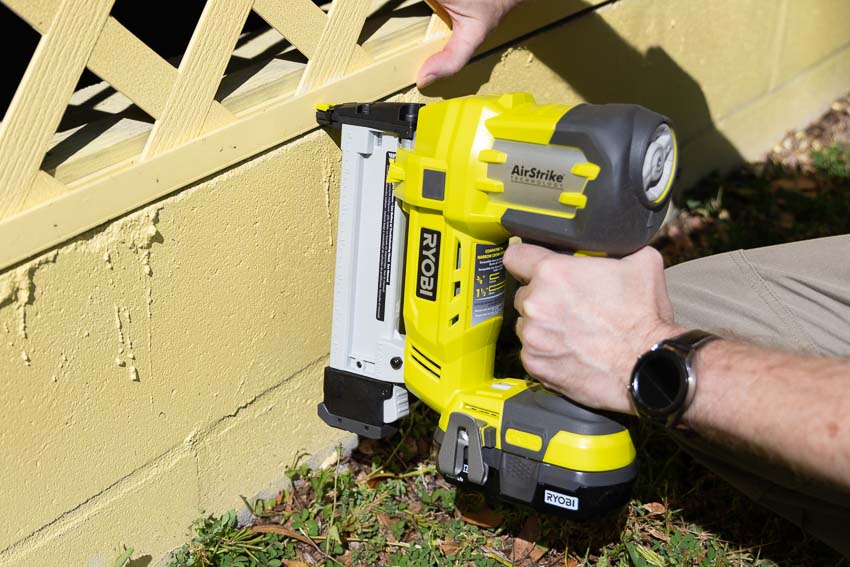
Anatomy of a Crown Stapler
Every crown stapler, regardless of its power source or specific model, shares fundamental components. It typically features a magazine to hold a strip of collated staples, a trigger mechanism to activate the firing pin, and a nosepiece that guides the staple into the material. The power source, whether pneumatic (air-powered), electric (corded), or battery-powered (cordless), drives the internal mechanism that rapidly ejects staples at high velocity. The robustness of these components is critical, as they must withstand repeated, high-impact operations.
The “Crown” in Crown Stapler
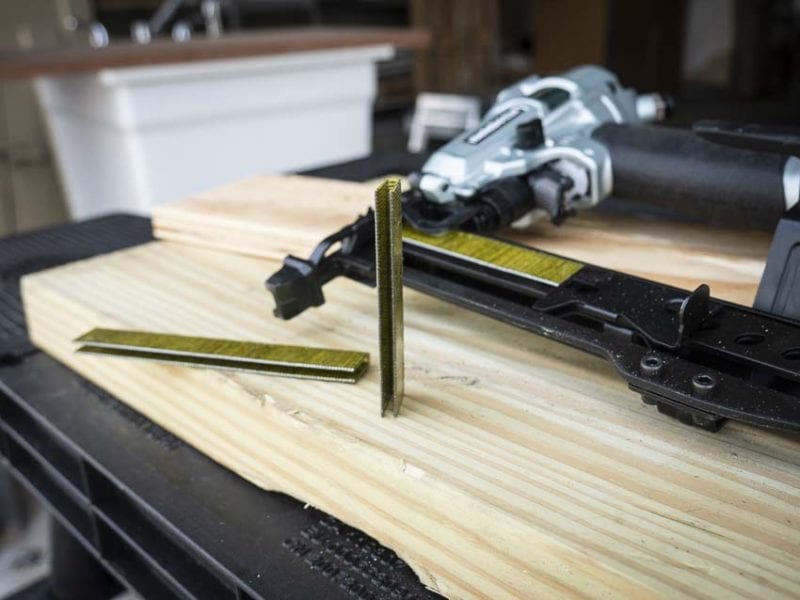
The defining characteristic, the “crown,” refers to the width of the staple’s top bar. Crown staples come in various widths, typically categorized as narrow crown, medium crown, and wide crown. This width dictates the surface area over which the staple’s force is distributed, directly impacting its holding power and suitability for different materials. A narrow crown stapler, for instance, drives staples with a small crown (around 1/4 inch), ideal for more delicate trim work where a less obtrusive fastener is desired. Medium crown staples (e.g., 7/16 inch) are general-purpose, while wide crown staples (e.g., 1 inch) are engineered for maximum hold, crucial in applications like sheathing or roofing felt. The legs of these staples also vary in length and gauge, further customizing their application to material thickness and desired penetration.
Powering the Performance
The efficiency and portability of a crown stapler are largely determined by its power source.
- Pneumatic Crown Staplers: These are the most common and powerful, requiring an air compressor to operate. They offer consistent power, rapid firing rates, and are often preferred for continuous, heavy-duty use in professional settings like construction sites or manufacturing lines.
- Electric Crown Staplers (Corded): Less powerful than pneumatic models but more portable as they only require an electrical outlet. They are suitable for lighter-duty tasks and DIY projects where an air compressor is impractical or unnecessary.
- Cordless Crown Staplers (Battery-Powered): Representing a significant technological advancement, these staplers offer ultimate portability and freedom from hoses or cords. While traditionally less powerful than pneumatic tools, modern battery technology, particularly brushless motors, has significantly boosted their performance, making them viable for many professional applications, especially in remote or difficult-to-access locations.
Diverse Applications Across Trades and DIY
The versatility of crown staplers stems from their ability to securely fasten a wide array of materials quickly and efficiently. Their applications span from delicate textile work to robust construction, making them invaluable across numerous trades.
Upholstery and Fabric Work
One of the most classic and recognized uses for a narrow or medium crown stapler is in upholstery. When reupholstering furniture, automotive interiors, or boat cushions, a crown stapler effortlessly secures fabric, vinyl, or leather to frames. The wide crown prevents the material from tearing or pulling through, ensuring a clean, durable finish. The speed of the stapler dramatically reduces the time and effort compared to manual tacking, resulting in a professional-grade appearance with minimal effort.
Subflooring and Sheathing
In construction, wide crown staplers are frequently used for fastening subflooring and wall sheathing (plywood or OSB panels) to framing. The wide crown provides exceptional shear strength and pull-through resistance, creating a solid, stable base for floors and walls. This application often demands high-powered pneumatic models to drive long, heavy-gauge staples consistently into dense wood, significantly accelerating the framing and enclosure stages of building.
Cabinetry and Woodworking
Medium crown staplers find a niche in cabinetry and fine woodworking, particularly for assembling drawer boxes, back panels, or securing jigs and temporary fixtures. While not always used for structural joinery that requires screws or glue, staplers are perfect for holding pieces together while adhesives dry or for quickly attaching non-load-bearing components. Their ability to recess the staple head cleanly offers a neat finish, which can then be filled or covered.
Roofing Underlayment and House Wrap
For roofing, a wide crown stapler is the go-to tool for fastening roofing felt, synthetic underlayment, or tar paper to roof decking. The wide crown ensures the membrane is securely attached, preventing tearing, especially in windy conditions, and forms a critical barrier against moisture before the final roofing material is applied. Similarly, house wraps are securely fastened to exterior sheathing, creating a weather-resistant barrier vital for building envelope integrity.
Fencing and Decking
Outdoor construction projects also benefit from crown staplers. They are excellent for attaching mesh, wire, or lattice panels to wooden fence posts or deck frames. The stapler’s speed and consistency are invaluable when working on large outdoor structures, ensuring uniform fastening and durability against weather elements.
Insulation Installation
Securing batt or roll insulation within wall cavities, ceilings, or crawl spaces is another common application. A crown stapler can quickly and efficiently fasten the paper or foil facing of insulation to wooden studs or joists, holding it firmly in place before drywall or other finishes are installed. This ensures proper thermal performance and prevents insulation from sagging over time.
Other Niche Uses
Beyond these primary applications, crown staplers are used for securing carpet padding, assembling display cases, fastening lightweight crates, attaching netting, and even in some crafts and signage installations where a secure, flush fastening is needed quickly.
Advantages Over Alternatives: Why Choose a Crown Stapler?
When faced with various fastening options – nails, screws, adhesives – the crown stapler often emerges as the superior choice for specific tasks due to several compelling advantages.

Speed and Efficiency
The most significant benefit is speed. A crown stapler can drive fasteners many times faster than hammering nails or driving screws, drastically reducing labor time on large-scale projects. This rapid-fire capability is invaluable on construction sites or in manufacturing environments where efficiency directly translates to cost savings.
Holding Power
The unique wide crown design distributes the fastening force over a larger surface area, providing superior pull-through resistance compared to nails, especially when working with soft materials, thin sheets, or fabrics. This makes it ideal for applications where material integrity needs to be maintained, and the fastener must not easily tear through.
Versatility
With a range of staple gauges, crown widths, and leg lengths available, a crown stapler can be adapted to various materials and applications. This adaptability means a single tool can serve multiple purposes, from delicate upholstery to robust framing, by simply changing the type of staple.
Finish Quality
In many applications, particularly in woodworking or when attaching underlayments, the low-profile crown staple creates a flush and neat finish that is less obtrusive than nail heads. For fabric or insulation, it offers a secure hold without creating significant bumps or tears.
Reduced Fatigue
Using a power stapler significantly reduces manual effort and user fatigue compared to manual staplers or hammering. This is particularly important for repetitive tasks or large projects, promoting comfort and reducing the risk of repetitive strain injuries.
Key Considerations for Optimal Usage and Selection
To maximize the benefits of a crown stapler, proper selection and adherence to best practices are crucial.
Staple Gauge and Crown Width
Matching the staple type to the specific application is paramount. Using too narrow a crown for a high-stress application might lead to pull-through, while too wide a crown on delicate material could damage it. Similarly, the staple leg length must be appropriate for the material thickness, ensuring sufficient penetration without protruding through the other side.
Power Source Suitability
Evaluate the work environment and power requirements. For consistent, heavy-duty use in a workshop or on a large construction site, a pneumatic stapler with a suitable air compressor is often the most cost-effective and powerful option. For smaller projects, remote work, or situations where noise is a concern, a cordless battery-powered stapler offers unmatched convenience and mobility.
Safety Protocols
Operating any power tool requires strict adherence to safety guidelines. Always wear appropriate personal protective equipment (PPE), including safety glasses to protect against ricocheting staples or debris. Ensure the tool is disconnected from its power source when loading staples, clearing jams, or performing maintenance. For pneumatic staplers, regularly check air lines for leaks or damage and ensure the compressor is set to the correct pressure.
Maintenance and Longevity
Regular cleaning and lubrication, especially for pneumatic models, will extend the life of the stapler and ensure consistent performance. Keeping the magazine clean and free of debris prevents staple jams, and inspecting the nosepiece for wear or damage helps maintain accurate staple placement.
Evolving Stapler Technology and Future Outlook
The humble crown stapler, like many power tools, is continually benefiting from technological advancements, primarily driven by the cordless revolution and improvements in user experience.
Cordless Advancements
The most significant leap has been in battery technology. Modern lithium-ion batteries and efficient brushless motors have transformed cordless crown staplers from niche tools into powerful, reliable alternatives to pneumatic models for many applications. This trend continues, with manufacturers focusing on extending battery life, increasing power output, and reducing charge times, further enhancing job site flexibility.
Smart Features
Contemporary crown staplers often incorporate intelligent features that improve efficiency and ease of use. These include tool-free depth adjustment mechanisms for precise staple countersinking, LED lights to illuminate the work area, and sophisticated jam-clearing mechanisms that minimize downtime. Some advanced models even feature electronic controls for varying firing modes (sequential vs. bump fire) to optimize for speed or precision.
Ergonomics and User Experience
Manufacturers are also heavily investing in ergonomic design. Lighter materials, improved weight distribution, cushioned grips, and reduced vibration are all designed to minimize operator fatigue and improve control, making the stapler more comfortable and safer to use over extended periods.
In conclusion, the crown stapler is a testament to specialized tool design, engineered to perform specific fastening tasks with unparalleled efficiency and holding power. From the nuanced demands of upholstery to the rigorous requirements of construction, its distinctive crown staple design and robust power delivery make it an indispensable asset. As technology advances, particularly in cordless tool development, the versatility and accessibility of the crown stapler will only continue to grow, solidifying its place as a critical gadget in the modern toolkit.
aViewFromTheCave is a participant in the Amazon Services LLC Associates Program, an affiliate advertising program designed to provide a means for sites to earn advertising fees by advertising and linking to Amazon.com. Amazon, the Amazon logo, AmazonSupply, and the AmazonSupply logo are trademarks of Amazon.com, Inc. or its affiliates. As an Amazon Associate we earn affiliate commissions from qualifying purchases.