
The inquiry into the nomenclature of a “cowboy tie” immediately plunges us into a fascinating discussion of branding, identity, and the power of distinctive visual communication. While the term “cowboy tie” is a descriptive umbrella, the specific, iconic accessory often referred to in this context is the bolo tie. This seemingly simple piece of neckwear holds a profound place in personal and corporate branding, serving as a potent symbol that transcends mere fashion. Understanding its various names and its journey to iconic status offers deep insights into how tangible items become integral to a brand’s narrative and visual language.
The Iconic Accessory: Beyond Just a Name
The bolo tie is more than just an item of clothing; it is a statement, a cultural touchstone, and an emblem of identity. Its various names, though sometimes regional or historical, all point to its unique form and function.
The Bolo Tie: A Brand in Itself
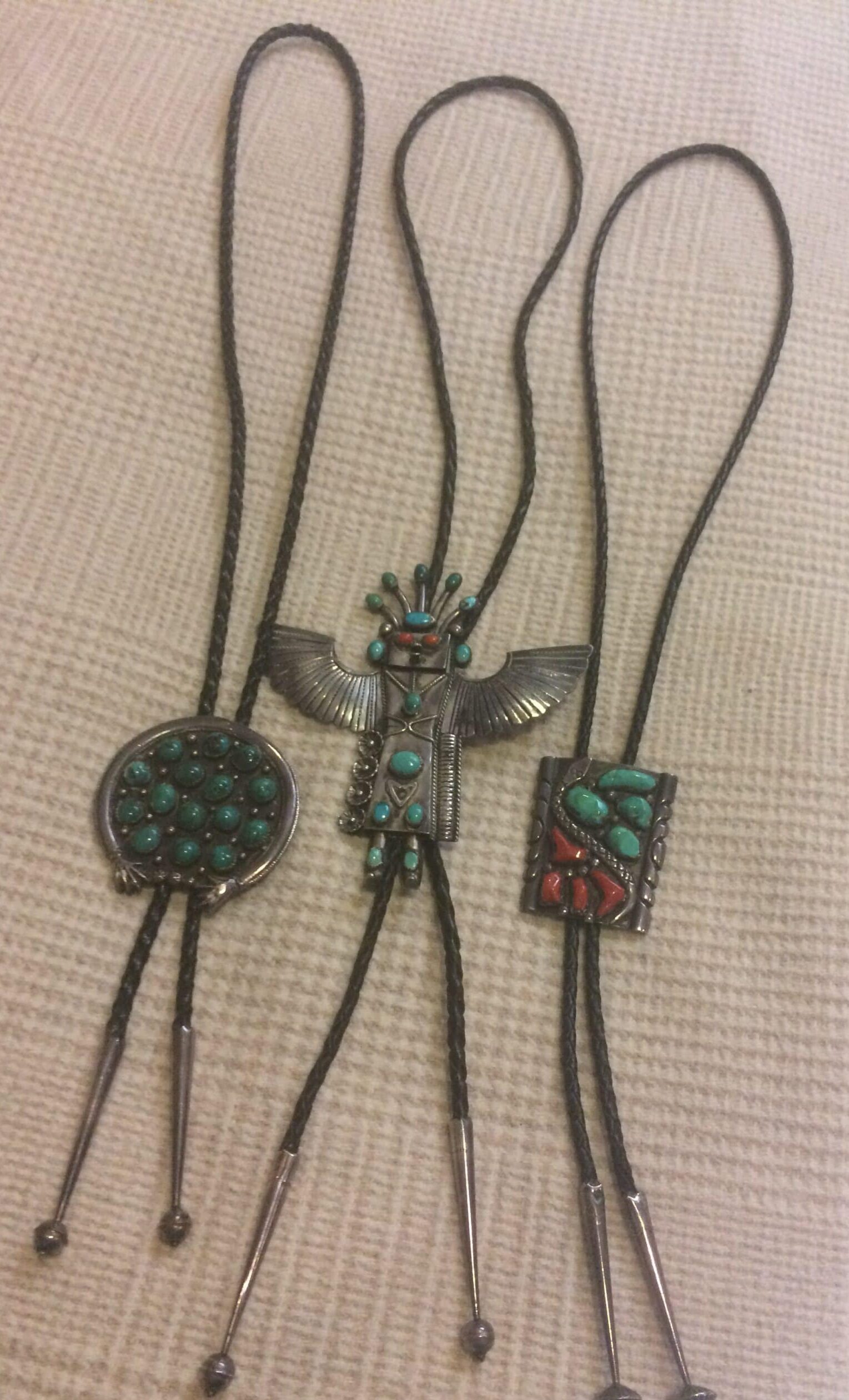
The primary and most widely accepted name for what is often called a “cowboy tie” is the bolo tie. Originating in the American Southwest, specifically Arizona, the bolo tie consists of a piece of cord, usually leather, braided leather, or even braided silver wire, fastened with an ornamental slide or clasp. This slide, often a decorative piece of metal, stone, wood, or shell, can be moved up and down to adjust the tightness of the tie around the collar. The ends of the cord are typically tipped with decorative metal aglets, known as “tips” or “ferrules.”
This distinct design immediately differentiates it from other forms of neckwear, such as the standard four-in-hand tie or a bow tie. Its unique structure makes it instantly recognizable, establishing its own visual brand identity separate from other ties. This clarity of form is critical in branding; a strong brand is one that is easily identified and remembered. The bolo tie achieves this effortlessly.
Naming and Identity: Why “Bolo” Sticks
The origin of the name “bolo” is often attributed to the “bola” lasso used by Argentine gauchos, which consists of weighted balls on cords. The tie’s resemblance to this lasso, particularly the sliding mechanism and the cord, likely inspired its moniker. Other historical or regional names for the bolo tie have included “string tie,” “western tie,” or simply “slide tie.” However, “bolo tie” has largely prevailed, becoming the standardized term.
The consistency of a brand’s name is paramount for market recognition and brand equity. While “cowboy tie” might describe its wearer or cultural association, “bolo tie” precisely names the object itself, providing a specific identifier that allows for clearer communication and positioning within the accessories market. This specificity helps in creating a unique brand image and fostering a strong association with the culture it represents. For brands that leverage Western aesthetics, the term “bolo tie” is a powerful keyword, directly linking them to a specific tradition and style that resonates with their target audience. The distinct name supports targeted marketing efforts and builds a precise identity, avoiding the ambiguity that a generic descriptor like “cowboy tie” might introduce.
Crafting a Visual Identity: The Bolo Tie’s Brand Power
The bolo tie’s significance extends far beyond its physical attributes; it is a potent tool for visual identity, both for individuals and for commercial entities. Its unique aesthetic allows for nuanced communication of values, heritage, and style.
Archetypes and Associations: What the Bolo Tie Communicates
In the realm of personal branding, accessories are not merely decorative; they are strategic tools that communicate aspects of one’s personality, values, and professional identity. The bolo tie, in particular, is imbued with a rich set of archetypal associations. It evokes images of the American West, independence, rugged individualism, and a certain non-conformist elegance. Depending on its design—from simple silver and turquoise to intricate carvings or precious stones—it can convey different facets:
- Tradition and Heritage: A classic bolo tie with Native American silverwork or a historical motif speaks to an appreciation for tradition and cultural roots. For a brand, this could mean emphasizing authenticity, craftsmanship, and a storied history.
- Rebellion and Distinction: Compared to the corporate ubiquitousness of the standard necktie, wearing a bolo tie is a subtle act of rebellion, signaling a preference for unique style over convention. This aligns with personal brands that aim to stand out or corporate brands that position themselves as innovative, edgy, or unconventional in their respective markets.
- Artistry and Craftsmanship: Many bolo ties feature exquisite artwork, making them miniature sculptures. This highlights an appreciation for art, detail, and quality—values that can be central to a luxury brand or a personal brand emphasizing creative expertise.
These associations are not accidental; they are built through cultural narratives, media portrayals, and historical context. Brands, whether personal or corporate, can strategically leverage these pre-existing mental models to quickly communicate desired attributes to their audience.
Personal Branding Through Distinctive Accessories
For an individual, choosing to wear a bolo tie can be a deliberate act of personal branding. It differentiates the wearer, making them memorable in a sea of conventional attire. Consider a public speaker, an artist, or an entrepreneur; a distinctive bolo tie can become a signature element of their personal brand, a visual cue that reinforces their unique identity and message. It suggests confidence, a connection to a certain aesthetic or cultural lineage, and a willingness to express individuality.
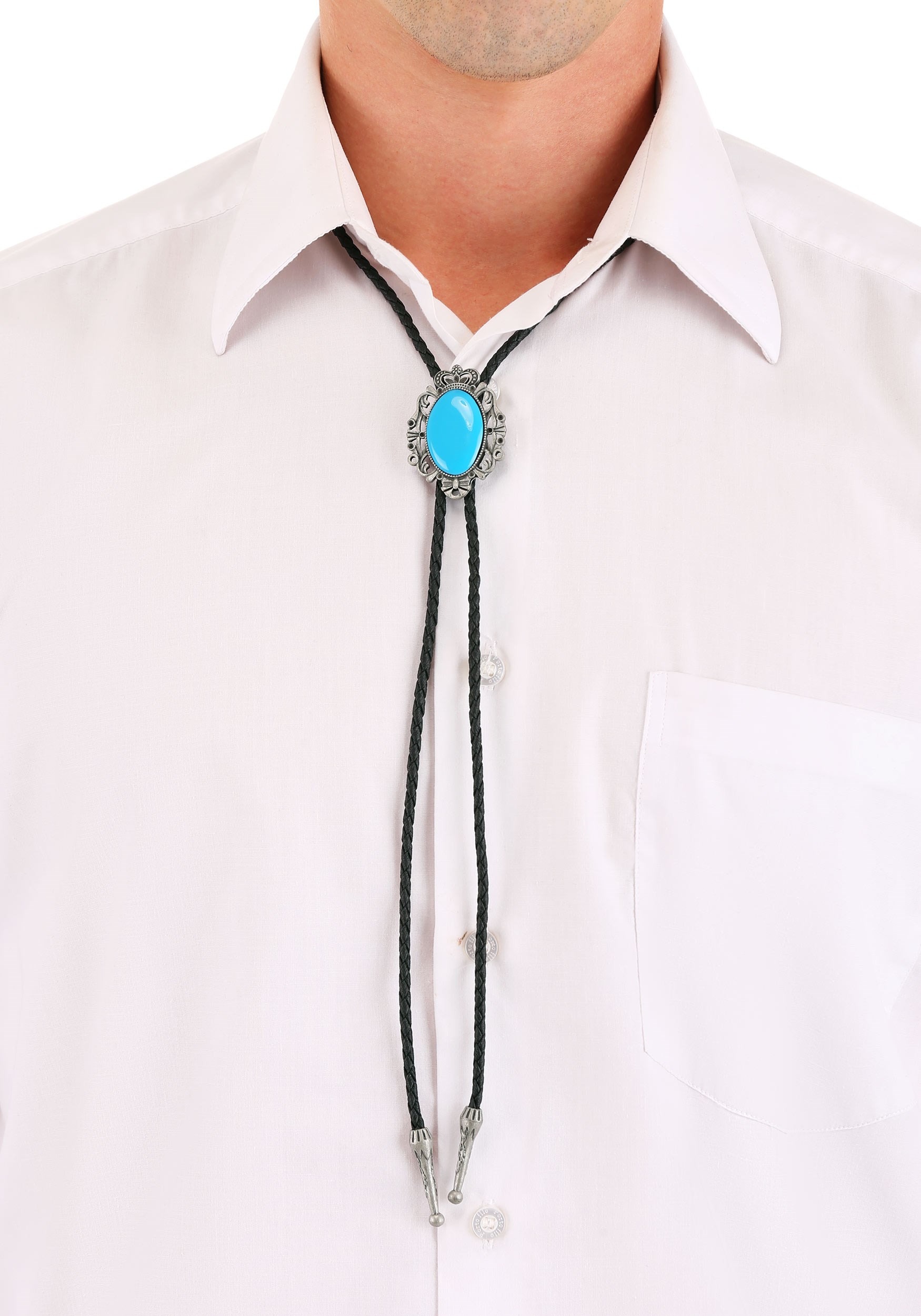
This strategy mirrors corporate branding where a unique logo, color palette, or even a specific product design helps a company stand out. The bolo tie acts as a personal logo, conveying a specific brand message without uttering a single word. It aids in reputation building, signaling consistency in style and an intentional approach to one’s public persona. In an increasingly crowded marketplace for attention, such distinctiveness is an invaluable asset.
Corporate Identity and Market Positioning
The principles of using the bolo tie for personal branding extend seamlessly to corporate identity, especially for businesses operating within or appealing to markets that appreciate Western culture, craftsmanship, or alternative aesthetics.
Leveraging Cultural Symbols in Brand Narratives
For companies in the Western wear industry, rodeo associations, country music, or even gourmet BBQ restaurants, the bolo tie can be a powerful symbol to integrate into their corporate identity. It’s not just about selling bolo ties; it’s about incorporating the spirit of the bolo tie into the brand narrative.
- Authenticity and Heritage: A brand that uses bolo tie imagery in its marketing materials, or whose employees wear them, immediately communicates authenticity and a connection to Western heritage. This resonates deeply with target audiences who value these attributes. For example, a saddle maker might feature a custom bolo tie as part of its brand iconography, reinforcing its commitment to traditional craftsmanship.
- Regional Identity: For businesses rooted in the American Southwest or other regions with a strong cowboy culture, the bolo tie can serve as a regional identifier, helping them connect with local customers and establish a sense of place. This localization strategy can be a potent differentiator in a globalized market.
- Target Market Appeal: By embracing the bolo tie as a brand element, companies can directly appeal to demographic segments that identify with its symbolism. This allows for highly targeted marketing campaigns that speak directly to the values and aesthetics of their ideal customer base.
The strategic deployment of such cultural symbols ensures that a brand’s message is not just heard, but deeply felt and understood by its intended audience, fostering loyalty and a strong brand community.
Design Elements as Brand Differentiators
Beyond simply associating with the bolo tie, companies can use its design elements as a source of differentiation. The slide or clasp of a bolo tie offers immense potential for custom branding. Imagine:
- Branded Bolo Tie Slides: A luxury resort in the Southwest might commission custom bolo ties featuring its logo or a unique regional motif for its staff, creating a sophisticated and culturally resonant uniform. This elevates the brand experience and provides a memorable touchpoint for guests.
- Limited Edition Collectibles: Brands could partner with artisans to create limited edition bolo ties as part of a loyalty program or a special product launch. This leverages the collectible nature of some bolo ties, creating exclusive items that enhance brand prestige and engagement.
- Product Line Integration: For fashion or accessories brands, incorporating bolo tie-inspired elements into other product lines—such as belt buckles, jewelry, or even furniture accents—can create a cohesive brand aesthetic that is distinct and recognizable.
These applications demonstrate how the granular details of an accessory can be transformed into powerful brand assets, contributing to a unique brand identity and reinforcing its market positioning. The versatility of the bolo tie’s design allows for endless creative interpretations that can be aligned with various brand strategies.
Evolution and Modern Reinterpretations: Sustaining Brand Relevance
For any brand, maintaining relevance is crucial for longevity. The bolo tie, while steeped in tradition, has also demonstrated remarkable adaptability, evolving to remain a contemporary accessory and a versatile branding tool.
From Practicality to Fashion Statement
Originally, the bolo tie was a practical accessory, less prone to getting caught or soiled than a conventional tie for those working outdoors. Its transition into a fashion statement, particularly in the mid-20th century, cemented its place as a distinctive piece of Americana. This evolution mirrors the journey of many successful brands that start with a utilitarian purpose and then adapt to become symbols of style, status, or identity.
For brands, understanding this evolutionary path provides a blueprint for maintaining relevance. It’s about recognizing the core appeal of an item or concept and then reinterpreting it for new contexts and audiences. The bolo tie’s ability to transcend its initial practical application to become a coveted fashion item speaks to its inherent design strength and symbolic power, making it a robust element for brand narratives focused on timeless appeal and adaptability.

Reinventing Tradition for Contemporary Brands
Today, the bolo tie continues to experience resurgences in popular culture and fashion, often being reinvented by contemporary designers and brands. High-fashion houses incorporate bolo ties into runway collections, and streetwear brands offer their own interpretations. This constant reinvention keeps the bolo tie fresh and appealing to new generations, proving its enduring brand potential.
For corporate brands, this means:
- Targeting New Demographics: A brand can introduce modernized bolo ties that appeal to younger, fashion-forward consumers, expanding its market reach beyond traditional Western enthusiasts. This might involve using contemporary materials, minimalist designs, or collaborating with popular artists.
- Diversifying Brand Portfolio: For brands looking to diversify, a line of custom bolo ties could be a novel and engaging product offering that leverages an established cultural symbol while adding a unique twist.
- Storytelling and Narrative: The bolo tie’s journey from functional workwear to a high-fashion accessory provides a compelling narrative for brands. It speaks to themes of authenticity, evolution, and the enduring power of unique style—all powerful elements for a brand story designed to captivate and inspire.
Ultimately, the bolo tie, whether called a “cowboy tie” or by its proper name, is a testament to how a distinctive item can become a powerful brand element. Its capacity to convey heritage, individuality, and sophisticated style makes it an invaluable asset in the creation and maintenance of strong, memorable personal and corporate identities.
aViewFromTheCave is a participant in the Amazon Services LLC Associates Program, an affiliate advertising program designed to provide a means for sites to earn advertising fees by advertising and linking to Amazon.com. Amazon, the Amazon logo, AmazonSupply, and the AmazonSupply logo are trademarks of Amazon.com, Inc. or its affiliates. As an Amazon Associate we earn affiliate commissions from qualifying purchases.