
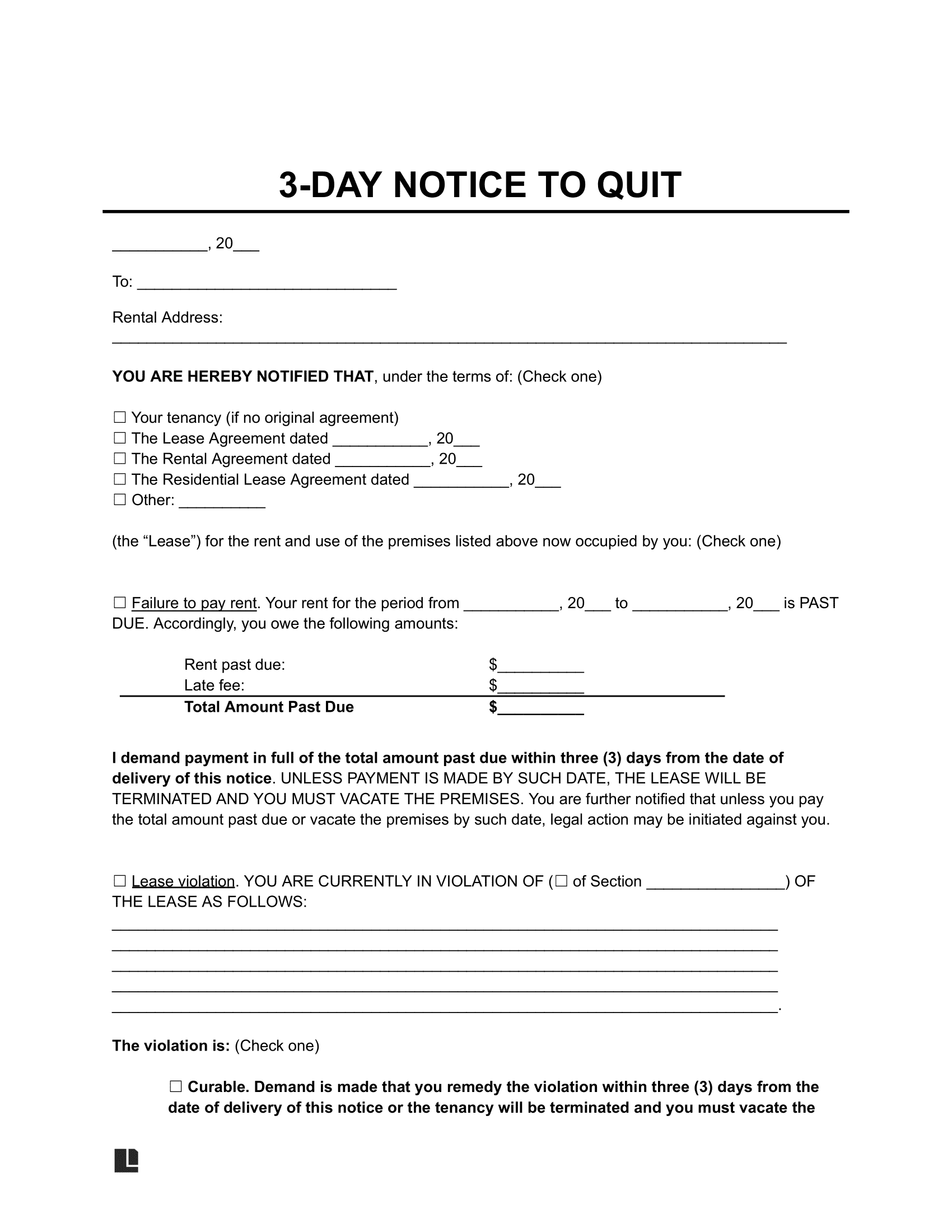
A 3 day notice, in the realm of finance and real estate, is a formal legal document primarily used by landlords to notify a tenant of a serious lease violation, most commonly the non-payment of rent. While the exact terminology and specific legal requirements can vary by state and local jurisdiction, its fundamental purpose remains consistent: to provide the tenant with a short, legally mandated window of time – typically three calendar days – to rectify the specified issue or face potential eviction proceedings. Understanding this notice is critical for both tenants and landlords, as it carries significant financial implications for all parties involved.
Understanding the Core Purpose of a 3-Day Notice
At its heart, a 3-day notice serves as a precursor to legal action, specifically eviction. It is not an eviction itself, but rather a mandatory step in the eviction process designed to give the tenant a final opportunity to comply with their lease agreement before the landlord can file a lawsuit in court. For financial stability, knowing what triggers such a notice and its immediate demands is paramount.
Primary Use: Non-Payment of Rent
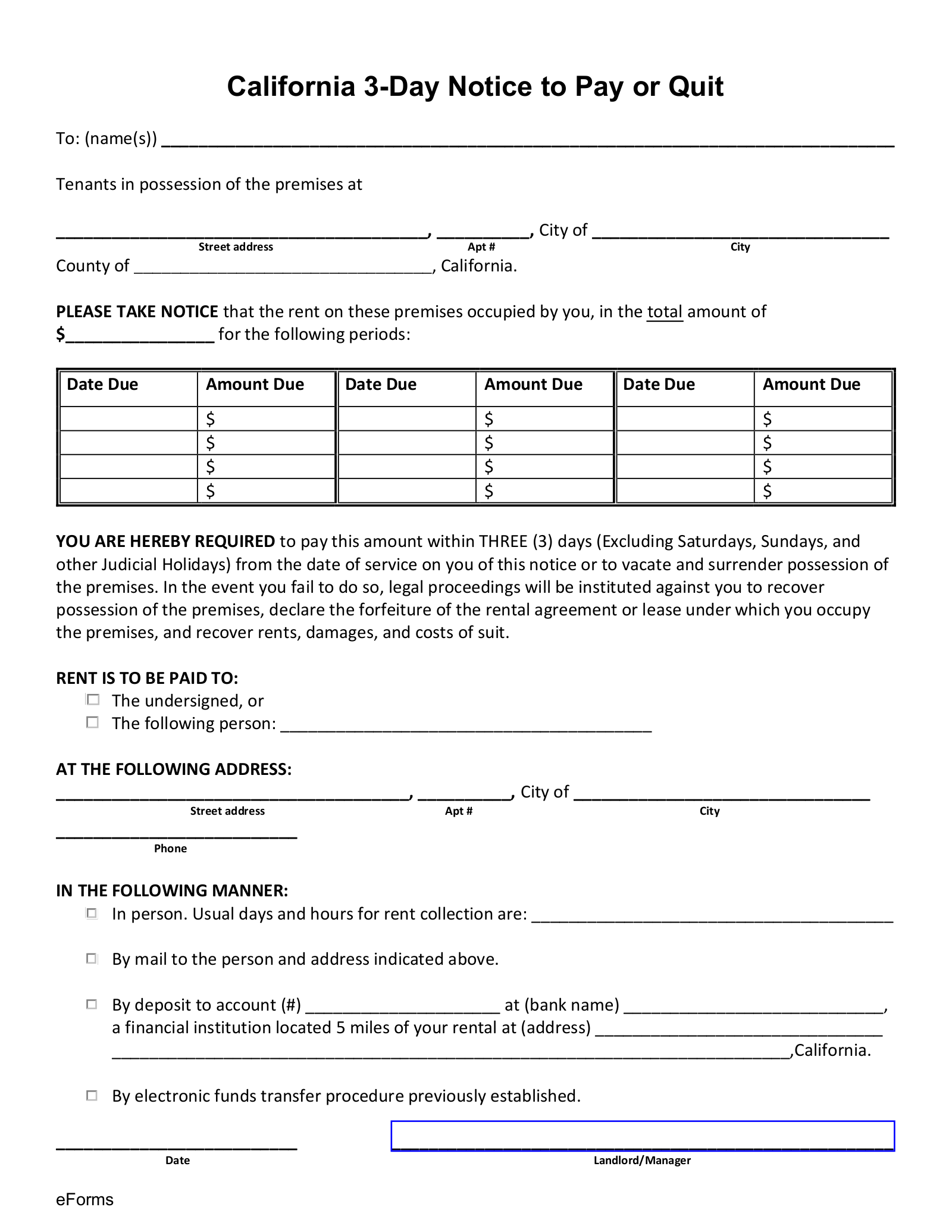
The most frequent reason for issuing a 3-day notice is the tenant’s failure to pay rent on time. Lease agreements stipulate payment due dates, and a landlord typically waits a grace period (if one is provided in the lease) before issuing this notice. The notice for non-payment will clearly state the amount of overdue rent, any late fees, and the deadline by which these funds must be paid in full. From a personal finance perspective, receiving such a notice indicates a severe disruption in one’s budget and cash flow. For landlords, it signals an immediate threat to their rental income, which is often crucial for property maintenance, mortgage payments, and overall business solvency.
Secondary Use: Lease Violations
Beyond rent, a 3-day notice can also be issued for other significant breaches of the lease agreement. These might include unauthorized pets, excessive property damage, engaging in illegal activities on the premises, or violating specific clauses regarding noise or guest policies. In such cases, the notice typically demands that the tenant “cure” the violation – meaning to fix the problem – or “quit” the premises. Some serious violations, like engaging in criminal activity, might not offer a cure option, demanding only that the tenant vacate. The financial impact here can manifest as potential fines, costs for repairs to remedy damage, or the significant expense and disruption of having to find new housing on short notice.
Legal vs. Informal Communication
It’s crucial to distinguish a 3-day notice from informal communications like reminders or warnings. A 3-day notice is a formal legal document that must adhere to specific formatting, delivery methods (e.g., certified mail, personal service), and content requirements mandated by state and local laws. Failure to properly issue this notice can invalidate subsequent eviction proceedings, costing the landlord valuable time and money. For tenants, ignoring an informal reminder might carry minor consequences, but ignoring a properly served 3-day notice initiates a chain of events with serious financial and legal ramifications.
Financial Implications for Tenants
Receiving a 3-day notice can trigger a cascade of financial challenges for a tenant, extending far beyond the immediate overdue rent.
Immediate Financial Strain
The most obvious financial impact is the requirement to pay the overdue rent, plus any accrued late fees, within a very short timeframe. If the tenant already struggles with cash flow, finding this sum in three days can be incredibly difficult. This might force them to dip into emergency savings, borrow money, or even resort to high-interest loans, further destabilizing their financial health. The pressure to secure funds quickly often leads to suboptimal financial decisions.
Credit Score Impact
While the 3-day notice itself does not directly impact a credit score, the subsequent actions often do. If the matter escalates to an eviction lawsuit, a judgment against the tenant can appear on their credit report, severely damaging their creditworthiness. This can make it difficult to secure future housing, obtain loans, or even affect employment opportunities. A damaged credit score translates into higher interest rates on future borrowing and a reduced ability to participate in various aspects of the financial system.
Future Housing Challenges
An eviction on record, or even the history of a 3-day notice leading to an agreement to vacate, can make finding new housing extremely difficult and expensive. Many landlords conduct background checks and will deny applications from tenants with prior evictions or a history of non-payment. This may force tenants into less desirable housing situations, require them to pay significantly higher security deposits, or compel them to secure a guarantor, all of which represent additional financial burdens. The costs associated with moving – security deposits, first and last month’s rent, utility connection fees, and moving expenses – are substantial and often unanticipated when a notice is received.
Legal Costs and Fees
Should the landlord proceed with an eviction lawsuit, the tenant may incur their own legal fees if they choose to seek counsel. Even if they represent themselves, they might be responsible for the landlord’s court costs and attorney’s fees if the landlord prevails, as often stipulated in lease agreements. These costs can quickly add up to thousands of dollars, representing a significant financial blow that compounds the initial issue of overdue rent.
Financial Implications for Landlords
For landlords, issuing a 3-day notice is not a casual decision. It represents a necessary step to protect their investment and cash flow, but it also signals potential financial losses and operational challenges.
Mitigating Income Loss
The primary financial concern for a landlord when rent is unpaid is the immediate loss of income. Rental income is often critical for covering mortgage payments, property taxes, insurance, maintenance, and other operating expenses. A tenant failing to pay rent for even a single month can disrupt the landlord’s cash flow, potentially jeopardizing their ability to meet their own financial obligations. The 3-day notice is an attempt to recover this lost income quickly.
Operational Costs of Eviction
If the 3-day notice does not resolve the issue, the landlord must initiate an eviction lawsuit, which incurs significant operational costs. These include court filing fees, process server fees, and potentially attorney’s fees. Even if the landlord successfully recovers these costs from the tenant through a judgment, the upfront outlay can be substantial and delay the recovery of funds. Furthermore, the landlord’s time spent dealing with the eviction process – preparing documents, attending court, coordinating with legal counsel – is time that could otherwise be spent on other income-generating or property-improving activities.
Property Turnover Expenses
Should an eviction proceed and the tenant vacate, the landlord faces additional financial burdens associated with property turnover. This includes the cost of cleaning, repairing any damages (beyond normal wear and tear), painting, and potentially replacing fixtures or appliances. There is also the cost of marketing the vacant unit, screening new tenants, and the financial loss of “vacancy drag” – the period during which the property is empty and not generating rental income. Each day a unit sits vacant represents a direct financial loss.
Maintaining Business Viability
For landlords who manage multiple properties, consistent non-payment from even one tenant can impact the overall financial health of their rental business. It can affect their ability to reinvest in properties, expand their portfolio, or even maintain liquidity for unexpected repairs across their units. The eviction process, though necessary, is a resource-intensive endeavor that diverts funds and attention from profit-generating activities.
Navigating a 3-Day Notice: What to Do
The proper response to a 3-day notice varies significantly depending on whether you are the tenant receiving it or the landlord issuing it. Both parties must understand the financial ramifications of their actions.
For Tenants: Immediate Steps and Financial Solutions
Upon receiving a 3-day notice, a tenant’s immediate priority should be to assess their financial situation and respond promptly.
- Verify the Notice: Confirm the notice is legally valid, properly served, and accurately states the amount owed or the violation cited. If there are discrepancies, gather evidence to challenge them.
- Contact Your Landlord: Open a line of communication. Explain your situation, if applicable, and attempt to negotiate a payment plan if you cannot pay the full amount immediately. A landlord might be willing to work with you to avoid the costly eviction process, especially if you have a good payment history.
- Secure Funds: Explore all available financial avenues:
- Emergency Fund: If you have one, this is precisely what it’s for.
- Temporary Work: Can you pick up extra shifts or a gig economy job for quick cash?
- Financial Assistance Programs: Look for local non-profits, government agencies, or rental assistance programs that might offer one-time aid.
- Responsible Borrowing: As a last resort, consider a low-interest personal loan from a trusted financial institution or credit union, but avoid predatory lenders.
- Understand Your Rights: Familiarize yourself with tenant rights in your jurisdiction. Some areas offer legal aid services for tenants facing eviction.
- Document Everything: Keep records of all communications, payments, and attempts to resolve the issue. This documentation is vital if the matter escalates to court.
For Landlords: Proper Procedure and Documentation
Issuing a 3-day notice requires careful adherence to legal protocols to ensure its enforceability and protect the landlord’s financial interests.
- Adhere to Lease and Law: Ensure the notice is issued according to the terms of the lease agreement and all relevant state and local laws regarding grace periods, notice periods, and delivery methods.
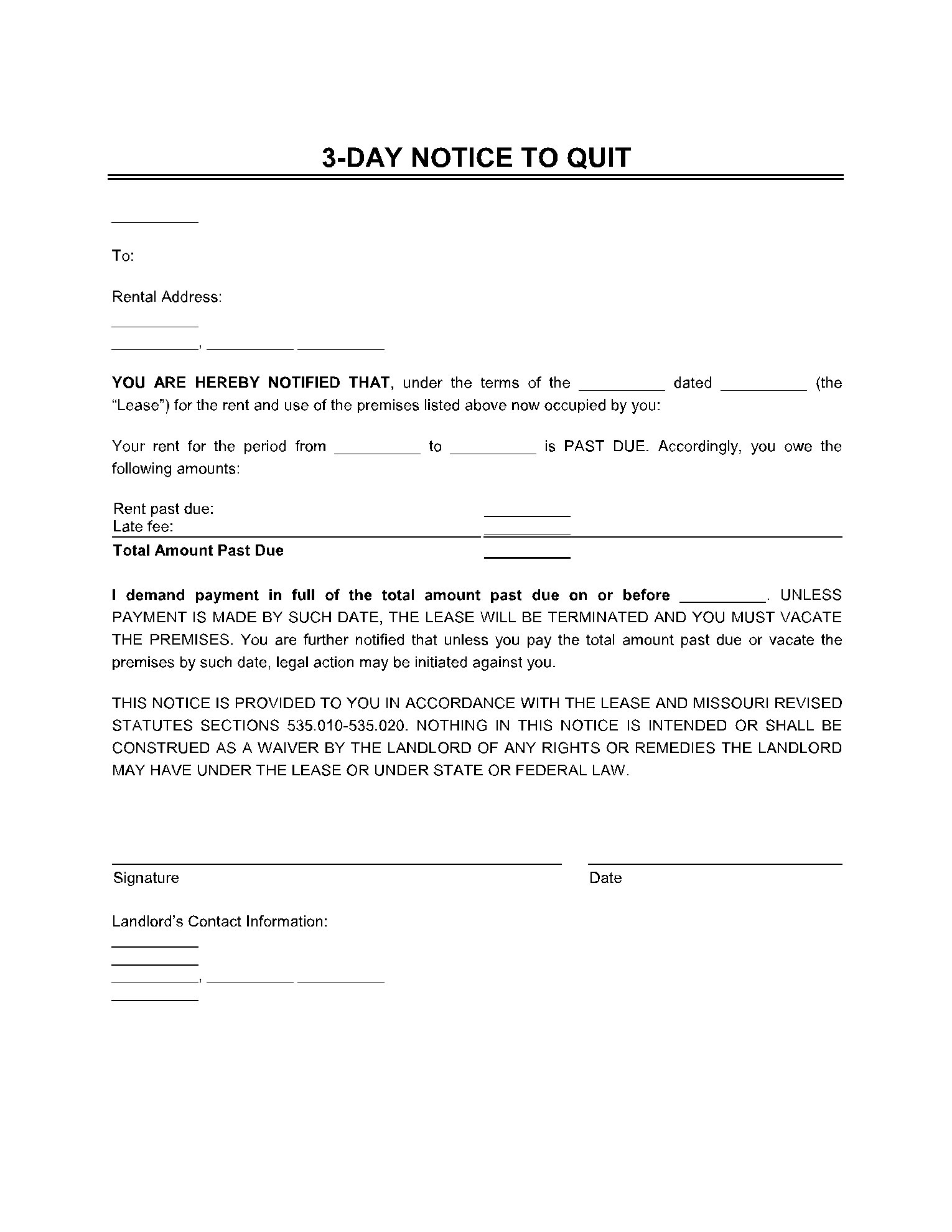
- Accuracy is Key: Double-check that the notice accurately states the tenant’s name, property address, the exact amount of rent owed (including itemized late fees), or the specific lease violation. Errors can invalidate the notice.
- Proper Service: Serve the notice using legally acceptable methods, such as personal delivery, certified mail, or posting and mailing. Document the date and method of service.
- Maintain Records: Keep meticulous records of the lease agreement, payment history, all communications with the tenant, and the served 3-day notice. This documentation is crucial evidence if an eviction lawsuit becomes necessary.
- Be Prepared for Next Steps: If the notice period expires without resolution, be prepared to follow through with filing an eviction lawsuit promptly to minimize further financial losses. Consult with a legal professional to ensure proper procedure.
Beyond the Notice: Preventing Future Financial Distress
For both tenants and landlords, the experience of a 3-day notice underscores the importance of proactive financial planning and risk management.
Budgeting and Financial Planning
For tenants, a robust personal budget is the first line of defense against financial distress. Tracking income and expenses, allocating funds for rent, and avoiding overspending can prevent future rent payment issues. For landlords, a comprehensive business budget for each property, factoring in potential vacancies, maintenance, and legal costs, is essential for long-term financial stability.
Emergency Funds
An emergency fund is critical for tenants. Having 3-6 months’ worth of living expenses saved can provide a crucial buffer against unexpected job loss, medical emergencies, or other events that could impact rent payment ability. For landlords, maintaining a reserve fund for property repairs, tenant turnover costs, and periods of vacancy is a sound financial strategy that protects against cash flow disruptions.
Understanding Lease Agreements
Both parties must thoroughly understand their lease agreements. Tenants should know payment due dates, grace periods, late fees, and what constitutes a lease violation. Landlords must ensure their leases are legally sound, clearly outline expectations and consequences, and are regularly updated to comply with current laws. A well-crafted lease is a financial safeguard.
Communication and Mediation
Open and honest communication between tenants and landlords can often prevent issues from escalating to a 3-day notice. For tenants, informing the landlord of potential payment difficulties before rent is due might lead to a temporary arrangement. For landlords, being accessible and willing to discuss issues (within reasonable bounds) can foster a positive relationship and potentially resolve minor issues before they become major financial problems. Mediation services, if available, can also offer a cost-effective alternative to court for resolving disputes.
In essence, a 3-day notice is more than just a piece of paper; it’s a critical financial instrument with profound implications for housing security, creditworthiness, and investment viability. Proactive financial management and clear communication are the best defenses against its potentially devastating effects.
aViewFromTheCave is a participant in the Amazon Services LLC Associates Program, an affiliate advertising program designed to provide a means for sites to earn advertising fees by advertising and linking to Amazon.com. Amazon, the Amazon logo, AmazonSupply, and the AmazonSupply logo are trademarks of Amazon.com, Inc. or its affiliates. As an Amazon Associate we earn affiliate commissions from qualifying purchases.