
The humble 1919 Lincoln Wheat Cent, a coin minted over a century ago, often sparks curiosity among those who stumble upon it in old coin jars or inherited collections. While many antique coins can fetch significant sums, the value of a specific piece like the 1919 wheat penny is contingent on a complex interplay of factors, primarily its condition, mint mark, and prevailing market demand. For financial enthusiasts and collectors alike, understanding these nuances is key to accurately assessing its worth, viewing it not just as a piece of history but as a potential asset within a numismatic investment portfolio.
Understanding the Wheat Penny Series and the 1919 Edition
To gauge the financial potential of a 1919 wheat penny, it is essential to first understand its historical context and distinguishing characteristics. The Lincoln Cent series, introduced in 1909, marked a significant departure from previous U.S. coinage, becoming the first regular-issue American coin to feature the likeness of a real person.
A Brief History of the Lincoln Cent
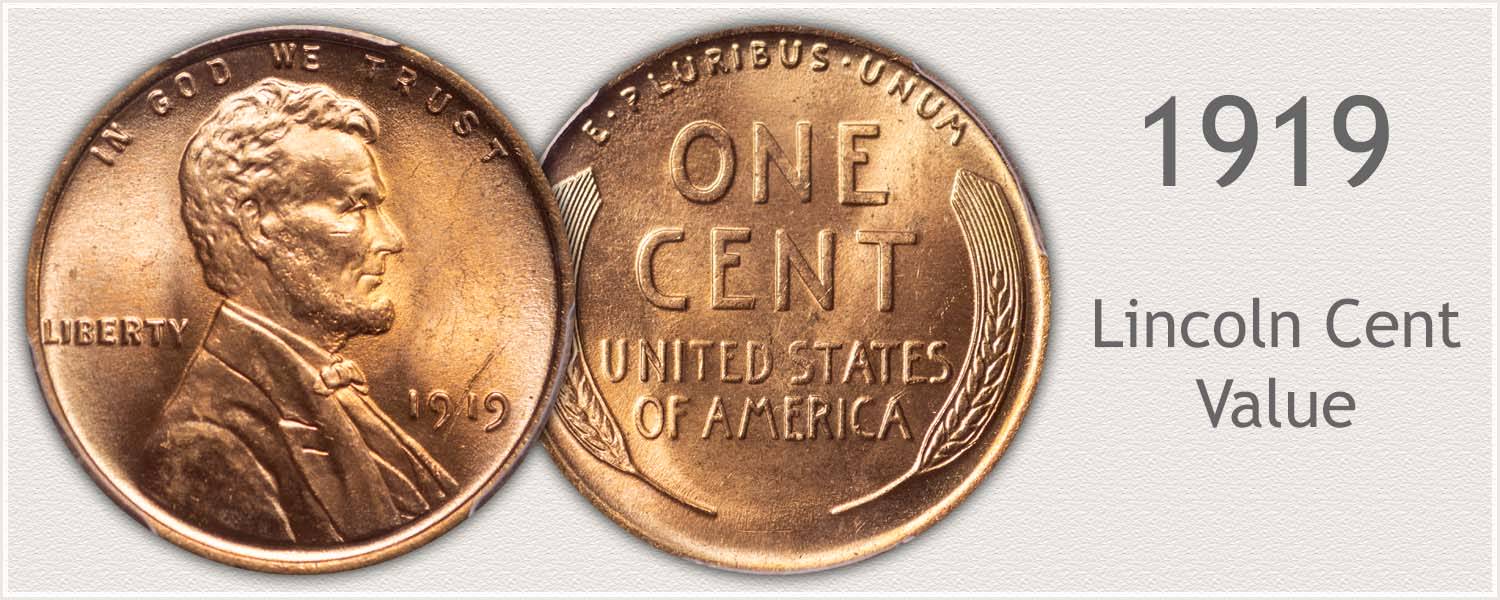
The Lincoln Cent was designed by Victor David Brenner to commemorate the 100th anniversary of Abraham Lincoln’s birth. The initial design, produced from 1909 to 1958, featured Lincoln’s portrait on the obverse and two stalks of wheat framing the words “ONE CENT” and “UNITED STATES OF AMERICA” on the reverse. This reverse design is what gives the coin its popular “wheat penny” moniker. The early decades of the Lincoln Cent, including 1919, saw vast quantities minted across various facilities, reflecting the nation’s burgeoning economy and increasing population. This high mintage, particularly for common dates, generally means that only coins in exceptional condition or those with specific rare attributes command substantial premiums.
Key Characteristics of the 1919 Wheat Penny
The 1919 wheat penny shares the standard specifications of the early Lincoln Cents: composed of 95% copper and 5% zinc/tin, with a weight of 3.11 grams and a diameter of 19.05 millimeters. What differentiates one 1919 penny from another, beyond its physical state, is its mint mark. In 1919, Lincoln Cents were produced at three U.S. Mints:
- Philadelphia (P): Coins minted in Philadelphia bear no mint mark.
- Denver (D): Coins minted in Denver have a small “D” below the date on the obverse.
- San Francisco (S): Coins minted in San Francisco have a small “S” below the date on the obverse.
Each mint had a different production volume, which directly impacts the relative rarity and, consequently, the base value of coins from that particular facility. The 1919 mintage figures were substantial for all three mints, making most examples readily available in lower grades.
Factors Influencing a 1919 Wheat Penny’s Value
The monetary value of any collectible, especially coins, is not static. It fluctuates based on several critical factors that numismatists and investors meticulously evaluate. Understanding these factors is crucial for anyone seeking to appraise or trade a 1919 wheat penny.
Condition (Grade)
The physical condition, or “grade,” is arguably the single most important determinant of a coin’s value. Coins are graded on a 70-point scale, ranging from Poor (PO-1) to Perfect Uncirculated (MS-70).
- Poor to Good (PO-1 to G-4): Coins in this range are heavily worn, with most details obscured. They hold minimal value beyond their face value or a small premium.
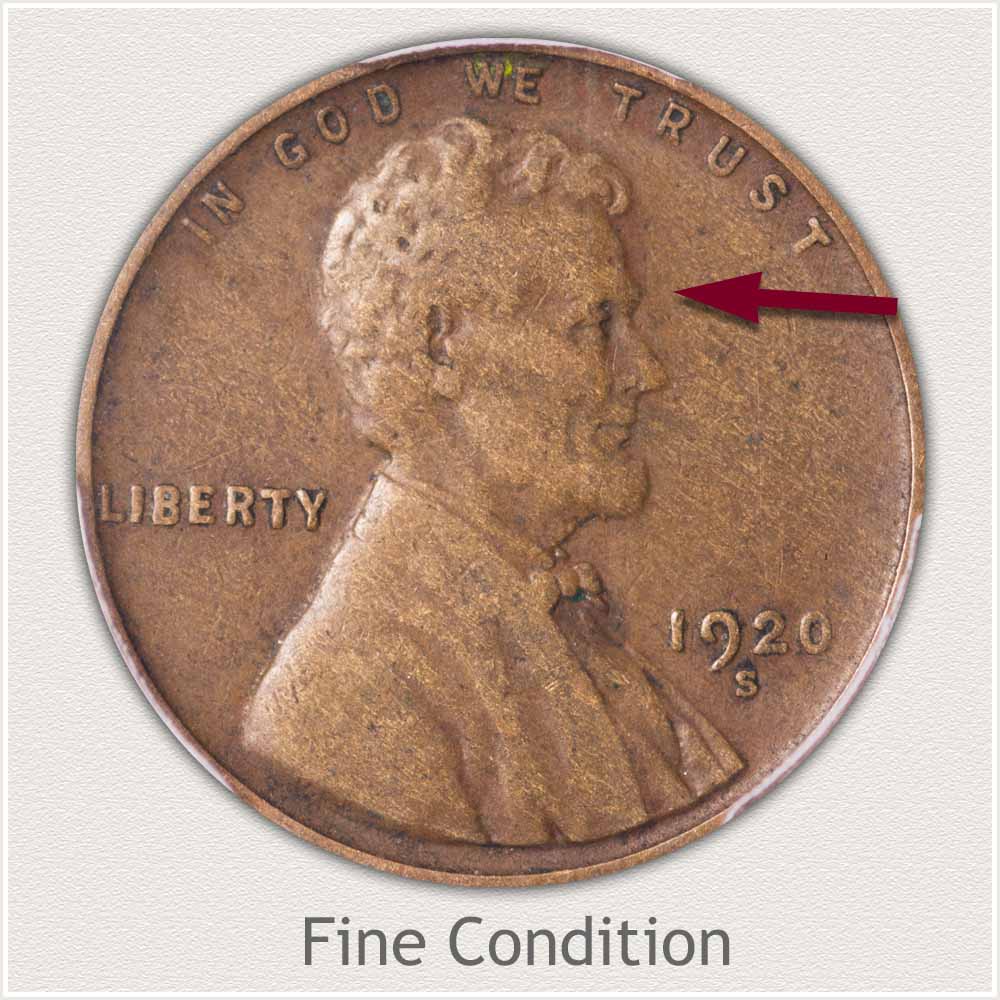
- Very Good to Fine (VG-8 to F-12): Moderate to considerable wear, but major design elements are visible. Value increases moderately.
- Very Fine to Extremely Fine (VF-20 to XF-40): Light to moderate wear, with all major details clear. These grades often see a noticeable jump in value.
- About Uncirculated (AU-50 to AU-58): Traces of wear on high points, but the coin retains most of its original luster. These are significantly more valuable.
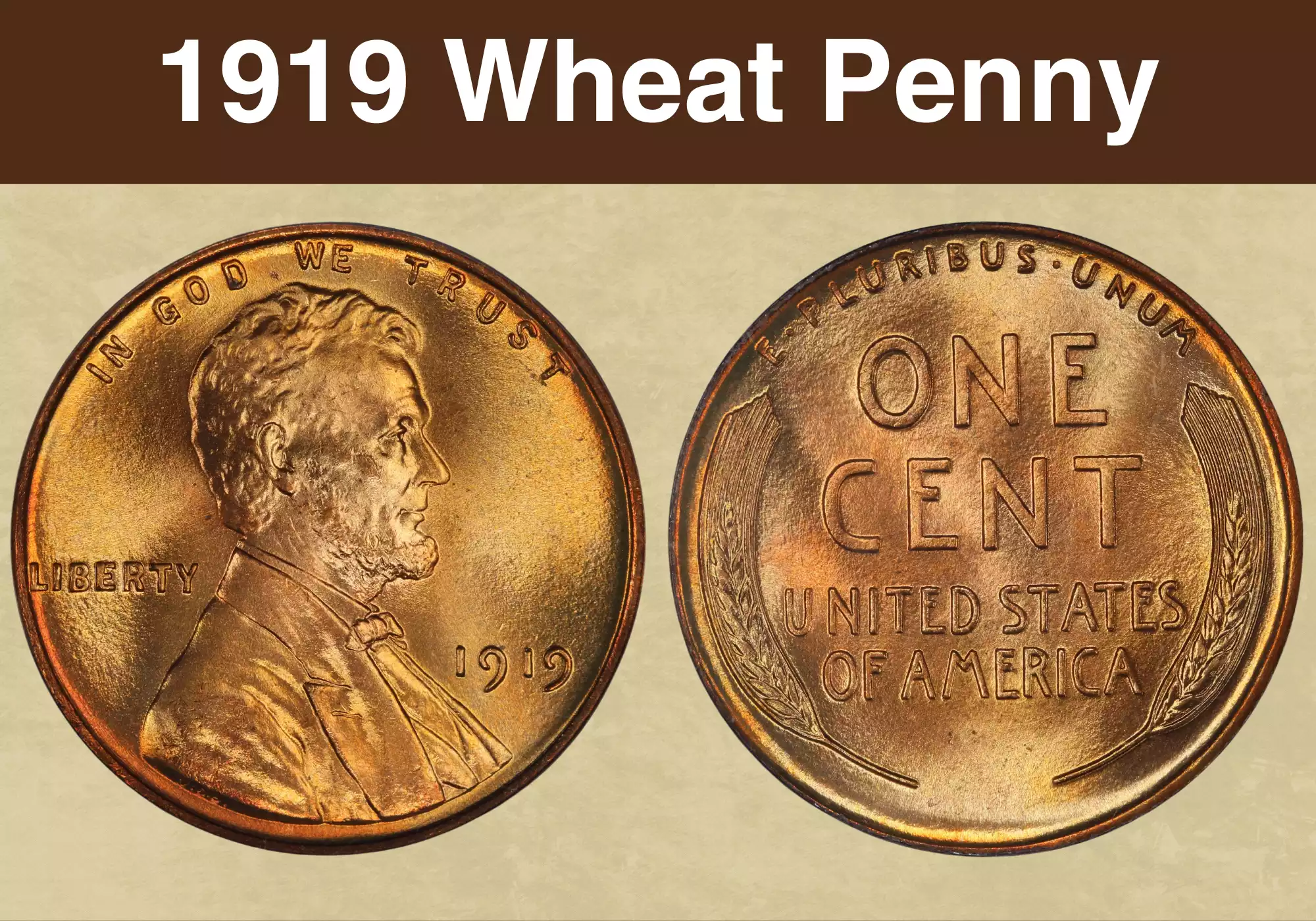
- Uncirculated (MS-60 to MS-70): Coins that have never been in circulation. They show no wear, retaining their original mint luster. Higher uncirculated grades (e.g., MS-65 and above) can command exponential premiums, as the aesthetic appeal and preservation are paramount to collectors and investors. A key aspect for Lincoln Cents is the “Full Red” (RD) designation, indicating that the coin retains its original copper-red color, which is highly prized and significantly boosts value compared to “Red-Brown” (RB) or “Brown” (BN) coins.
Mint Mark
As discussed, the mint mark indicates where the coin was produced. Different mints had varying production numbers, directly impacting scarcity.
- 1919 (Philadelphia): With a mintage of 399,091,000, the Philadelphia issue is the most common of the three. Its value is predominantly tied to its condition, with only high-grade uncirculated examples fetching substantial prices.
- 1919-D (Denver): Minted in quantities of 57,150,000, the Denver issue is less common than the Philadelphia coin but still widely available. Its value curve is steeper than the Philadelphia mint mark in higher grades.
- 1919-S (San Francisco): With the lowest mintage of 13,870,000, the San Francisco issue is considered the scarcest of the three. Consequently, 1919-S pennies, particularly those in higher uncirculated grades, tend to command the highest premiums due to their relative rarity.
Rarity and Mintage Figures
Beyond the general mintage figures, true rarity can also stem from production errors or unique varieties. While the 1919 wheat penny series is not famously known for major error coins or scarce varieties, vigilant collectors always seek out potential anomalies such as double dies, repunched mint marks, or off-center strikes. However, for the vast majority of 1919 pennies, rarity is directly proportional to their survival rate in higher grades, making uncirculated examples the genuine rarities. The low original mintage of the 1919-S makes it inherently scarcer, contributing to its enhanced valuation.
Market Demand
Numismatic market demand is a dynamic force. The popularity of a specific coin series, current economic conditions, and trends within the collecting community all influence prices. Strong demand for Lincoln Cents, particularly classic dates in high grades, can drive up values. Conversely, a decline in interest or an abundance of supply could stabilize or even decrease prices. For common date wheat pennies like the 1919, consistent demand for high-grade specimens from dedicated Lincoln Cent collectors ensures a certain level of liquidity and value appreciation.
Assessing Your 1919 Wheat Penny’s Worth
Accurately determining the value of your 1919 wheat penny requires careful inspection and research. While professional appraisal is often the most reliable method, preliminary assessment can be done by understanding key processes and resources.
The Role of Professional Grading
For any 1919 wheat penny believed to be in a high grade (AU or above), professional grading is an investment that can significantly enhance its market value and authenticity. Services like the Professional Coin Grading Service (PCGS) or the Numismatic Guaranty Corporation (NGC) employ expert graders who provide an objective, standardized assessment of a coin’s condition. A slabbed and graded coin from a reputable service is more liquid and commands higher prices in the secondary market because its authenticity and condition are certified. This reduces risk for buyers and justifies higher financial outlays.
Identifying Key Features and Varieties
Before sending a coin for grading, or if its value might not justify professional services, a basic self-assessment is useful. Using a magnifying glass (10x power is ideal), examine the coin for:
- Wear: Look for flattening of Lincoln’s cheekbone, jawline, and the strands of wheat on the reverse.
- Luster: Original mint luster, especially if unbroken across the fields, indicates higher grade.
- Scratches/Nicks/Dings: These post-mint damages detract significantly from value.
- Mint Mark: Clearly identify if it’s a “D,” “S,” or no mark (Philadelphia).
- Color: Note if it’s predominantly red (RD), red-brown (RB), or brown (BN). Red coins are generally more valuable.
While 1919 is not known for major error varieties, a keen eye for subtle doubling on the date or lettering, or any apparent anomalies in the strike, could reveal a rare and valuable variety. Consult a comprehensive numismatic guide (like the Red Book – A Guide Book of United States Coins) for known varieties of the 1919 penny.
Researching Market Prices
Once you have an idea of your coin’s grade and mint mark, research current market values. Reputable sources include:
- Online Price Guides: Websites like PCGS.com, NGCcoin.com, and CoinValues.com offer extensive price guides based on graded coins.
- Auction Results: Reviewing past sales results from major auction houses (e.g., Heritage Auctions, Stacks and Bowers Galleries) or online marketplaces (e.g., eBay “sold listings”) provides real-world transactional data.
- Coin Dealer Websites: Many established coin dealers publish price lists for coins they buy and sell.
Remember that dealer buy prices are typically lower than retail prices, reflecting their profit margin. Always compare multiple sources to get a realistic range.
The 1919 Wheat Penny as a Numismatic Investment
For those interested in collectibles as part of a diversified investment strategy, the 1919 wheat penny, particularly in higher grades, presents a nuanced opportunity.
Long-Term Value Appreciation
While common date wheat pennies in circulated conditions hold minimal investment appeal, high-grade, uncirculated examples, especially the 1919-S, have demonstrated consistent long-term value appreciation. This appreciation is driven by increasing scarcity as more coins are lost or damaged, coupled with persistent demand from dedicated collectors. As a tangible asset, rare coins can offer a hedge against inflation and market volatility, acting as a store of wealth outside traditional financial instruments.
Diversification and Collectibles
Including numismatic items like rare 1919 wheat pennies in an investment portfolio can provide diversification. Unlike stocks or bonds, coin values are not directly tied to corporate earnings or interest rates. Their value is influenced by numismatic fundamentals – rarity, condition, and historical significance – and collector demand. However, the market for collectibles can be illiquid compared to financial markets, and expertise is required to make informed investment decisions.
Pitfalls and Considerations for Collectors
Investing in rare coins is not without its challenges.
- Expertise Required: Accurate grading and authentication require significant knowledge or reliance on professional services, which incur costs.
- Liquidity: Selling high-value coins can take time, especially for niche items, unlike readily traded securities.
- Storage and Insurance: Protecting valuable coins from theft, damage, and environmental degradation requires secure storage and appropriate insurance coverage, adding to ownership costs.
- Fakes and Counterfeits: The market for rare coins is susceptible to counterfeits, making authenticated coins from reputable sources paramount.
Real-World Examples and Price Ranges
To provide a concrete understanding, here are approximate price ranges for 1919 wheat pennies across different conditions and mint marks. These are estimates and actual prices can vary based on specific market conditions and the coin’s individual characteristics (e.g., eye appeal, toning).
-
1919 (Philadelphia, no mint mark):
- Good (G-4): $0.25 – $0.75
- Fine (F-12): $1.50 – $3.00
- Extremely Fine (XF-40): $10 – $25
- About Uncirculated (AU-58): $30 – $60
- Uncirculated (MS-60): $75 – $125
- Gem Uncirculated (MS-65 Red): $300 – $700+
-
1919-D (Denver mint mark):
- Good (G-4): $0.50 – $1.00
- Fine (F-12): $2.00 – $5.00
- Extremely Fine (XF-40): $20 – $40
- About Uncirculated (AU-58): $60 – $120
- Uncirculated (MS-60): $150 – $250
- Gem Uncirculated (MS-65 Red): $500 – $1,500+
-
1919-S (San Francisco mint mark):
- Good (G-4): $1.00 – $2.00
- Fine (F-12): $5.00 – $15.00
- Extremely Fine (XF-40): $50 – $100
- About Uncirculated (AU-58): $150 – $300
- Uncirculated (MS-60): $400 – $700
- Gem Uncirculated (MS-65 Red): $1,500 – $5,000+ (with some exceptional examples reaching higher figures)
For most common circulated 1919 wheat pennies, the value remains modest, typically a few dollars at best. However, discovering an uncirculated 1919-S with full red coloration can be a significant numismatic find, representing a tangible asset with substantial financial worth and a valued addition to any serious collector’s portfolio.
aViewFromTheCave is a participant in the Amazon Services LLC Associates Program, an affiliate advertising program designed to provide a means for sites to earn advertising fees by advertising and linking to Amazon.com. Amazon, the Amazon logo, AmazonSupply, and the AmazonSupply logo are trademarks of Amazon.com, Inc. or its affiliates. As an Amazon Associate we earn affiliate commissions from qualifying purchases.