
The landscape of technology is continually pushing the boundaries of what’s possible, moving beyond wearables and into the realm of bio-integrated devices. The provocative question, “what if I got a chip in my gums?” is no longer purely speculative fiction but a conceptual exploration of a plausible future. Such a scenario delves deep into the confluence of advanced microelectronics, biomedical engineering, and the internet of things (IoT), envisioning a world where technology transcends external devices to become an inherent part of our physical being. This isn’t about mere novelty; it’s about the potential for profound shifts in how we interact with our health, our environment, and our digital identities.

The Dawn of Bio-Integrated Tech: What a Gum Chip Entails
The concept of a “chip in the gums” points towards micro-implants designed to reside within the oral cavity. While still largely theoretical in this specific application, the underlying technologies for such devices are rapidly evolving. These aren’t crude, invasive gadgets but rather sophisticated, miniature systems engineered for biocompatibility and seamless integration.
Micro-implants Defined and Potential Technologies
A gum chip would be a highly specialized micro-implant, distinct from larger medical devices like pacemakers or cochlear implants. Its primary characteristics would be its diminutive size, low power consumption, and advanced sensory or communication capabilities. The “chip” itself could encompass several technological facets:
- RFID (Radio-Frequency Identification) and NFC (Near Field Communication): These passive or semi-passive technologies could enable contactless identification, access control, or even payment processing. Imagine a seamless transaction simply by proximity, authenticated by a unique identifier linked to your oral implant.
- Biosensors: This is where the true revolution lies for a gum-integrated device. Micro-biosensors could be engineered to detect a vast array of biological markers present in saliva or the surrounding tissue. This could include glucose levels for diabetics, stress hormones, inflammatory markers, specific pathogens, or even early indicators of oral cancers or systemic diseases.
- Micro-actuators and Drug Delivery: More advanced iterations might include micro-actuators capable of localized drug release in response to detected biomarkers, offering highly targeted and personalized therapeutic interventions directly within the oral environment or for systemic effect.
- Wireless Communication Modules: For any data collected by biosensors to be useful, it must be transmitted. Ultra-low power Bluetooth or similar short-range wireless protocols would be essential to send data to a smartphone, a connected smart home hub, or a cloud-based health platform.
- Energy Harvesting: Given the challenges of battery replacement in an implant, future designs would heavily rely on energy harvesting techniques, potentially drawing power from body heat, vibrations from chewing, or even miniature biofuel cells utilizing glucose in saliva.
The design emphasis would be on robust encapsulation, ensuring the chip remains sterile, functional, and non-allergenic within the moist, dynamic environment of the oral cavity. The goal is not just implantation but integration – making the technology feel natural, unobtrusive, and an extension of the user’s capabilities.
Revolutionizing Health and Connectivity: Applications and Benefits
The integration of a chip into one’s gums could unlock a host of unprecedented applications, particularly in health monitoring and seamless digital interactions, fundamentally changing how we perceive personal data and convenience.
Real-time Health Monitoring and Proactive Care
Perhaps the most transformative aspect of a gum chip lies in its potential for continuous, real-time health monitoring. Saliva is a rich diagnostic fluid, containing biomarkers for a multitude of conditions. A gum-based biosensor could constantly analyze these markers:
- Chronic Disease Management: For individuals with diabetes, it could provide continuous, non-invasive glucose monitoring, alerting users or their healthcare providers to critical fluctuations. Similarly, it could track electrolyte imbalances, kidney function markers, or indicators of cardiovascular health.
- Infection Detection: The early detection of bacterial or viral pathogens, including those causing respiratory illnesses or even oral infections, could enable proactive treatment and prevent wider spread.
- Stress and Wellness Tracking: Monitoring cortisol levels or other stress indicators could provide personalized insights into mental well-being, suggesting interventions before stress becomes chronic.
- Personalized Nutrition: By analyzing metabolic byproducts, a chip could offer real-time feedback on dietary responses, guiding healthier eating habits.
- Oral Health Surveillance: Beyond systemic health, it could detect early signs of cavities, gum disease, or even oral cancers, enabling timely dental interventions.
This continuous data stream, accessible via a linked app, would empower individuals with unprecedented insights into their own physiology, shifting healthcare from reactive treatment to proactive prevention.
Enhanced Biometrics and Seamless Interactions
Beyond health, a gum chip could serve as a unique, inherent biometric identifier and facilitator of digital interactions.
- Effortless Authentication: Imagine logging into your computer, unlocking your phone, or accessing secure facilities simply by being present, with your gum chip providing a secure, unforgeable biometric signature. This moves beyond fingerprints and facial recognition, offering an internal, hard-to-spoof identifier.
- Contactless Payments and Access: Similar to existing NFC implants in hands, a gum chip could enable entirely contactless payments or access to public transport and smart homes, eliminating the need for cards, keys, or phones. Your identity and payment capabilities become intrinsically linked to your person.
- Personalized Environments: As you enter a room, your smart home or office could automatically adjust lighting, temperature, and media preferences based on your unique chip ID, creating truly personalized and responsive environments.
This seamless integration could streamline countless daily interactions, making technology recede into the background, becoming an intuitive extension of one’s presence.
Navigating the Ethical and Security Labyrinth
While the benefits are compelling, the integration of technology within our bodies, especially in such a sensitive area, raises profound ethical, privacy, and security questions that demand careful consideration and robust solutions.
Data Privacy Concerns
The continuous collection of highly sensitive biometric and health data by a gum chip presents an unprecedented privacy challenge.

- Who owns the data? Is it the individual, the chip manufacturer, the healthcare provider, or even third-party advertisers? Clear ownership and control protocols are paramount.
- Consent and Data Usage: How granular will consent be? Will individuals truly understand and agree to how their health metrics, location data, or behavioral patterns are being used, shared, or potentially monetized? The risk of opaque data practices is significant.
- Data Aggregation and Profiling: The aggregation of individual health data from millions of users could lead to powerful insights but also to highly detailed, immutable profiles that could be used for discriminatory purposes in insurance, employment, or even social services.
Establishing robust legal frameworks, transparent data policies, and strong user controls will be critical to prevent misuse and ensure individual autonomy over personal health information.
Cybersecurity Vulnerabilities and Hacking Risks
Any connected device is a potential target for cyberattacks, and an implanted device carries unique and alarming risks.
- Data Breaches: A hack into the system managing chip data could expose an individual’s most intimate health details, financial information, and unique biometric identifiers, leading to identity theft or targeted fraud.
- Manipulation and Control: A more sinister threat involves the potential for malicious actors to manipulate the chip itself. Could a chip designed for drug delivery be commanded to overdose an individual? Could an authentication chip be spoofed to grant unauthorized access?
- “Bricking” and Ransomware: The possibility of a chip being remotely disabled or held for ransom, effectively “bricking” a part of one’s own body, is a chilling prospect that underscores the need for unbreakable security protocols and fail-safes.
- Privacy Invasion: Even without direct manipulation, a compromised chip could become a persistent surveillance tool, broadcasting location or health status without the user’s consent.
Designing these systems with security as a foundational principle, employing advanced encryption, secure boot processes, and robust authentication mechanisms, will be paramount. Regulatory bodies will need to establish stringent security standards for bio-integrated devices.
The Question of Consent and Control
Voluntary adoption versus societal pressure is another critical ethical dimension.
- Informed Consent: Given the novelty and potential lifelong implications of an implanted device, the process of obtaining truly informed consent must be meticulously thorough, ensuring individuals understand all risks, benefits, and alternatives.
- Coercion and Social Norms: As these technologies become more commonplace, will there be subtle or overt pressure to adopt them for employment, insurance benefits, or even social acceptance? The concern is that an optional technology could become a de facto requirement, eroding individual choice.
- Revocability and Removal: What happens if an individual changes their mind? Is the chip easily and safely removable? What are the long-term biological effects? These questions about exit strategies and bodily autonomy are crucial.
Ensuring that such powerful technology remains firmly within the realm of individual choice, free from coercion, will be an ongoing societal and ethical challenge.
The Road Ahead: Challenges and Future Outlook
The journey from concept to widespread adoption for something as intimate as a gum chip is fraught with technical, regulatory, and societal hurdles. Yet, the trajectory of technology suggests that overcoming these challenges is not a matter of if, but when.
Regulatory Frameworks and Approval Processes
The current regulatory landscape, primarily designed for pharmaceuticals and traditional medical devices, will need significant adaptation to accommodate bio-integrated chips.
- Safety and Biocompatibility: Rigorous testing will be required to ensure the long-term safety, biocompatibility, and stability of the implant material within the human body. The oral environment presents unique challenges with saliva, mastication forces, and microbial flora.
- Data Security and Privacy Standards: New regulatory bodies or expanded mandates for existing ones will be necessary to establish stringent standards for data encryption, access control, and the ethical use of continuously collected biometric data.
- Ethical Oversight: Independent ethical review boards will play a crucial role in assessing the broader societal implications, ensuring that development proceeds responsibly and respects human dignity and autonomy.
- Manufacturing and Quality Control: The precision required for such micro-implants, coupled with the critical need for sterility and longevity, will demand exceptionally high standards in manufacturing and quality control, potentially necessitating new certifications.
Establishing comprehensive and adaptive regulatory pathways will be fundamental to ensuring these technologies are introduced safely and responsibly.
Public Perception and Adoption
Beyond technical and regulatory challenges, public acceptance will largely dictate the pace of adoption.
- Fear and Misinformation: The concept of an internal chip can evoke fear, ranging from privacy concerns to existential anxieties about human augmentation. Addressing these fears with transparent communication and education will be vital.
- Trust in Technology Providers: Companies developing these devices will need to earn and maintain a high level of public trust, demonstrating unwavering commitment to user privacy, security, and ethical practices.
- Perceived Value vs. Risk: Individuals will weigh the tangible benefits (e.g., improved health management, convenience) against the perceived risks (e.g., privacy loss, potential health complications, irreversible nature). Early adopters will likely be those with specific medical needs or a strong affinity for cutting-edge tech.
- Cultural and Religious Sensitivities: Different cultures and religious groups may have varying comfort levels with bodily modifications or technological integration, requiring a nuanced approach to global adoption.
Gaining widespread public acceptance will involve a slow, deliberate process of demonstration, education, and the consistent delivery of reliable and beneficial experiences.
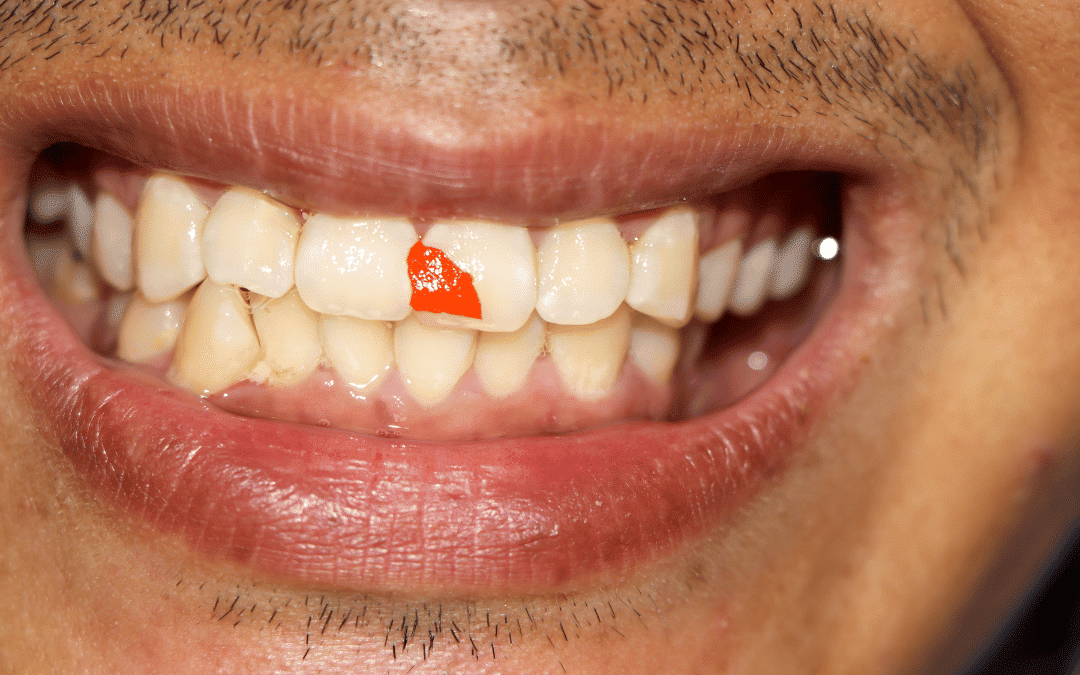
The Future of Human-Technology Integration
The “chip in the gums” scenario, while specific, serves as a powerful metaphor for the broader trend of human-technology integration. As devices become smaller, more powerful, and more biocompatible, the line between human and machine will continue to blur. This evolution suggests a future where technology is not just external but an intrinsic part of our biological existence. From enhanced cognitive functions to perfectly managed physiological processes, bio-integrated tech promises a future of amplified human capabilities. However, navigating this future demands an unwavering commitment to ethical development, robust security, and the preservation of individual autonomy, ensuring that technology serves humanity, rather than the other way around. The journey into this future is complex, but the insights gained from contemplating a gum chip illuminate the incredible potentials and profound responsibilities that lie ahead.
aViewFromTheCave is a participant in the Amazon Services LLC Associates Program, an affiliate advertising program designed to provide a means for sites to earn advertising fees by advertising and linking to Amazon.com. Amazon, the Amazon logo, AmazonSupply, and the AmazonSupply logo are trademarks of Amazon.com, Inc. or its affiliates. As an Amazon Associate we earn affiliate commissions from qualifying purchases.