
Untreated strep throat might seem like a minor ailment, a fleeting discomfort that will eventually resolve on its own. While the acute symptoms often do subside, the underlying bacterial infection, Streptococcus pyogenes, can silently escalate into a cascade of severe health complications, each carrying a significant and often crippling financial burden. For individuals, families, and even the broader economy, overlooking the simple treatment for strep throat can morph a minor health nuisance into a major financial crisis.
The Immediate Financial Drain: Acute Illness Costs
Ignoring strep throat doesn’t just prolong discomfort; it immediately impacts an individual’s financial stability through direct costs and lost income. The initial phase of an untreated infection incurs specific economic penalties that are often underestimated.
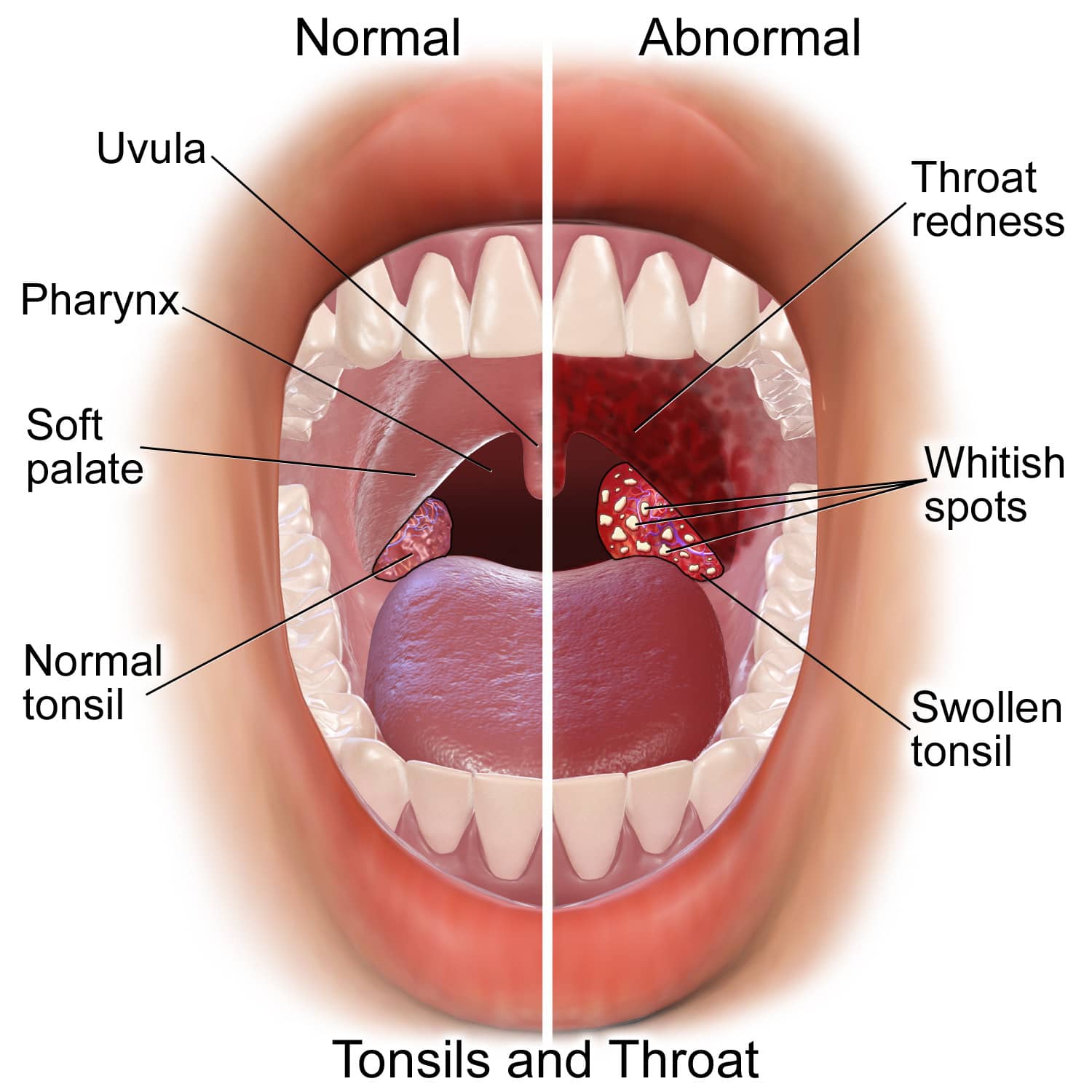
Doctor Visits and Medication Expenses
Initially, a diagnosis of strep throat is relatively inexpensive. A primary care visit, perhaps an urgent care clinic, and a course of antibiotics (usually penicillin or amoxicillin) represent a modest outlay. Co-pays for office visits typically range from $20 to $75, with antibiotic prescriptions costing between $4 and $50, depending on the drug and insurance coverage. These are manageable sums for most households.
However, if strep throat is left untreated, the symptoms not only persist but often worsen. This can necessitate multiple follow-up visits as the condition deteriorates, potentially involving emergency room visits if symptoms become severe (e.g., difficulty swallowing, severe pain, dehydration). An ER visit can easily cost hundreds to thousands of dollars, even with insurance, due to deductibles and co-insurance. Each additional visit, each more potent or specialized medication required as complications arise, chips away at disposable income and savings, quickly making the initial, inexpensive treatment look like a bargain.
Lost Productivity and Income
Beyond direct medical costs, an untreated illness fundamentally compromises an individual’s ability to work or manage household responsibilities, leading to significant financial losses. For employees, prolonged illness means missed workdays, which can translate into lost wages, especially for those in hourly positions or without generous paid sick leave. Even salaried employees may deplete their sick leave banks, potentially resorting to unpaid leave if the illness or its complications extend for weeks.
For self-employed individuals or small business owners, the impact is even more direct and immediate. Every day spent bedridden due or recovering from complications means lost billable hours, missed client opportunities, and a direct hit to the bottom line. The ripple effect can impact business continuity, client relationships, and long-term revenue streams. This lost income directly affects household budgets, making it harder to cover daily expenses, loan payments, or contribute to savings.
Impact on Family Finances
The financial strain of an untreated illness often extends beyond the individual. If a parent is ill, they might miss work, reducing household income. Simultaneously, the need for childcare might arise if they are too unwell to care for children, adding another unexpected expense. A sick child, especially one suffering from the severe complications of untreated strep, often requires a parent to take time off work for appointments, hospital stays, or at-home care, further reducing family income and increasing stress.
Furthermore, the emotional toll of chronic illness or severe complications within a family can lead to decreased productivity for other family members, affecting their own professional performance and potentially their financial prospects. The diversion of funds towards medical expenses can also mean cutting back on other essential expenditures, delaying financial goals like education savings or home improvements, and even accumulating debt.
Escalating Medical Bills: Complications and Chronic Conditions
The most severe financial consequences of untreated strep throat arise from the serious complications that can develop. These are not just temporary setbacks but often lead to chronic conditions requiring extensive, long-term medical care that can deplete even substantial financial reserves.
Rheumatic Fever and Heart Damage
One of the most notorious complications of untreated strep throat is acute rheumatic fever (ARF). While ARF itself is a severe inflammatory disease affecting the heart, joints, brain, and skin, its most devastating financial impact stems from the potential development of rheumatic heart disease (RHD). RHD is a permanent, progressive damage to the heart valves, often requiring lifelong medical management, repeated hospitalizations, and potentially expensive surgeries.
The costs associated with RHD are astronomical. Lifelong medications (e.g., penicillin prophylaxis, diuretics, anticoagulants) can cost hundreds of dollars monthly. Regular cardiology consultations, echocardiograms, and other diagnostic tests add significantly. If valve replacement surgery becomes necessary, the procedure alone can cost tens of thousands to over $100,000, not including pre-operative assessments, post-operative care, and rehabilitation. Even with robust health insurance, out-of-pocket maximums and co-insurance can leave patients responsible for many thousands of dollars, creating a debt burden that can last for years.
Kidney Disease (Post-streptococcal Glomerulonephritis)
Another potential complication is post-streptococcal glomerulonephritis (PSGN), a type of kidney disease. While often self-limiting, severe cases can lead to chronic kidney disease or even end-stage renal disease (ESRD), requiring dialysis or a kidney transplant.

The financial implications of ESRD are staggering. Dialysis treatments, typically three times a week, can cost upwards of $90,000 per year. A kidney transplant, while offering a better quality of life, involves an initial cost of over $400,000, followed by lifelong immunosuppressant medications that can cost $10,000 to $25,000 annually. These are expenses that few individuals or families are prepared to bear, even with the most comprehensive insurance plans, often leading to medical bankruptcy.
PANS/PANDAS and Neuropsychiatric Costs
For a subset of children, untreated strep infections can trigger Pediatric Autoimmune Neuropsychiatric Disorders Associated with Streptococcal Infections (PANDAS) or the broader Pediatric Acute-onset Neuropsychiatric Syndrome (PANS). These conditions involve a sudden onset of obsessive-compulsive disorder (OCD) symptoms, tics, anxiety, and other neuropsychiatric issues.
The financial costs associated with PANS/PANDAS are multifaceted and substantial. Diagnosis can be challenging, requiring visits to multiple specialists (neurologists, psychiatrists, immunologists), which are often not fully covered by insurance. Treatments may include specialized antibiotics, intravenous immunoglobulin (IVIG) therapy, plasma exchange, and ongoing psychotherapy and behavioral interventions. IVIG therapy, for example, can cost thousands of dollars per infusion and may be needed repeatedly. The non-medical costs include parents taking time off work for appointments, specialized educational support, and therapies not covered by insurance. The chronic nature of these conditions often places a continuous financial strain on families for years.
Abscesses and Further Infections
Beyond systemic complications, localized issues like peritonsillar abscesses can develop in the throat. These often require emergency drainage procedures, intravenous antibiotics, and sometimes hospitalization. The cost of an emergency department visit, a surgical procedure, and an inpatient hospital stay can easily run into thousands or tens of thousands of dollars. Furthermore, the persistent presence of the bacteria can lead to recurrent infections, requiring repeated courses of antibiotics and medical attention, which continuously drains financial resources.
Long-Term Financial Planning and Risk Management
The specter of long-term health complications from untreated strep throat highlights critical aspects of personal finance: managing healthcare costs and mitigating health-related financial risks. Proactive financial planning becomes paramount.
Health Insurance Premiums and Deductibles
Having robust health insurance is the primary defense against catastrophic medical bills. However, the costs associated with chronic conditions stemming from untreated strep can still be significant. High-deductible health plans, common today, mean individuals must pay thousands out-of-pocket before insurance coverage kicks in. For conditions like RHD or ESRD, reaching and exceeding annual out-of-pocket maximums becomes a regularity, year after year. Choosing an appropriate health insurance plan, understanding its coverage limits, and having an emergency fund to cover deductibles and co-insurance are vital for financial resilience against such severe health events.
Disability and Long-Term Care Considerations
Severe, chronic complications like advanced RHD or ESRD can lead to permanent disability, rendering an individual unable to work. This necessitates consideration of long-term disability insurance, which can replace a portion of lost income, but this must be secured before a disabling condition arises. Without it, reliance on government disability programs, which often provide only a fraction of previous income, or depletion of savings, becomes inevitable.
Moreover, certain conditions may eventually require long-term care, either in a facility or through extensive home health services. Long-term care insurance is a specialized product designed to cover these costs, which can be extraordinarily high (e.g., $5,000–$10,000 per month for nursing home care). The financial planning for such eventualities is complex and critical, underscoring the long-term economic shadow cast by seemingly minor untreated infections.
The Hidden Costs of Poor Health on Wealth Accumulation
The financial burden of chronic illness isn’t just about direct medical costs and lost income; it also profoundly impacts long-term wealth accumulation. Funds that would have been saved for retirement, invested in the market, or used for wealth-building assets are diverted to medical expenses. The ability to take career risks, pursue higher education, or invest in business ventures can be curtailed by ongoing health issues and the associated financial insecurity. The mental and emotional strain of chronic illness can also reduce overall productivity and financial decision-making capacity, creating a cycle of economic stagnation or decline.
The Economic Imperative of Timely Treatment
The financial evidence overwhelmingly points to a clear conclusion: timely treatment of strep throat is not merely a health recommendation; it is an economic imperative. The marginal cost of a doctor’s visit and a short course of antibiotics pales in comparison to the potential lifetime financial liabilities of allowing the infection to fester.
Cost-Benefit Analysis of Early Intervention
From a purely financial perspective, the cost-benefit analysis of treating strep throat is unequivocally in favor of early intervention. A $50 co-pay and a $10 prescription can prevent a future of $100,000 heart surgeries or $50,000 annual dialysis costs. It prevents lost wages, preserves savings, and protects an individual’s and family’s long-term financial stability. It is one of the most financially prudent health decisions one can make.

Financial Education for Health-Related Expenditures
Understanding the profound financial implications of health choices is a critical component of personal financial literacy. Educating individuals about the true costs of untreated illnesses, the importance of preventive care, and the strategic role of health insurance and emergency funds empowers them to make financially sound decisions regarding their health. Viewing health as an investment—where early, small investments yield significant long-term returns by preventing larger, catastrophic expenditures—is essential for robust financial planning. Neglecting strep throat is not just a health risk; it is a profound financial gamble that few can afford to lose.
aViewFromTheCave is a participant in the Amazon Services LLC Associates Program, an affiliate advertising program designed to provide a means for sites to earn advertising fees by advertising and linking to Amazon.com. Amazon, the Amazon logo, AmazonSupply, and the AmazonSupply logo are trademarks of Amazon.com, Inc. or its affiliates. As an Amazon Associate we earn affiliate commissions from qualifying purchases.