
For millions of workers, union membership is a cornerstone of their professional lives, offering collective bargaining power, improved wages, benefits, and working conditions. However, this membership comes with an obligation: the payment of regular union dues. These financial contributions are the lifeblood of any union, funding its operations, advocacy, and member services. While most members understand and fulfill this duty, the question “what happens if you don’t pay your union dues?” is a critical one, carrying significant financial, employment, and legal ramifications that every member, or potential member, should comprehend.

The Foundation of Union Membership: Understanding Dues and Their Financial Role
Union dues are not merely a fee; they are an investment in collective power. Members’ financial contributions directly support the union’s ability to negotiate stronger contracts, provide legal representation, fund political advocacy for worker rights, offer training programs, and administer various member benefits, from health and retirement plans to strike funds. Typically, dues are calculated as a percentage of a member’s earnings or a fixed monthly amount, often deducted directly from paychecks. Understanding the financial necessity of these dues is the first step in appreciating the consequences of non-payment.
When a member fails to pay their dues, it impacts the union’s operational budget, potentially weakening its ability to provide these essential services. More directly, it puts the individual member in a precarious financial and professional position within the union structure and, depending on the workplace, with their employer. The specific fallout can vary significantly based on factors like the union’s bylaws, the collective bargaining agreement (CBA) in place, and prevailing labor laws, particularly whether the workplace is in a “right-to-work” state or a “union shop” state.
Immediate Repercussions of Dues Delinquency: Membership and Financial Privileges
The initial consequences of failing to pay union dues are often internal to the union itself, impacting the member’s standing and access to financially valuable benefits. These are typically outlined in the union’s constitution and bylaws, which all members agree to abide by upon joining.
Loss of Good Standing and Voting Rights
One of the most immediate financial and representational consequences of dues delinquency is the loss of “good standing.” This means the member may forfeit their right to vote in union elections, including critical decisions on contract ratification, leadership changes, or strike authorizations. While not a direct monetary loss, the inability to influence decisions that profoundly affect one’s wages, benefits, and working conditions represents a significant loss of financial agency and protection. This can have long-term financial implications if, for example, a poor contract is ratified due to a lack of member participation.
Suspension or Loss of Union-Sponsored Benefits
Many unions offer their members a range of valuable benefits that are either subsidized by dues or require active membership in good standing. These can include:
- Health and Welfare Plans: Access to affordable medical, dental, and vision insurance can be contingent on paid-up dues. Losing this coverage can result in significant out-of-pocket medical expenses.
- Pension and Retirement Funds: Eligibility for certain union-managed pension or retirement plans might be jeopardized, potentially impacting long-term financial security in retirement.
- Training and Education Programs: Many unions invest heavily in skill development and certification programs that enhance members’ earning potential. Delinquent members may be barred from these opportunities, hindering their career advancement and income growth.
- Legal Representation and Grievance Support: Unions provide crucial support for workplace disputes, wrongful termination claims, or contract violations. Without good standing, a member might lose access to this often expensive legal aid, leaving them financially vulnerable in employment conflicts.
- Strike Pay: In the event of a strike, unions typically provide financial support to members. Delinquent members would likely not be eligible, facing severe income disruption if industrial action occurs.
Accumulation of Fines and Late Fees
Just like any overdue bill, unpaid union dues can incur late fees and penalties. These can quickly accumulate, turning a manageable financial obligation into a more substantial debt. Unions may also impose fines for non-compliance with other rules or decisions, which can compound the financial burden for a member already struggling with dues. Eventually, the union may even pursue the outstanding balance through collection agencies, impacting the member’s credit score and overall financial health.
Employment and Financial Security: The Core Impact
The most severe financial consequence of not paying union dues often relates directly to one’s employment and income stability. The extent of this risk hinges critically on the legal framework governing union membership in a particular state or workplace.
“Union Shop” States: Direct Threat to Employment
In states where “union shop” agreements are legal, a collective bargaining agreement (CBA) can stipulate that all employees in a bargaining unit must join the union and pay dues as a condition of continued employment. This means that if you are delinquent on your union dues in a union shop, the union can request your employer to terminate your employment.
- Job Loss and Income Interruption: This is the ultimate financial consequence. Losing your job means an immediate cessation of income, potentially leading to severe financial hardship, difficulty paying bills, and a stressful job search. This can trigger a cascade of financial problems, including mortgage or rent delinquency, utility cut-offs, and damage to one’s credit.
- Loss of Benefits: Beyond the immediate income loss, termination also means losing employer-sponsored health insurance, retirement contributions, and other valuable perks, further eroding financial stability.
- Difficulty Finding New Employment: A record of termination for non-payment of union dues could make it challenging to secure future employment, especially in other unionized industries where a history of good standing is often valued.
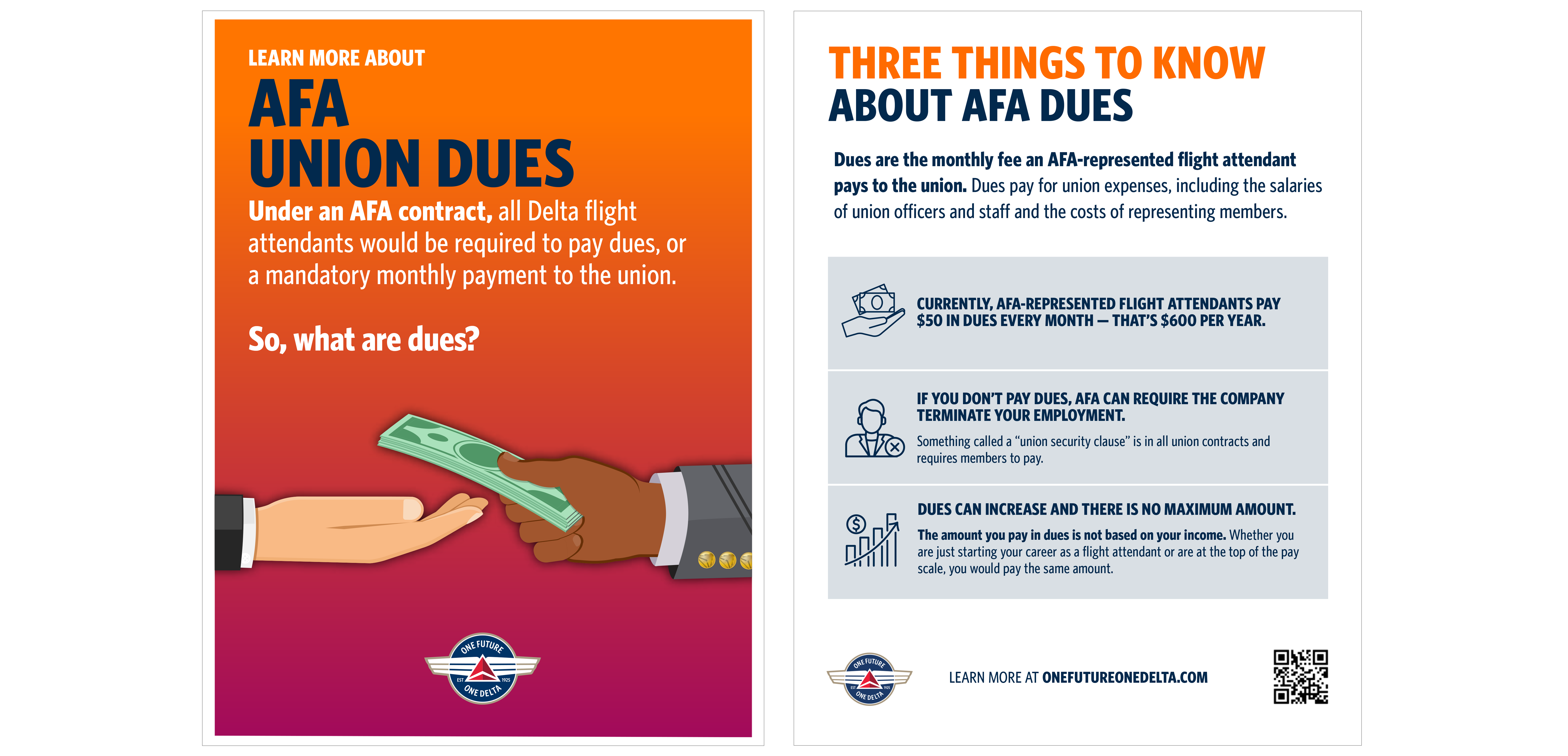
It’s important to note that while unions can request termination, they typically provide ample warning and opportunities for members to rectify their arrears before taking such a drastic step. This might include multiple notices, phone calls, and even payment plan offers. However, if these warnings are ignored, the union is legally empowered to pursue termination under a valid union security clause.
“Right-to-Work” States: Reduced Direct Employment Risk, but Other Financial Costs
In “right-to-work” states, employees cannot be required to join a union or pay full union dues as a condition of employment, even if a union represents their workplace. In these states, an employer cannot terminate an employee solely for non-payment of union dues.
However, “right-to-work” does not mean “free rider” without consequence. While you cannot be fired, you may still face significant financial and professional drawbacks:
- Loss of Benefits and Representation: While you maintain your job, you would still be considered not in good standing with the union. This typically means you lose access to all the union’s financially valuable services and benefits mentioned earlier (legal representation, training, health funds, strike pay).
- Fair Share vs. Full Dues: In some right-to-work states, while you don’t have to be a full union member, you might still be required to pay “fair share” fees (also known as agency fees) if you are part of a bargaining unit represented by a union. These fees cover the costs of collective bargaining, contract administration, and grievance processing – services from which you benefit financially. Refusal to pay these fair share fees can still lead to employment termination in some cases, particularly in the public sector. The legal landscape around fair share fees is complex and has evolved with landmark Supreme Court cases (e.g., Janus v. AFSCME for public sector unions). For private sector unions, the situation is different, and understanding your specific state’s laws is crucial.
- Reputational Damage: While not directly financial, being known as a non-payer can strain relationships with colleagues and impact professional networks, which can indirectly affect future career and financial opportunities.
Navigating the Path Back: Resolving Delinquency
If you find yourself behind on union dues, proactive steps can often mitigate the most severe financial and employment consequences. Ignoring the issue is almost always the most detrimental approach.
Communication and Negotiation
The first step is to contact your union local immediately. Explain your situation, whether it’s financial hardship, an oversight, or a misunderstanding. Many unions are willing to work with members facing temporary financial difficulties. They may offer:
- Payment Plans: Spreading out the owed amount over several months can make the debt manageable. This helps avoid a lump-sum payment and prevents further accumulation of late fees.
- Temporary Suspension of Dues: In extreme cases of hardship (e.g., illness, layoff), a union might temporarily waive dues or reduce the amount for a period, though this is rare and usually requires significant documentation.
- Reinstatement Programs: Unions often have formal procedures for members to regain good standing, which may involve paying back dues, penalties, and a reinstatement fee. Understanding these costs upfront is crucial for financial planning.
Understanding Reinstatement Costs
Regaining good standing is almost always more expensive than simply paying dues on time. Reinstatement typically involves:
- Back Dues: Paying all outstanding dues for the period of delinquency.
- Late Fees and Penalties: Any accumulated charges.
- Reinstatement Fees: A one-time fee to cover administrative costs of processing your return to good standing.
- Loss of Seniority (in some cases): While not a direct fee, some unions or CBAs might link seniority to continuous good standing, meaning a period of delinquency could set back your position for promotions, preferred shifts, or layoff protection, all of which have long-term financial implications.
The financial outlay to get back in good standing can be substantial, emphasizing the importance of addressing dues payments promptly.
Long-Term Financial and Professional Ramifications
Beyond immediate job loss or loss of benefits, failing to pay union dues can cast a long shadow over one’s financial and professional future.
Impact on Future Employment in Unionized Sectors
If you were terminated from a unionized job for non-payment of dues, or if you left a union in poor standing, this information might be accessible to other unions. Seeking employment in another unionized workplace could be challenging, as unions often prioritize members in good standing or those with a clean record. This effectively limits your access to job markets that often offer higher wages, better benefits, and stronger worker protections.
Retirement and Pension Implications
For some union-sponsored pension plans, contributions or eligibility might be linked to continuous union membership in good standing. A lapse in dues payment could potentially affect your vestment period, the calculation of your benefits, or even your overall eligibility, leading to a significant shortfall in retirement income. This long-term financial impact can be one of the most severe, compromising years of planning.
Legal and Credit Implications
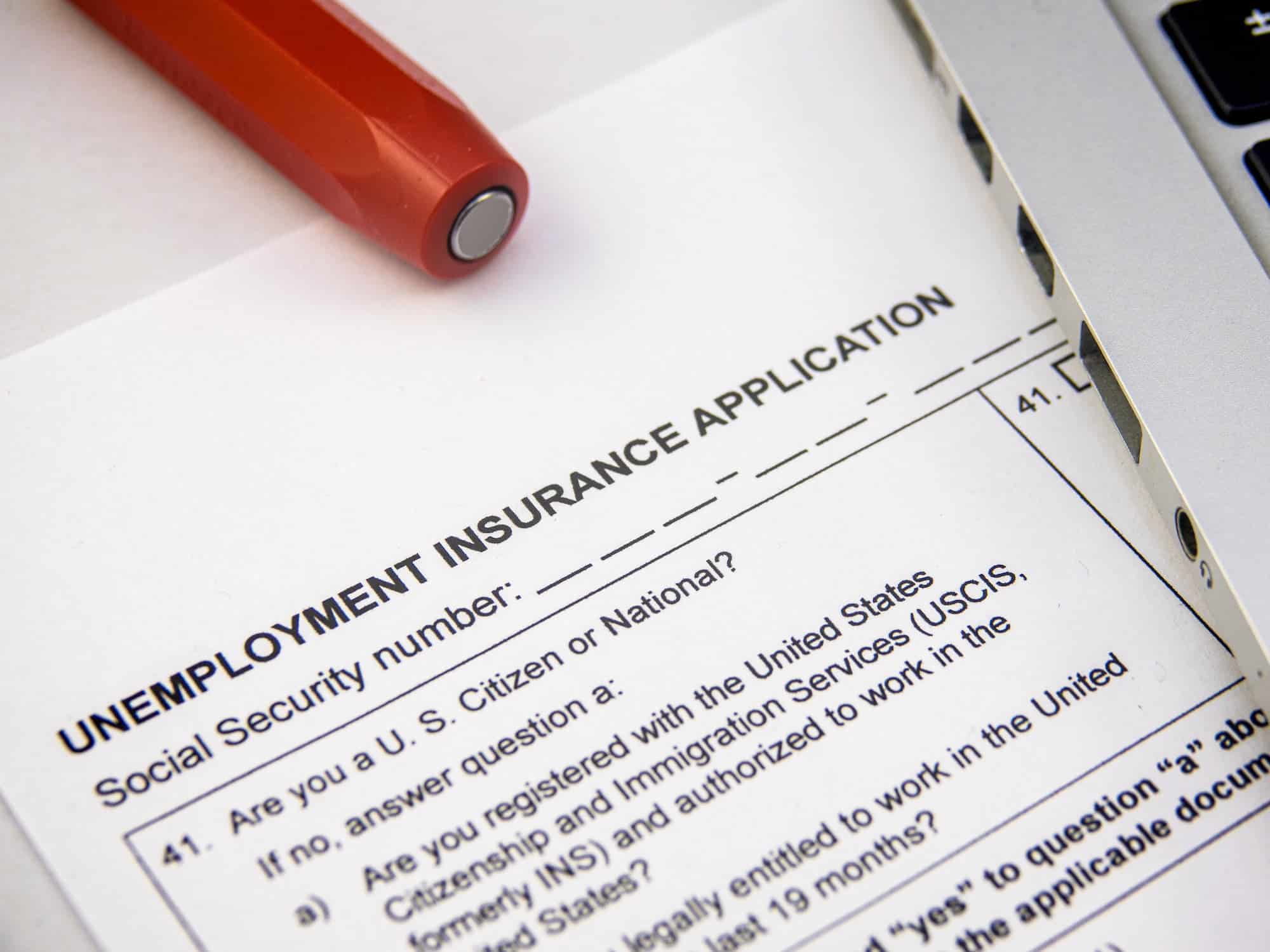
While less common for simple dues delinquency, a union could, in theory, pursue legal action to recover substantial unpaid dues, especially if they are tied to contractually obligated fair share fees. This could lead to court judgments, wage garnishments, and severe damage to your credit report, making it difficult to secure loans, housing, or even certain types of employment in the future.
In conclusion, paying union dues is a fundamental obligation of membership, with implications far beyond a simple transaction. While the specifics vary, the potential financial consequences of non-payment — ranging from loss of valuable benefits and representation to job termination, accumulating debt, and long-term career setbacks — underscore the critical importance of understanding and fulfilling this responsibility. Proactive communication and financial planning are essential to avoid these severe pitfalls and maintain the significant financial and professional advantages that union membership can provide.
aViewFromTheCave is a participant in the Amazon Services LLC Associates Program, an affiliate advertising program designed to provide a means for sites to earn advertising fees by advertising and linking to Amazon.com. Amazon, the Amazon logo, AmazonSupply, and the AmazonSupply logo are trademarks of Amazon.com, Inc. or its affiliates. As an Amazon Associate we earn affiliate commissions from qualifying purchases.