
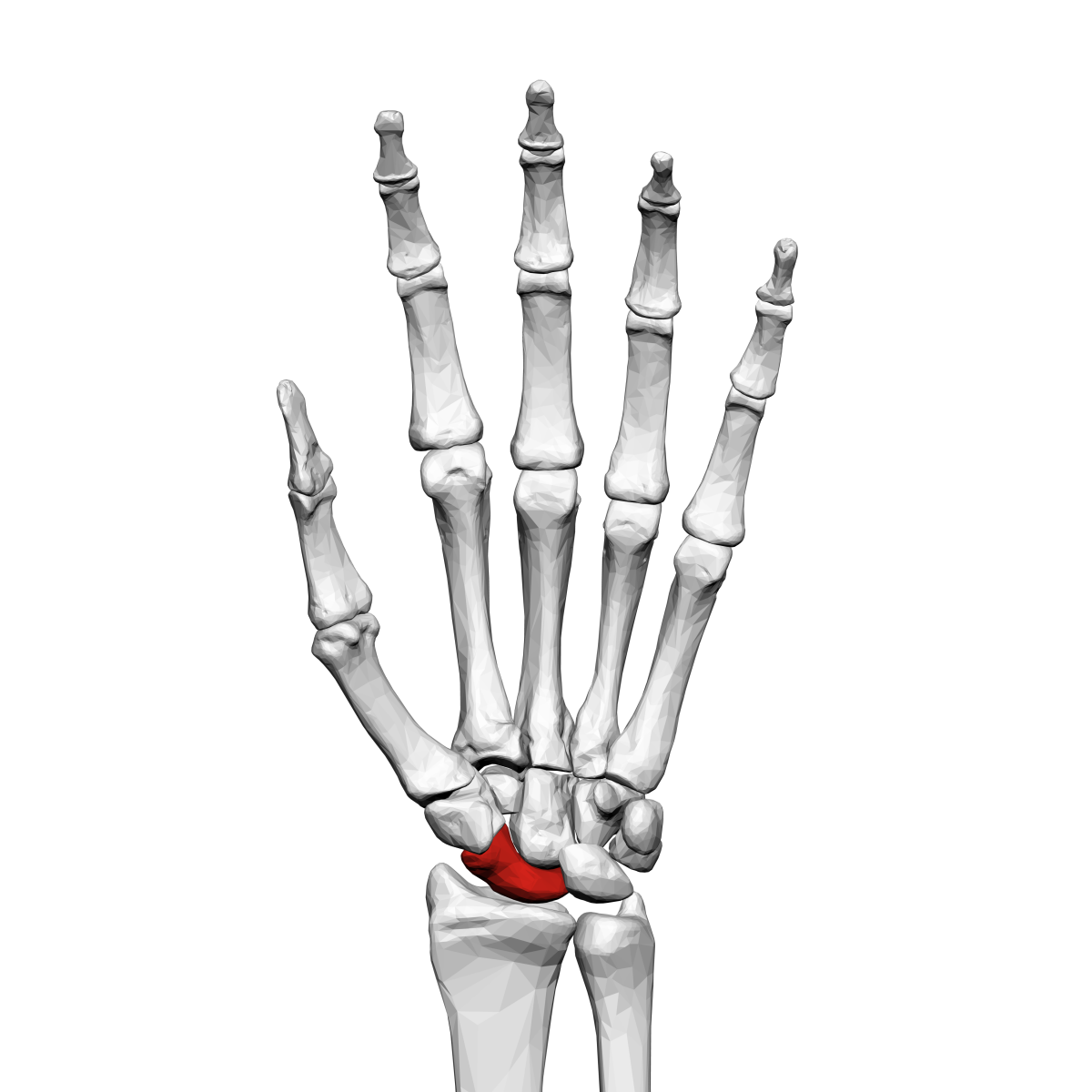
A scaphoid fracture, a common wrist injury often sustained during a fall onto an outstretched hand, might seem like a straightforward medical issue. However, when left untreated or improperly managed, its ramifications extend far beyond mere physical discomfort, manifesting as significant and often escalating financial burdens. From immediate diagnostic costs to long-term career impacts and hidden financial drains, understanding the economic consequences of an untreated scaphoid fracture is crucial for comprehensive financial planning and risk management. This exploration delves into the various monetary costs associated with neglecting this specific injury, underscoring the importance of prompt and effective intervention not just for health, but for wealth.

The Immediate Financial Burden: Diagnostic Delays and Escalating Treatment Costs
The initial phase following a scaphoid injury often involves a critical period where financial decisions regarding diagnosis and early treatment are made. Neglecting symptoms or delaying medical consultation can quickly turn a manageable situation into a complex and costly ordeal.
Initial Misdiagnosis and the Price of Uncertainty
Many scaphoid fractures are initially mistaken for a simple sprain or wrist contusion, especially if initial X-rays are inconclusive. The financial cost of this misdiagnosis can be substantial. Patients might spend money on over-the-counter pain relievers, ineffective splints, or repeated, low-resolution imaging that fails to identify the fracture. Each subsequent visit to a different physician or specialist, involving more advanced imaging like MRI or CT scans—which are considerably more expensive than standard X-rays—adds to the out-of-pocket expenses. These diagnostic delays don’t just prolong suffering; they inflate the cumulative bill for identification, drawing out the period before definitive treatment can even begin. An accurate diagnosis from the outset, even if it involves a slightly higher initial imaging cost, often proves to be the more financially prudent path in the long run.
The True Cost of Conservative Management vs. Surgical Intervention
Early, properly diagnosed scaphoid fractures often respond well to conservative treatment, primarily cast immobilization. The financial outlay for this typically includes physician visits, casting materials, and follow-up X-rays. While still a cost, it pales in comparison to the financial implications of a neglected fracture. When a scaphoid fracture goes untreated, particularly if it involves displacement or non-union (where the bone fails to heal), surgical intervention becomes almost inevitable. Surgery involves a host of expenses: surgeon fees, anesthesiologist fees, operating room charges, pre-operative tests, post-operative medication, and extensive physical therapy.
The cost differential between a simple cast and surgery can be thousands, if not tens of thousands, of dollars, even with health insurance. Furthermore, failed conservative management due to delayed diagnosis can lead to two sets of treatment costs: initial attempts at casting followed by the eventual need for surgery, essentially paying twice for a single injury. The decision to delay or forgo initial professional assessment, therefore, carries a significant financial penalty.
Long-Term Economic Fallout: Lost Income and Career Impact
Beyond the direct medical bills, the most profound financial repercussions of an untreated scaphoid fracture often emerge in the form of lost income, diminished earning capacity, and the necessity for costly vocational changes. This long-term economic fallout can significantly impact an individual’s financial stability and career trajectory.
Impact on Earning Potential and Productivity
An untreated scaphoid fracture can lead to chronic wrist pain, stiffness, weakness, and severely limited range of motion. For individuals whose livelihoods depend on manual dexterity, strength, or repetitive hand movements – a vast cross-section of the workforce from skilled tradespeople and manual laborers to artists and office workers – this can be devastating. Extended periods of inability to work due to pain or required treatment translate directly into lost wages. Even if a return to work is possible, reduced productivity, slower task completion, or the need for frequent breaks can lead to decreased output, potentially affecting performance bonuses, promotion prospects, or even job security. Over a career, these cumulative income losses can amount to hundreds of thousands of dollars.
Vocational Rehabilitation and Retraining Costs
In severe cases where the untreated fracture results in permanent disability or significant functional impairment, individuals may be unable to return to their previous profession. This necessitates a career change, which itself comes with substantial financial burdens. Vocational rehabilitation services, while often covered by workers’ compensation or disability insurance (if applicable), may only partially mitigate the costs. The individual might incur expenses for new educational programs, certifications, or specialized training to acquire skills for a less physically demanding role. These retraining costs, coupled with the income gap experienced during the transition period, represent a significant financial hit. Furthermore, new careers may offer lower starting salaries or fewer benefits than their previous, higher-skilled roles, leading to a permanent reduction in lifetime earning potential.
Disability Claims and Their Financial Nuances
Navigating the world of disability claims, whether short-term or long-term, is another financial maze. While disability insurance can provide a safety net, understanding its nuances and limitations is crucial. Many policies have waiting periods before benefits kick in, and the benefit amount is often only a percentage of previous earnings, rarely 100%. The process of applying for and securing disability benefits can be complex, often requiring extensive medical documentation and potentially legal assistance, adding further costs. For individuals without adequate disability insurance, an untreated scaphoid fracture can lead to complete loss of income with little to no financial recourse, pushing them into severe economic hardship. Even with benefits, the financial adjustment to a reduced income can be challenging, requiring a complete overhaul of personal budgets and spending habits.
Navigating Healthcare Costs: Insurance, Out-of-Pocket Expenses, and Financial Planning
The labyrinthine nature of the healthcare system often means that even with insurance, the financial impact of a prolonged or complicated medical issue like an untreated scaphoid fracture can be daunting. Proactive financial planning and astute management of healthcare expenses become paramount.
Understanding Insurance Coverage and Gaps
While health insurance is designed to cushion the blow of medical costs, it rarely covers everything. Policyholders must contend with deductibles, co-pays, co-insurance, and annual out-of-pocket maximums. For an untreated scaphoid fracture requiring extensive follow-up, multiple imaging studies, potential surgeries, and prolonged physical therapy, reaching and exceeding these out-of-pocket maximums is highly probable. Furthermore, specific treatments, especially experimental ones or those deemed “not medically necessary” by an insurer for a chronic condition, might not be covered at all. Some plans may have limitations on therapy sessions or specific types of surgical procedures, leaving patients to bear the full cost. Understanding these potential gaps before a catastrophic event is critical for financial preparedness.
Strategies for Managing Medical Debt
When medical bills pile up, managing the resulting debt becomes a significant financial challenge. Untreated scaphoid fractures, leading to chronic issues, often result in ongoing medical expenses that can quickly accrue large balances. Strategies for managing this debt include negotiating with providers for reduced cash prices, setting up interest-free payment plans, or exploring options for patient assistance programs offered by hospitals or pharmaceutical companies. However, relying solely on these reactive measures can be stressful and may not always fully resolve the financial strain. Failing to manage medical debt can impact credit scores, making it harder to secure loans, mortgages, or even certain jobs in the future.
The Role of Health Savings Accounts (HSAs) and Flexible Spending Accounts (FSAs)
For those with high-deductible health plans, Health Savings Accounts (HSAs) offer a tax-advantaged way to save for future medical expenses. Contributions are tax-deductible, funds grow tax-free, and withdrawals for qualified medical expenses are also tax-free. An untreated scaphoid fracture, leading to extensive medical needs, highlights the profound financial benefit of having a robust HSA. Similarly, Flexible Spending Accounts (FSAs) allow individuals to set aside pre-tax dollars for healthcare costs within a plan year, though they typically have a “use it or lose it” rule. Utilizing these accounts proactively can significantly mitigate the out-of-pocket financial strain caused by chronic or complex medical conditions, turning potential debt into managed expenditures.
The Hidden Costs: Quality of Life, Legal Implications, and Future Financial Security
Beyond the quantifiable costs of treatment and lost income, an untreated scaphoid fracture carries several less obvious but equally significant financial implications that can erode long-term financial security and quality of life.
Pain Management and Ancillary Services
Chronic pain stemming from an untreated scaphoid fracture can necessitate ongoing pain management, which itself is a significant financial commitment. This can include regular physician visits, prescription medications (some of which can be expensive and not fully covered by insurance), injections, alternative therapies like acupuncture or chiropractic care, and specialized physical therapy. These ancillary services, while crucial for maintaining a semblance of quality of life, contribute to a continuous drain on financial resources over months or even years. The psychological toll of chronic pain can also lead to mental health expenses, such as therapy or counseling, further expanding the financial footprint of the untreated injury.
Legal Recourse and Compensation for Negligence
In some instances, an untreated scaphoid fracture might stem from medical negligence or a workplace injury where liability could be assigned. Pursuing legal recourse, while potentially offering financial compensation, is often a costly and lengthy process. Legal fees, expert witness testimony, court costs, and the time commitment involved can be substantial, requiring significant upfront investment with no guaranteed outcome. While a successful lawsuit could result in compensation for medical expenses, lost wages, and pain and suffering, the financial and emotional burden of litigation itself is considerable. Understanding the financial implications of such legal battles is critical before embarking on them.

Estate Planning and Long-Term Care Considerations
The most far-reaching financial consequence of a debilitating, untreated scaphoid fracture can impact long-term financial and estate planning. If the injury leads to severe permanent disability, it can influence decisions regarding long-term care, potential modifications to living spaces, or the need for ongoing home healthcare. These expenses can be astronomical, potentially depleting savings intended for retirement or inheritance. Consequently, individuals may need to re-evaluate their insurance portfolios, consider long-term care insurance, or adjust their wills and trusts to account for a future characterized by significant medical and care-related expenses. The proactive management of a scaphoid fracture, therefore, becomes not just a medical imperative, but a cornerstone of comprehensive financial legacy planning.
aViewFromTheCave is a participant in the Amazon Services LLC Associates Program, an affiliate advertising program designed to provide a means for sites to earn advertising fees by advertising and linking to Amazon.com. Amazon, the Amazon logo, AmazonSupply, and the AmazonSupply logo are trademarks of Amazon.com, Inc. or its affiliates. As an Amazon Associate we earn affiliate commissions from qualifying purchases.