
The question “what fps is subsonic?” delves into a fascinating intersection of physics, engineering, and practical application. While “fps” commonly refers to “frames per second” in video and gaming, in the context of “subsonic,” it almost invariably means “feet per second” – a critical measurement of velocity for projectiles, aircraft, and other moving objects relative to the speed of sound. Understanding this relationship is fundamental to fields ranging from ballistics and aeronautics to sound engineering and defense technology.
The Fundamental Relationship: Velocity and the Speed of Sound
At its core, “subsonic” describes any speed that is less than the speed of sound. The speed of sound itself is not a fixed constant; it varies based on the medium through which it travels and, significantly, the temperature of that medium.
Defining Subsonic Velocity
The speed of sound, often denoted as Mach 1, is approximately 1,125 feet per second (fps) at sea level under standard atmospheric conditions (around 59°F or 15°C). This figure can fluctuate; for instance, at higher altitudes or colder temperatures, sound travels slower. For practical purposes in ballistics, the 1,125 fps mark serves as a robust general guideline for the threshold between subsonic and supersonic.
A projectile or object moving at “subsonic” velocity, therefore, is traveling at less than Mach 1. This means its speed in feet per second is less than the ambient speed of sound. Conversely, objects moving faster than Mach 1 are supersonic, and those operating right around Mach 1 are in the transonic region—a particularly challenging domain for aerodynamic stability and design due to complex shockwave formation.
Why the Speed of Sound Matters
The speed of sound is not just an arbitrary number; it represents the speed at which pressure waves propagate through a medium. When an object moves through the air, it creates pressure waves. If the object moves slower than these waves, the waves can propagate ahead of the object, effectively “warning” the air of the object’s approach. This allows the air to move smoothly around the object, resulting in relatively stable airflow.
However, when an object exceeds the speed of sound, it outruns its own pressure waves. These waves coalesce into a single, powerful shockwave known as a sonic boom. For projectiles, this manifests as a distinct “crack” sound that accompanies the bullet’s flight, often louder than the muzzle report of the firearm itself. This sonic crack is a key factor in understanding why subsonic velocities are sought after in specific applications.
Applications in Ballistics: From Quieter Shooting to Precision
In the realm of firearms and ammunition, the concept of subsonic velocity takes center stage, particularly for enthusiasts and professionals seeking reduced noise signatures and enhanced shooting experiences.
Subsonic Ammunition: The Quiet Advantage
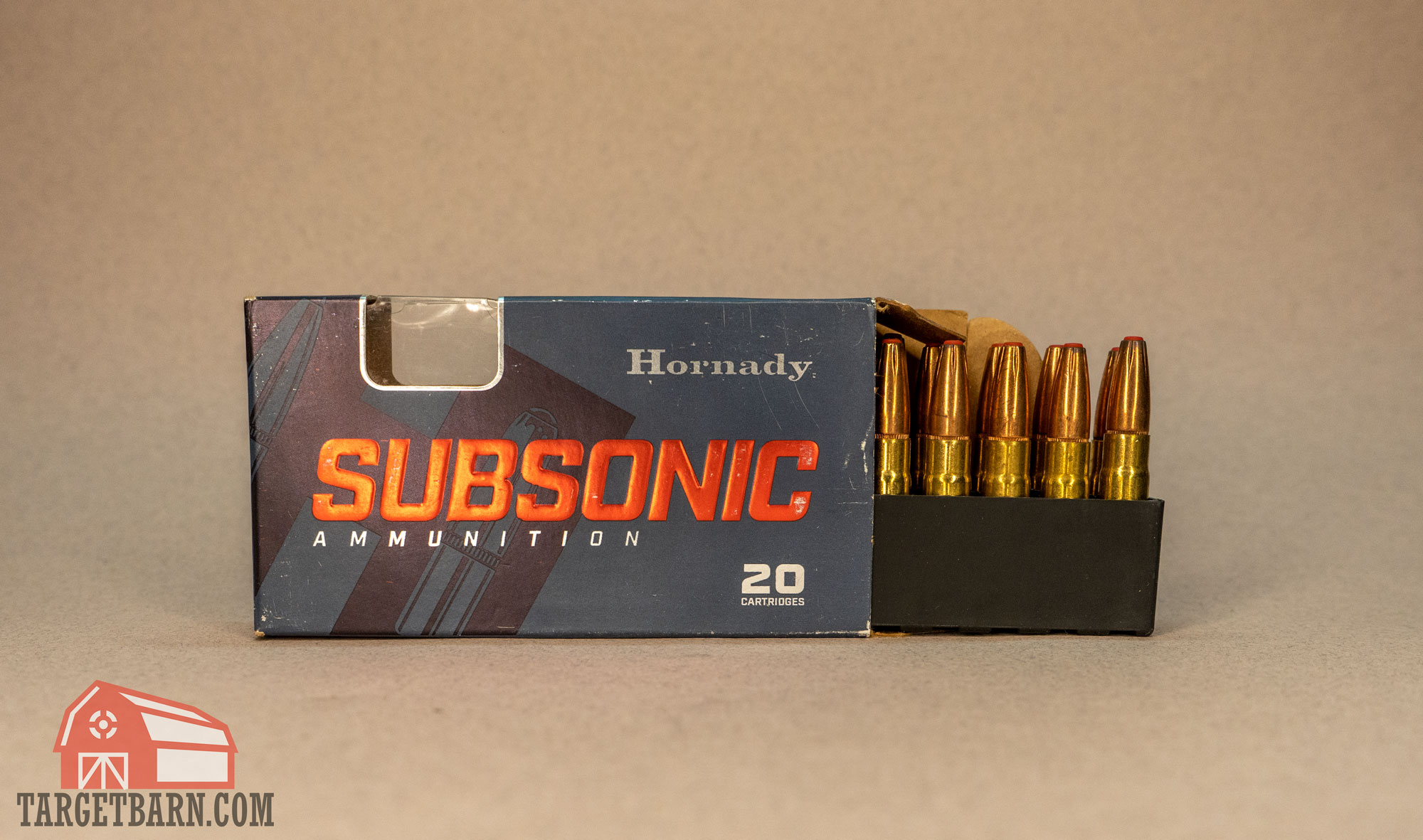
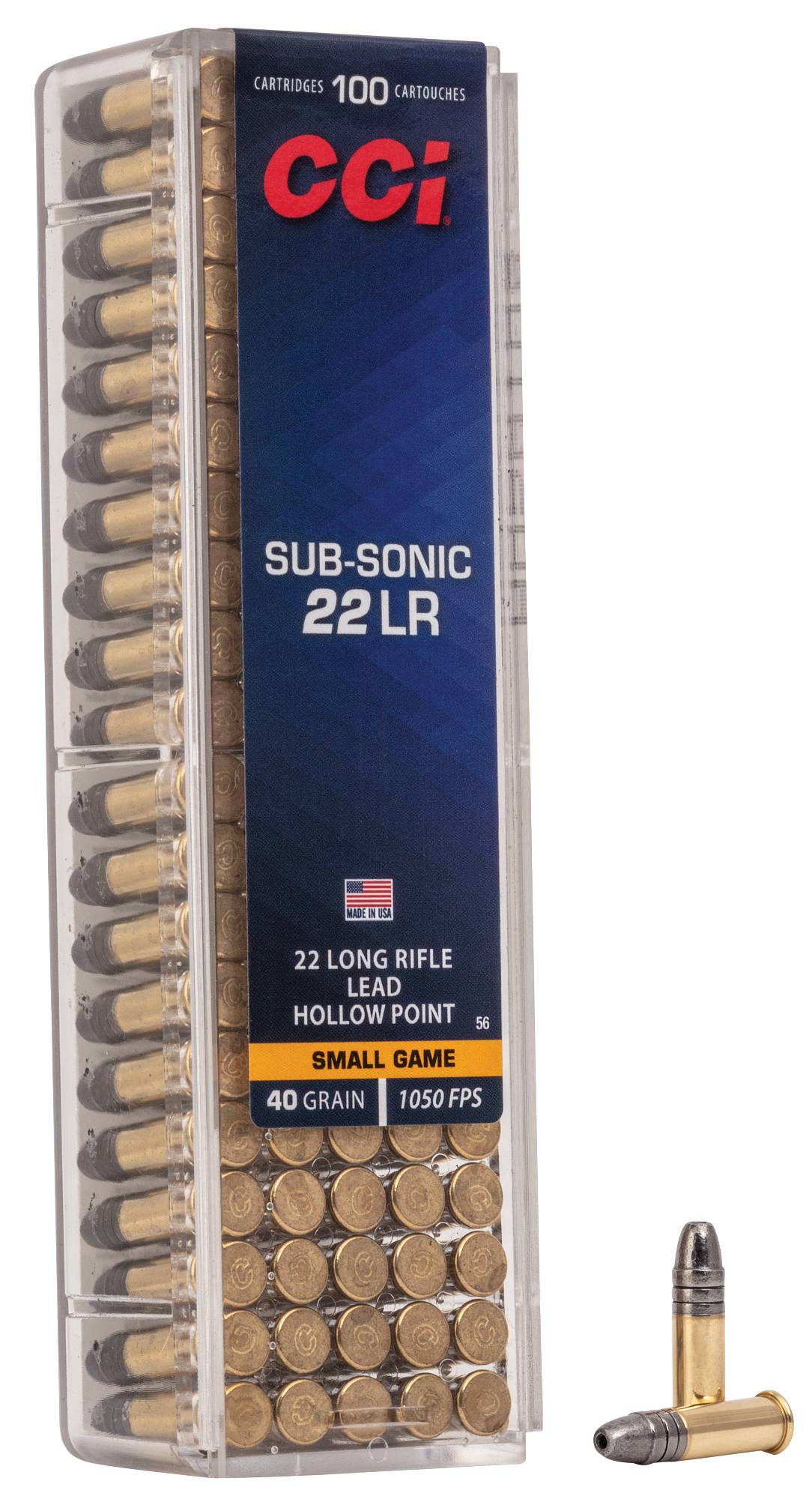
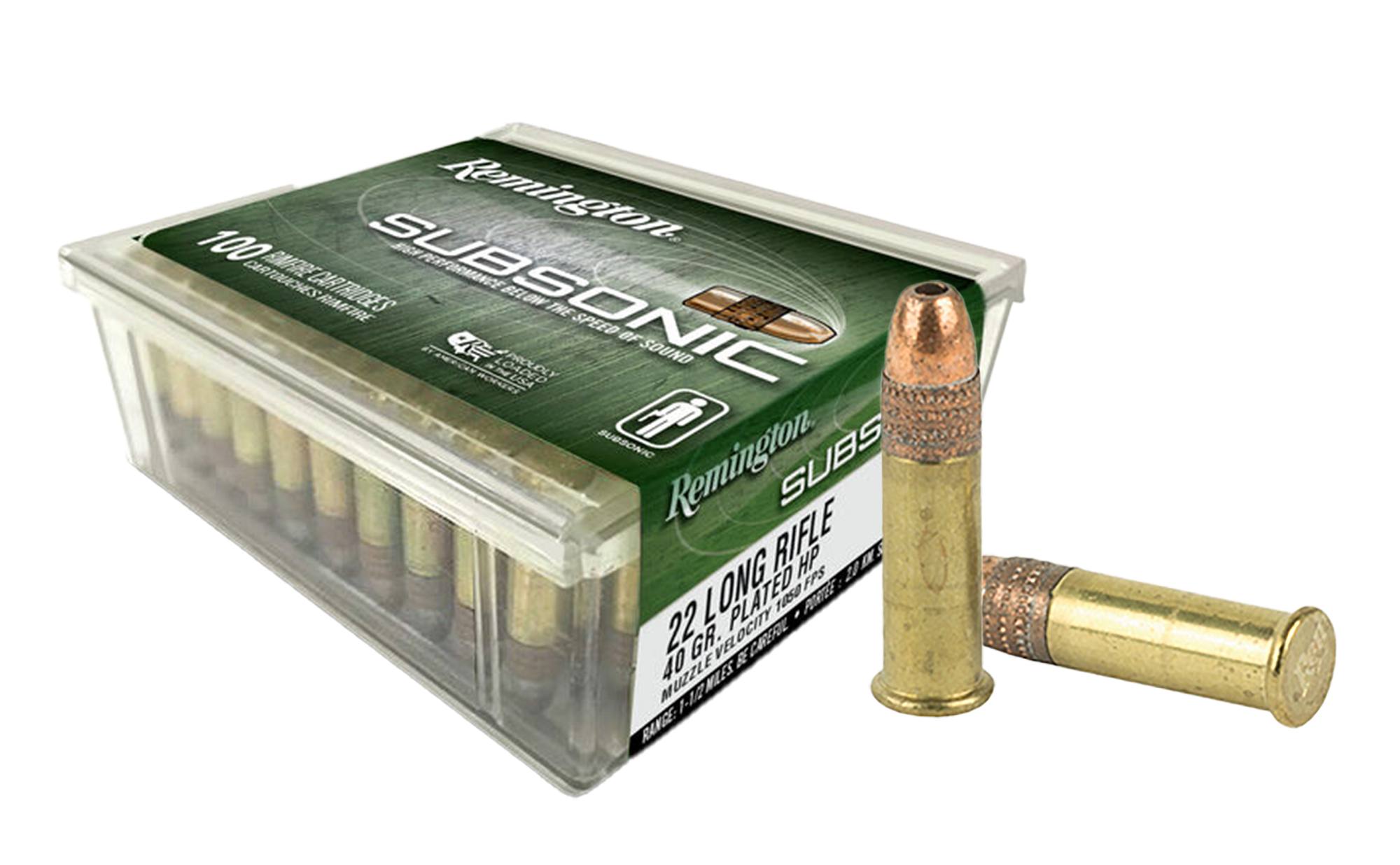
Subsonic ammunition is purpose-designed to keep the projectile’s velocity below the speed of sound, typically ranging from 900 to 1,080 fps, depending on the caliber and atmospheric conditions. The primary benefit of using subsonic ammunition, especially in conjunction with a sound suppressor (often mislabeled as a silencer), is the elimination of the sonic crack. This drastically reduces the overall noise level of a gunshot, making for a much quieter shooting experience.
Without the sonic crack, the only significant sound remaining is the muzzle report (the gases exiting the barrel) and the mechanical action of the firearm. A high-quality suppressor effectively mitigates the muzzle report, leaving only the “thud” of the bullet impacting the target and the relatively minor mechanical sounds of the action. This quiet operation is invaluable for recreational shooting (protecting hearing, being neighbor-friendly), hunting (minimizing disturbance to game and surrounding areas), and tactical applications (reducing signature for covert operations).
However, achieving subsonic velocity often necessitates a heavier bullet for a given caliber to maintain sufficient kinetic energy for effective terminal performance. This can influence bullet trajectory, leading to more pronounced bullet drop over distance compared to lighter, faster supersonic rounds. Shooters must compensate for this altered ballistic curve when engaging targets at varying ranges.
Supersonic vs. Subsonic Ballistics
The choice between supersonic and subsonic ammunition involves trade-offs in trajectory, energy, and terminal performance.
- Supersonic rounds (e.g., standard 5.56x45mm NATO, most hunting rifle cartridges) typically offer flatter trajectories, higher kinetic energy, and often greater effective range due to their speed. However, they always produce a sonic crack, making them louder even with a suppressor. The stability of a supersonic bullet can also be affected as it transitions through the transonic zone (Mach 1.2 to Mach 0.8), potentially leading to decreased accuracy at extended ranges where it slows down.
- Subsonic rounds excel in sound suppression and can offer excellent accuracy, particularly within their intended engagement ranges. The absence of the transonic phase can lead to more predictable flight characteristics. However, their lower velocity means they typically have less kinetic energy, which might impact terminal ballistics (e.g., bullet expansion, penetration) and require careful bullet selection and design (e.g., expanding hollow points designed to work at lower velocities). Common calibers for subsonic applications include .300 Blackout, 9mm, .45 ACP, and .22LR, each with specific bullet weights optimized for subsonic performance.
Beyond Ballistics: Subsonic Concepts in Broader Technology
While ballistics provides a clear illustration, the principles of subsonic velocity extend into numerous other technological domains, shaping design and performance across different industries.
Aeronautical Engineering and Fluid Dynamics
In aviation, the vast majority of commercial aircraft operate within the subsonic speed regime. Aeronautical engineers meticulously design wing shapes, fuselage contours, and engine nacelles to optimize efficiency and minimize drag at subsonic speeds. The goal is to ensure smooth airflow over the aircraft, preventing the formation of shockwaves that would increase drag, reduce lift, and consume more fuel. Understanding fluid dynamics at subsonic velocities is crucial for designing stable, controllable, and economically viable aircraft. Concepts like laminar flow control, winglets, and high-bypass turbofan engines are all optimized for subsonic flight.
Acoustics and Sound Suppression Technologies
The study of how sound propagates, reflects, and is absorbed is intrinsically linked to subsonic principles. Acoustic engineers utilize their understanding of sound waves, which are inherently subsonic pressure waves, to design environments that mitigate noise. This includes everything from concert hall acoustics to noise-canceling headphones and architectural soundproofing. Materials with specific sound absorption coefficients are developed based on how they interact with subsonic sound waves. The design of active noise cancellation systems relies on generating inverse sound waves to cancel out unwanted ambient noise, operating entirely within the subsonic frequency spectrum audible to humans.
Measuring and Managing Subsonic Performance
Accurate measurement and sophisticated engineering are critical to harnessing the benefits of subsonic speeds.
Chronographs and Velocity Measurement
For shooters and ammunition manufacturers, precise measurement of bullet velocity is paramount. Chronographs, electronic devices that measure a projectile’s speed, are essential tools. These devices typically use optical sensors to detect the bullet passing two points a known distance apart, calculating its speed in feet per second. More advanced radar chronographs can track bullet velocity continuously. This data allows for the fine-tuning of ammunition loads, ensuring they stay reliably below the sonic barrier, and for developing accurate ballistic tables that account for bullet drop at subsonic velocities. This precision is vital for competitive shooting, hunting, and tactical applications where consistent performance is key.
Technological Advancements in Sound Reduction
The quest for quieter operation has driven significant innovation in sound reduction technologies. For firearms, suppressors have evolved from simple expansion chambers to complex multi-baffle designs, often incorporating advanced materials like titanium and Inconel. These designs maximize the cooling and disruption of hot propellant gases, slowing them down to below the speed of sound and reducing their pressure before they exit the device.
Beyond firearms, active and passive noise cancellation technologies continue to advance. From sophisticated automotive cabin noise reduction systems that use accelerometers and speakers to cancel out road noise, to advanced acoustic panels and composites used in construction and machinery, the focus is on managing and controlling subsonic sound waves for improved comfort, safety, and operational efficiency.
The Future of Subsonic Technology
The drive for greater efficiency, stealth, and reduced environmental impact ensures that subsonic technology will continue to evolve across multiple sectors.
Innovations in Ammunition Design
The future of subsonic ammunition points towards even greater sophistication. Researchers are exploring new bullet designs that offer superior terminal performance at lower velocities, perhaps through more advanced expanding mechanisms or novel material compositions. Enhanced aerodynamic stability for heavier, slower projectiles, and propellants specifically optimized for quiet, efficient subsonic operation, are also areas of ongoing development. The goal is to minimize the compromises traditionally associated with subsonic rounds, making them more versatile and effective for a wider range of applications.
Quiet Technology Integration
From defense applications requiring stealthier operations to urban planning focused on mitigating noise pollution, the integration of quiet technologies will become increasingly sophisticated. This includes quiet propulsion systems for drones and electric vehicles, advanced acoustic cloaking techniques, and intelligent soundscapes that adapt to ambient noise levels. Understanding and manipulating subsonic velocities and sound propagation will remain a critical aspect of creating a more efficient, less intrusive, and technologically advanced world.
In summary, “what fps is subsonic?” is a question that opens the door to understanding a fundamental principle governing how objects interact with their environment at speeds below the speed of sound. From the precise crafting of quiet ammunition to the aerodynamic design of commercial aircraft, the mastery of subsonic principles is a cornerstone of modern technological advancement.
aViewFromTheCave is a participant in the Amazon Services LLC Associates Program, an affiliate advertising program designed to provide a means for sites to earn advertising fees by advertising and linking to Amazon.com. Amazon, the Amazon logo, AmazonSupply, and the AmazonSupply logo are trademarks of Amazon.com, Inc. or its affiliates. As an Amazon Associate we earn affiliate commissions from qualifying purchases.