
Ensuring your treasured earrings remain securely in place is a common concern for wearers. The engineering and design behind earring backs are often overlooked, yet they are critical components in preventing loss and discomfort. From sophisticated locking mechanisms to friction-based systems, understanding the technology of earring retention is key to making informed choices. This exploration delves into the various designs, their inherent strengths, and how their materials and application contribute to their staying power, akin to evaluating the reliability of miniature wearable tech.
The Engineering Behind Earring Security
The primary function of an earring back is to counteract gravity and motion, keeping the earring post firmly anchored to the earlobe. This seemingly simple task relies on a variety of mechanical principles, from friction to intricate locking systems. Each design represents a different approach to achieving optimal security, much like various fastening technologies in other small devices.

Friction-Fit Wonders: Push Backs and Butterfly Clasps
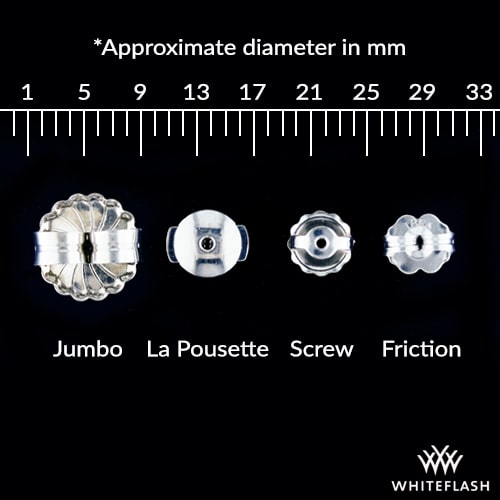
The most ubiquitous earring back is the “push back” or “butterfly clasp.” These operate on a simple friction-fit principle. Two flat pieces of metal, often resembling a butterfly’s wings, are typically soldered to a cylindrical tube that slides onto the earring post. The tension created by the slight inward curve of these ‘wings’ against the post’s shaft provides the necessary grip.
Pros: Widely available, cost-effective, easy to use.
Cons: The tension can weaken over time, especially with frequent use or if made from softer metals. They are susceptible to slipping off with vigorous movement or snagging. For heavier earrings, their friction-based hold might be insufficient, leading to drooping or loss. The slight indentations or grooves on some earring posts are designed to enhance this friction, providing specific points for the butterfly back to “lock” into, but this system remains primarily dependent on the material’s elasticity and initial tension.
Screw-On Precision: The Threaded Advantage
For maximum security in smaller, often high-value earrings like studs, screw-on backs are a superior choice. These feature a threaded interior that matches a corresponding threaded earring post. To secure the earring, the back is twisted onto the post until it is snug against the earlobe.
Pros: Exceptionally secure; virtually impossible for the earring to fall off accidentally. They prevent the earring from drooping, making them ideal for heavier studs or those with intricate designs. This system is akin to a precision-engineered fastening, offering robust mechanical locking.
Cons: Slower to put on and take off. Requires a specific threaded post, meaning they are not interchangeable with standard posts. Small parts can be fiddly. Misthreading can damage the post or back.
Lever-Back and Latch-Back Systems: Enclosed Security
Lever-back and latch-back designs are commonly found on dangle earrings or hoops. Instead of a separate piece, the securing mechanism is integrated into the earring itself. A hinged lever or wire swings up and clicks into a notch or loop on the main earring body, creating a fully enclosed loop around the earlobe.
Pros: High security due to the complete enclosure. Comfortable and less likely to snag on hair or clothing than exposed posts. Offers a sleek, finished look.
Cons: Not suitable for stud earrings. Repairing a broken hinge can be more complex than replacing a lost back. The locking mechanism, if not well-engineered, can loosen over time.
The Advanced Grips: La Pousette and Alpha Backs
Moving beyond the basics, some backs incorporate more advanced locking mechanisms, offering a blend of ease of use and enhanced security.
La Pousette Backs (Friction/Locking Hybrid): These backs resemble standard push backs but include a small, internal spring-loaded mechanism activated by two small tabs. Squeezing the tabs allows the back to slide freely onto or off the post. Releasing them locks the back firmly in place, often engaging with a groove on the post.
Pros: Offers significantly more security than a standard push back without the time commitment of a screw back. Easy to manipulate.
Cons: More complex and costly to manufacture. Can wear out if the spring mechanism fails.
Alpha Backs (Disk Locking System): Alpha backs are large, flat disks, often made of silicone or plastic around a metal core, designed to distribute the weight of heavier earrings and provide a wider surface area for grip. Some variations include a small lever or button that, when pressed, releases the back from the post, similar to La Pousette but with a different form factor.
Pros: Excellent for supporting heavy earrings, preventing droop and distributing weight comfortably. Provides a very secure hold.
Cons: Can be visually prominent due to their size, making them less suitable for very delicate designs.
Material Science and Staying Power
The choice of material for both the earring post and the back significantly influences its long-term retention capabilities. Just as with advanced gadgets, material properties like hardness, elasticity, and resistance to corrosion play a crucial role in performance and durability.
Hypoallergenic Metals and Their Properties
Many earring backs are made from precious metals like gold, silver, or platinum, or base metals like stainless steel and titanium.
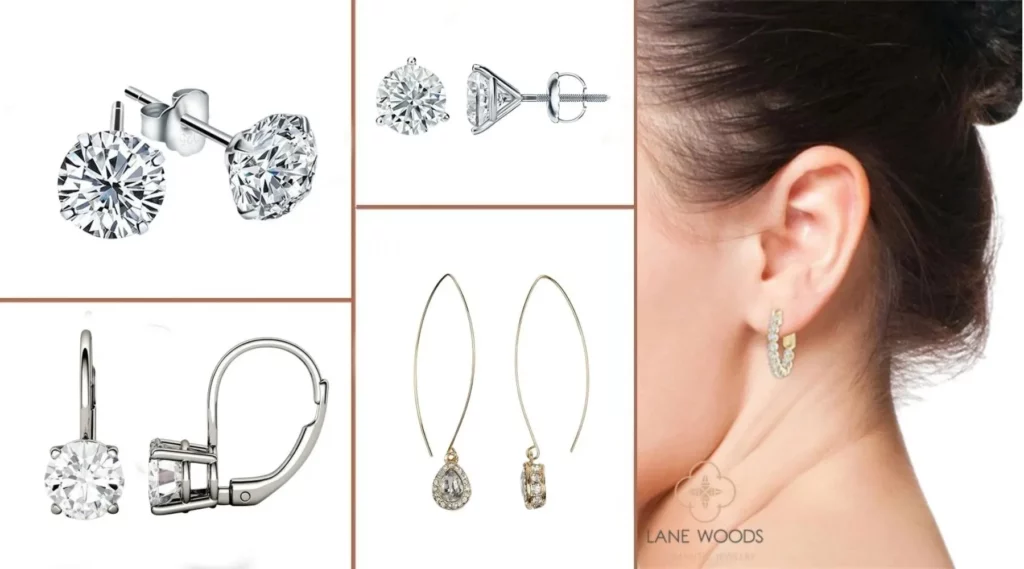
- Gold (14K or 18K) and Platinum: Offer excellent durability and corrosion resistance, ensuring the back maintains its shape and tension over time. They are also hypoallergenic, reducing skin irritation that can lead to fidgeting and accidental dislodgement.
- Sterling Silver: While beautiful, sterling silver is softer than gold or platinum. Friction-fit backs made from silver can lose tension more quickly, requiring periodic adjustments or replacement. It also tarnishes, which can affect smooth operation if not regularly cleaned.
- Stainless Steel and Titanium: These are robust, highly durable, and very hypoallergenic options. Their strength helps them maintain tension in friction backs and withstand wear in screw or lever mechanisms, making them a reliable choice for everyday wear, particularly in more demanding environments.
Silicone and Rubber Components: Enhanced Grip
Some earring backs integrate silicone or rubber components, particularly in conjunction with a metal core (e.g., in some Alpha backs).
- Enhanced Friction: Silicone offers a higher coefficient of friction than metal against metal, providing a better grip on the earring post, even if the metal itself is smooth.
- Comfort and Stability: The soft nature of silicone can also enhance wearer comfort, particularly for those with sensitive ears or for distributing the weight of heavier earrings more evenly, thus reducing the likelihood of discomfort-induced adjustments that could loosen the back.
- Weight Distribution: For heavier earrings, a larger silicone disc back can significantly improve stability by spreading the weight across a broader area of the earlobe, preventing the earring from pulling forward and potentially loosening the back.
Optimizing Earring Retention: A User’s Guide
Beyond the inherent design of the earring back, user practices significantly influence how well an earring stays put. This involves understanding fit, maintenance, and the interaction between the earring and the back—much like optimizing the performance of any small electronic device.
Correct Application and Fit
Proper application is paramount. For push backs, ensure the back is pushed firmly onto the post until it meets the earlobe, without pinching too tightly. For screw backs, twist until snug. An earring back that is too loose will inevitably lead to loss, while one that is too tight can cause discomfort and potential damage to the earlobe. The goal is a secure, yet comfortable, fit that allows the earring to hang naturally without excessive movement. Regularly check the tension of push backs; if they slide on too easily, they may need to be replaced or gently tightened by carefully squeezing the ‘wings’ closer together.
Regular Inspection and Maintenance
Like any finely tuned mechanism, earring backs benefit from regular inspection and maintenance.
- Check for Wear and Tear: Examine backs for signs of metal fatigue, such as cracks in push-back ‘wings’ or loose hinges on lever backs.
- Cleanliness: Accumulation of dirt, skin oils, or cosmetics can interfere with the grip of friction backs or the smooth operation of screw or lever mechanisms. A gentle cleaning with a soft brush and mild soap can restore their functionality.
- Spring Mechanism Integrity: For La Pousette or similar locking backs, test the spring mechanism to ensure it still engages firmly. A failing spring means compromised security.
The Role of Earring Weight and Post Design
The interaction between the earring itself, its post, and the back is critical.
- Weight: Heavier earrings exert more downward force, making them more prone to slipping, especially with standard friction backs. For substantial earrings, opting for screw backs, La Pousette, or large Alpha backs is advisable to distribute weight and provide superior grip.
- Post Length and Thickness: An earring post that is too long leaves excess room for the earring to move, increasing the risk of it snagging and pulling off. Conversely, a post that is too short might not leave enough room for a secure back. The thickness of the post also matters; a very thin post might not provide enough surface area for a friction back to grip effectively, while a post that is too thick may not accommodate certain back designs. Ensure the back chosen is compatible with the post’s dimensions.
Beyond the Back: Comprehensive Earring Security
While the earring back is the primary determinant of security, other factors related to the overall earring design and wearer habits contribute to its staying power. Considering these elements ensures a holistic approach to preventing earring loss, much like assessing a gadget’s overall durability and user experience.
Post Thickness and Length Considerations
An optimally designed earring post is fundamental. A post that is too thin might not provide sufficient friction for a standard push back, allowing it to slide off easily. Conversely, a post that is too thick could be uncomfortable or make it difficult to attach certain backs. Length is equally important; a post that is significantly longer than the earlobe thickness creates extra movement, increasing the likelihood of snagging and accidental removal. Custom or adjustable post lengths, often seen in high-end jewelry, address these nuances, ensuring a snug fit for individual earlobe dimensions.
Adapting to Activity Levels
Your lifestyle and planned activities should heavily influence your choice of earring backs.
- Everyday Wear: For daily activities where sudden movements are minimal, well-maintained push backs or basic screw backs might suffice, especially for lighter earrings.
- Active Lifestyles: If you engage in sports, exercise, or have an active job, high-security options like screw backs, La Pousette, or integrated lever/latch backs are imperative. The jostling and increased risk of snagging during physical activity necessitate a robust locking mechanism.
- Sleep and Relaxation: Many choose to remove earrings before sleeping to prevent discomfort and accidental loss. However, if earrings are worn overnight, backs that are flat and secure, like screw backs, minimize the risk of being pulled off or causing irritation.
Ultimately, the “best” earring back is a combination of design, material, and how it aligns with the earring’s weight, the wearer’s earlobe, and their daily activities. By applying a thoughtful, analytical approach to earring retention, much like evaluating the engineering of any personal accessory, you can significantly enhance the security and enjoyment of your jewelry.
aViewFromTheCave is a participant in the Amazon Services LLC Associates Program, an affiliate advertising program designed to provide a means for sites to earn advertising fees by advertising and linking to Amazon.com. Amazon, the Amazon logo, AmazonSupply, and the AmazonSupply logo are trademarks of Amazon.com, Inc. or its affiliates. As an Amazon Associate we earn affiliate commissions from qualifying purchases.