
California, a global economic powerhouse, stands at the forefront of numerous markets, including those involving substances traditionally labeled as “drugs.” While the term often carries a negative connotation, a closer financial examination reveals a vibrant, multi-billion-dollar ecosystem built around legally regulated substances. From burgeoning cannabis enterprises to long-established alcohol and pharmaceutical industries, understanding what drugs are legal in California is less about consumption and more about dissecting the massive financial implications, investment opportunities, regulatory costs, and revenue generation within the Golden State. For investors, entrepreneurs, and financial analysts, this landscape presents both significant opportunities and complex challenges.
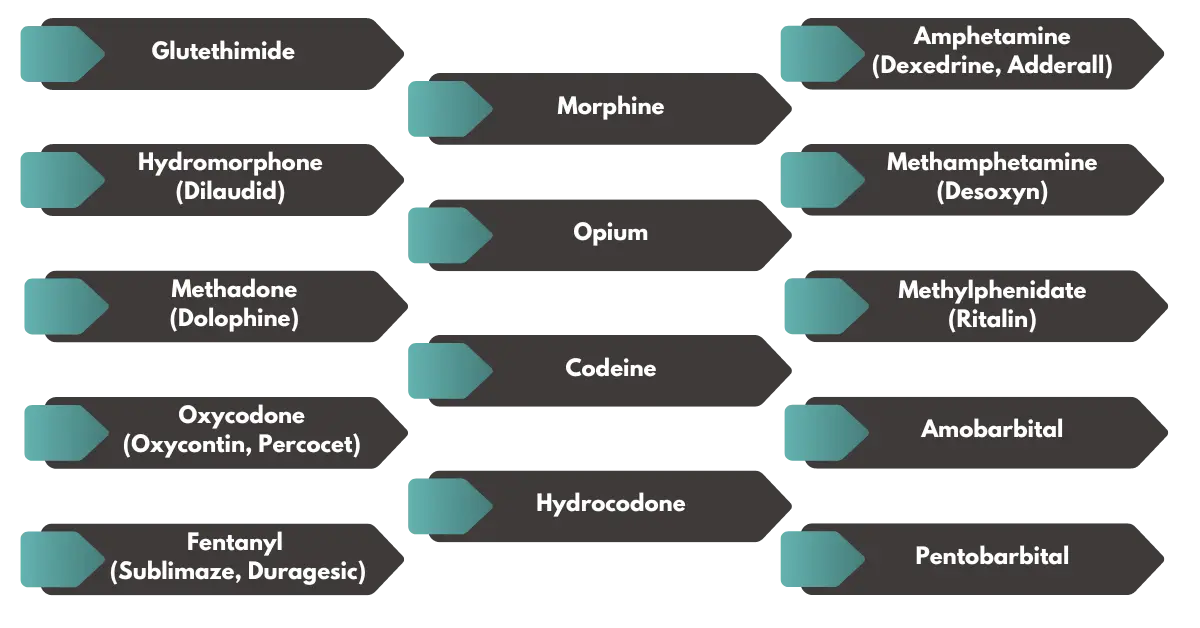
The Cannabis Economy: A Golden State Green Rush
The legalization of recreational cannabis in California through Proposition 64 in 2016 transformed a black market into a legitimate, heavily regulated industry, unleashing a torrent of economic activity. This shift didn’t just alter social norms; it created an entirely new sector ripe with financial implications.
Investment Opportunities in Cultivation and Retail
The cannabis industry in California is a vertically integrated market, offering diverse investment avenues. Cultivation, particularly outdoor and greenhouse operations in regions like the Emerald Triangle, requires substantial upfront capital for land acquisition, infrastructure, and specialized equipment. Investors can back large-scale agricultural operations or niche craft growers. Processing facilities, which convert raw plant material into oils, edibles, and tinctures, represent another segment requiring significant investment in machinery, laboratory equipment, and quality control systems.
The retail sector, encompassing licensed dispensaries, is perhaps the most visible face of the cannabis economy. Opening and operating a dispensary involves not only real estate costs but also extensive licensing fees, security infrastructure, inventory management, and marketing. E-commerce platforms and delivery services further expand the retail footprint, presenting opportunities for tech-savvy investors. Beyond direct product sales, ancillary businesses that support the cannabis industry—such as specialized packaging companies, security firms, testing laboratories, and software providers for compliance and point-of-sale systems—offer less direct but potentially stable investment returns, often without the strict federal hurdles faced by plant-touching businesses.
Taxation and State Revenue
A primary financial driver behind cannabis legalization was the promise of significant tax revenue. California levies various taxes on cannabis, including a cultivation tax, an excise tax, and local business taxes. This revenue is earmarked for specific purposes, such as youth programs, environmental restoration, and public safety initiatives. For the state budget, cannabis taxes represent a new, albeit sometimes volatile, income stream. Understanding the tax structure is crucial for businesses operating in this space, as tax burdens can significantly impact profitability and pricing strategies. Fluctuations in tax collection also serve as a key economic indicator for the health and growth of the legal market versus the persistent illicit market.
Ancillary Businesses and Job Creation
The cannabis sector has spurred job creation across a wide spectrum of roles, from agricultural workers and master growers to retail associates, compliance officers, and marketing professionals. This job growth contributes directly to local economies, increasing consumer spending and tax bases. Beyond direct employment, a robust ecosystem of ancillary service providers has emerged. Legal firms specializing in cannabis law, accounting services adept at navigating IRC Section 280E (which prohibits cannabis businesses from deducting ordinary business expenses due to federal illegality), and marketing agencies tailoring strategies for a regulated product all thrive on the industry’s existence. These support businesses, though not directly touching the plant, are integral to the financial machinery of the legal cannabis market.
The CBD and Hemp Market: A Wellness Boom with Financial Implications
Separate from recreational cannabis, the market for Cannabidiol (CBD) derived from hemp (cannabis with less than 0.3% THC) has exploded, driven by a wellness trend and perceived health benefits. The 2018 Farm Bill federally legalized hemp, opening vast financial avenues in California and beyond.
Consumer Spending and Market Growth
The CBD market is a testament to rapid consumer adoption and product diversification. Consumers in California spend billions annually on CBD products ranging from oils and tinctures to topicals, edibles, and beverages. This market growth is fueled by effective marketing, an expanding distribution network (online, specialty stores, health food chains), and growing consumer awareness. For businesses, this translates into opportunities for product development, brand building, and market penetration, but also intense competition. Understanding consumer demographics, purchasing habits, and evolving preferences is key to financial success in this segment.
Regulatory Landscape and Business Challenges
While federally legal, the CBD market faces a complex and evolving regulatory landscape, particularly concerning FDA oversight of health claims and product labeling. In California, state regulations further refine how CBD products can be manufactured, marketed, and sold, especially when it comes to ingestible products. For businesses, navigating these regulations entails significant compliance costs, including laboratory testing, labeling requirements, and potential legal fees. Financial sustainability in the CBD market hinges not just on sales but on robust legal and quality assurance departments capable of adapting to a dynamic regulatory environment.
Alcohol and Tobacco: Established Industries with Enduring Financial Impact
Long before cannabis, alcohol and tobacco established themselves as deeply ingrained and heavily taxed industries in California’s financial landscape. While mature, they continue to represent significant economic sectors with unique financial dynamics.
Market Dynamics and Distributor Profits
The alcohol industry, encompassing beer, wine, and spirits, operates within a rigid three-tier distribution system in California: producer, wholesaler, and retailer. Each tier represents distinct financial opportunities and challenges. Wineries in regions like Napa and Sonoma are multi-million dollar enterprises, attracting significant investment and contributing to tourism. Breweries, from massive conglomerates to craft microbreweries, command substantial consumer spending. Distillers also contribute significantly. Wholesalers, acting as intermediaries, generate substantial profits through volume sales and logistical expertise. Retailers, from grocery chains to specialized liquor stores and bars, drive consumer access. Understanding the intricacies of this distribution network is critical for any entity seeking to enter or expand within the alcohol market.
Tobacco, while facing declining consumption rates and increasing social stigma, remains a multi-billion-dollar industry. Major tobacco companies maintain significant market share, and sales through convenience stores and gas stations still generate considerable revenue. However, the financial emphasis has shifted towards harm reduction products like vaping and e-cigarettes, which present new market segments and regulatory battles.
Licensing, Permits, and Compliance Costs
Both alcohol and tobacco industries are subject to extensive licensing and permitting requirements at state and local levels. The California Department of Alcoholic Beverage Control (ABC) oversees alcohol licensing, which can be an arduous and expensive process, especially for on-premise licenses. Renewal fees, compliance audits, and potential penalties for violations represent ongoing costs for businesses. Similarly, tobacco retailers require specific permits and must adhere to strict age verification laws. These compliance burdens are significant financial considerations for businesses in these sectors, impacting their operational budgets and long-term viability.
Public Health Costs vs. Tax Revenue
California levies significant excise taxes on both alcohol and tobacco products. These taxes generate substantial revenue for the state, often earmarked for general funds or specific health and education programs. However, these industries also impose considerable public health costs related to addiction, chronic diseases, and healthcare expenditures. From a financial perspective, the balance between tax revenue generated and public health costs incurred is a continuous policy debate. For investors, this translates into potential regulatory risks, such as increased taxation or stricter sales regulations designed to mitigate public health impacts.
Pharmaceuticals and Over-the-Counter Medications: Healthcare’s Economic Engine
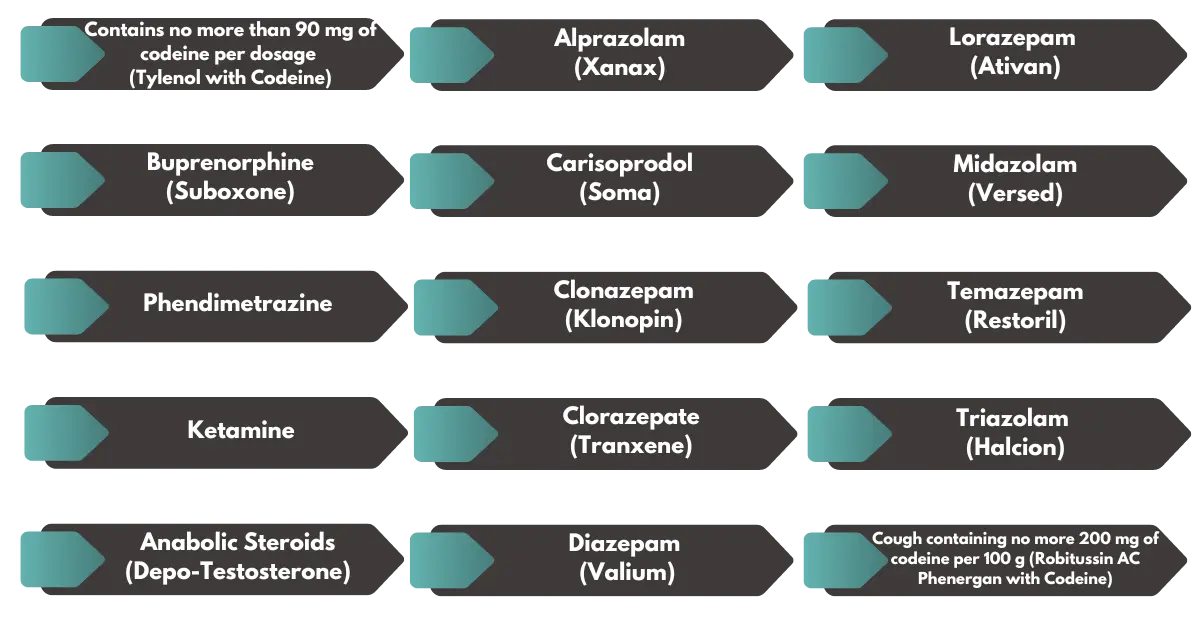
The most ubiquitous “drugs” in California’s legal landscape are pharmaceuticals and over-the-counter (OTC) medications. This sector is a colossal economic force, intertwining with healthcare systems, insurance models, and individual personal finance.
The Prescription Drug Market: Pricing and Insurance
California’s prescription drug market is driven by innovation, but also by complex pricing strategies and the pervasive role of health insurance. Pharmaceutical companies invest billions in R&D, leading to high drug prices that are a constant source of public and political debate. For consumers, the cost of prescription drugs heavily influences personal finance, often mitigated (or complicated) by insurance deductibles, co-pays, and formularies. The financial impact extends to employers funding health plans and the state budget for Medi-Cal programs. Investors in pharmaceutical companies analyze drug pipelines, patent expirations, and regulatory approvals as key financial indicators. The push for generic alternatives and biosimilars offers cost-saving opportunities but also creates competitive pressures for brand-name manufacturers.
OTC Sales and Retail Opportunities
Over-the-counter medications, from pain relievers to allergy medicines, represent a massive retail market. These products are readily available in pharmacies, grocery stores, and even convenience stores, making them a cornerstone of daily consumer spending on health and wellness. For retailers, OTC sales contribute significantly to overall revenue, with effective merchandising, competitive pricing, and brand loyalty being crucial financial factors. The private label market for OTC drugs also presents opportunities for retailers to capture higher profit margins.
Navigating the Financial and Regulatory Complexities
For businesses and investors engaged in any of California’s legal substance markets, financial success is inextricably linked to understanding and navigating a complex web of regulations, taxation, and market dynamics.
Capital Requirements and Funding for Legal Businesses
Establishing and scaling businesses in regulated substance markets, especially cannabis, requires significant capital. Traditional financing sources like banks are often unavailable due to federal prohibitions on cannabis. This has led to the emergence of specialized private equity, venture capital, and alternative lending solutions. Understanding these funding mechanisms, their associated costs, and investor expectations is paramount for entrepreneurs. Even for established industries like alcohol, significant capital is needed for expansion, brand acquisition, and market penetration.
Risk Management and Compliance Costs
The highly regulated nature of these industries means that compliance costs are not merely an afterthought; they are a fundamental component of financial planning. Legal fees, licensing renewals, regulatory audits, quality control testing, and sophisticated track-and-trace systems all contribute to operational expenses. Effective risk management, encompassing legal compliance, robust insurance policies, and strong internal controls, is essential to protect financial assets and ensure long-term viability. A misstep in compliance can lead to hefty fines, license revocation, and significant financial losses.

Future Trends and Emerging Markets
The financial landscape of legal substances in California is dynamic. Future trends, such as the potential for federal cannabis legalization, evolving research into psychedelics for therapeutic uses, and shifts in consumer preferences, will continue to reshape investment opportunities and challenges. Staying abreast of legislative changes, scientific advancements, and market shifts is crucial for investors and businesses looking to capitalize on, or adapt to, the ongoing financial evolution of California’s legal “drug” industries. The ability to innovate, adapt to regulatory shifts, and manage capital effectively will ultimately determine financial success in these complex and lucrative markets.
aViewFromTheCave is a participant in the Amazon Services LLC Associates Program, an affiliate advertising program designed to provide a means for sites to earn advertising fees by advertising and linking to Amazon.com. Amazon, the Amazon logo, AmazonSupply, and the AmazonSupply logo are trademarks of Amazon.com, Inc. or its affiliates. As an Amazon Associate we earn affiliate commissions from qualifying purchases.