
The enduring appeal of Winnie the Pooh, a global phenomenon that has captivated generations, is a testament to more than just charming stories and delightful illustrations. At its core, the brand’s remarkable longevity and universal resonance stem from a masterclass in character branding, where each inhabitant of the Hundred Acre Wood embodies distinct, deeply relatable human archetypes. Understanding what these characters represent is not merely an exercise in literary analysis; it is a profound insight into the strategic development of a brand that has successfully cultivated emotional connections and maintained its relevance for nearly a century. This article delves into the psychological underpinnings of these iconic characters, examining how their representations form the bedrock of the Winnie the Pooh brand’s immense value and sustained global presence.
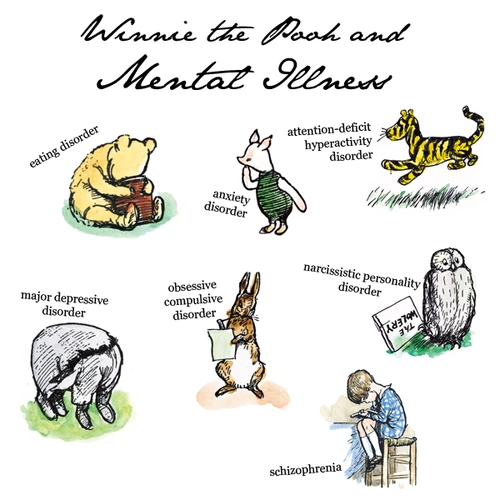
The Pooh-niverse as a Blueprint for Enduring Brand Archetypes
A truly successful brand often anchors itself in universal truths, and the Winnie the Pooh universe is a prime example of this principle in action. A.A. Milne’s creations are not just fanciful figures; they are meticulously crafted personalities that mirror fundamental human traits, fears, joys, and social dynamics. This deep psychological resonance is a powerful driver of brand loyalty and recognition, allowing the Pooh brand to transcend cultural barriers and evolve across various media formats without losing its core identity.
The Power of Relatability in Brand Connection
Relatability is the currency of enduring brands. Consumers, whether children or adults, subconsciously seek narratives and characters that reflect their own experiences or aspirations. The Pooh characters, with their simple yet profound emotional landscapes, offer an accessible mirror to the human condition. From the comforting innocence of Pooh himself to the anxious introspection of Piglet, or the pragmatic cynicism of Eeyore, the spectrum of emotions and personalities represented ensures that virtually every individual can find a piece of themselves within the Hundred Acre Wood. This deep, personal connection is invaluable for a brand, fostering a sense of familiarity, trust, and affection that goes far beyond mere product recognition. It transforms a collection of stories into a shared emotional experience, making the brand feel personal and cherished.
Crafting Emotional Resonance Through Character Design
The design of the Pooh characters, both visually and narratively, is intrinsically linked to their emotional impact. Milne and E.H. Shepard’s collaboration created an aesthetic that is soft, inviting, and timeless, perfectly complementing the gentle nature of the stories. Each character’s appearance and typical demeanor reinforce their inherent personality traits: Pooh’s cuddly roundness, Piglet’s timid stature, Eeyore’s drooping posture, Tigger’s boundless energy. This consistent characterization across all facets of the brand—from original illustrations to Disney animations, merchandise, and theme park attractions—ensures that the intended emotional message is clearly and consistently communicated. This careful alignment of visual design with psychological representation is a strategic asset, reinforcing the brand’s core values and cementing its place in the collective consciousness.
Unpacking the Hundred Acre Wood: Individual Character Brand Personas
The genius of the Winnie the Pooh brand lies in its diverse ensemble, where each character serves as a distinct “brand persona” contributing to a richer, more nuanced overall brand identity. Individually, they represent specific facets of human experience, collectively forming a harmonious and complete emotional ecosystem that resonates with a broad audience.
Winnie the Pooh: The Heart of Unconditional Comfort and Simple Joys
Winnie the Pooh himself is the quintessential embodiment of childlike innocence, warmth, and uncomplicated happiness. His gentle nature, unwavering loyalty to his friends, and simple love for honey represent a desire for comfort, security, and a life free from complex worries. As a brand persona, Pooh offers a promise of gentle escapism and heartfelt connection. He represents the ideal of friendship, the beauty of simple pleasures, and an optimistic outlook, making him the anchor of the brand’s comforting and wholesome image. This persona appeals to a universal longing for warmth and unconditional acceptance, a powerful draw for consumers seeking solace and joy.
Piglet: Navigating Vulnerability and Loyal Companionship
Piglet, with his small stature and often-anxious disposition, represents vulnerability, shyness, and the universal experience of fear. Yet, his overwhelming loyalty, courage in the face of his own fears, and deep devotion to his friends make him incredibly endearing. As a brand persona, Piglet adds depth and authenticity to the Pooh brand, acknowledging that life isn’t always fearless joy. He highlights the importance of empathy, support, and the strength found in true companionship. His character makes the brand more relatable to those who identify with feeling small or anxious, showing that even the timid can be incredibly brave and loved.
Eeyore: The Art of Authentic Melancholy
Eeyore, the perpetually gloomy donkey, represents a different, yet equally authentic, facet of the human emotional spectrum: melancholy, pessimism, and the feeling of being overlooked. Far from being a detractor, Eeyore’s presence adds a vital layer of realism and depth to the Hundred Acre Wood. He validates the experience of sadness and illustrates how true friends accept and care for you, rain or shine. As a brand persona, Eeyore appeals to those who appreciate honesty and a touch of grounded realism. He demonstrates the brand’s capacity to embrace a full range of emotions, reinforcing its authentic and accepting nature, rather than presenting a saccharine, unrealistic view of the world.
Tigger: The Embodiment of Unbridled Optimism and Energy
Tigger, with his boundless energy, infectious enthusiasm, and unique bouncing, is the epitome of joy, spontaneity, and individuality. He represents uninhibited fun, confidence, and the thrill of new experiences. As a brand persona, Tigger injects dynamism and excitement into the Pooh brand. He embodies the spirit of playful adventure and self-expression, appealing to a desire for exhilaration and the freedom to be uniquely oneself. His character adds a vibrant contrast to the quieter personalities, creating a balanced and engaging brand narrative that caters to diverse emotional needs.
Rabbit & Owl: The Intellectual and the Orderly
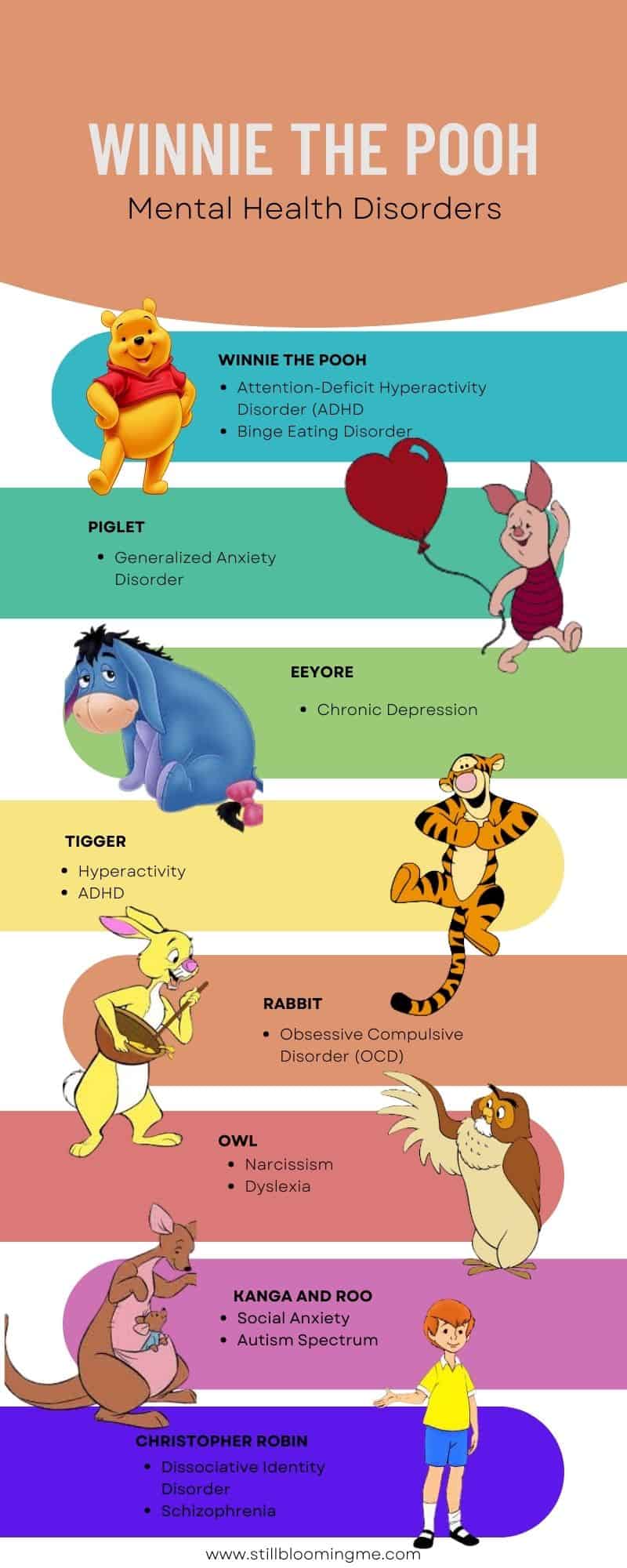
Rabbit and Owl represent the more pragmatic, intellectual, and orderly aspects of a community. Rabbit is the organized, sometimes exasperated, planner, while Owl is the self-proclaimed wise, if often misinformed, intellectual. These characters provide a sense of structure, logic, and comic relief through their perceived superiority and occasional fluster. As brand personas, they illustrate the importance of different roles within a social fabric and offer relatable depictions of everyday personalities we encounter. They round out the ensemble, adding layers of community dynamics and practical considerations to the brand’s world.
Christopher Robin: The Bridge to Childhood Imagination
Christopher Robin, the only human character and the emotional center of the stories, represents the child’s perspective, imagination, and the innocence from which all these fantastical characters spring. He is the bridge between the real world and the magical Hundred Acre Wood, symbolizing the power of belief and friendship. As a foundational brand persona, Christopher Robin grounds the entire Pooh universe in the authentic experience of childhood. He reminds the audience of the purity of childhood friendships and the boundless potential of imagination, reinforcing the brand’s core connection to nostalgic sentiment and the enduring spirit of youth.
Beyond the Books: Cultivating a Transgenerational Brand Legacy
The rich character representations of Winnie the Pooh have been instrumental in transforming a beloved book series into a formidable global brand managed by Disney. This enduring legacy is a testament to how deeply ingrained archetypes can be leveraged across diverse media and consumer touchpoints, ensuring relevance and connection across generations.
Adapting Archetypes for Diverse Media and Markets
The clarity and universality of the Pooh characters’ representations have allowed for seamless adaptation across various platforms—from animated films and television series to video games, theme park attractions, and digital content. Disney’s strategic approach has consistently preserved the core essence of each character while refreshing their presentation for new audiences. This careful stewardship ensures that whether a consumer encounters Pooh in a classic storybook, a modern animated short, or a mobile app, the underlying brand promise of comfort, friendship, and simple joy remains consistent and recognizable, reinforcing the brand’s enduring identity in a dynamic market.
The Evergreen Appeal: Marketing Timeless Values
In an increasingly complex and rapidly changing world, the Pooh brand offers a sanctuary of timeless values. Its marketing strategies consistently highlight themes of friendship, empathy, kindness, imagination, and the simple beauty of everyday life. These values, embodied by the characters, resonate universally and eternally, transcending fleeting trends. This focus on enduring emotional truths, rather than ephemeral fads, has cemented the brand’s “evergreen” status, making it a perennial favorite for parents seeking wholesome entertainment for their children and adults seeking nostalgic comfort. This strategic commitment to core values is a significant factor in the brand’s sustained market dominance.
Merchandise and Licensing: Extending the Brand’s Reach
The distinct and beloved character representations have made Winnie the Pooh an incredibly lucrative and diverse licensing property. From plush toys and apparel to homeware, stationery, and educational tools, the characters’ individual brand personas translate effortlessly into a vast array of products. Each item often subtly taps into the specific representation of the character it features—a comforting Pooh bear for snuggling, an adventurous Tigger toy, or a thoughtful Eeyore figurine. This expansive merchandise ecosystem extends the brand’s presence into daily life, allowing consumers to interact with and affirm their connection to the characters beyond stories, solidifying brand loyalty and driving significant revenue streams globally.
Strategic Brand Reinforcement: Leveraging Pooh’s Persona for Future Growth
For any brand, understanding its foundational character representations is not a static exercise but an ongoing strategic imperative. For Winnie the Pooh, maintaining the authenticity and psychological depth of its characters is paramount for continued growth and relevance in an ever-evolving consumer landscape.
Maintaining Authenticity in New Brand Expressions
As the Winnie the Pooh brand continues to expand into new digital frontiers, interactive experiences, and potentially new narratives, a deep understanding of what each character represents is crucial for maintaining authenticity. Any new content or product must align with the established personas to avoid diluting the brand’s core identity. Strategic brand management involves rigorous adherence to these character archetypes, ensuring that Pooh remains the comforting friend, Piglet the loyal companion, and Eeyore the authentic melancholic. This consistency builds trust and reinforces the brand’s established emotional contract with its audience, protecting its legacy and preparing it for future innovations.
The Psychological Impact in Consumer Engagement
The psychological representations of the Pooh characters are powerful tools for consumer engagement. Marketing campaigns can effectively tap into these archetypes to evoke specific emotions and create memorable connections. Highlighting Pooh’s comfort in times of stress, Piglet’s courage when facing new challenges, or Tigger’s joy for celebration can directly influence consumer perception and purchasing decisions. This strategic deployment of character personas in advertising, social media content, and experiential marketing ensures that the brand continues to resonate deeply, cultivating an emotional bond that transcends mere transactional interactions and fosters genuine advocacy.

A Blueprint for Brand Developers
Ultimately, the Winnie the Pooh brand offers a compelling blueprint for other brand developers and marketers. It demonstrates the immense power of creating characters with deeply human, relatable psychological representations. By anchoring a brand in universal archetypes and consistently delivering on the emotional promises those characters embody, it is possible to build a brand that not only sells products but also cultivates profound connections, transcends generations, and maintains its cultural significance for decades. The Hundred Acre Wood is more than a fictional place; it is a meticulously crafted emotional landscape that continues to yield invaluable lessons in enduring brand strategy.
aViewFromTheCave is a participant in the Amazon Services LLC Associates Program, an affiliate advertising program designed to provide a means for sites to earn advertising fees by advertising and linking to Amazon.com. Amazon, the Amazon logo, AmazonSupply, and the AmazonSupply logo are trademarks of Amazon.com, Inc. or its affiliates. As an Amazon Associate we earn affiliate commissions from qualifying purchases.