
In the bustling world of events, entertainment, and travel, the term “will call” is a familiar fixture. For many, it simply denotes a method of retrieving pre-purchased tickets at a venue. However, for a brand, “will call” represents far more than a logistical footnote; it is a critical juncture in the customer journey, a tangible manifestation of service delivery, and a powerful, if often underestimated, touchpoint that profoundly impacts brand perception and loyalty. Understanding “will call” through a brand lens reveals its strategic importance, transforming it from a mere operational necessity into an opportunity for differentiation and relationship building.
The Core Concept: Understanding “Will Call” as a Service Delivery Mechanism
At its heart, “will call” is a straightforward operational process. Yet, its enduring relevance and how it’s executed are deeply intertwined with a brand’s customer service ethos and its commitment to a seamless experience.
Definition and Operational Mechanics
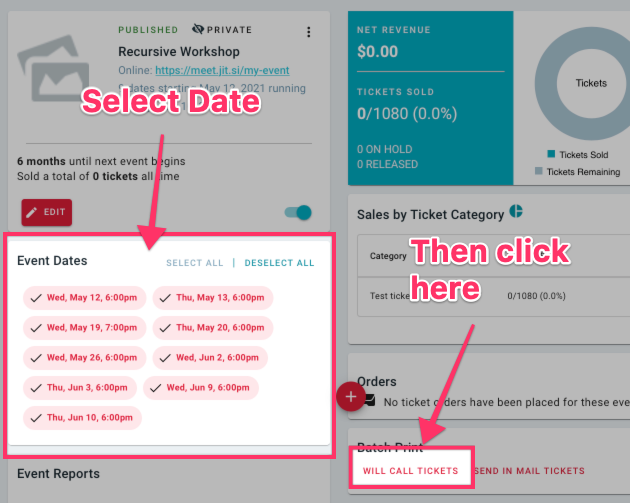
“Will call” refers to the practice where customers pick up tickets they have purchased in advance directly at the venue box office or a designated window, typically just before an event. Instead of having physical tickets mailed or printed at home, the customer’s name is placed on a list, and identification is required for retrieval. This method ensures that tickets are securely held until the moment of the event, mitigating risks associated with postal delivery, lost emails, or forgotten printouts. The operational mechanics involve a detailed record-keeping system, often integrated with ticketing platforms, allowing staff to quickly verify purchases and release tickets.
Historical Context and Enduring Relevance
The concept of “will call” predates digital ticketing by decades, originating from a time when physical tickets were the only medium and secure delivery was a challenge. It offered a practical solution for last-minute purchases, international buyers, or simply those who preferred not to rely on postal services. While digital ticketing has revolutionized the industry, allowing for mobile entry and print-at-home options, “will call” has not become obsolete. It persists due to several factors: security protocols for high-value events, the need for physical mementos, accommodating customers without smartphones or reliable internet access, and serving as a crucial fallback when digital methods fail. For a brand, offering “will call” demonstrates an understanding of diverse customer needs and a commitment to accessibility.
The Customer’s Perspective
From the customer’s vantage point, “will call” can be both a convenience and a potential source of anxiety. It offers peace of mind for those who fear losing tickets or prefer not to manage digital files. It’s essential for last-minute buyers who don’t have time for delivery. Group organizers might prefer to pick up all tickets at once. However, the experience at the “will call” window itself dictates whether it becomes a positive or negative brand interaction. Long lines, inefficient staff, or unclear instructions can quickly sour an otherwise positive pre-event sentiment. Brands that prioritize clarity, efficiency, and friendliness at this stage are reinforcing their commitment to customer satisfaction.
“Will Call” as a Strategic Brand Touchpoint
Every interaction a customer has with a brand contributes to their overall perception. The “will call” process, though seemingly minor, holds significant weight in shaping brand image and fostering loyalty.
First Impressions and Lasting Perceptions
For many customers, the “will call” window is their first direct, in-person interaction with the brand or event staff. This initial encounter is critical. A smooth, welcoming, and efficient process sets a positive tone for the entire experience, reinforcing the brand’s professionalism and customer-centric approach. Conversely, a chaotic, slow, or impersonal “will call” experience can instantly erode trust and create frustration, coloring the perception of the entire event, regardless of its quality. This touchpoint is a direct reflection of a brand’s operational excellence and its respect for the customer’s time and anticipation.
Enhancing Customer Experience and Loyalty
A well-managed “will call” system contributes directly to a superior customer experience. When customers feel their needs are anticipated and met with ease, it builds goodwill and trust. This positive experience translates into increased customer satisfaction, which is a powerful driver of repeat business and brand loyalty. Brands that consistently deliver smooth “will call” operations are perceived as reliable, organized, and attentive to detail. This strengthens the emotional connection customers have with the brand, making them more likely to return for future events and recommend the brand to others. It transforms a functional requirement into an opportunity to delight.
Brand Storytelling Through Operational Excellence
Brand storytelling isn’t confined to marketing campaigns; it’s woven into every aspect of a brand’s operations. The efficiency and quality of the “will call” process tell a story about the brand’s values. Is the brand organized and detail-oriented? Does it value customer convenience and minimize friction? Are its employees empowered to provide exceptional service? When a “will call” window is clearly signed, staff are knowledgeable and polite, and waiting times are minimal, it communicates a story of professionalism and care. This operational excellence reinforces the brand’s promise, proving that its commitment to quality extends beyond its core product or event to the entire customer journey.

Operationalizing “Will Call” for Brand Success
To leverage “will call” as a positive brand touchpoint, strategic planning and meticulous execution are paramount. It requires a holistic approach that considers communication, staff training, technological integration, and contingency planning.
Communication is Key
Clear, proactive communication is perhaps the most critical element for a successful “will call” experience. Brands must provide explicit instructions to customers regarding:
- Location: Exact address, specific window, or booth for “will call” pickup.
- Required Identification: What forms of ID are accepted (e.g., photo ID, credit card used for purchase).
- Timing: When the “will call” window opens and closes, and recommended arrival times.
- Alternative Options: Information on digital ticketing or other pickup methods if “will call” isn’t preferred or possible.
- Troubleshooting: What to do if tickets are believed lost or if there are issues.
This clarity prevents confusion, reduces customer anxiety, and sets appropriate expectations, enhancing the overall brand experience before the customer even arrives at the venue.
Staff Training and Empowerment
The frontline staff at the “will call” window are direct brand ambassadors. Their attitude, efficiency, and problem-solving abilities directly reflect on the brand. Comprehensive training is essential, covering:
- Ticketing Systems: Proficiency in verifying purchases and printing tickets.
- Customer Service Skills: Politeness, empathy, and the ability to de-escalate stressful situations.
- Brand Values: Understanding how their actions contribute to the brand’s overall image.
- Empowerment: Giving staff the authority and resources to resolve common issues quickly and satisfactorily, rather than simply deferring problems.
Well-trained and empowered staff can turn a potentially stressful interaction into a positive brand reinforcement.
Technology Integration and Efficiency
While “will call” involves physical pickup, technology plays a vital role in its efficiency. Modern ticketing systems allow for:
- Real-time Inventory Management: Ensuring tickets are ready and accounted for.
- Quick Verification: Rapidly scanning IDs or confirmations to locate orders.
- Digital Check-in: Using mobile devices to expedite the process, even if physical tickets are being issued.
Integrating technology seamlessly into the “will call” workflow reduces waiting times, minimizes errors, and provides a smoother experience, all of which contribute positively to the brand’s image as modern and efficient.
Contingency Planning and Crisis Management
Even the most meticulously planned operations can encounter unexpected issues. Brands must have robust contingency plans for “will call” scenarios, such as:
- Long Queues: Additional staff, dedicated express lanes, or temporary expansion of “will call” stations.
- System Failures: Manual override procedures or backup systems.
- Customer Issues: Protocols for handling lost IDs, forgotten purchases, or disputes gracefully.
How a brand recovers from a service lapse at “will call” can be even more impactful than avoiding the lapse itself. A swift, empathetic, and effective resolution demonstrates resilience and a deep commitment to customer satisfaction, ultimately reinforcing brand trust.
The Evolving Landscape: “Will Call” in a Digital Age
The advent of digital ticketing has undoubtedly changed the landscape, but “will call” has adapted, proving its continued relevance as a strategic component of a comprehensive brand experience.
Coexistence with Digital Ticketing
Far from being replaced, “will call” often coexists with digital ticketing options. Brands that offer both demonstrate flexibility and cater to a wider array of customer preferences and circumstances. This duality allows customers to choose the method that best suits their comfort level and logistical needs, thereby enhancing the overall perceived value and convenience offered by the brand. It’s not about one replacing the other, but rather about a brand strategically offering a suite of solutions.
Hybrid Models and Innovation
Brands are increasingly innovating the “will call” experience. This can include:
- Premium “Will Call” Lanes: Offering faster, more personalized service for VIPs or specific ticket tiers, creating a sense of exclusivity.
- Self-Service Kiosks: Allowing customers to print their “will call” tickets themselves after digital verification, combining speed with a physical output.
- Mobile Check-in for Physical Tickets: Customers check in via a mobile app to confirm arrival and receive a QR code, which is then scanned at a physical window to release pre-printed tickets, blending digital efficiency with the security of a physical handout.
These hybrid models highlight a brand’s adaptability and willingness to integrate technology to improve traditional processes, reinforcing an image of forward-thinking service.

Strategic Use for Specific Audiences/Events
In some contexts, “will call” becomes a deliberate strategic choice for a brand. For high-security events, collectible tickets, or specialized corporate gatherings, “will call” can add a layer of personal touch and controlled distribution that enhances the perceived value and exclusivity of the event. It can also be crucial for international visitors who may not have reliable access to local shipping or printing facilities. By understanding these specific needs and deploying “will call” strategically, brands can tailor experiences that resonate deeply with their target demographics, further solidifying their market position and identity.
In conclusion, “will call” is much more than a simple transaction point for tickets; it’s a dynamic, multifaceted brand touchpoint. How a brand manages this process — from clear communication and efficient operations to well-trained staff and innovative solutions — directly impacts customer satisfaction, influences brand perception, and ultimately contributes to long-term loyalty and success. In a competitive marketplace, every interaction counts, and the “will call” window offers a unique opportunity for brands to reinforce their commitment to excellence and cement their relationship with their audience.
aViewFromTheCave is a participant in the Amazon Services LLC Associates Program, an affiliate advertising program designed to provide a means for sites to earn advertising fees by advertising and linking to Amazon.com. Amazon, the Amazon logo, AmazonSupply, and the AmazonSupply logo are trademarks of Amazon.com, Inc. or its affiliates. As an Amazon Associate we earn affiliate commissions from qualifying purchases.