
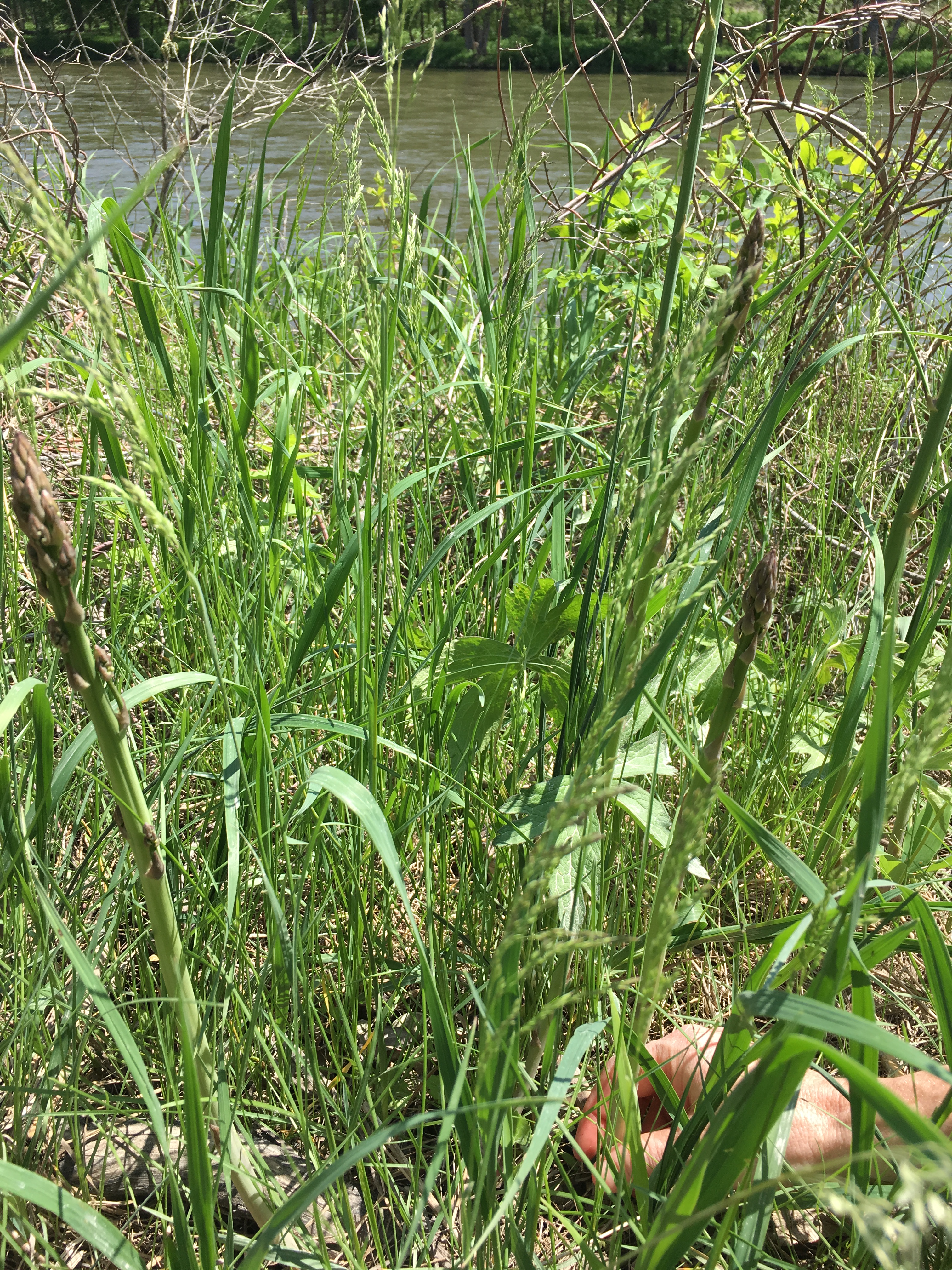
The ancient practice of foraging, once reliant solely on inherited knowledge and keen observation, has undergone a significant transformation in the digital age. While the desire to connect with nature and harvest its bounty remains timeless, the methods for identifying specific plants, like the elusive wild asparagus, are increasingly powered by sophisticated technology. Understanding what wild asparagus looks like, or any wild edible for that matter, no longer requires just a seasoned eye; it now often involves a smartphone, AI algorithms, and connected communities. This shift has democratized access to identification knowledge, making foraging more accessible, albeit with new considerations for accuracy and ethical engagement.
The Digital Forager’s Toolkit: Leveraging Technology for Identification
The quest to accurately identify wild plants is paramount for safety and ecological stewardship. Misidentification can lead to health hazards or the unintentional harvesting of protected species. Traditionally, this involved poring over botanical field guides, cross-referencing illustrations and descriptions with live specimens. Today, technology offers a dynamic, often real-time, alternative. The modern digital forager equips themselves not just with baskets and knives, but with an array of digital tools designed to enhance identification, record findings, and connect with a wider network of enthusiasts. This evolution moves beyond static images to interactive platforms that leverage advanced computing power to decipher the subtle characteristics of flora.
AI-Powered Plant Identification Apps
Perhaps the most revolutionary advancement for immediate plant identification comes in the form of AI-powered mobile applications. Tools like PictureThis, iNaturalist, PlantNet, and Google Lens have fundamentally changed how individuals approach identifying species such as wild asparagus. These apps operate on the principle of image recognition, employing vast databases of plant photographs and machine learning algorithms.
Users simply capture an image of the plant in question with their smartphone camera, and the app processes the visual data, comparing it against its extensive library. Within seconds, it provides potential matches, often with a confidence rating, along with detailed information about the plant, its characteristics, habitat, and sometimes even its edible or toxic properties. For wild asparagus, which can have several look-alikes, these apps can quickly highlight distinctive features like its scale-like leaves, tender shoots, and preference for disturbed ground, guiding the user towards a more informed identification.
While incredibly powerful, it’s crucial to understand both their benefits and limitations. Benefits include unparalleled speed, accessibility to a wealth of information in the field, and the ability to learn from user-contributed data that continually refines the algorithms. However, limitations persist. Accuracy can vary depending on image quality, the plant’s growth stage, and the app’s specific algorithm. Rare or regional variants might be missed, and relying solely on an app for identifying potentially dangerous look-alikes is always risky. Most apps wisely advise cross-referencing with human experts or reliable guides.
Augmented Reality (AR) and Virtual Reality (VR) for Learning
Beyond static image recognition, emerging technologies like Augmented Reality (AR) and Virtual Reality (VR) offer immersive and interactive learning experiences for plant identification. AR applications can overlay digital information directly onto a real-world view through a smartphone camera or smart glasses. Imagine pointing your device at a patch of green and seeing labels pop up, highlighting the distinct features of wild asparagus – its lack of true leaves (which are actually tiny scales), its spear-like growth, and its preference for sunny, well-drained locations. This real-time, contextual information can dramatically accelerate the learning curve for novice foragers, making the identification process more intuitive and engaging.
VR, on the other hand, creates entirely simulated environments. While not directly applicable for in-field identification, VR platforms can be invaluable educational tools. Users could explore virtual forests or meadows, encountering lifelike plant models, including wild asparagus, and practice identification skills in a risk-free setting. They could learn about ideal habitats, observe growth patterns throughout different seasons, and even simulate harvesting techniques. This technology holds immense potential for educational institutions, foraging workshops, and anyone seeking a deeper, interactive understanding of botany before venturing into the wilderness.
Beyond Identification: Digital Mapping and Resource Management
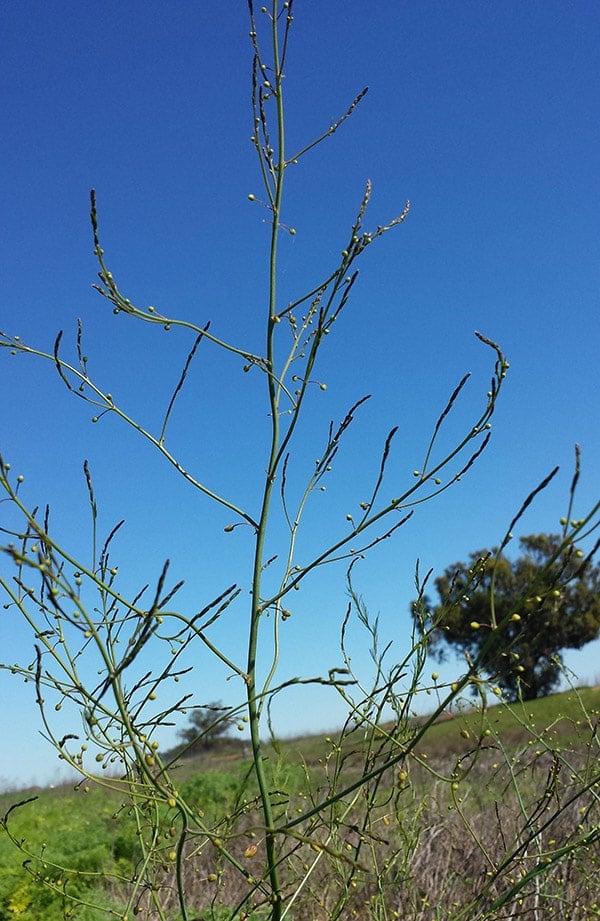
Once identification is confirmed, technology continues to play a vital role in the foraging journey. Digital mapping tools, GPS, and crowdsourced databases move beyond simply answering “what does wild asparagus look like” to helping foragers manage their finds, track locations, and contribute to broader ecological understanding.
GPS-enabled mapping applications, such as Gaia GPS, AllTrails, or even basic smartphone map functions, allow foragers to accurately mark and save the precise locations of their discoveries. Finding a productive patch of wild asparagus often involves returning to the same spot year after year. Digital waypoints eliminate the guesswork, making it easier to revisit fruitful areas and track their yield over time. These tools can also record routes, elevation changes, and even add custom notes and photos for future reference.
More advanced digital platforms and citizen science initiatives facilitate a shared approach to foraging. Websites and apps like iNaturalist, which also serves as an identification tool, enable users to upload observations, including photos and GPS coordinates, contributing to a global database of biodiversity. While this sharing needs to be approached ethically – respecting privacy, land ownership, and preventing over-harvesting – it allows for collective knowledge building. For instance, a forager might observe a new wild asparagus patch and contribute that data, helping researchers understand distribution patterns or allowing other ethical foragers to discover new areas. Digital databases can also help track harvest cycles, noting when wild asparagus typically emerges in a specific microclimate, aiding in sustainable harvesting practices by allowing foragers to return only when the plant has had time to regenerate.
Connectivity and Community: Online Foraging Networks
The digital revolution has also fostered vibrant online communities that serve as invaluable resources for foragers. Social media groups, dedicated forums, and specialized websites bring together enthusiasts from around the world, creating platforms for sharing knowledge, verifying identifications, and discussing best practices.
Foragers grappling with the nuances of what wild asparagus looks like, especially distinguishing it from similar-looking plants like poisonous horsetail or young shoots of other weeds, can post photos to these communities. Experienced members can offer guidance, point out subtle identifying features, or recommend trusted local experts. This peer-to-peer verification adds a crucial layer of safety and confidence, complementing the algorithmic suggestions of AI apps.
Beyond identification, these networks facilitate discussions on sustainable harvesting, recipe sharing, legal considerations for foraging in different areas, and even organizing group forays. Live streams, webinars, and online courses led by expert foragers provide opportunities for structured learning, demonstrating identification techniques, processing methods, and ecological awareness. These digital spaces cultivate a sense of shared passion and responsibility, promoting ethical engagement with nature.

The Future of Digital Foraging: Wearables and Advanced Sensors
Looking ahead, the integration of technology into foraging promises even more sophisticated tools. Wearable devices, such as smart glasses, could offer real-time, hands-free identification. Imagine walking through a field and having a discreet display within your field of vision highlight potential wild asparagus, complete with identification notes, without needing to pull out a phone. These devices could integrate advanced AI algorithms, processing visual data instantaneously and offering an augmented reality experience directly on your retina.
Portable spectroscopic tools, while currently more specialized, could become more accessible. These devices analyze the chemical composition of plants, potentially distinguishing edible species from toxic look-alikes with scientific precision, going beyond visual cues. This could be particularly revolutionary for plants with very subtle differences or those that change appearance throughout their growth cycle.
Furthermore, drones equipped with multispectral cameras could be deployed to survey large areas, identifying suitable habitats for specific plants based on vegetation patterns, soil conditions, and light exposure. While primarily a tool for large-scale ecological research, future consumer drones could potentially aid in scouting for ideal foraging grounds, identifying areas with high potential for wild asparagus growth before a person even steps foot on the terrain.
However, as technology becomes more ingrained in foraging, it brings forth new ethical considerations. Data privacy, the potential for over-harvesting due to shared location data, and the need to maintain a deep, intuitive connection with nature rather than relying solely on screens, are all critical discussions for the evolving digital foraging community. The goal remains to enhance the experience and knowledge of nature, not replace the essential human element of observation and respect for the environment.
aViewFromTheCave is a participant in the Amazon Services LLC Associates Program, an affiliate advertising program designed to provide a means for sites to earn advertising fees by advertising and linking to Amazon.com. Amazon, the Amazon logo, AmazonSupply, and the AmazonSupply logo are trademarks of Amazon.com, Inc. or its affiliates. As an Amazon Associate we earn affiliate commissions from qualifying purchases.