
In the intricate world of personal finance, business dealings, and legal agreements, the phrase “waive your right” carries significant weight. Far from a mere formality, understanding what it means to waive a right is crucial for protecting your financial interests, ensuring informed decision-making, and navigating the complexities of contracts and agreements. Essentially, to waive a right means to voluntarily and intentionally give up a known claim, privilege, or entitlement. This relinquishment can have profound and often irreversible financial consequences, making it imperative for individuals and businesses alike to approach such decisions with diligence and a clear understanding of the implications.

Understanding the Concept of Waiving Rights in Financial Contexts
At its core, waiving a right is a legal act, even when its implications are primarily financial. It signifies an informed decision by an individual or entity to forego a benefit or protection that they would otherwise be legally entitled to. This act is almost always documented in writing, forming a binding agreement that clarifies the terms under which the right is being given up. The voluntary nature of the decision is paramount; a right cannot be truly waived if it is done under duress, coercion, or without full comprehension of what is being relinquished.
The Legal Basis of Waivers
Waivers are legally enforceable documents, provided they meet certain criteria. These often include clarity regarding the right being waived, proof that the waiving party understood the implications, and the absence of any undue influence. From a financial perspective, a waiver can prevent future claims, limit liability for one party, or expedite a resolution that might otherwise be bogged down in disputes. For example, in a debt settlement scenario, a creditor might agree to forgive a portion of a debt in exchange for the debtor waiving their right to dispute the remaining balance or to pursue legal action related to the original debt. The legal enforceability means that once a right is waived, it is typically extremely difficult, if not impossible, to reclaim that right later.
Voluntary Relinquishment
The emphasis on voluntary relinquishment cannot be overstated. Financial decisions are often made under pressure, whether due to urgent needs, time constraints, or the complexity of the situation. However, for a waiver to be valid, the party giving up the right must do so of their own free will and with a clear understanding of the ramifications. This is why financial contracts and agreements often include clauses that explicitly state the waiving party has read and understood the terms, had the opportunity to seek legal advice, and is entering into the agreement voluntarily. Without this voluntary and informed consent, the validity of the waiver could be challenged, though successfully doing so is often a costly and challenging endeavor.
Impact on Personal Finance
The impact of waiving rights on personal finance can be far-reaching. It can affect your ability to recover losses, dispute unfair charges, claim benefits, or even protect assets. Imagine a situation where you unknowingly waive your right to a certain consumer protection when signing up for a financial product. Later, if an issue arises, you might find yourself without recourse that would otherwise be available. Similarly, in estate planning, a spouse might waive their right to an elective share of an inheritance, potentially impacting their financial security in the future. Understanding these implications is the first step in making prudent financial decisions.
Common Scenarios Where You Might Waive Financial Rights
Waiving financial rights is not an obscure legal concept; it happens frequently in everyday financial transactions and significant life events. Recognizing these scenarios is key to identifying when you need to pay extra attention to the fine print.
Loan Agreements and Debt Settlement
One of the most common arenas for waiving rights is in the context of borrowing and debt. When you take out a loan, whether it’s a mortgage, an auto loan, or a personal loan, you are signing an agreement that outlines your obligations and, implicitly, the rights you agree to forgo if you default or fail to meet specific terms.
- Dispute Clauses: Many loan agreements include clauses where you waive the right to dispute certain charges or aspects of the loan through traditional courts, instead agreeing to arbitration or mediation.
- Debt Settlement: If you’re struggling with debt, you might negotiate a settlement with a creditor. In exchange for a lower payment or forgiveness of a portion of the debt, the creditor will almost certainly require you to waive your right to sue them for past grievances, challenge the original debt, or pursue any future claims related to that specific obligation. This allows them to close the books on the debt with finality.
- Forbearance and Modifications: During financial hardship, lenders might offer forbearance or loan modifications. Accepting these often involves waiving rights to immediately pursue other legal avenues or specific dispute resolutions regarding the loan terms, in exchange for temporary relief.
Investment and Brokerage Accounts
Investors frequently encounter waivers, often embedded within the lengthy terms and conditions of brokerage agreements and investment product disclosures.
- Arbitration Clauses: A standard feature in many investment account agreements is a mandatory arbitration clause. By signing, you waive your right to take your brokerage firm to court in the event of a dispute, agreeing instead to resolve issues through a private arbitration process. While arbitration can be faster, it also limits discovery, often lacks the appeals process of courts, and decisions are binding.
- Risk Disclosures: When investing in complex or high-risk instruments, you often acknowledge and waive the right to claim you were not fully informed about the risks involved, provided the firm has adequately disclosed them. This protects the firm from claims of insufficient disclosure if the investment performs poorly.
- Limitation of Liability: While financial advisors owe a fiduciary duty, agreements can sometimes contain clauses that limit their liability under certain circumstances, provided these clauses do not violate regulatory requirements. Understanding these limits is crucial.
Insurance Policies
Insurance contracts are replete with conditions that, if not met, can lead to the effective waiver of your right to coverage.
- Timely Filing: Most policies require claims to be filed within a specific timeframe. Failing to do so can result in the waiver of your right to claim benefits for that incident.
- Disclosure Requirements: When applying for insurance, you’re typically asked to provide extensive personal and financial information. Misrepresenting facts or failing to disclose relevant information (e.g., pre-existing conditions in health insurance, previous accidents in auto insurance) can lead to the insurer waiving their obligation to pay out on a claim, effectively waiving your right to coverage.
- Beneficiary Waivers: In some cases, a spouse might waive their right to be the beneficiary of a life insurance policy or retirement account, allowing another party to be designated.
Estate Planning and Inheritance
Estate planning involves crucial decisions about asset distribution, and waivers play a role here as well.
- Spousal Waivers: In community property states or states with elective share laws, a surviving spouse typically has a right to a certain portion of their deceased spouse’s estate, regardless of what the will says. However, a prenuptial or postnuptial agreement can include a spousal waiver, where one or both spouses waive their right to this elective share or other inheritance rights. This is often done to protect generational wealth or prior family assets.
- Heir Waivers: In situations where an heir might wish to disclaim (waive) their inheritance, perhaps for tax planning purposes or to pass it directly to their children, specific legal waivers are executed.

The Critical Importance of Due Diligence Before Waiving Rights
The irreversible nature of waiving a right makes due diligence not just advisable, but absolutely essential. Rushing through paperwork or assuming standard clauses won’t affect you can lead to significant financial regret.
Read and Comprehend Every Document
It sounds simple, yet it’s often overlooked. Every contract, agreement, or terms of service document you sign contains vital information. Pay particular attention to sections titled “Waiver,” “Dispute Resolution,” “Limitation of Liability,” and “Governing Law.” Do not skim or assume; read actively and ensure you understand the implications of each clause. If language is ambiguous, seek clarification.
Seek Professional Advice
For any significant financial agreement involving the waiver of rights, consulting with a qualified professional is invaluable. A financial advisor can help you understand the long-term financial ramifications, while an attorney can explain the legal enforceability and potential recourse if issues arise. Their expertise can uncover hidden risks or identify opportunities for negotiation that you might otherwise miss. The cost of professional advice is often a small price to pay compared to the potential financial loss from an uninformed waiver.
Understand the Long-Term Consequences
A decision to waive a right today can resonate for years, or even decades. Giving up the right to sue for an investment dispute could mean accepting a sub-optimal arbitration outcome. Waiving an inheritance right could impact your financial security in retirement. Always consider the worst-case scenario and how the waiver might restrict your options or protections down the line. What might seem like a minor concession now could become a major obstacle in the future.
Irrevocability (or Difficulty of Reversal)
Once a right is waived through a legally binding agreement, it is typically final. Reversing a waiver usually requires proving fraud, duress, lack of capacity, or a fundamental misunderstanding of the terms, which is a high legal bar to clear. Assume that once you’ve waived a right, it’s gone for good. This underscores the need for thorough understanding and careful consideration before signing any document that contains such clauses.
Protecting Your Financial Interests: Best Practices
Being proactive and informed is your best defense when encountering situations that ask you to waive your financial rights.
Always Ask Questions
If you don’t understand a term, a clause, or the full implications of what you’re being asked to sign, ask for clarification. Don’t be intimidated. Whether it’s a lender, an investment firm, or an insurance provider, they have an obligation to explain the terms of their agreements in an understandable manner. If their explanation is insufficient, seek an independent expert opinion.
Negotiate Where Possible
Not all waivers are set in stone. In some business transactions or personalized agreements (like debt settlements or large contracts), there might be room for negotiation regarding specific clauses. For instance, you might be able to negotiate the scope of a waiver or clarify conditions under which a right can be reinstated. Knowing what you’re willing to concede and what protections you absolutely need to retain is crucial during negotiation.
Document Everything
Maintain meticulous records of all agreements, contracts, disclosures, and any advice received from professionals. Keep copies of signed documents, correspondence (emails, letters), and notes from conversations. This documentation can be invaluable if a dispute arises later, helping to prove what was agreed upon and what understanding existed at the time of the waiver.
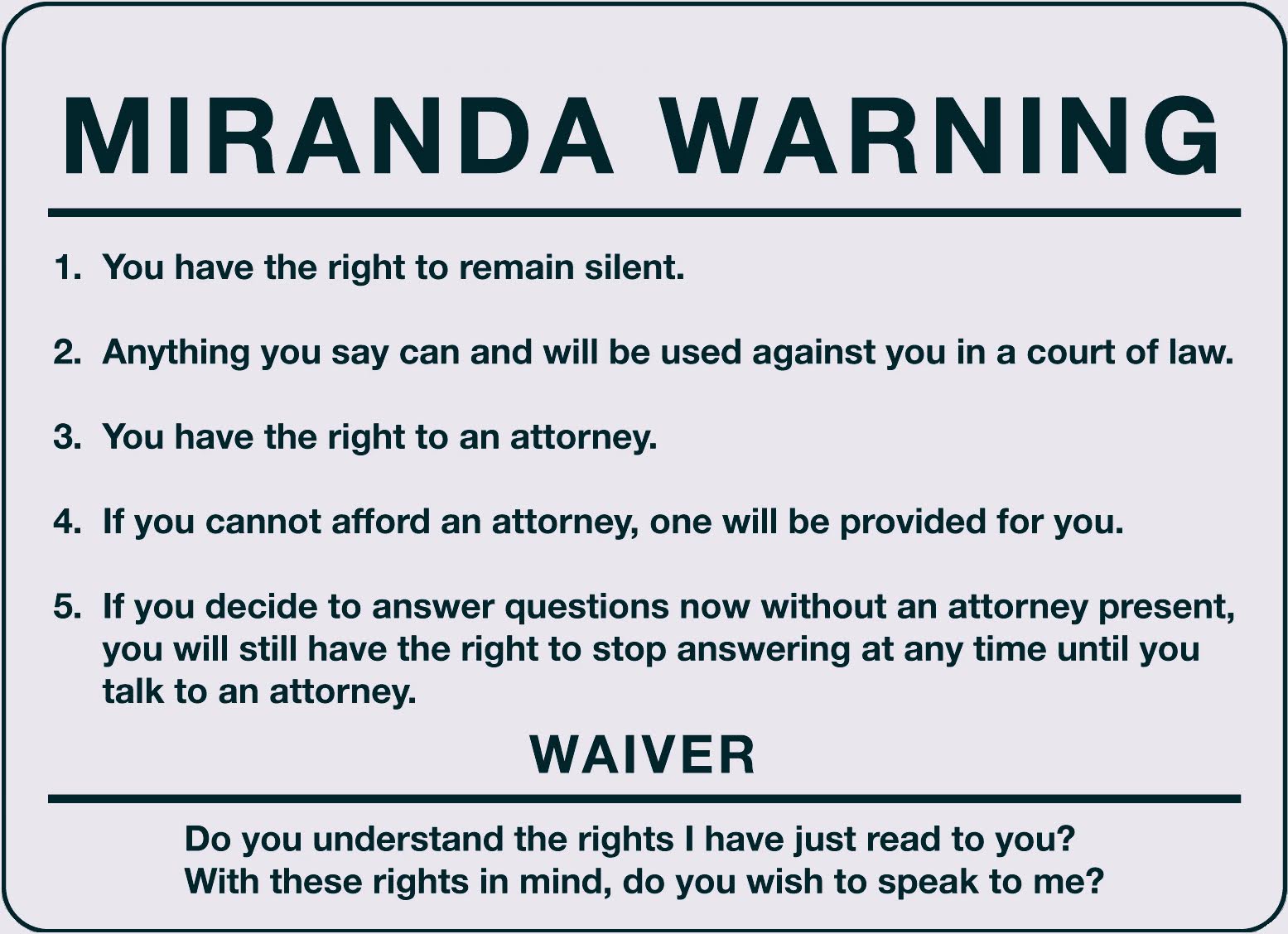
Know Your Fundamental Rights
While many rights can be waived, some fundamental legal and consumer protections often cannot be waived, or can only be waived under very specific, strict conditions. For example, certain basic consumer rights under federal or state law might be non-waivable. Being aware of these inherent protections can empower you to challenge clauses that attempt to strip you of rights that are legally mandated.
In conclusion, “waiving your right” in a financial context is a serious action with significant implications for your present and future financial well-being. By understanding what it means, recognizing common scenarios, exercising due diligence, and adopting best practices, you can navigate these complex situations more effectively, ensuring that your financial decisions are informed, intentional, and truly serve your best interests.
aViewFromTheCave is a participant in the Amazon Services LLC Associates Program, an affiliate advertising program designed to provide a means for sites to earn advertising fees by advertising and linking to Amazon.com. Amazon, the Amazon logo, AmazonSupply, and the AmazonSupply logo are trademarks of Amazon.com, Inc. or its affiliates. As an Amazon Associate we earn affiliate commissions from qualifying purchases.