
In an increasingly interconnected digital world, the bedrock of security rests heavily on robust authentication mechanisms. While passwords have long served as the primary gatekeepers to our digital identities and assets, their inherent vulnerabilities have necessitated the adoption of stronger, more resilient forms of verification. Among the most effective solutions to emerge in this landscape is the hard token – a physical device specifically designed to enhance digital security.
A hard token, often referred to as a hardware token or security token, is a tangible piece of hardware used to authenticate a user. Unlike “soft tokens” which are software-based (like authenticator apps on smartphones or SMS codes), hard tokens provide an additional, physical layer of security that relies on “something you have.” This physical possession makes them exceptionally difficult for malicious actors to compromise remotely, serving as a critical component in multi-factor authentication (MFA) strategies.
The Imperative for Stronger Authentication
The digital age has brought unprecedented convenience but also a heightened risk of cyber threats. Simple passwords, even complex ones, are susceptible to a myriad of attacks: brute-force attempts, dictionary attacks, phishing scams, keyloggers, and data breaches that expose vast numbers of credentials. The human element, prone to reusing passwords or choosing weak ones, further exacerbates this vulnerability.
To counteract these weaknesses, the cybersecurity community has championed MFA, which requires users to present two or more verification factors from distinct categories:
- Something you know: A password or PIN.
- Something you have: A hard token, smart card, or smartphone.
- Something you are: A biometric identifier like a fingerprint or facial scan.
Hard tokens squarely address the “something you have” factor, providing a robust, unforgeable proof of possession that significantly elevates the bar for unauthorized access. Their physical nature means that even if a hacker obtains a user’s password, they still cannot gain access without the physical device.
Core Principle: Unwavering Proof of Possession
At its heart, a hard token’s security stems from its ability to generate or store unique, cryptographic credentials that are tethered to the device itself. These credentials are not easily copied, intercepted, or replicated. When a user attempts to log in, the system requests input from the hard token, which then provides a cryptographic response or a one-time password (OTP) that verifies the user’s legitimate possession of the device. This “proof of possession” is what makes hard tokens a formidable defense against many common cyberattacks.
Types and Forms of Hard Tokens
Hard tokens come in various forms, each designed to meet specific security requirements and integration needs. While their underlying purpose remains the same—to provide a physical authentication factor—their operational mechanisms can differ significantly.
USB Security Keys (FIDO U2F/WebAuthn)
Perhaps the most recognized form of modern hard token, USB security keys are small, portable devices that plug directly into a computer’s USB port. These tokens often comply with standards like FIDO Universal 2nd Factor (U2F) and its successor, WebAuthn.
- How they work: When a user attempts to log into a supported service (e.g., Google, Microsoft, GitHub), they enter their password. The service then prompts them to insert and tap their USB security key. The key uses public-key cryptography to verify the legitimacy of the website and prove the user’s possession of the key without transmitting any secrets. This process is highly resistant to phishing because the key verifies the actual domain, not just what appears in the browser address bar.
- Advantages: Extremely phishing-resistant, easy to use, and widely supported by major online services and enterprise platforms.
- Examples: YubiKey, Google Titan Security Key, Feitian.
OTP (One-Time Password) Generators
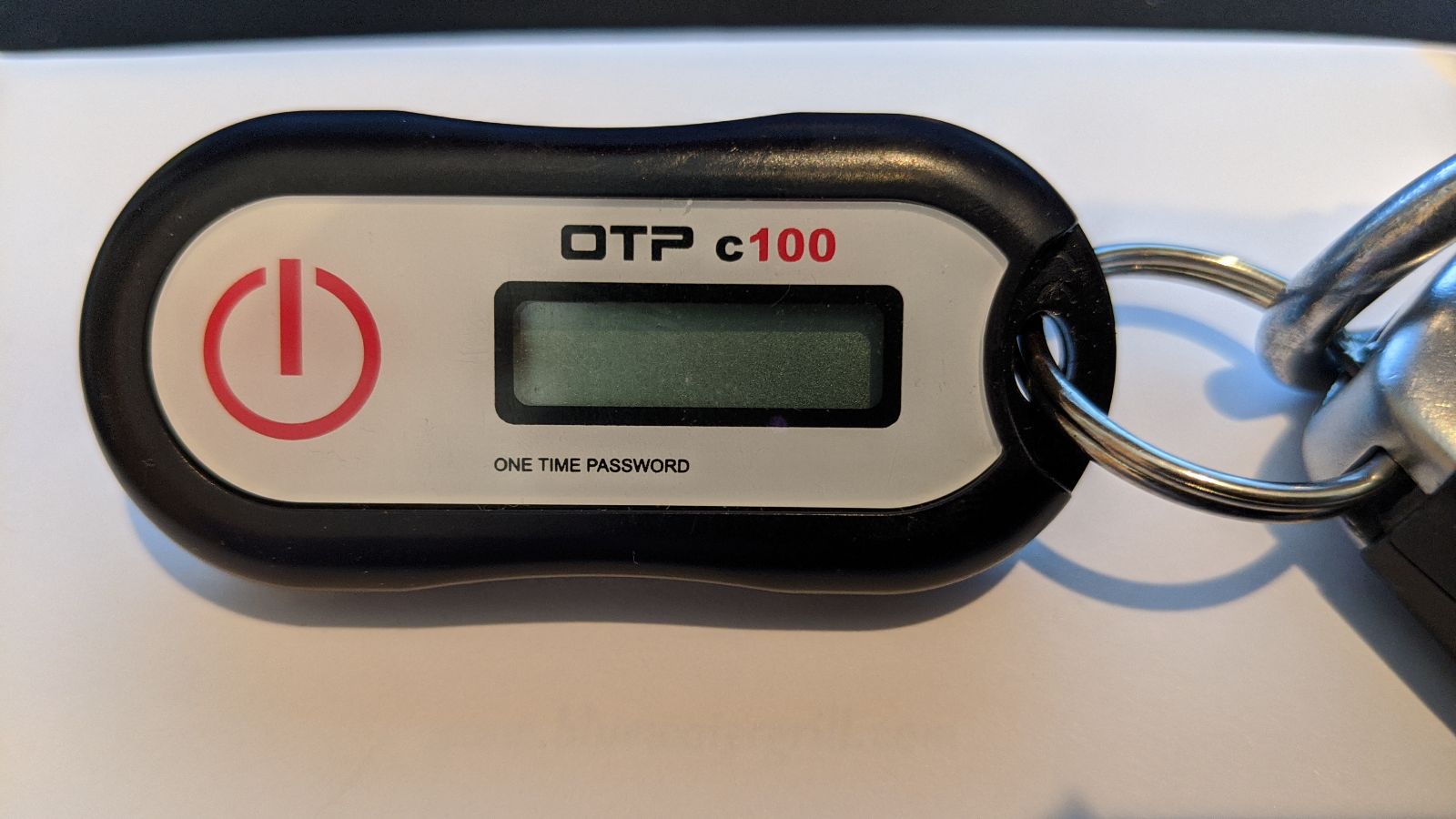
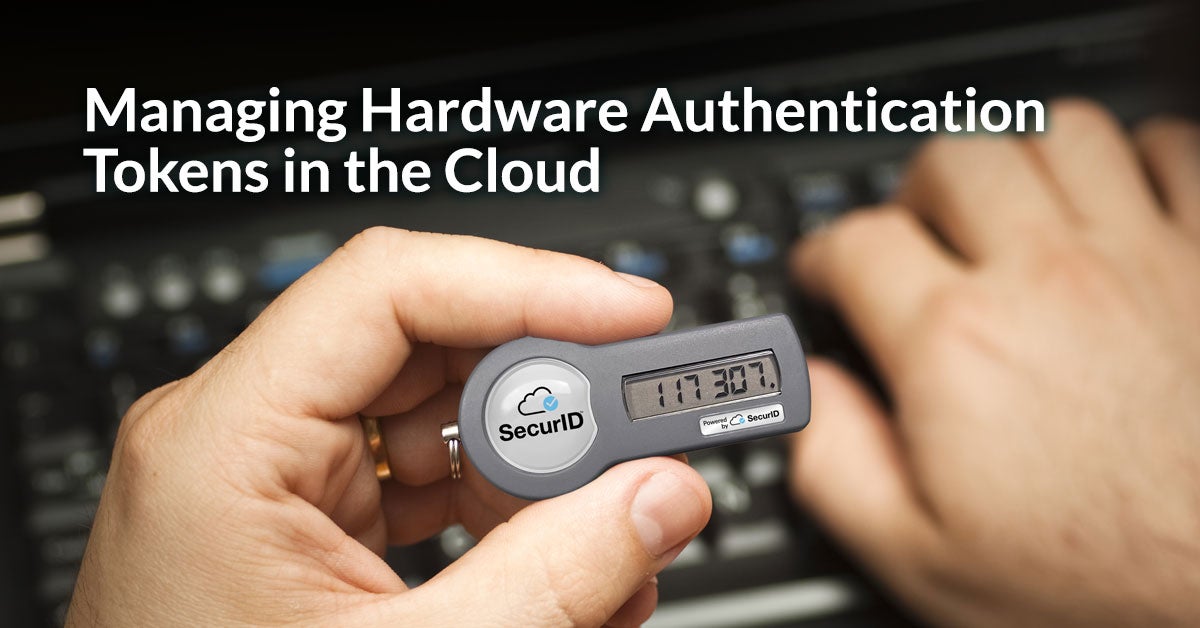
These hard tokens are small, standalone devices equipped with a digital display. They generate a new, unique password at regular intervals (e.g., every 30 or 60 seconds) using a time-synchronization algorithm (TOTP – Time-based One-Time Password) or an event-based algorithm (HOTP – HMAC-based One-Time Password).
- How they work: The user enters their static password into the system, and then reads the currently displayed OTP from the token and inputs it into the second field. Since the OTP is valid for only a short period or for a single use, it cannot be reused if intercepted.
- Advantages: No internet connection or battery (for some models) required for the token itself, making them reliable in various environments.
- Disadvantages: Susceptible to “man-in-the-middle” attacks if the OTP is phished in real-time.
- Examples: RSA SecurID tokens, various generic TOTP hardware tokens.
Smart Cards
Smart cards are credit-card sized devices embedded with an integrated circuit chip. They require a smart card reader (often built into laptops or as an external peripheral) and a PIN for operation.
- How they work: The chip on the smart card stores cryptographic keys and certificates. When used for authentication, the smart card performs cryptographic operations (e.g., digital signing) to prove identity, often in conjunction with a PIN. This combination of “something you have” (the card) and “something you know” (the PIN) makes them very secure.
- Advantages: Robust security features, ability to store multiple applications, widely used in government, military, and enterprise environments for identity and access management.
- Examples: PIV (Personal Identity Verification) cards, CAC (Common Access Card) used by the U.S. government and military.
How Hard Tokens Enhance Security
The benefits of integrating hard tokens into an authentication strategy are profound, offering a substantial upgrade over password-only security.
Phishing Resistance
One of the most significant advantages of hard tokens, particularly FIDO-based security keys, is their inherent resistance to phishing. Unlike passwords or even SMS-based OTPs, these keys perform a cryptographic verification of the website’s origin. If a user is tricked into visiting a malicious phishing site, the security key will recognize that the site’s origin does not match the legitimate service and will refuse to authenticate, effectively stopping the attack in its tracks.
Protection Against Credential Theft

Even if an attacker manages to steal a user’s username and password through malware, a data breach, or social engineering, they cannot gain access without the physical hard token. This means that a successful attack requires not only obtaining the digital credentials but also physically acquiring the token, which is a far more challenging and costly endeavor.
Seamless Multi-Factor Authentication (MFA) Integration
Hard tokens are designed to be a core component of strong MFA. By combining “something you have” with “something you know” (your password) or “something you are” (biometrics for unlocking the token), they create a layered defense that is exponentially more difficult to breach than any single factor alone. This layered approach is critical for protecting high-value accounts and sensitive data.
Regulatory Compliance and Enterprise Security
Many industry regulations and compliance frameworks (e.g., NIST, GDPR, HIPAA) recommend or mandate strong authentication for protecting sensitive information. Hard tokens provide a verifiable, auditable mechanism for meeting these requirements, making them indispensable for organizations in finance, healthcare, government, and other regulated sectors. For enterprises, hard tokens offer centralized management, enabling IT administrators to provision, revoke, and manage employee access with a high degree of control and security.
Implementing and Managing Hard Tokens
While the security benefits are clear, successful adoption of hard tokens requires careful consideration of user experience, deployment logistics, and ongoing management.
User Experience and Adoption Challenges
For individual users, the primary challenge might be the initial setup and the habit of carrying an additional device. However, as support for hard tokens becomes more widespread and their ease of use improves (e.g., simple tap-to-authenticate for FIDO keys), user adoption rates are increasing. Educating users on the benefits of these devices is crucial for encouraging their use.
Deployment and Provisioning for Enterprises
Organizations implementing hard tokens face logistical challenges in provisioning thousands of devices, registering them with user accounts, and providing support. Enterprise-grade solutions often include management platforms that facilitate bulk enrollment, key recovery, and policy enforcement. Integrating these tokens into existing identity and access management (IAM) systems is a key consideration.
Best Practices for Usage and Security
- Protect your token: Treat your hard token like a key to your house; keep it secure and don’t leave it unattended.
- Enroll multiple tokens: For critical accounts, consider enrolling a primary token and a backup token to prevent lockout if one is lost or damaged.
- Combine with a strong password: Hard tokens are strongest when paired with a unique, robust password.
- Stay informed: Keep aware of best practices and security updates related to your specific token type.
The Future of Hard Tokens and Authentication
The evolution of hard tokens continues, driven by the relentless pursuit of more secure, yet convenient, authentication methods. The trend is towards greater integration with other security technologies and a push towards a passwordless future.
Biometrics and Passwordless Authentication
Newer hard tokens are increasingly integrating biometric capabilities, allowing users to unlock or authorize actions on the token itself with a fingerprint. This combines “something you have” with “something you are” directly at the device level, further streamlining and securing the authentication process. The FIDO Alliance, in particular, is spearheading efforts to make passwordless authentication (where the password is replaced entirely by cryptographic keys and biometrics/PINs on a hardware token) a mainstream reality.
The Convergence of Physical and Digital Security
As our lives become more digitally intertwined, the line between physical and digital security blurs. Hard tokens exemplify this convergence, acting as a physical key to digital doors. We can expect to see further innovations that blend physical access control, digital identity, and payment systems into single, secure hardware devices.
Balancing Security and Convenience
The ongoing challenge for authentication technology, including hard tokens, is to strike the right balance between robust security and ease of use. While hard tokens offer unparalleled security, their widespread adoption hinges on making the user experience as frictionless as possible. As technology advances, we can anticipate more intuitive, integrated, and seamless hard token solutions that provide ironclad security without impeding productivity.
In conclusion, a hard token is a critical physical component in the digital security arsenal, offering a superior level of protection against a wide array of cyber threats. By providing a tangible “something you have” factor, these devices fortify the digital perimeter, making our online interactions and data significantly more secure in an increasingly complex threat landscape.
aViewFromTheCave is a participant in the Amazon Services LLC Associates Program, an affiliate advertising program designed to provide a means for sites to earn advertising fees by advertising and linking to Amazon.com. Amazon, the Amazon logo, AmazonSupply, and the AmazonSupply logo are trademarks of Amazon.com, Inc. or its affiliates. As an Amazon Associate we earn affiliate commissions from qualifying purchases.