
The hair diffuser, often perceived merely as a specialized attachment for a standard hairdryer, is in fact a sophisticated piece of personal care technology engineered to optimize the drying process for specific hair types and desired outcomes. Far from being a simple aesthetic accessory, its design incorporates principles of fluid dynamics and thermal management to deliver a controlled, gentle drying experience that conventional nozzle attachments cannot replicate. Understanding its core functionality and application reveals a thoughtful integration of gadget design and hair science, positioning it as an essential tool in a comprehensive hair care regimen, particularly for those with textured, fine, or heat-sensitive hair.
The Gadget’s Core Functionality: Precision Airflow Engineering
At its heart, a hair diffuser is a device designed to disrupt and distribute the concentrated airflow emitted by a hairdryer. Unlike a standard nozzle that directs a focused stream of high-velocity air, the diffuser spreads this airflow over a larger surface area, transforming a powerful jet into a softer, broader current. This engineered dispersion is critical in mitigating the common issues associated with direct heat and forceful airflow, such as frizz, tangling, and the disruption of natural hair patterns.
Understanding Diffuser Mechanics
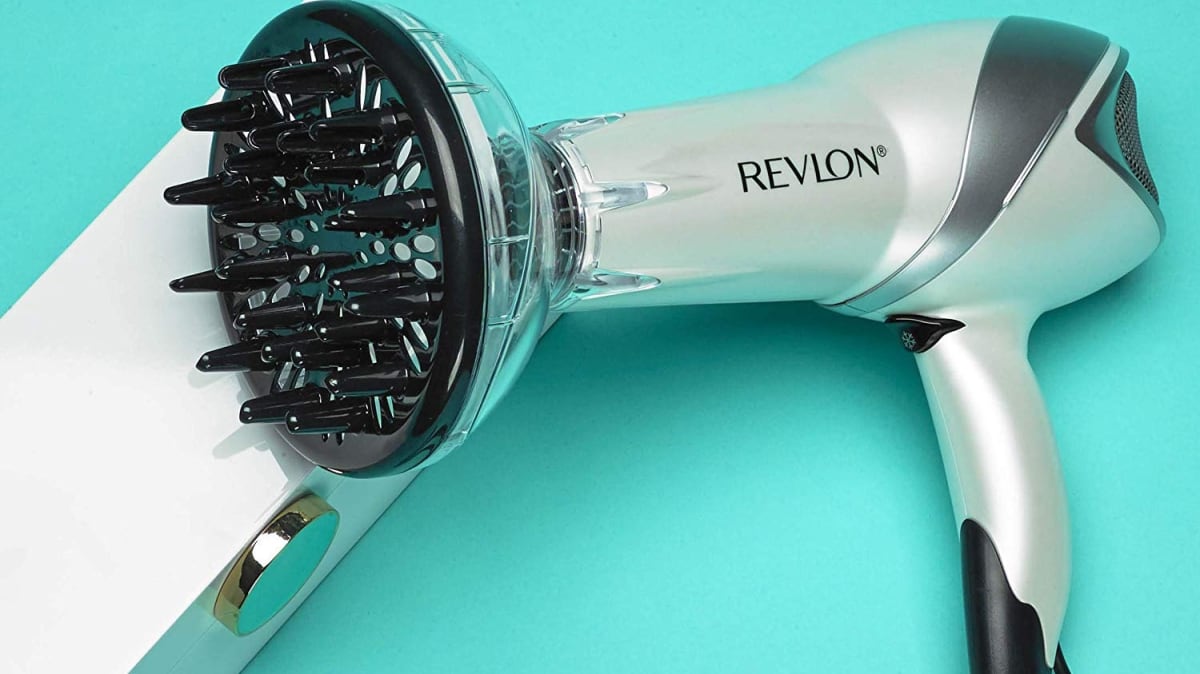
The operational mechanics of a diffuser revolve around its unique physical architecture. Typically a bowl-shaped attachment with an array of “fingers” or vents, it serves multiple functions. The primary bowl structure acts as a plenum, collecting the high-speed air from the hairdryer and allowing it to expand before being gently released. The strategically placed vents further subdivide this airflow into numerous smaller, less aggressive streams. Some diffusers incorporate “fingers” or prongs, often made from heat-resistant polymers or silicone, which serve to lift and separate sections of hair. This separation is crucial; it allows air to circulate more evenly around the individual strands and groups of strands, ensuring a more uniform and less aggressive drying process from root to tip. The material science behind these components is also critical, often involving high-grade, heat-resistant plastics or silicones that can withstand the operational temperatures of a hairdryer without deforming or leaching harmful substances.
The Science of Controlled Airflow
The principle of controlled airflow is the cornerstone of diffuser technology. When hair is exposed to a rapid, concentrated blast of hot air, the cuticle layers—the outermost protective scales of the hair shaft—can be lifted and become rough. This state leads to frizz and a dull appearance, as light reflects poorly off a disrupted surface. The diffuser mitigates this by significantly reducing the kinetic energy of the air striking the hair. By lowering the air velocity, it minimizes the mechanical agitation of the hair cuticle. Simultaneously, the broadened air stream means that the thermal energy is distributed more evenly and less intensely over a larger area, reducing the risk of localized heat damage or “hot spots” that can occur with direct nozzle drying. This gentle thermal transfer allows for the controlled evaporation of moisture from the hair, preserving its internal structure and natural moisture balance more effectively than high-impact drying methods.
Optimizing Hair Health and Style with Advanced Drying Tech
The application of a hair diffuser extends beyond mere drying, positioning itself as a strategic tool for hair health optimization and style enhancement. Its technological design directly addresses common hair concerns by offering a gentler, more controlled environment for moisture removal.
Preventing Heat Damage: A Key Technical Advantage
One of the most significant advantages of using a hair diffuser is its capacity to prevent heat damage. Traditional blow-drying, especially at high heat settings and with a direct nozzle, can subject hair to extreme temperatures that degrade protein structures, leading to brittleness, split ends, and overall weakening of the hair shaft. The diffuser acts as a thermal buffer, distributing heat more broadly and reducing its direct intensity on any single section of hair. This allows for effective drying at lower temperatures or over a slightly longer duration at a safer, consistent heat level, thereby minimizing thermal stress on the hair. The uniform heat distribution facilitated by the diffuser’s design also reduces the need for repeated exposure of certain sections to high heat, further safeguarding the hair’s integrity. For individuals who frequently use heat styling tools, integrating a diffuser into their routine can be a pivotal step in maintaining hair resilience and reducing long-term damage.
Enhancing Natural Textures: Curls and Waves
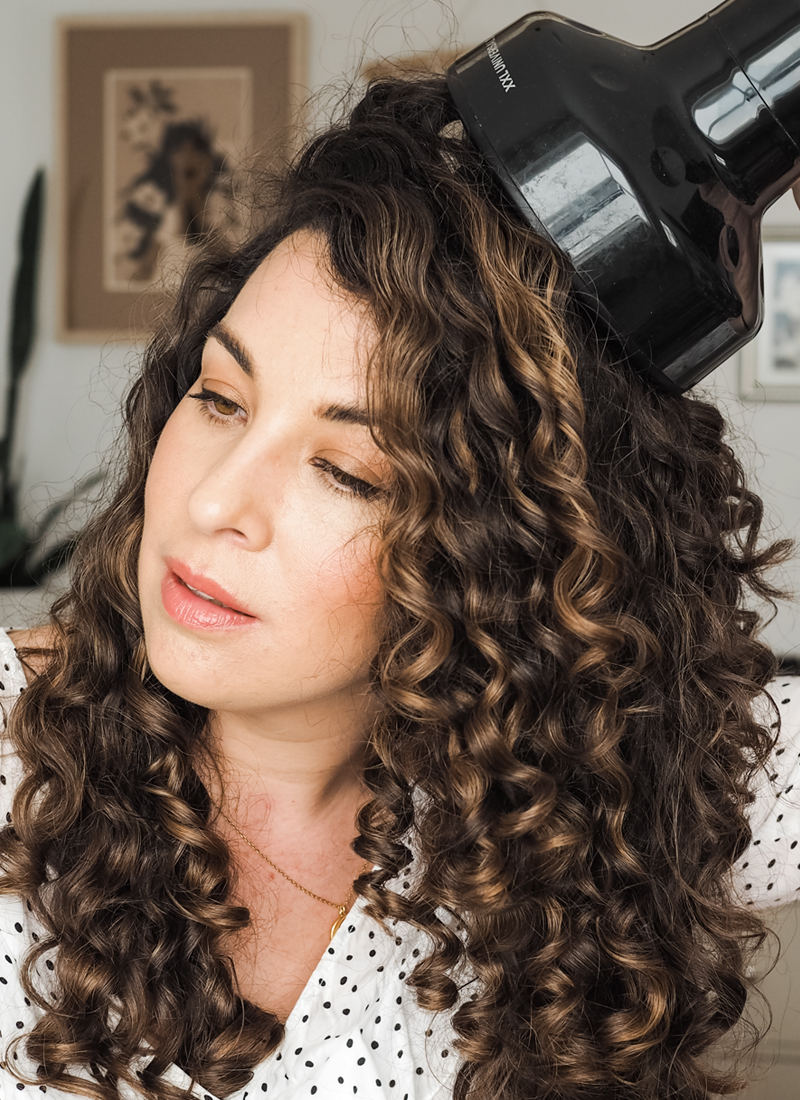
The hair diffuser is perhaps most celebrated for its profound impact on naturally textured hair, particularly curls and waves. The forceful airflow from a standard hairdryer tends to blow apart the delicate formations of curls, leading to a frizzy, undefined outcome. The diffuser’s gentle, distributed air current, however, allows curls to dry undisturbed, preserving their natural helical pattern. The “fingers” on many diffuser models play a crucial role here, gently cradling and lifting sections of hair at the root, which encourages definition and volume without disrupting the curl clumps. By maintaining the integrity of these curl patterns during the drying phase, the diffuser ensures that the hair dries true to its natural form, resulting in well-defined, bouncy, and resilient curls that are less prone to frizz and more consistent in shape. It essentially provides a controlled micro-environment where the natural structure of the hair can set effectively.
Adding Volume and Reducing Frizz
Beyond curl definition, diffusers are highly effective in adding volume and significantly reducing frizz across various hair types. The gentle lifting action provided by the diffuser’s prongs at the roots helps to create natural lift and fullness, particularly beneficial for fine or limp hair that often struggles with volume. By drying the hair from the roots outwards in a lifted position, the diffuser prevents hair from drying flat against the scalp, creating a more voluminous style. Furthermore, the diffuse airflow is instrumental in frizz reduction. Frizz is often a result of the hair cuticle being roughed up or raised by aggressive drying, allowing moisture from the environment to penetrate the hair shaft unevenly. By ensuring that the air moves slowly and gently, the diffuser helps the cuticle layers lie flat and smooth as the hair dries, sealing in moisture and creating a smoother, more polished finish with considerably less frizz. This systematic approach to drying helps maintain the hair’s epidermal integrity, a key factor in frizz control.
Design and Compatibility: A User-Centric Approach
The engineering of hair diffusers also involves significant consideration of design and compatibility, reflecting a user-centric approach to accessory development. The effectiveness of a diffuser is not only in its internal mechanics but also in how seamlessly it integrates with existing hair drying technology and how robustly it performs over time.
Universal vs. Brand-Specific Attachments
The market offers a range of diffuser designs, broadly categorized into universal and brand-specific attachments. Universal diffusers are engineered with flexible, adjustable collars, often made of silicone, designed to fit a wide array of hairdryer nozzle sizes. This adaptability is a technological feat in itself, requiring materials that can withstand varying degrees of heat and mechanical stress while maintaining a secure grip. The advantage here lies in interoperability, allowing users to upgrade their drying experience without committing to a specific hairdryer brand. Conversely, brand-specific diffusers are meticulously designed to perfectly match the dimensions and airflow dynamics of a particular hairdryer model. These often integrate more securely and can sometimes offer a more optimized performance due to their precise fit, ensuring minimal air leakage and maximal diffusion efficiency. The choice often comes down to a trade-off between versatility and optimized integration within a specific hair drying system.
Material Innovations and Durability
The materials used in diffuser construction are critical for both performance and longevity. Modern diffusers typically utilize advanced heat-resistant polymers, such as high-grade polycarbonates or specialized silicones. These materials are chosen for their ability to withstand the continuous high temperatures generated by hairdryers without deforming, melting, or releasing volatile organic compounds (VOCs). Silicones, in particular, offer excellent heat resistance, flexibility, and a soft-touch finish, making them ideal for the collapsible designs popular for travel or for the flexible collars of universal diffusers. The durability of these materials ensures that the diffuser can endure repeated use and attachment/detachment cycles without significant wear and tear, representing a sound investment in a long-lasting hair care gadget. Further innovations are constantly being explored, including materials that incorporate negative ion technology or ceramic elements to further enhance drying efficiency and hair health benefits.
Integrating Diffusers into Your Hair Tech Ecosystem
Effectively harnessing the capabilities of a hair diffuser involves understanding how to integrate this specialized gadget into a broader hair care technology ecosystem. This includes selecting the appropriate device and adopting optimal usage protocols to maximize its technical advantages.
Choosing the Right Diffuser for Your Hairdryer
The selection of a diffuser is a critical step that impacts its overall performance and user satisfaction. Compatibility is paramount. If opting for a universal diffuser, it’s essential to verify its flexible collar’s diameter range against the specific dimensions of your hairdryer’s nozzle. A loose fit will lead to air leakage and reduced efficiency, while an overly tight fit may damage the hairdryer or the diffuser itself. For brand-specific models, ensuring the correct model match is straightforward. Beyond compatibility, consider the design of the diffuser bowl and fingers. Larger, deeper bowls are often better for long, thick, or very curly hair, allowing more hair to be cradled at once. Shorter, wider diffusers might be more suitable for shorter styles or to add root volume. The material of the “fingers” also varies; some are rigid plastic, while others are soft silicone, each offering a different tactile experience and level of gentleness on the scalp. Evaluating these technical specifications against your personal hair type and styling needs will ensure optimal results.
Best Practices for Diffuser Application
Effective diffuser application is a technique that, once mastered, significantly enhances the drying outcome. Begin with towel-dried hair, ensuring excess water has been gently squeezed out without rough rubbing, which can already initiate frizz. Apply any desired styling products (curl creams, mousses) to wet hair before diffusing. When operating the hairdryer with the diffuser attached, use a medium heat setting and low to medium airflow. High heat and strong airflow, even with a diffuser, can still lead to frizz and damage.
The most common technique involves tilting your head to the side and gently cupping sections of hair into the diffuser bowl, lifting it towards the scalp. Allow the hair to dry in this position for several seconds before moving to the next section. Avoid vigorously moving the diffuser around or shaking your head, as this can still disrupt curl patterns and encourage frizz. For added root volume, gently press the diffuser prongs directly against the scalp while drying, rotating it slightly. For length, let the hair sit in the bowl, drying from the ends upwards. The goal is to minimize direct manipulation and allow the diffuse air to do its work. Discontinue diffusing when hair is about 80-90% dry, allowing the remaining moisture to air dry to further lock in definition and prevent over-drying.

The Evolution of Hair Drying Technology
The hair diffuser stands as a testament to the continuous evolution of personal care technology, particularly within the realm of hair drying. From rudimentary hot air blowers to sophisticated, intelligent hairdryers with advanced heat sensors and ionic technology, the focus has consistently been on minimizing damage while maximizing styling potential. The diffuser represents a specialized refinement in this journey, acknowledging that a “one-size-fits-all” approach to drying is insufficient for the diverse range of hair textures. Its development showcases an engineering response to specific user needs, creating a tool that not only dries hair but actively preserves its health and enhances its natural beauty through controlled thermal and kinetic management. As material science and airflow dynamics continue to advance, we can anticipate further innovations in diffuser technology, potentially incorporating smart features, more efficient heat distribution algorithms, and even more ergonomic designs to further elevate the hair drying experience.
aViewFromTheCave is a participant in the Amazon Services LLC Associates Program, an affiliate advertising program designed to provide a means for sites to earn advertising fees by advertising and linking to Amazon.com. Amazon, the Amazon logo, AmazonSupply, and the AmazonSupply logo are trademarks of Amazon.com, Inc. or its affiliates. As an Amazon Associate we earn affiliate commissions from qualifying purchases.