
Navigating the world of car insurance can often feel like deciphering a complex financial puzzle. Among the many terms and conditions, the concept of a “grace period” stands out as a critical, yet frequently misunderstood, element of your auto policy. For individuals managing their personal finances, understanding the grace period isn’t just about avoiding a lapse in coverage; it’s about safeguarding assets, preventing unexpected expenses, and maintaining a healthy financial profile.
Understanding the Car Insurance Grace Period
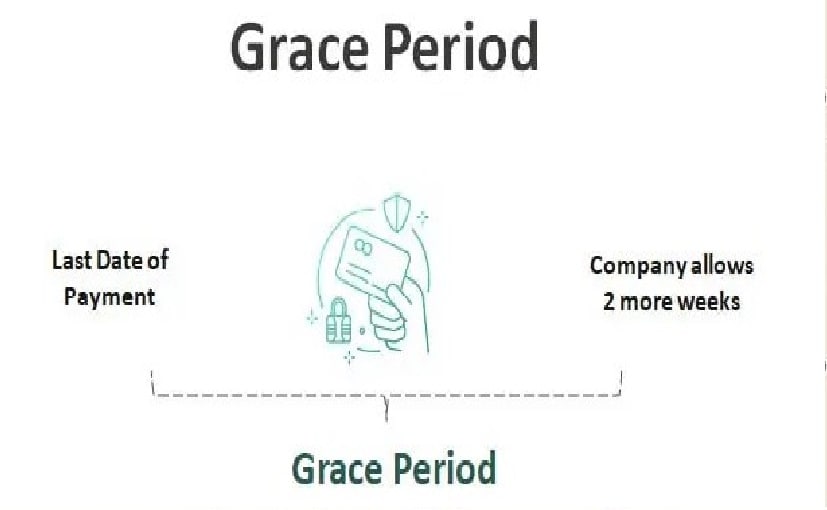
At its core, a grace period in car insurance is a defined window of time, typically after your premium due date, during which your coverage remains active despite a missed payment. It’s essentially a temporary reprieve, offering policyholders a short period to make their payment without immediately incurring penalties or having their policy canceled.
Definition and Purpose
The grace period serves as a safety net for policyholders who might face a minor hiccup in their financial schedule. Perhaps a paycheck was delayed, or a bill slipped through the cracks. During this period, your insurance policy remains in full effect, meaning you are still covered for claims as per your policy’s terms. The primary purpose is to prevent immediate cancellation and the severe financial repercussions that come with driving uninsured, while also providing insurers with a buffer before taking more drastic action. It acknowledges the occasional unpredictability of personal finance without penalizing policyholders too harshly for a brief oversight.
How Grace Periods Work
When your car insurance premium is due, your insurer expects payment by that specific date. If you fail to pay on time, many insurance companies will not immediately cancel your policy. Instead, they initiate a grace period. During this time, your coverage continues as usual. However, if the payment is not received by the end of the grace period, your policy will typically be canceled retroactively to the original due date or the end of the grace period, depending on the insurer and state regulations. This retroactivity is a crucial financial detail, as it means any incident that occurred during the grace period might not be covered if the payment ultimately wasn’t made.
Why Grace Periods Exist
From an insurer’s perspective, grace periods reduce administrative overhead associated with immediate cancellations and reinstatements for minor payment delays. It fosters better customer relations by offering flexibility and helps retain policyholders who are otherwise reliable. For consumers, it’s a crucial financial safeguard. Without it, a single missed payment could instantly void coverage, exposing drivers to immense financial risk in the event of an accident. It’s a mechanism built into many financial contracts, from mortgages to credit cards, designed to offer a practical margin of error.
Common Scenarios and Duration of Grace Periods
While the concept of a grace period is common, its specifics are far from universal. Understanding the typical durations and influencing factors is key to managing your insurance payments effectively.
Varies by Insurer and State
One of the most important financial considerations regarding grace periods is that there is no federal mandate dictating their existence or length for car insurance. Each insurance company sets its own policy regarding grace periods, and these policies can also be influenced by state regulations. Some states might require insurers to offer a minimum grace period, while others leave it entirely to the discretion of the provider. This variability necessitates that policyholders actively verify the grace period terms with their specific insurer.
Typical Lengths
Grace periods can range significantly. Some insurers might offer a very short grace period, perhaps just 7-10 days. Others might extend this to 20 or even 30 days. It’s less common, but some insurers may not offer a grace period at all, meaning your policy could be canceled immediately upon non-payment. This is particularly true for new policies or those with a history of payment issues, where the perceived financial risk is higher.
Factors Influencing Grace Period Length
Several factors can influence the grace period offered:
- Insurer Policy: The individual company’s internal policies and risk assessment.
- State Regulations: Laws in your specific state may mandate a minimum grace period.
- Payment History: Long-term policyholders with a consistent payment record might implicitly receive more leniency than new customers or those with a history of missed payments.
- Policy Type: Certain types of policies or coverage levels might have different grace period stipulations, though this is less common for standard auto insurance.
No Universal Standard
The absence of a universal standard underscores the importance of proactive financial management. Never assume you have a grace period, or that it’s a specific length, without confirming with your insurance provider. Relying on assumptions can lead to critical gaps in coverage and significant financial liabilities. For savvy financial planners, this means reviewing policy documents carefully or contacting an agent directly to understand the exact terms before an issue arises.
The Risks of Lapsing Coverage and Not Paying on Time
Allowing your car insurance to lapse, even for a short period, carries substantial financial risks and legal consequences that can far outweigh the cost of a missed premium. Understanding these dangers is crucial for responsible personal finance.
Consequences of Uninsured Driving
Driving without valid car insurance is illegal in almost every state and can lead to severe penalties. These can include:
- Fines: Significant monetary penalties that can run into hundreds or even thousands of dollars.
- License Suspension: Your driving privileges could be suspended, requiring fees for reinstatement.
- Vehicle Impoundment: Your car could be impounded, leading to towing and storage fees that quickly accumulate.
- SR-22 Filing: Many states require an SR-22 form (proof of financial responsibility) for a period after a lapse, which often leads to higher insurance premiums.
These consequences represent direct financial drains and can disrupt your ability to work or manage daily life, impacting your overall financial stability.
Financial Exposure in an Accident
This is perhaps the most significant financial risk. If you are involved in an accident while your insurance policy has lapsed, you will be solely responsible for all damages and injuries. This includes:
- Vehicle Repair/Replacement: The cost to repair your car, or replace it if it’s totaled.
- Other Parties’ Damages: Repairs or replacement costs for other vehicles or property involved in the accident.
- Medical Bills: The often staggering costs of injuries to yourself, your passengers, and occupants of other vehicles.
- Legal Fees and Lawsuits: If the accident is severe, you could face personal injury lawsuits that may result in multi-million dollar judgments against you, potentially leading to wage garnishment, asset seizure, or even bankruptcy.
Without insurance, your personal assets – savings, investments, home equity – are directly exposed to these liabilities, threatening your entire financial future.
Higher Premiums Upon Reinstatement
Insurers view a lapse in coverage as a red flag, indicating higher risk. If your policy lapses and you later seek to reinstate it or obtain new coverage, you will almost certainly face higher premiums. This is because insurers perceive a driver with a lapse as more likely to file claims or to be less financially responsible. The “lapse penalty” can last for several years, costing you significantly more over the long term than if you had simply paid your premium on time. This increase represents a continuous financial burden that impacts your monthly budget.
Difficulty Obtaining New Coverage
After a lapse, some insurers might be hesitant to offer you coverage at all, or they might offer only very basic, high-cost policies. This limits your options and reduces your ability to shop for competitive rates, further increasing your long-term insurance expenses. Your financial flexibility in choosing providers is diminished.
Impact on Driving Record and Credit Score
While a lapse doesn’t directly hit your credit score like a missed loan payment, the associated fines, legal costs, and higher premiums can indirectly strain your finances, potentially affecting your ability to meet other financial obligations. Furthermore, state DMVs often track insurance lapses, which can impact your driving record and future insurability.
How to Avoid Lapsing and Manage Payments Effectively
Proactive financial management is the best defense against allowing your car insurance to lapse. Several strategies can help ensure timely payments and continuous coverage.
Setting Up Auto-Pay
One of the most effective ways to avoid missing a payment is to enroll in your insurer’s auto-pay program. This automatically deducts your premium from your bank account or charges your credit card on the due date. It eliminates the risk of human error and forgotten due dates, ensuring continuous coverage and often leading to a small discount from the insurer.
Payment Reminders and Notifications
Utilize your insurer’s digital tools. Many companies offer email, SMS, or app notifications to remind you of upcoming due dates. If auto-pay isn’t an option or if you prefer manual payments, set up personal reminders on your calendar or through budgeting apps. These alerts are invaluable for staying on top of your financial commitments.
Understanding Your Policy’s Terms
Don’t just pay the bill; understand the policy. Review your insurance documents to know your specific due dates, payment options, and, crucially, the exact terms of your grace period. Knowing this information upfront empowers you to act decisively if a payment issue arises.
Contacting Your Insurer Proactively
If you anticipate a financial difficulty that might lead to a late payment, contact your insurer before the due date. They may be able to offer a short extension, discuss alternative payment arrangements, or provide guidance to prevent a lapse. Open communication can often prevent a small issue from becoming a significant financial problem.
Exploring Payment Plan Options
Many insurers offer flexible payment plans, such as monthly, quarterly, or semi-annual payments. If annual lump-sum payments are a strain on your budget, explore options that spread the cost more evenly throughout the year. While some plans might involve a slight administrative fee, it’s often a small price to pay for budgeting ease and continuous coverage.
Budgeting for Insurance Premiums
Integrate your car insurance premiums into your regular financial budget. Treat it as a fixed, non-negotiable expense. Setting aside funds monthly for semi-annual or annual premiums ensures that the money is available when needed, preventing scrambling at the last minute and safeguarding your policy.
What to Do If Your Grace Period is Expiring or Has Expired
Even with the best financial planning, circumstances can sometimes go awry. If you find yourself approaching the end of your grace period, or if it has already expired, swift and decisive action is paramount to minimize financial damage.
Immediate Action: Contact Your Insurer
The very first step is to immediately contact your insurance provider. Do not delay. Explain your situation honestly. They are often your best resource for understanding your options and the precise status of your policy. They can confirm the exact grace period end date, whether your policy is still active, or if it has already been canceled.
Reinstatement vs. New Policy
If your policy is still within the grace period, making the payment as quickly as possible is usually the simplest path to maintaining continuous coverage. You might be charged a late fee, but your coverage will remain active.
If your grace period has expired and your policy has been canceled, you’ll need to discuss reinstatement. Reinstatement means reactivating your old policy, often with a fee and potentially a higher premium going forward. Some insurers might allow reinstatement even after a lapse, especially if it’s a first-time occurrence. Be prepared for questions about why the payment was missed and to pay any outstanding premiums and fees. During the period your policy was canceled, you were uninsured, and any claims occurring then would not be covered.
In some cases, reinstatement might not be an option, or the costs associated with it (including higher future premiums due to the lapse) might be prohibitive.
Potential Penalties
Beyond the risk of driving uninsured, allowing your policy to lapse will almost always result in financial penalties. These can include:
- Late payment fees.
- Reinstatement fees.
- Increased premiums upon reinstatement or when securing new coverage due to being perceived as a higher-risk driver.
- Administrative fees to process the changes.
These fees directly impact your personal budget and highlight the financial benefit of proactive management.

Shopping for New Coverage (if reinstatement is not feasible or too costly)
If reinstatement with your current insurer isn’t an option, or if the new premium quotes are too high, you will need to shop for new coverage immediately. Be transparent about your coverage lapse when getting quotes, as most insurers will discover it during the underwriting process anyway. While you might face higher initial premiums due to the lapse, comparing quotes from multiple providers can help you find the most affordable option. Remember, driving without insurance is not an option; the financial and legal risks are simply too great. Securing new coverage should be your top priority to protect your assets and comply with the law.
aViewFromTheCave is a participant in the Amazon Services LLC Associates Program, an affiliate advertising program designed to provide a means for sites to earn advertising fees by advertising and linking to Amazon.com. Amazon, the Amazon logo, AmazonSupply, and the AmazonSupply logo are trademarks of Amazon.com, Inc. or its affiliates. As an Amazon Associate we earn affiliate commissions from qualifying purchases.