
In the vast landscape of culinary ingredients, sugar often appears as a simple, undifferentiated commodity. Yet, for discerning consumers, professional chefs, and meticulous bakers, the type of sugar—particularly its granularity—is a critical factor. Among these distinctions, “fine sugar” holds a specific, albeit often subtly branded, place. Understanding what fine sugar is, from a brand perspective, involves dissecting how companies define, market, and position this particular variant to influence perception, drive purchase, and cultivate brand loyalty within specific culinary niches.
The Brand Identity of Sweetness: Defining Fine Sugar in the Market
Sugar manufacturers operate in a highly competitive market, where product differentiation extends beyond basic chemical composition. The core challenge is transforming a ubiquitous commodity into a branded experience. Fine sugar, at its essence, refers to granulated sugar with a smaller crystal size than standard granulated or “regular” sugar. However, its brand identity is built on more than just physical attributes; it encompasses perceived purity, quality, and specialized application.
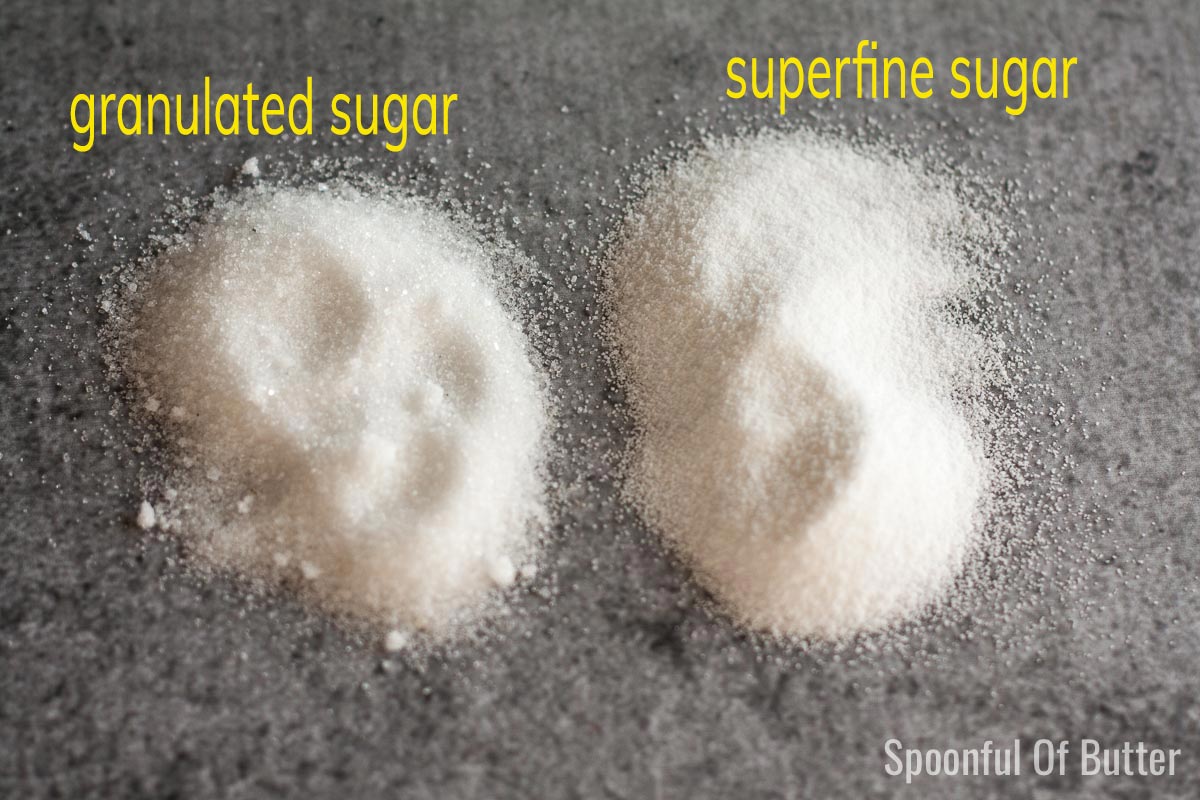
Companies strategically segment their sugar offerings to cater to various consumer needs. While “granulated sugar” serves as the all-purpose staple, brands introduce categories like “powdered sugar” (confectioners’ sugar), “superfine sugar” (caster sugar), and sometimes simply “fine sugar” to highlight specific utility. The nomenclature itself is a branding exercise, signaling a particular level of refinement and intended use. For instance, “superfine” immediately connotes a premium product suited for delicate tasks, differentiating it from the everyday “granulated.”
Granularity as a Brand Feature
The physical characteristic of particle size becomes a crucial brand feature for fine sugars. Manufacturers carefully control the milling process to achieve a consistent, smaller crystal. This isn’t merely a technical specification; it’s a selling point. Brands emphasize the rapid dissolution of fine sugar, its ability to cream smoothly with fats, and its tendency to create lighter, more uniform textures in baked goods and confections. These functional benefits are translated into brand promises of superior results for the consumer, particularly in baking where precision is paramount. A sugar brand marketing “fine sugar” is not just selling sucrose; it’s selling consistency, reliability, and an enhanced culinary outcome.
The Perception of Premium
Fine sugar often carries an implicit association with higher quality or a “premium” segment, even if the base chemical composition remains identical to coarser sugars. This perception is carefully cultivated through branding. Packaging might feature more sophisticated designs, understated color palettes, or even artisanal-style fonts to evoke a sense of craftsmanship and exclusivity. The branding narrative positions fine sugar as an essential tool for those who seek perfection in their culinary creations, thereby elevating its status beyond a mere ingredient to a specialized instrument. This strategic positioning allows brands to command a potentially higher price point and capture market share among dedicated hobbyists and professional users.
Marketing the ‘Fineness’: Strategy and Consumer Perception
The marketing strategy for fine sugar revolves around educating consumers about its unique benefits and aligning it with specific culinary applications. Unlike generic granulated sugar, which is sold on volume and price, fine sugar is marketed on its performance characteristics.
Brands targeting bakers and those interested in more intricate dessert making will highlight the seamless integration of fine sugar into batters and meringues, its ability to create a tender crumb, or its capacity to produce exceptionally smooth glazes and frostings. The messaging often leans into themes of precision, smoothness, and rapid dissolution, positioning the product as a catalyst for superior results.
Crafting the Narrative
Effective branding for fine sugar involves crafting a compelling narrative around its use. This often takes the form of recipe development, partnerships with culinary influencers, and engaging content that demonstrates the tangible advantages of using fine sugar over other types. A brand might showcase how fine sugar prevents a grainy texture in custards or ensures a perfectly stable meringue, thus reinforcing its value proposition. The narrative focuses on problem-solving for the consumer: achieving professional-grade results at home. This approach moves beyond simply listing features to illustrating benefits in a relatable, aspirational context.
Visual Cues and Packaging Design
Packaging design plays a critical role in conveying the ‘fineness’ of the product. Beyond premium aesthetics, visual cues often include imagery of delicate pastries, smooth creams, or elegant beverages, all suggesting the refined outcome achievable with the product. The type of packaging material itself can contribute to the brand’s message; sturdy, re-sealable bags or elegant canisters might be used to imply longevity and protection for a specialty ingredient. Information on the packaging often details suggested uses, ensuring that consumers understand the specialized role of fine sugar and reinforcing its brand identity as a dedicated baking ingredient. Clear instructions or recipe ideas serve to guide consumer choice and reinforce the product’s premium standing.

Corporate Identity and Product Line Integration
For established food ingredient companies, integrating fine sugar into their broader corporate identity and product portfolio is a strategic exercise. It’s about maintaining a cohesive brand message while segmenting the market effectively. A company renowned for its quality ingredients will ensure its fine sugar offering reflects that same commitment to excellence.
Ensuring consistency across different sugar products—from raw sugar to powdered sugar—is vital for a strong corporate identity. The “fine sugar” variant must fit seamlessly into this continuum, embodying the brand’s overall promise of quality and reliability. It signifies that the company understands the nuances of baking and cooking, providing tailored solutions rather than a one-size-fits-all product.
From Commodity to Brand Experience
The successful branding of fine sugar elevates it from a mere commodity to a branded experience. This transformation is achieved by focusing on the intangible benefits: the satisfaction of achieving perfect results, the joy of delicate textures, and the confidence that comes with using the right ingredient for the job. Brands invest in creating this experience through consistent quality, thoughtful packaging, and targeted marketing that speaks directly to the aspirations of their target audience. They’re not just selling sweetness; they’re selling culinary achievement.
Value Proposition and Market Segmentation
Fine sugar’s value proposition is built on its specialized utility and the superior results it promises. For businesses, this translates into clear market segmentation. While bulk granulated sugar might target industrial users or large families, fine sugar aims at home bakers, artisanal food producers, and gourmet kitchens. This allows companies to diversify their revenue streams and capture different segments of the market with tailored offerings, optimizing their overall business finance and brand equity. The strategic placement of fine sugar within a product matrix demonstrates a deep understanding of consumer needs and market dynamics.
Case Studies in Sweet Success: Brands and Fine Sugar
Several brands have successfully carved out a niche for fine sugars by honing their branding strategies. For example, some regional brands famous for their baking ingredients might explicitly label “Superfine Caster Sugar” or “Bakers’ Fine Sugar,” often accompanied by images of delicate cakes or pristine meringues on their packaging. They often partner with popular food bloggers or celebrity chefs who endorse their products through recipe creations and demonstrations, leveraging the credibility of these figures to underscore the superior performance of their fine sugar.
Another approach involves brands emphasizing the heritage and meticulous processing behind their fine sugar. They might highlight traditional milling techniques or the purity of their sugar source, crafting a story that resonates with consumers looking for authenticity and quality. These narratives often include testimonials from professional bakers, further cementing the product’s reputation within its target demographic.
These brands understand that success isn’t just about the product itself but about the story it tells, the aspirations it fulfills, and the specific niche it serves within a broader culinary culture. They differentiate their “fine sugar” by carefully curating its identity, marketing it as an indispensable tool for achieving culinary excellence.
The Future of Fine Sugar Branding: Innovation and Consumer Trends
The branding landscape for fine sugar is continuously evolving, influenced by broader consumer trends and technological advancements. Sustainability and ethical sourcing are emerging as significant new branding angles. Brands are increasingly highlighting their commitments to environmental stewardship, fair labor practices, and transparent supply chains, appealing to a growing segment of ethically conscious consumers. Fine sugar from sustainable sugarcane plantations, for instance, could become a new premium category.
Health trends also play a pivotal role. While fine sugar is still sugar, brands might explore marketing strategies that focus on its purity or its role in allowing for precise control of sweetness in recipes, aligning with consumers who seek moderation and informed choices.
Finally, digital marketing and engagement with the vibrant online baking community are becoming indispensable. Brands are leveraging social media, online tutorials, and interactive content to connect with their audience, build brand loyalty, and demonstrate the versatility and benefits of fine sugar in real-time. The future of fine sugar branding lies in its ability to adapt to these evolving consumer values while continually reinforcing its core promise of delivering refined results for discerning palates.
aViewFromTheCave is a participant in the Amazon Services LLC Associates Program, an affiliate advertising program designed to provide a means for sites to earn advertising fees by advertising and linking to Amazon.com. Amazon, the Amazon logo, AmazonSupply, and the AmazonSupply logo are trademarks of Amazon.com, Inc. or its affiliates. As an Amazon Associate we earn affiliate commissions from qualifying purchases.