
Modern heating, ventilation, and air conditioning (HVAC) systems are marvels of engineering, designed to keep our homes comfortable efficiently. At the heart of many such systems, especially those utilizing heat pumps, lies the sophisticated control of a thermostat. Among the various settings on a Honeywell thermostat, “Emergency Heat” is a function that often sparks curiosity, and sometimes confusion, among homeowners. Understanding its purpose, activation, and implications is crucial for maintaining both comfort and energy efficiency. This setting is not for casual use; it’s a critical failsafe designed for specific scenarios, distinct from the everyday operation of your heat pump and its auxiliary heating components.
Understanding Your Heat Pump System
To fully grasp what emergency heat entails, it’s essential to first comprehend the basics of how a heat pump operates and its relationship with supplemental heating. Unlike traditional furnaces that generate heat by burning fuel, heat pumps work by transferring heat. In cooler months, they extract heat from the outside air (even very cold air contains some heat) and transfer it indoors. In warmer months, the process reverses, removing heat from inside your home and expelling it outdoors. This heat transfer process makes heat pumps incredibly energy-efficient, as they move heat rather than create it.
How a Heat Pump Operates
A heat pump consists of an outdoor unit and an indoor unit, connected by refrigerant lines. The outdoor unit contains a compressor and coils that absorb heat from the ambient air. The heated refrigerant then travels to the indoor unit, where a fan blows air across another coil, distributing warmth throughout your home. This cycle is significantly more efficient than electric resistance heating, often providing several units of heat energy for every unit of electrical energy consumed. However, the efficiency of a heat pump can diminish as outdoor temperatures plummet. When the temperature drops below a certain point (often around 35-40°F or 2-4°C), extracting sufficient heat from the outside air becomes more challenging, and the heat pump may struggle to meet the heating demand.
Auxiliary Heat (Supplemental Heat)
This is where auxiliary heat, often referred to as “supplemental heat” or “second stage heat,” comes into play. Most heat pump systems are paired with a secondary heating source, commonly electric resistance coils integrated into the indoor air handler, or sometimes a gas furnace. When the heat pump alone cannot effectively warm your home (e.g., during colder temperatures or when a quick temperature increase is needed), your Honeywell thermostat automatically activates this auxiliary heat. The thermostat is programmed to monitor the indoor temperature and compare it to the setpoint. If the heat pump is running continuously but the temperature isn’t rising at an adequate rate, or if the outdoor temperature falls below a pre-set threshold, the auxiliary heat will automatically engage to assist the heat pump. This combination ensures consistent warmth while still prioritizing the more efficient heat pump operation as much as possible. The thermostat typically displays a “Aux Heat On” or “Auxiliary Heat” indicator when this mode is active. This automatic activation is a normal, energy-efficient (compared to constant auxiliary heat) part of a well-functioning heat pump system in colder climates.
The Role of Emergency Heat
While auxiliary heat is an automatic, integrated part of your heat pump’s operation, “Emergency Heat” is a distinct, user-activated mode with a very specific purpose. It bypasses the heat pump entirely and forces the auxiliary heating system to take over as the sole source of heat for your home.
Manual Activation vs. Automatic Auxiliary
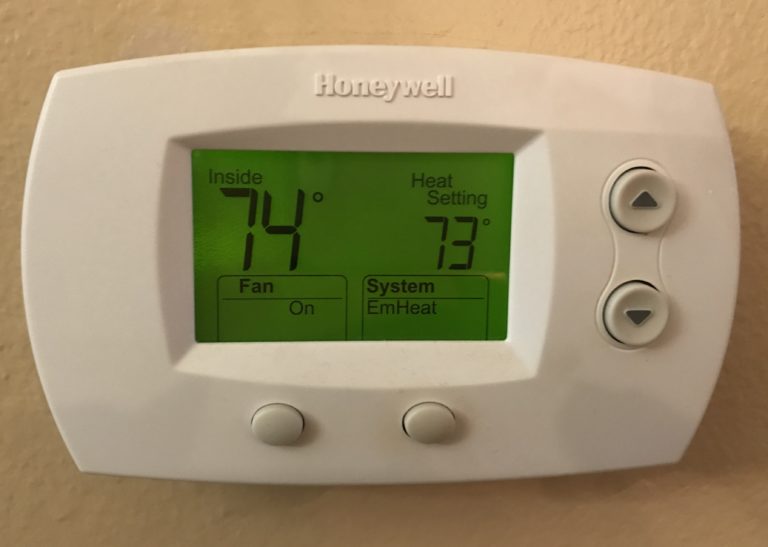
The fundamental difference between auxiliary heat and emergency heat lies in their activation. Auxiliary heat is managed by your thermostat’s sophisticated algorithms, kicking in and out as needed to supplement the heat pump’s efforts. It works with the heat pump. Emergency heat, on the other hand, is a manual override. When you switch your Honeywell thermostat to “Emergency Heat,” you are telling the system to completely disregard the heat pump and rely only on the less efficient, backup heating elements (typically electric resistance coils). This means your heat pump’s compressor and outdoor unit will shut down, and all heating will be generated by the auxiliary source. The thermostat will usually display “Emergency Heat On” or “Em Heat” and often illuminate a small LED light to indicate this mode is active, serving as a clear warning of its engaged status.
When to Use Emergency Heat
Emergency heat is precisely what its name implies: for emergencies. It should not be used as a primary heating source due to its high energy consumption. The scenarios warranting its use are typically limited to situations where your heat pump is malfunctioning or unable to operate effectively:
- Heat Pump Malfunction: If your outdoor heat pump unit is frozen solid, making unusual noises (grinding, loud buzzing, excessive rattling), or showing signs of mechanical failure (e.g., the fan isn’t spinning, or the compressor isn’t running), engaging emergency heat can provide temporary warmth while you await repairs.
- System Icing: While heat pumps have a defrost cycle, severe icing conditions that overwhelm the defrost function can lead to a completely frozen coil. In such a case, the heat pump cannot efficiently transfer heat. Emergency heat can keep your home warm until the ice naturally melts or can be safely removed by a technician.
- Compressor Failure: The compressor is the heart of your heat pump. If it fails, the heat pump cannot operate. Emergency heat provides a workaround until the compressor can be repaired or replaced.
- Refrigerant Leaks: A low refrigerant charge significantly impairs a heat pump’s ability to heat. If you suspect a leak (e.g., reduced heating, ice on the outdoor unit in mild conditions), emergency heat can maintain comfort while waiting for service.
- Extreme, Prolonged Cold Snaps: In rare instances of exceptionally low temperatures where your heat pump is continuously running and auxiliary heat is constantly engaged, and still struggling to maintain temperature, a temporary switch to emergency heat might be considered to prevent system strain. However, this is often a sign the system needs maintenance or recalibration, as the auxiliary heat should typically manage this automatically.
The “Emergency Heat On” Indicator
When “Emergency Heat” is activated on a Honeywell thermostat, a specific indicator, often an LED light or a digital message on the screen, will illuminate. This visual cue is a critical reminder that your system is operating in its most energy-intensive mode. It serves as a prompt for the homeowner to be mindful of increased energy consumption and to address the underlying issue that necessitated the use of emergency heat. Ignoring this indicator can lead to unexpectedly high utility bills.
Implications of Using Emergency Heat
While emergency heat serves a vital role as a backup, its use comes with significant implications, primarily concerning energy consumption and cost. Understanding these factors is key to making informed decisions about your home heating.
Energy Consumption and Cost
The most critical implication of using emergency heat is its substantial impact on your energy bill. As mentioned, auxiliary heat typically consists of electric resistance coils. Electric resistance heating works by converting electrical energy directly into heat, a 1:1 ratio. In contrast, a heat pump, through its heat transfer process, can deliver two to four times more heat energy than the electrical energy it consumes, depending on outdoor temperatures and system efficiency. This difference means that for every unit of heat produced, emergency heat (which uses electric resistance) will cost significantly more than heat generated by your heat pump.
For instance, if your heat pump provides a Coefficient of Performance (COP) of 3.0 (meaning it delivers 3 units of heat for 1 unit of electricity), switching to emergency heat (COP of 1.0) will triple your heating costs for the same amount of heat. This can translate into hundreds of dollars in extra utility expenses if emergency heat is left on for extended periods, making it financially unsustainable as a primary heating method.
Impact on HVAC System Longevity
While using emergency heat won’t directly damage your HVAC system, prolonged reliance on it is not ideal. It indicates that a core component of your heating system – the heat pump – is not functioning correctly. Ignoring this underlying problem and continuously using emergency heat can lead to further deterioration of the heat pump if the issue is not addressed. Furthermore, the auxiliary heating elements, while robust, are designed for intermittent use, not continuous operation. While not a direct cause of failure, sustained heavy use can contribute to wear and tear.
Troubleshooting and Professional Help

If you find yourself needing to activate emergency heat, it should trigger an immediate response to investigate the problem. It is a signal that your primary heating source, the heat pump, is in distress. Common issues that might necessitate emergency heat and require professional intervention include:
- Refrigerant Leaks: Resulting in insufficient heat transfer.
- Compressor Malfunction: The heat pump’s core component.
- Fan Motor Issues: In either the indoor or outdoor unit, preventing proper airflow.
- Defrost Cycle Failure: Leading to excessive ice buildup on the outdoor coil.
- Electrical Problems: Affecting the heat pump’s power supply or controls.
Upon engaging emergency heat, your next step should be to contact a qualified HVAC technician. They can diagnose the root cause of the heat pump’s failure, perform necessary repairs, and ensure your system returns to its efficient operation. Emergency heat provides a bridge, offering comfort while a professional addresses the real issue.
Honeywell Thermostat Specifics and Operation
Honeywell thermostats, with their diverse range of models from basic digital units to advanced smart thermostats, generally provide clear functionality for emergency heat. While the exact button or menu navigation might vary slightly between models, the core concept remains consistent.
Locating the Emergency Heat Function
On most Honeywell thermostats designed for heat pump systems, you’ll find an explicit option for “Emergency Heat” or “Em Heat.”
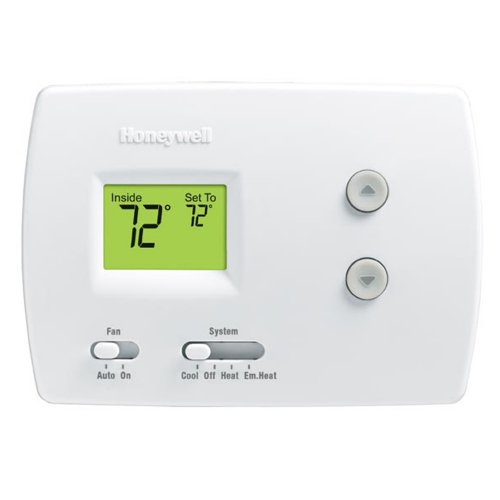
- Traditional Digital Thermostats: Look for a physical switch or button labeled “System” or “Mode” which cycles through options like “Off,” “Heat,” “Cool,” “Auto,” and often “Em Heat.” You may need to press this button multiple times to reach the emergency heat setting. Sometimes, it’s a separate dedicated button.
- Programmable and Smart Thermostats (e.g., T Series, Lyric, VisionPro): These typically feature a touch screen or digital display. You might access “Emergency Heat” through the “System” or “Mode” menu. Tap on “System” or “Mode” and then select “Emergency Heat” from the available options. Some models might require you to be in “Heat” mode first before the “Emergency Heat” option becomes available.
- Remote Access/Apps: For Wi-Fi-enabled Honeywell smart thermostats, you may also be able to activate emergency heat remotely through the associated mobile application. However, exercising caution and understanding the situation before remotely activating this mode is highly advisable due to its energy implications.
Activating and Deactivating Emergency Heat
To Activate:
- Ensure your thermostat is powered on.
- Navigate to the “System” or “Mode” setting.
- Select “Emergency Heat” or “Em Heat.”
- A corresponding indicator (e.g., “Em Heat On,” a specific icon, or an illuminated LED light) should appear on the thermostat display. This confirms that your heat pump is now bypassed, and only the auxiliary heat source is active.
To Deactivate:
- Navigate back to the “System” or “Mode” setting.
- Select “Heat” (which will revert to your heat pump operating with automatic auxiliary heat if needed) or “Auto” (if your system supports automatic switching between heating and cooling).
- The “Emergency Heat On” indicator should disappear. Your system will then attempt to resume normal heat pump operation.
It’s crucial to remember that activating emergency heat is a manual override. Once the underlying issue with your heat pump is resolved, you must manually switch your thermostat back to “Heat” mode to allow the more efficient heat pump to resume operation.
Smart Thermostat Features and Alerts
Newer Honeywell smart thermostats offer enhanced functionality that can be particularly helpful when dealing with emergency heat. Many models provide detailed energy usage reports, often breaking down how much energy was consumed by the heat pump versus auxiliary heat. If emergency heat is engaged, these reports will clearly show a spike in energy consumption, reinforcing the need for investigation.
Some smart thermostats can even send alerts to your phone if they detect unusual patterns, such as the heat pump running continuously without adequately raising the temperature, or if auxiliary heat is engaged for prolonged periods. While they may not explicitly suggest “Emergency Heat,” these alerts can prompt you to check your system and determine if emergency heat is warranted or if professional service is needed. They empower homeowners with data to manage their heating costs and system health more effectively.
Best Practices and Maintenance
Proactive measures and a clear understanding of your HVAC system are paramount to minimizing the need for emergency heat. It is a critical function, but one that ideally should be rarely used.
Regular Heat Pump Maintenance
The most effective way to avoid situations that necessitate emergency heat is through diligent, routine maintenance of your heat pump system. Annual professional tune-ups, typically performed in the spring for cooling readiness and in the fall for heating readiness, are invaluable. During these service calls, technicians will:
- Clean coils: Dirty coils impede heat transfer, forcing the system to work harder.
- Check refrigerant levels: Low refrigerant is a common cause of reduced efficiency and potential system icing.
- Inspect electrical components: Ensuring all wiring, capacitors, and contactors are in good working order.
- Verify defrost cycle operation: Proper defrosting is crucial to prevent ice buildup.
- Check airflow: Ensuring filters are clean and ducts are unrestricted.
- Lubricate moving parts: Reducing wear and tear on motors and bearings.
Beyond professional maintenance, homeowners should regularly change or clean air filters according to manufacturer recommendations and keep the outdoor unit clear of debris, snow, and ice. Adequate airflow around the outdoor unit is essential for its efficient operation.
Understanding Your System’s Limits
Educating yourself about the specific performance characteristics of your heat pump is also beneficial. Understand at what outdoor temperatures your particular model typically switches to auxiliary heat automatically. This knowledge helps you differentiate between normal auxiliary heat engagement during cold snaps and a genuine system malfunction that might require emergency heat. Consult your heat pump’s manual or speak with your HVAC technician to understand these operational thresholds. This insight allows you to interpret your Honeywell thermostat’s readings and auxiliary heat indicators more accurately, preventing unnecessary panic or, conversely, complacency when a real issue arises.
When to Call an HVAC Professional
Remember, emergency heat is a temporary solution, not a permanent fix. If you’ve activated emergency heat, it’s a strong indication that your primary heating system (the heat pump) is experiencing a fault. The moment you switch to emergency heat, you should be planning to contact a certified HVAC professional. They possess the tools and expertise to diagnose and repair the underlying problem safely and efficiently. Delaying professional service not only means continued high energy bills but could also exacerbate the initial problem with your heat pump. Trusting a professional ensures your system is returned to optimal, energy-efficient operation, ready to provide reliable comfort for seasons to come.
aViewFromTheCave is a participant in the Amazon Services LLC Associates Program, an affiliate advertising program designed to provide a means for sites to earn advertising fees by advertising and linking to Amazon.com. Amazon, the Amazon logo, AmazonSupply, and the AmazonSupply logo are trademarks of Amazon.com, Inc. or its affiliates. As an Amazon Associate we earn affiliate commissions from qualifying purchases.