
Crisco vegetable shortening is far more than a mere kitchen ingredient; it represents a profound case study in brand strategy, market positioning, and enduring consumer identity. Born from a deliberate corporate vision, Crisco emerged to reshape culinary practices and establish a lasting legacy in the American pantry. Understanding “what Crisco is” requires dissecting its brand architecture, its strategic evolution, and its deep embedding into cultural consciousness.
The Genesis of a Household Name: Crisco’s Origin and Brand Identity
The story of Crisco begins in the early 20th century, a period ripe for innovation in food processing and household products. Procter & Gamble (P&G), a company already established in soaps and candles, embarked on a quest to develop a solid fat alternative to traditional animal-based lard, which had drawbacks such as inconsistent quality, varying availability, and religious dietary restrictions. The breakthrough came with the hydrogenation of cottonseed oil, a process that transformed liquid vegetable oil into a solid fat at room temperature. This technological innovation was the foundation, but P&G’s genius lay in how they branded and marketed this new product.
Early Innovation and Market Entry
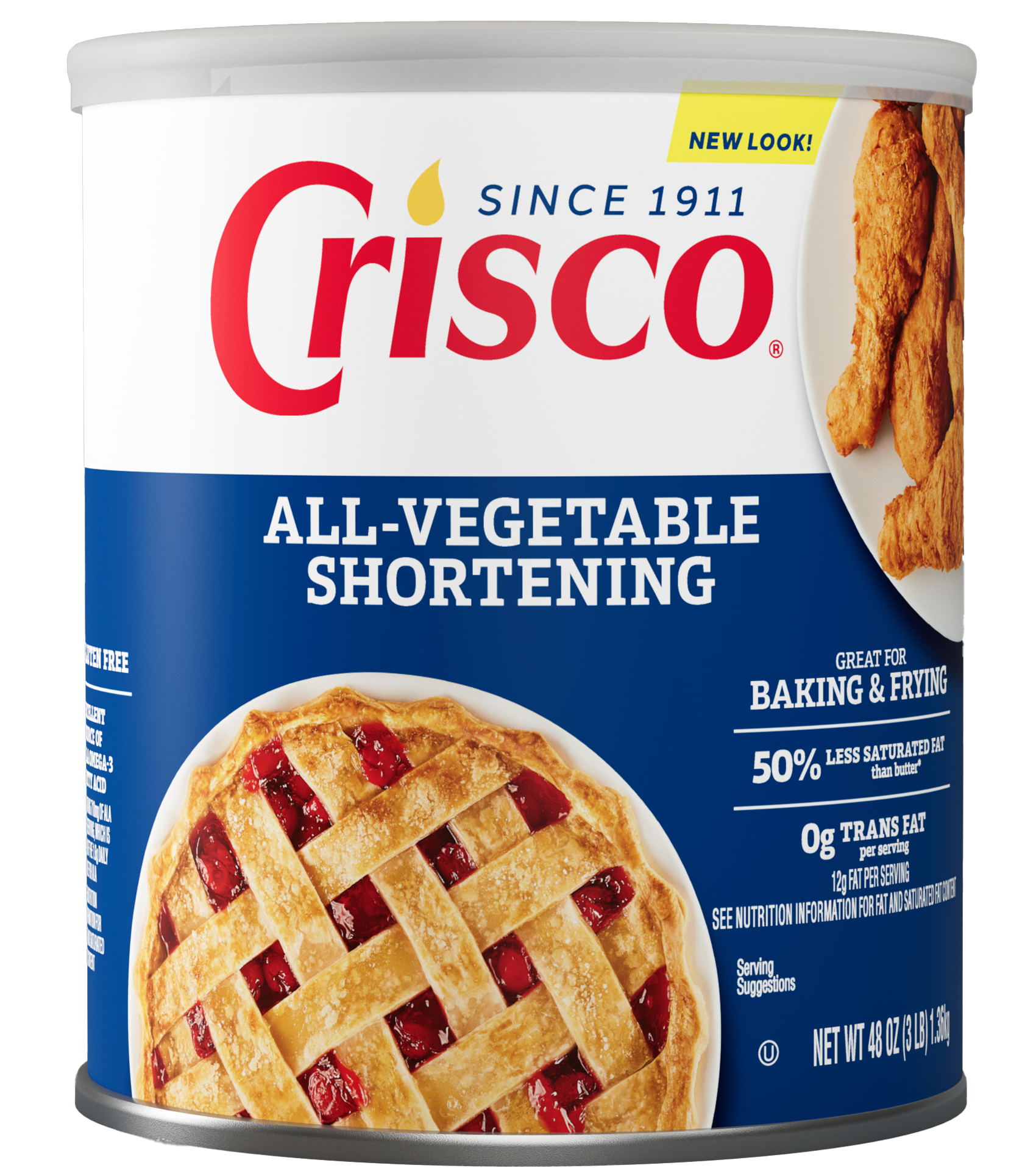
Introduced in 1911, Crisco was not just a product; it was a carefully constructed brand solution. The name “Crisco” itself was an abbreviation for “crystallized cottonseed oil,” chosen for its crisp, modern sound and its implied purity. P&G’s strategic move was to position Crisco as a superior, more hygienic, and economical alternative to lard. At a time when food purity and industrialization were gaining traction, Crisco’s consistent quality, white appearance, and neutral flavor were significant brand differentiators. It promised reliability that lard often could not deliver. This initial positioning was critical in establishing its foundational brand identity as the “purest” and most “dependable” shortening available.
Crafting the “Healthier” Alternative Brand Message
A cornerstone of Crisco’s early brand strategy was its emphasis on health and purity. While the term “healthy” has evolved dramatically over the past century, in 1911, Crisco was marketed as being “easier to digest” than lard, “purely vegetable,” and free from animal fats. This messaging appealed to a growing segment of consumers seeking modern, perceived healthier options. The brand invested heavily in advertising that highlighted its “purity” and “wholesomeness,” often depicting it as a clean, white substance, a stark contrast to the often yellowed or inconsistent appearance of lard. This carefully crafted narrative not only differentiated Crisco from its primary competitor but also began to build a deep reservoir of consumer trust, associating the brand with progress, science, and well-being. The distinctive blue and white packaging also played a vital role, conveying a sense of cleanliness, professionalism, and freshness, becoming instantly recognizable on store shelves and reinforcing its corporate identity.
Evolving the Brand: Marketing, Perception, and Consumer Trust
Crisco’s journey from a novel fat to a baking icon involved continuous adaptation of its brand strategy, marketing messages, and product formulations to meet changing consumer demands and health perceptions. The brand demonstrated remarkable agility in maintaining relevance across generations.
From Lard Alternative to Baking Staple: Messaging Evolution
Initially positioned against lard, Crisco’s brand messaging quickly expanded to highlight its superior performance in baking and frying. Through extensive advertising campaigns, including recipe booklets and cookbooks, Crisco actively taught consumers how to use its product. These materials didn’t just sell shortening; they sold a vision of home baking success: flakier pie crusts, lighter cakes, and perfectly fried foods. The “Crisco Cookbook” became a staple in many American kitchens, transforming Crisco from an ingredient into an indispensable tool for culinary achievement. This deep engagement with consumers through practical application fostered immense brand loyalty, making Crisco synonymous with baking excellence. The consistent delivery on its promise of superior results solidified its brand equity, cementing its position as the choice for specific culinary outcomes.
The Power of Packaging and Consistent Branding
Throughout its history, Crisco’s visual identity has been a critical component of its brand strategy. The iconic blue and white label, with its distinctive font, became instantly recognizable. This consistency in packaging reinforced brand recognition and trust. Even as formulations changed and product lines expanded (e.g., Crisco sticks, Crisco oils), the core visual elements remained, ensuring that the brand’s heritage and promise were continuously communicated. This consistent corporate identity allowed Crisco to introduce new products under its trusted umbrella, leveraging established consumer confidence in the primary shortening product. The visual cues served as a silent promise of quality and reliability, reinforcing the perception of a dependable kitchen partner.
Navigating Health Trends and Brand Relevancy
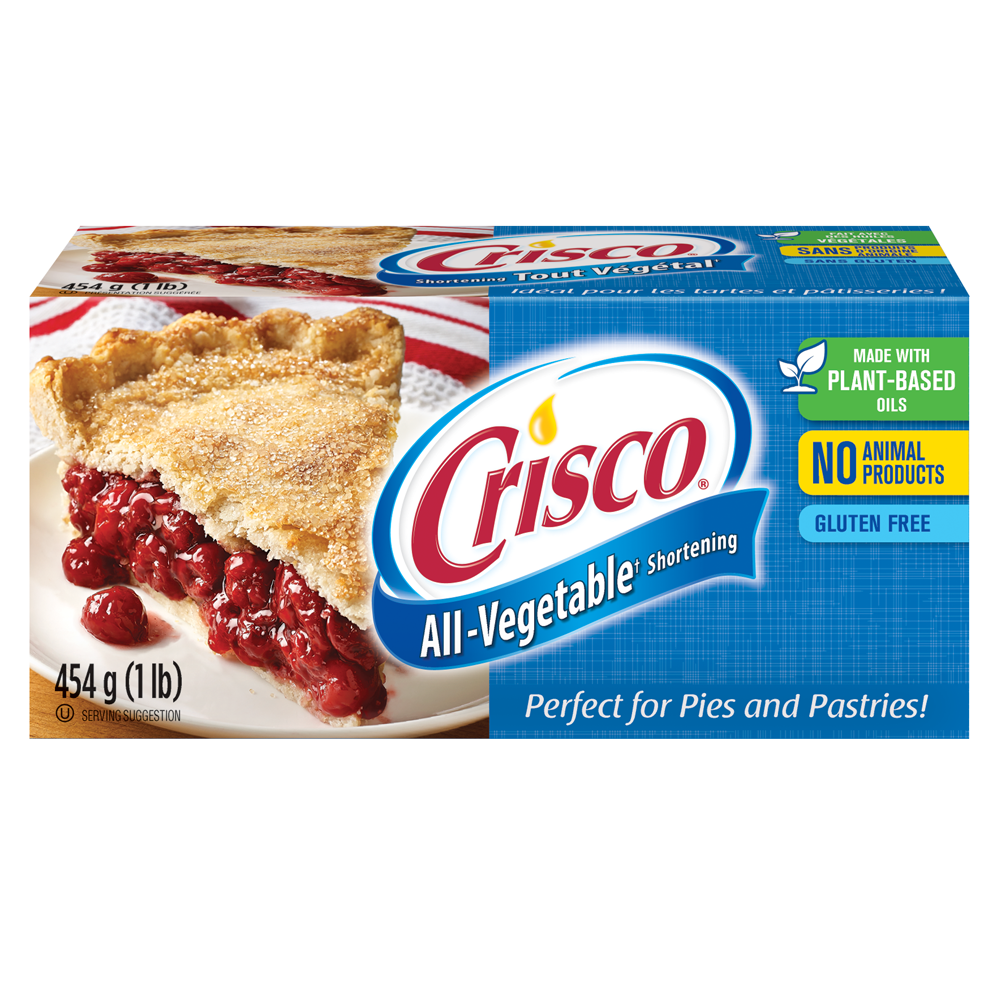
Perhaps one of Crisco’s greatest branding challenges, and subsequent triumphs, has been its ability to adapt to evolving nutritional science and consumer health concerns. As concerns about saturated fats and later, trans fats, grew, Crisco, a hydrogenated fat, found itself at the center of public health debates. Instead of resisting, the brand embraced the challenge through strategic reformulation and transparent communication. In 2007, Crisco eliminated trans fats from its core shortening products, a monumental undertaking that required significant investment in research and development. This move was a powerful reassertion of its brand promise of delivering a “better” product, demonstrating responsiveness to consumer welfare. The marketing immediately highlighted its “0g Trans Fat” status, successfully repositioning the brand as a modern, health-conscious choice without sacrificing its core performance benefits. This strategic pivot allowed Crisco to maintain its brand relevancy and consumer trust in a rapidly changing dietary landscape, proving that a legacy brand could adapt without losing its essence.
Crisco’s Impact on Culinary Culture and Brand Legacy
Crisco’s influence extends far beyond its physical presence in a can; it has profoundly shaped culinary traditions and established a unique brand legacy that continues to resonate.
Shaping Baking Practices and Recipes
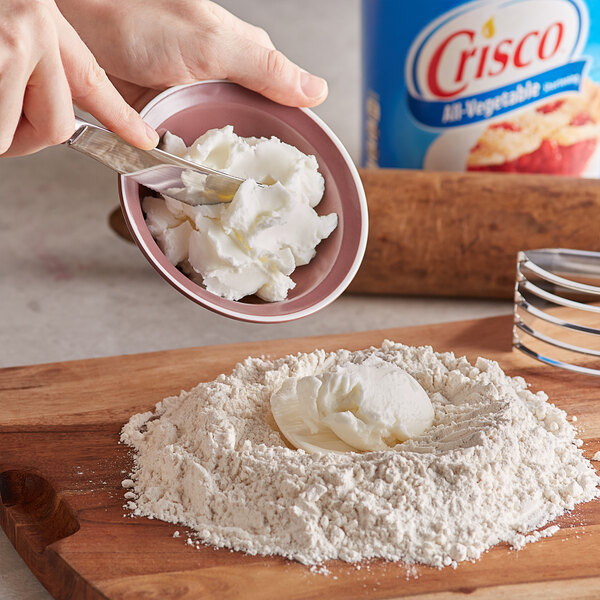
Crisco didn’t just become an ingredient; it became an instruction. Recipes, particularly in American baking, often specifically call for “shortening” or even “Crisco,” underscoring its deep integration into the culinary lexicon. Its unique properties – high melting point, neutral flavor, and ability to “shorten” gluten strands – made it ideal for creating light, flaky pastries and tender baked goods. This functional superiority, effectively communicated through decades of marketing, elevated Crisco to an indispensable status for specific culinary outcomes. The brand consciously invested in recipe development and promotion, thereby intertwining its identity with the very act of traditional American home baking. This strategic alignment ensured Crisco’s brand name was synonymous with classic comfort foods, further solidifying its cultural footprint.
The Role of a Pioneer Brand in its Category
As a pioneer in solid vegetable shortening, Crisco established the benchmark for its category. Its initial success paved the way for other brands, but Crisco retained its first-mover advantage and premium brand perception. It defined what vegetable shortening should be in the minds of consumers. This pioneering status granted it a certain authority and trust that newer entrants often struggled to achieve. The brand’s longevity is a testament to its foundational strength and consistent ability to communicate its unique value proposition over time. Its brand story is a narrative of innovation, adaptation, and an unwavering commitment to meeting and shaping consumer needs.
Maintaining Brand Equity in a Changing Market
In an era of diverse dietary preferences and increasing availability of alternative fats (butter, olive oil, coconut oil, etc.), Crisco faces continuous challenges to maintain its brand equity. Its strategy today involves emphasizing its unique functional benefits that alternatives often cannot replicate, such as achieving exceptionally flaky pie crusts or providing a stable fat for deep frying. The brand leverages its heritage and nostalgic appeal, reminding consumers of its trusted place in traditional recipes while simultaneously showcasing its versatility in modern cooking. By balancing tradition with contemporary relevance, Crisco endeavors to secure its position for future generations, proving that a century-old brand can skillfully navigate modern market complexities through smart branding.
Competitive Landscape and Brand Differentiation
In the vast landscape of cooking fats, Crisco has maintained its distinct position through a keen understanding of its brand advantages and strategic differentiation.
Standing Out Amidst Alternatives
Crisco operates in a market saturated with choices. From butter to lard to an array of vegetable oils, consumers have numerous options for fat in their cooking. Crisco’s brand strategy focuses on highlighting its distinct properties: it’s 100% vegetable-based (appealing to vegetarians and those avoiding animal products), has a neutral flavor that doesn’t compete with other ingredients, and offers superior results for specific baking tasks. Unlike butter, which contains water and dairy solids, Crisco is pure fat, leading to different textural outcomes in baking. This functional differentiation is consistently communicated in its branding, reinforcing why a consumer would choose Crisco over another fat. It’s not just “a fat”; it’s the fat for specific desired results.
Brand Loyalty and the Challenge of New Entrants
Crisco benefits from deep-seated brand loyalty, particularly among experienced home bakers who grew up with the product and understand its unique performance attributes. This loyalty is a powerful asset in fending off generic brands or newer, trendier alternatives. However, the brand continuously faces the challenge of appealing to new generations of cooks who may be less familiar with traditional shortening or have different dietary priorities. Crisco addresses this by maintaining its digital presence, engaging with food bloggers and influencers, and showcasing new, diverse recipes that extend beyond its traditional applications. By blending its storied past with forward-looking engagement, Crisco strives to ensure its brand remains relevant and continues to attract new consumers, securing its position as an iconic and indispensable fixture in kitchens worldwide.
aViewFromTheCave is a participant in the Amazon Services LLC Associates Program, an affiliate advertising program designed to provide a means for sites to earn advertising fees by advertising and linking to Amazon.com. Amazon, the Amazon logo, AmazonSupply, and the AmazonSupply logo are trademarks of Amazon.com, Inc. or its affiliates. As an Amazon Associate we earn affiliate commissions from qualifying purchases.