
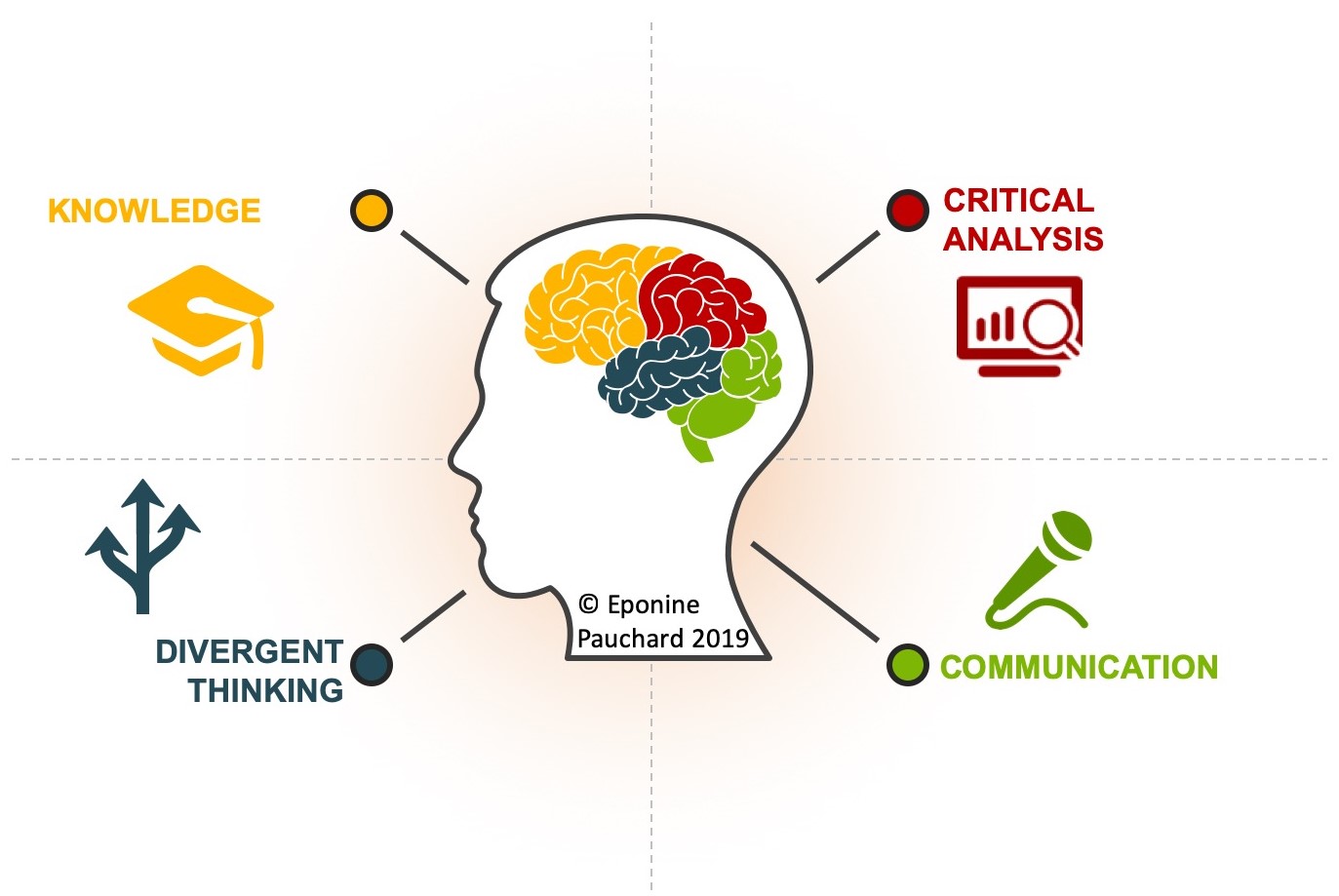
Creative work, in its broadest sense, encompasses any endeavor that involves generating new ideas, concepts, solutions, or expressions through imagination and original thought. While often romanticized as the exclusive domain of artists and inventors, its true power, particularly within the realm of branding and corporate identity, lies in its systemic application to differentiate, communicate, and connect. It is the lifeblood of innovation, the architect of memorable experiences, and the strategic engine behind compelling brand narratives. In the context of building and sustaining a brand, creative work transcends mere aesthetics; it is a fundamental strategic imperative that drives perception, preference, and ultimately, market success.
Defining Creative Work in the Brand Context
Within the intricate landscape of brand strategy and corporate identity, creative work is not a sporadic burst of genius but a deliberate, structured, and often iterative process aimed at achieving specific communication and business objectives. It is the application of original thought to solve marketing challenges, forge emotional connections, and articulate a brand’s unique value proposition. This involves a much broader spectrum of activities than commonly perceived, extending far beyond graphic design or advertising campaigns.
Beyond Art: Creativity in Business
While traditional art forms like painting, sculpture, and music are quintessential examples of creative work, the business world, particularly branding, harnesses creativity in a distinct and strategic manner. Here, creativity is less about self-expression and more about problem-solving through novel means. It manifests in devising unique market entry strategies, crafting resonant messaging, designing intuitive user experiences, or even innovating service delivery models. A brand’s visual identity – its logo, color palette, typography – is undoubtedly creative work, but so is the strategic thinking that determined those elements best represent the brand’s core values and appeal to its target audience. It’s the art of persuasion, the science of connection, and the craft of differentiation, all rolled into one purposeful package.
The Role of Innovation and Problem-Solving
At its core, creative work in branding is profoundly tied to innovation and problem-solving. Every brand faces challenges: how to stand out in a crowded market, how to communicate complex offerings simply, how to rebuild trust after a crisis, or how to evolve with changing consumer preferences. Creative work provides the innovative solutions to these problems. This might involve brainstorming entirely new product names and taglines that capture an essence, developing an unconventional marketing campaign that cuts through noise, or designing an interactive brand experience that fosters deep engagement. It’s about looking at existing problems through fresh eyes, challenging assumptions, and daring to propose ideas that deviate from the norm, all while staying rigorously aligned with the brand’s overarching strategic goals. The most impactful creative work often stems from a deep understanding of the problem space, combined with an uninhibited exploration of possibilities.
The Pillars of Creative Brand Building
Effective brand building relies on several critical pillars of creative work, each contributing to a cohesive and impactful brand presence. These pillars are not isolated activities but interconnected components that, when strategically developed and executed, create a powerful and memorable brand identity.
Storytelling and Narrative Development
One of the most potent forms of creative work in branding is storytelling. A compelling brand story goes beyond simply listing features and benefits; it weaves a narrative that evokes emotion, builds connection, and establishes a shared belief system with the audience. This involves crafting a brand myth, defining its origin, articulating its mission, and showcasing its impact on customers’ lives. Creative professionals in this domain develop character arcs for the brand, identify its unique voice and tone, and construct messaging frameworks that resonate across all communication channels, from website copy to social media posts and advertising scripts. This narrative development is crucial for personal branding, corporate identity, and product marketing alike, transforming a mere company into an entity with personality, purpose, and relatability.
Visual Identity and Design Language
The visual identity is perhaps the most immediately recognizable output of creative work in branding. This encompasses everything from logo design, typography, color palettes, imagery style, and overall graphic design language. It’s the visual shorthand that communicates a brand’s essence at a glance. Creative design work in this area involves understanding semiotics, psychology, and aesthetics to create visuals that are not only appealing but also strategically aligned with the brand’s values, target audience, and market positioning. A consistent and distinctive visual identity fosters immediate recognition, builds trust, and reinforces the brand’s personality, ensuring that every touchpoint—from packaging to digital interfaces—speaks with a singular, unmistakable voice.
Experiential Marketing and Engagement
Beyond passive consumption, creative work extends into designing immersive brand experiences. Experiential marketing involves creating memorable, interactive encounters that allow consumers to engage directly with the brand, fostering deeper emotional connections. This could range from pop-up shops, interactive installations, virtual reality experiences, or uniquely themed events. The creative process here involves conceptualizing the entire user journey, designing sensory touchpoints, and choreographing interactions that reinforce the brand’s core message and values. The goal is to move beyond mere promotion to create lasting memories and build genuine advocacy, making the brand an active participant in the consumer’s life rather than just a provider of goods or services.

Fostering a Culture of Creativity
For creative work to thrive and consistently deliver value, especially within larger organizations, it requires a supportive environment—a culture that actively champions and nurtures creative thinking. This isn’t just about hiring “creatives” but about instilling a mindset that permeates all levels and functions of an organization, from leadership to individual contributors.
Empowering Teams and Collaboration
A truly creative culture empowers teams to think divergently, challenge the status quo, and contribute ideas without fear of judgment. It encourages cross-functional collaboration, recognizing that diverse perspectives often spark the most innovative solutions. Workshops, brainstorming sessions, and hackathons become commonplace, designed to break down silos and encourage a free flow of ideas. Leadership plays a crucial role in setting this tone, demonstrating an openness to new ideas and providing the resources and autonomy necessary for teams to explore unconventional paths. It’s about building an environment where everyone feels they have a voice and can contribute to the brand’s creative output.
Embracing Risk and Iteration
Creative work, by its very nature, involves venturing into the unknown. Not every idea will be a success, and some experiments will inevitably fail. A robust creative culture understands this and embraces risk as an inherent part of the innovation process. Instead of penalizing failure, it views it as a learning opportunity. This culture also champions iteration—the continuous refinement and improvement of ideas based on feedback and performance data. Rather than aiming for perfection in the first attempt, it encourages rapid prototyping, testing, and adapting, understanding that the best creative solutions often emerge from a series of evolving iterations. This agility is vital in fast-paced markets where quick adaptation can mean the difference between relevance and obsolescence.
Leveraging Insights for Inspiration
While creativity often seems spontaneous, in a professional brand context, it is most effective when informed by deep insights. This involves systematically gathering and analyzing market research, consumer behavior data, cultural trends, and competitive intelligence. These insights serve as springboards for creative thought, ensuring that the resulting work is not only imaginative but also relevant, targeted, and strategically sound. Understanding consumer pain points, aspirations, and unmet needs can spark ideas for new product features, marketing campaigns, or brand positioning that truly resonate. Creative teams leverage data to inform their hypotheses, but then rely on their intuition and imagination to translate those insights into compelling brand expressions.
Measuring the Impact of Creative Work
While creative work might appear subjective, its impact on brand success can be quantifiably measured. Understanding how creative efforts translate into tangible business outcomes is crucial for demonstrating ROI and refining future brand strategies.
Brand Equity and Perceived Value
One of the primary measures of effective creative work is its contribution to brand equity. This refers to the commercial value derived from consumer perception of a brand rather than from the product or service itself. Strong creative work—be it through memorable advertising, distinctive design, or engaging content—builds brand awareness, enhances brand associations, and improves perceived quality. These factors increase the brand’s perceived value, allowing it to command higher prices, enjoy greater customer loyalty, and achieve stronger market penetration. Metrics like brand recognition, recall rates, brand sentiment analysis, and willingness to pay a premium can all reflect the power of creative endeavors.
Market Differentiation and Competitive Advantage
In today’s hyper-competitive marketplace, creative work is a critical driver of market differentiation. It allows a brand to carve out a unique identity and stand apart from its rivals, even when offering similar products or services. A distinctive brand voice, a unique visual aesthetic, or an innovative marketing campaign can create a proprietary space in the consumer’s mind that competitors struggle to replicate. This differentiation translates into a sustainable competitive advantage, making the brand more resilient to market pressures and less susceptible to price wars. Measuring market share, competitive analysis, and consumer choice behavior can help assess how effectively creative work contributes to this crucial distinction.

Customer Loyalty and Advocacy
Ultimately, the most successful creative work fosters deep customer loyalty and transforms customers into brand advocates. When creative efforts effectively communicate a brand’s purpose, resonate with personal values, and deliver delightful experiences, they build emotional bonds that transcend transactional relationships. Loyal customers not only make repeat purchases but also actively recommend the brand to others, generating invaluable word-of-mouth marketing. Metrics such as customer retention rates, Net Promoter Score (NPS), social media engagement, and user-generated content are strong indicators of how well creative work has cultivated a loyal and vocal customer base, directly influencing the long-term health and growth of the brand.
aViewFromTheCave is a participant in the Amazon Services LLC Associates Program, an affiliate advertising program designed to provide a means for sites to earn advertising fees by advertising and linking to Amazon.com. Amazon, the Amazon logo, AmazonSupply, and the AmazonSupply logo are trademarks of Amazon.com, Inc. or its affiliates. As an Amazon Associate we earn affiliate commissions from qualifying purchases.