
The gentle giants of the savanna, with their impossibly long necks and striking patterned coats, have captivated human imagination for centuries. But beyond their iconic appearance, have you ever stopped to wonder about the scientific classification of a giraffe? What family do these majestic creatures belong to? This isn’t just a question for the curious child; understanding an animal’s place in the biological hierarchy offers a fascinating glimpse into evolution, shared ancestry, and the intricate web of life on Earth. While the answer might seem straightforward, delving into the taxonomic journey of the giraffe reveals a story interwoven with the very fabric of animal classification, and surprisingly, touches upon concepts that resonate even within the seemingly disparate worlds of technology, branding, and finance.
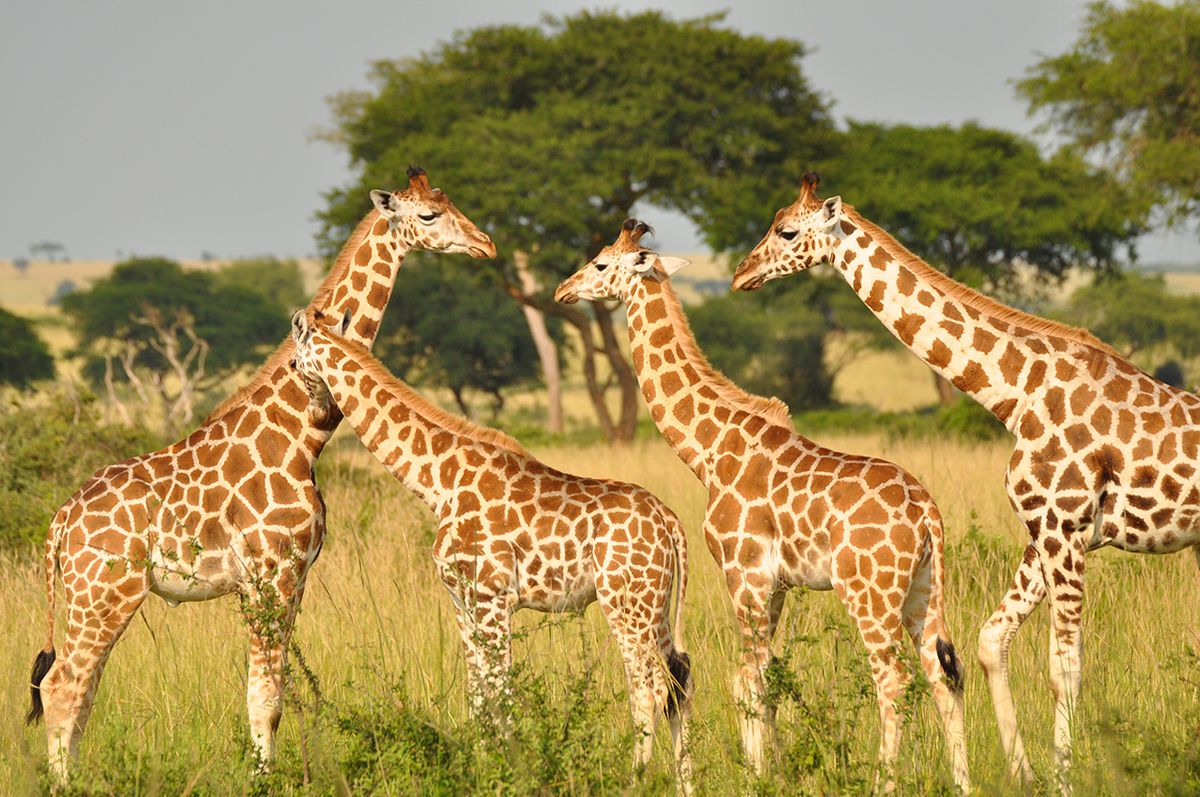
The immediate answer to “what family is a giraffe in” points us to the Giraffidae family. This family, while currently containing only one living genus ( Giraffa) and its species, is part of a larger order and class that places it firmly within the mammalian realm. However, to truly appreciate this classification, we must embark on a journey through the Linnaean system of taxonomy, a hierarchical structure that organizes life based on shared characteristics.
Deconstructing the Giraffe’s Kinship: From Order to Family
To understand the Giraffidae family, we must first understand its place within the broader biological framework. This hierarchical system, established by Carl Linnaeus, starts with broad categories and progressively narrows down to specific species.
The Order: Artiodactyla – The Even-Toed Ungulates
The giraffe belongs to the order Artiodactyla, a group characterized by having an even number of toes on each foot. This order is a diverse one, encompassing a wide array of familiar animals, from cattle and pigs to hippopotamuses and deer. The defining feature of artiodactyls is their ungulate status, meaning they are hoofed mammals. Their hooves are essentially modified toenails, providing them with a sturdy base for locomotion.
Within Artiodactyla, giraffes are further grouped with other ruminants. Ruminants are herbivores that possess a specialized digestive system with multiple stomach compartments, allowing them to efficiently break down tough plant material by fermenting it. This digestive strategy is a key adaptation that has allowed these animals to thrive in a variety of grassland and woodland environments. The presence of this shared digestive system and other skeletal features are crucial in placing giraffes within this specific order.
The Suborder: Ruminantia – The Cud-Chewers
Within Artiodactyla, giraffes fall under the suborder Ruminantia. This is a significant grouping, as it highlights their characteristic chewing of cud. Ruminants are known for their complex digestive process. They first ingest their food, then regurgitate it as “cud,” which they then re-chew. This process is vital for breaking down cellulose, a major component of plant cell walls that many other animals cannot digest. The four-chambered stomach – the rumen, reticulum, omasum, and abomasum – is a hallmark of this suborder, facilitating symbiotic relationships with microorganisms that aid in digestion. This shared digestive strategy is a powerful indicator of evolutionary relatedness amongst animals like cattle, sheep, goats, deer, and indeed, giraffes.
The Infraorder: Tylopoda – A Slightly Different Path
While often discussed alongside Ruminantia, it’s worth noting that some classifications place giraffes (and camels) in the infraorder Tylopoda. This group shares certain anatomical features, particularly related to their feet. However, for the purpose of understanding the giraffe’s immediate family, the focus remains on the broader Artiodactyla and the closer relationships that lead us to Giraffidae. The nuances within these higher taxonomic levels underscore the ongoing refinement of our understanding of evolutionary trees.
The Family: Giraffidae – The Unique Lineage
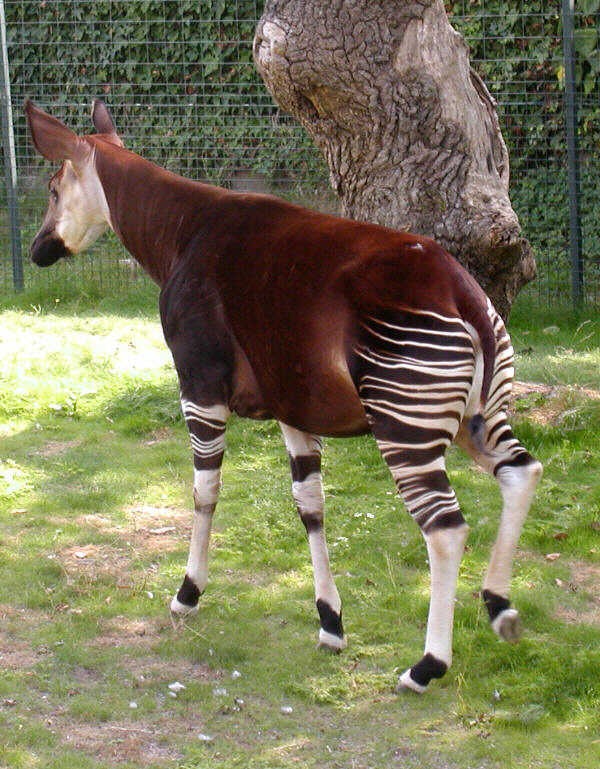
Finally, we arrive at the specific family to which the giraffe belongs: Giraffidae. This family is notable for its limited extant members. Historically, the Giraffidae family was more diverse, with several extinct genera and species. However, today, it primarily comprises the genus Giraffa, which includes the various species and subspecies of giraffes we recognize.
The key defining characteristics of the Giraffidae family, beyond the long neck, include:
- Ossicones: These are horn-like structures covered in skin and fur, found on the heads of both male and female giraffes. Unlike true horns found in bovids, ossicones are formed from ossified cartilage and are not shed.
- Long Limbs and Neck: This is the most obvious characteristic, an extreme adaptation for reaching high foliage and for surveying their surroundings.
- Unique Gait: Giraffes walk by moving both legs on one side of the body at the same time, a distinctive pacing gait.
- Heart and Circulatory System: Their physiology is adapted to pump blood to their exceptionally high heads, requiring a powerful heart and specialized vascular system.
The Giraffidae family is believed to have diverged from other artiodactyls millions of years ago. Its unique evolutionary path has resulted in a creature perfectly adapted to its niche, a testament to the power of natural selection.
Connecting Giraffe’s Family to Broader Concepts: A Surprising Resonance
While the study of animal taxonomy might seem a world away from the domains of technology, branding, and finance, there are fascinating conceptual parallels that emerge when we examine the principles behind classification and the success of organisms and entities within their respective environments.
The Power of Niche and Specialization: A Parallel in Brand Strategy
The giraffe’s specialized adaptations – its height, its digestive system, its unique locomotion – are all about carving out a successful niche. In the world of Brand Strategy, understanding and defining one’s niche is paramount. A strong brand doesn’t try to be everything to everyone; instead, it identifies a specific target audience and a unique value proposition that sets it apart. Just as the giraffe’s long neck allows it to access food sources unavailable to other herbivores, a well-defined brand can access markets and customer loyalty that a generic competitor cannot.
The Giraffidae family’s survival hinges on its ability to exploit this specific ecological niche. Similarly, successful brands often thrive by focusing on a particular segment, offering specialized products or services, and communicating a distinct identity. The Corporate Identity of a brand, much like the physical characteristics of a giraffe, needs to be clear, consistent, and recognizable. The “pattern” of a giraffe’s coat is as distinctive as a company’s logo or brand colors.
Furthermore, the evolutionary history of Giraffidae, with its past diversity and current singularity, can be likened to the rise and fall of brands. Some brands, like ancient giraffid relatives, go extinct because they fail to adapt to changing market conditions or fail to differentiate themselves. Others, like the modern giraffe, have successfully navigated evolutionary pressures and continue to thrive by maintaining their unique strengths.
Efficiency and Resource Management: Lessons from Digestion to Personal Finance
The ruminant digestive system of the giraffe is a marvel of efficiency. It allows them to extract maximum nutritional value from fibrous plant matter, a resource that would be indigestible to many other animals. This principle of efficient resource utilization has direct parallels in the realm of Personal Finance and Business Finance.
In personal finance, optimizing our income and expenses is akin to a giraffe’s digestive efficiency. Smart budgeting, investing wisely, and minimizing waste are all about extracting the most value from our financial resources. Side hustles and online income streams can be seen as diversifying one’s food sources, ensuring a more robust financial ecosystem, much like an animal adapting to different food availabilities.
For businesses, understanding their cost structures and optimizing their operational efficiency is critical for profitability. Just as a giraffe’s specialized stomach allows it to process its food effectively, a well-managed business can process its inputs (raw materials, labor) into valuable outputs (products, services) with minimal loss. This focus on Financial Tools and strategies to maximize returns, whether personal or corporate, mirrors the biological imperative for survival and growth through effective resource management.
Innovation and Adaptation in Technology: The Evolving Landscape
While not directly related to the giraffe’s biology, the principles of adaptation and specialization are also at the heart of Tech trends. The constant evolution of AI Tools, the development of new Software, and the emergence of novel Gadgets are all driven by a need to address specific problems or create new efficiencies.
Just as the giraffe’s long neck is an evolutionary innovation that solved the problem of accessing high food sources, technological innovations solve problems in our daily lives or in business operations. The rapid pace of change in technology means that companies and individuals alike must constantly adapt, learn new skills (like understanding new Apps or Digital Security measures), and embrace new tools to remain competitive.
The concept of Productivity itself is about optimizing our efforts, much like the giraffe’s efficient digestion. Whether it’s using the right Tech tools to streamline workflows or developing effective personal habits, the goal is to achieve more with less. In the digital age, understanding how to leverage technology is as crucial for survival and success as understanding how to find food is for a giraffe on the savanna.
Conclusion: A Family Tree Rooted in Evolutionary Success
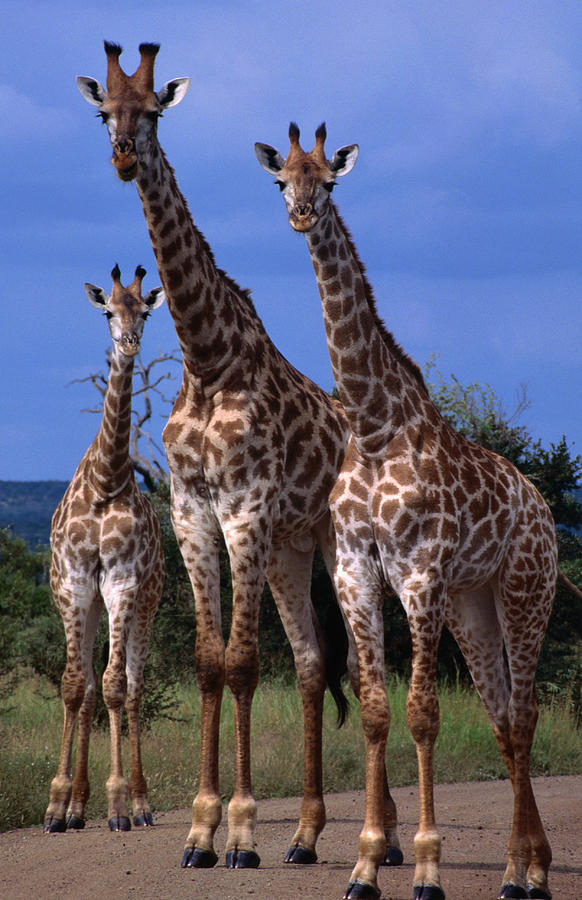
The giraffe, belonging to the family Giraffidae, is a magnificent example of evolutionary specialization. Its classification within the order Artiodactyla and suborder Ruminantia highlights its shared ancestry with a diverse group of even-toed ungulates. The unique adaptations that define the giraffe, from its iconic height to its specialized digestive system, are the result of millions of years of natural selection, allowing it to thrive in its specific ecological niche.
Beyond its biological significance, the giraffe’s story offers a valuable lens through which to view principles of success in other domains. The importance of specialization and niche identification in branding, the critical need for efficiency and resource management in finance, and the relentless drive for innovation and adaptation in technology all echo the fundamental strategies that have allowed the giraffe to endure. By understanding the “family” of the giraffe, we gain not only knowledge about the natural world but also profound insights into the universal principles of thriving in a complex and ever-changing environment.
aViewFromTheCave is a participant in the Amazon Services LLC Associates Program, an affiliate advertising program designed to provide a means for sites to earn advertising fees by advertising and linking to Amazon.com. Amazon, the Amazon logo, AmazonSupply, and the AmazonSupply logo are trademarks of Amazon.com, Inc. or its affiliates. As an Amazon Associate we earn affiliate commissions from qualifying purchases.