
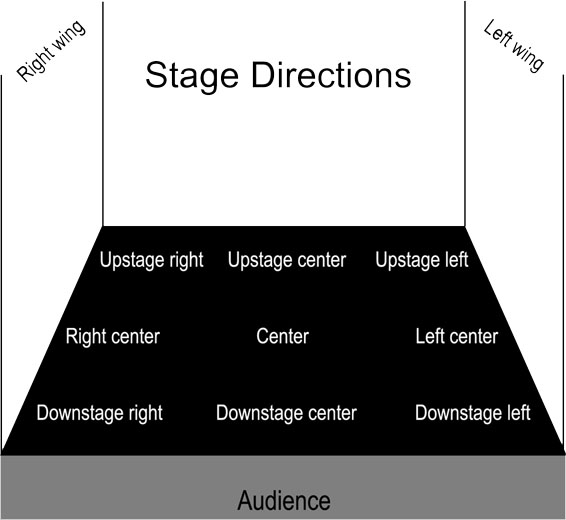
In the dynamic arena of commerce, every brand is a performer on a global stage, vying for attention, connection, and loyalty. Just as a theatrical production relies on meticulous stage directions to guide its actors, set the scene, and convey the playwright’s vision, a successful brand thrives on a clear, comprehensive set of “stage directions.” These aren’t merely guidelines; they are the strategic mandates that define how a brand looks, sounds, acts, and ultimately, how it makes its audience feel. Without these precise directives, a brand’s performance risks becoming inconsistent, confusing, or worse, entirely forgettable. Understanding and meticulously crafting your brand’s stage directions is the cornerstone of building a robust, resonant, and enduring identity that captivates its intended audience.
The Imperative of Brand Stage Directions
The sheer volume of information and choices confronting consumers today means that differentiation and consistency are no longer luxuries but absolute necessities. Brand stage directions provide the critical framework for achieving both, ensuring every interaction with your brand reinforces its core identity and promise. They move beyond superficial aesthetics to encapsulate the very essence of what your brand stands for and how it delivers on that promise.
Beyond the Logo: Defining the Brand Persona
A brand is far more than its logo, color palette, or even its product line. It’s a persona, a distinct entity with its own voice, values, and personality. Just as an actor develops a character, your brand needs a defined persona – one that is authentic, relatable, and consistently expressed. Stage directions articulate this persona, detailing not just what the brand says, but how it says it, and why. This involves understanding your brand’s archetype, its desired emotional impact, and the underlying beliefs that drive its existence. Are you the wise mentor, the playful innovator, the dependable friend? Each archetype demands specific stage directions for its embodiment in messaging, visuals, and actions, ensuring that the brand persona is not just conceptual but tangible across all touchpoints.
The Consistency Mandate: Why Every Touchpoint Matters
Inconsistency is the nemesis of strong branding. A brand that speaks in different tones, presents varying visuals, or offers disparate experiences across its various touchpoints — from website to customer service, social media to packaging — erodes trust and diminishes recognition. Brand stage directions serve as the universal script, ensuring that every employee, every marketing campaign, and every product iteration aligns with the brand’s core identity. This consistency isn’t about rigid uniformity; it’s about maintaining a cohesive narrative and a predictable standard of quality and experience that builds familiarity and strengthens the audience’s emotional connection. It’s the assurance that no matter where or how an audience member encounters your brand, they are meeting the same character, performing with the same conviction.
Elements of Your Brand’s Script: Crafting Specific Directions
Developing effective brand stage directions requires a deep dive into various operational and creative facets. Each element contributes to the overall performance, providing explicit guidance for every aspect of the brand’s public and internal presentation.
Voice and Tone: The Dialogue of Your Brand
How does your brand speak? Is it formal or casual, authoritative or friendly, witty or serious? Your brand’s voice is its inherent personality, while its tone adapts to specific contexts and audiences. Stage directions for voice and tone provide concrete examples and rules for communication, ensuring that all written and spoken content reflects the brand’s persona. This includes guidelines for vocabulary, sentence structure, use of humor, and how to address customers, partners, and competitors. A consistent voice and appropriate tone are crucial for establishing an authentic connection and building a recognizable communication style that resonates with the target audience.
Visual Identity Guidelines: The Set Design and Costume
Beyond logos and colors, visual stage directions encompass the entire aesthetic universe of your brand. This includes typography, imagery style (photography, illustrations), video aesthetics, animation principles, layout guidelines, and even physical environment design. These directives ensure that every visual asset contributes to a unified and distinctive brand experience. For instance, specific instructions on how to use white space, the angle and lighting for product photography, or the emotional mood conveyed by specific color combinations provide the “set design” and “costume” for your brand, ensuring it always appears dressed for its role.
Brand Behavior and Values: The Character’s Actions
A brand’s actions speak louder than its words. Stage directions for brand behavior articulate how the brand operates, its ethical stance, its social responsibility, and how it engages with the world. These guidelines are rooted in the brand’s core values, providing directives for decision-making in product development, partnerships, community engagement, and crisis management. If your brand values innovation, how does it demonstrate that? If it champions sustainability, what actions reinforce this commitment? These behavioral directions ensure that the brand “acts” in ways that are consistent with its stated identity, building trust and demonstrating integrity to its audience.
Customer Experience Protocols: Directing the Audience Interaction
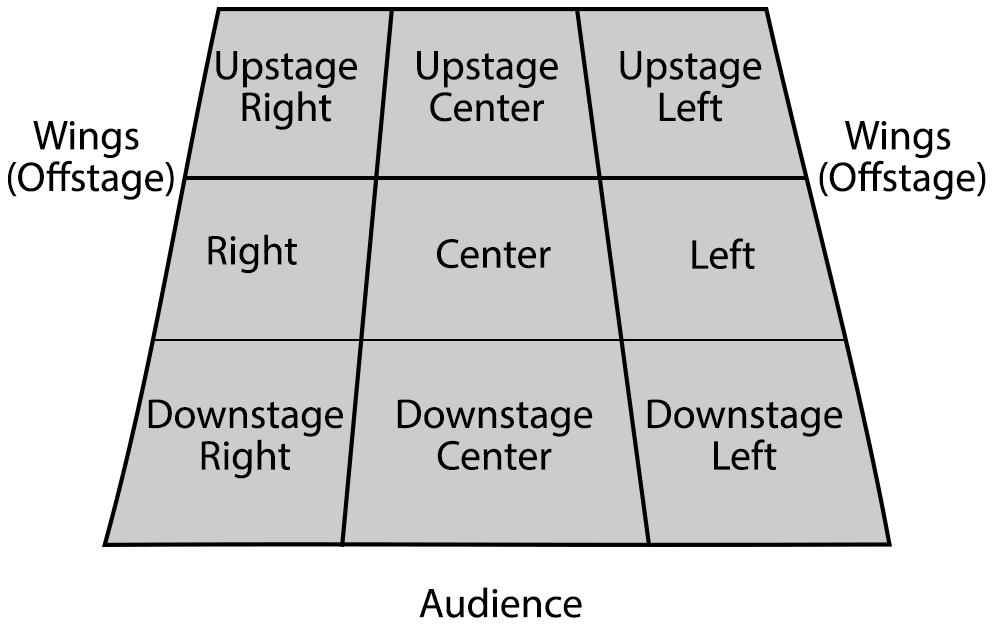
The customer experience is arguably the most critical performance a brand delivers. Stage directions here outline the desired emotional journey for the customer at every touchpoint – from initial awareness to post-purchase support. This involves defining service standards, communication flows, problem-resolution processes, and personalized interaction strategies. These protocols ensure that customer interactions are not left to chance but are carefully orchestrated to reinforce the brand’s promise and leave a lasting positive impression, transforming mere transactions into meaningful relationships.
Directing the Ensemble: Internalizing and Living the Brand
A brand’s performance is a collective effort. It’s not enough to merely define the stage directions; every individual within the organization must understand, embody, and execute them flawlessly. This requires robust internal processes that translate abstract brand concepts into actionable behaviors.
Onboarding and Training: Equipping Your Cast
New employees are new actors joining the ensemble. Their initial onboarding and ongoing training must be heavily centered around understanding the brand’s stage directions. This goes beyond job-specific skills to immerse them in the brand’s purpose, values, persona, voice, and visual identity. Role-playing exercises, case studies, and dedicated brand training sessions can help internalize these directives, ensuring that every team member, from sales to engineering, understands their role in delivering the brand experience. When every employee knows their lines and blocking, the entire production flows seamlessly.
Brand Playbooks: The Script for Every Role
Comprehensive brand playbooks serve as the definitive script for the organization. These accessible resources compile all brand stage directions, detailing guidelines for communication, design, customer interaction, and even internal culture. A playbook might include messaging matrices, visual asset libraries, tone of voice examples for various scenarios, and decision-making frameworks aligned with brand values. By providing a centralized, easy-to-reference resource, playbooks empower employees to make brand-consistent choices independently, fostering a culture of brand stewardship across the entire organization.
Leadership as the Director: Setting the Vision
Ultimately, the effectiveness of brand stage directions hinges on leadership commitment. The C-suite and management team act as the executive directors, not only defining the vision but actively championing and modeling the brand’s behaviors. When leaders consistently articulate the brand’s purpose, adhere to its guidelines, and celebrate brand-aligned actions, they reinforce the importance of these directions. Their consistent endorsement creates an environment where brand stewardship is not just expected but deeply ingrained in the organizational DNA, driving authentic and impactful brand performance.
Performance, Adaptation, and Sustaining the Brand Narrative
The market is an ever-changing stage, and even the most meticulously planned performance requires ongoing attention, adaptation, and refinement. Brand stage directions are not static documents but living guides that evolve with the brand and its audience.
Market Feedback: Audience Applause and Critic Reviews
Just as a director watches audience reactions and reads reviews, brands must actively seek and analyze market feedback. Customer surveys, social media sentiment, sales data, and competitive analysis provide invaluable insights into how the brand’s performance is being received. Is the messaging resonating? Is the visual identity appealing? Are customer experiences meeting expectations? This feedback acts as critical “critic reviews,” highlighting areas where the brand’s stage directions might need a tweak or a significant rewrite to better connect with its audience.
Agility in Direction: When to Rewrite the Scene
The business landscape is fluid, marked by technological advancements, cultural shifts, and emerging trends. Brand stage directions must therefore possess a degree of agility, allowing for strategic adjustments without compromising core identity. This might involve updating visual styles to feel more contemporary, refining messaging to address new societal values, or adapting customer service protocols to leverage new communication channels. The key is to distinguish between superficial updates and fundamental shifts, ensuring that any “scene rewrite” enhances, rather than dilutes, the brand’s enduring narrative and purpose.
Sustaining the Encore: Long-Term Brand Resonance
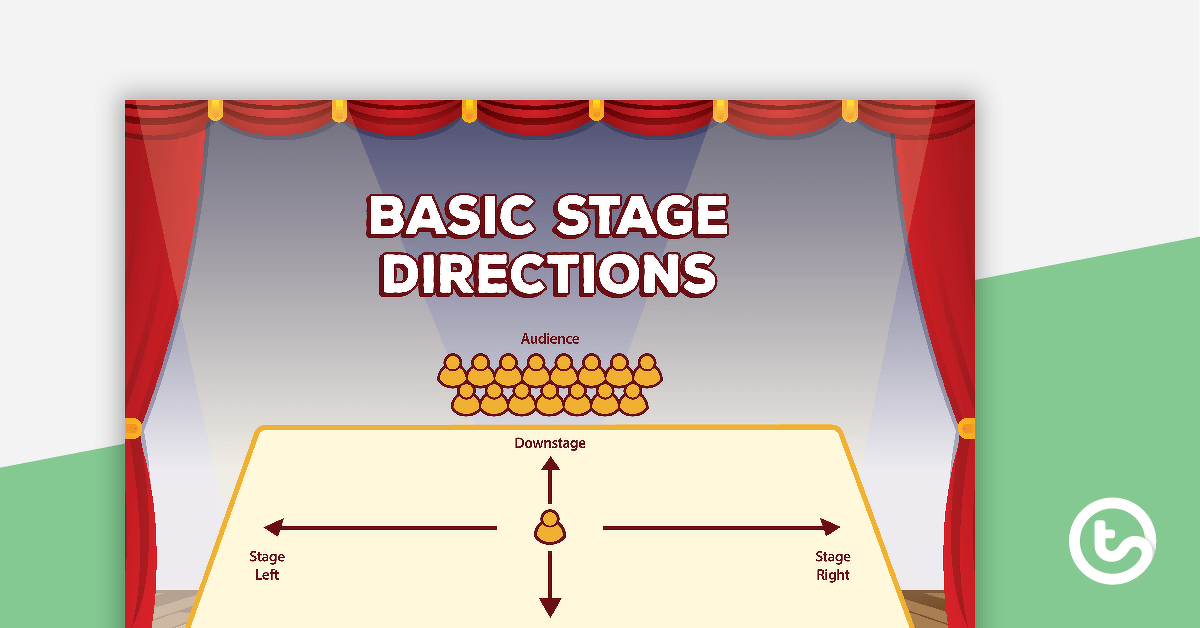
The ultimate goal of well-executed brand stage directions is to create a brand that not only performs well in the short term but achieves long-term resonance and legacy. This involves a continuous commitment to upholding the brand’s values, consistently delivering on its promise, and staying attuned to the evolving needs and desires of its audience. By meticulously crafting, implementing, and adapting its stage directions, a brand ensures its performance remains compelling, relevant, and memorable, securing its place as an enduring favorite on the grand stage of the market.
aViewFromTheCave is a participant in the Amazon Services LLC Associates Program, an affiliate advertising program designed to provide a means for sites to earn advertising fees by advertising and linking to Amazon.com. Amazon, the Amazon logo, AmazonSupply, and the AmazonSupply logo are trademarks of Amazon.com, Inc. or its affiliates. As an Amazon Associate we earn affiliate commissions from qualifying purchases.