
In the modern digital age, our living and working spaces are increasingly intertwined with technology. From mounting an ultra-wide monitor arm to a sturdy desk, securing a smart home hub to a wall, or assembling the latest ergonomic sit-stand desk, the need for precise and secure hardware installation is paramount. A seemingly simple task like driving a screw can quickly become a frustrating ordeal or even lead to damaged equipment if the fundamental principles of tool selection are overlooked. Among the most common fasteners encountered in various tech-related DIY projects is the #8 screw. Understanding the correct drill bit size for pilot and clearance holes for this ubiquitous screw is not just about avoiding stripped heads or cracked materials; it’s about ensuring the integrity, safety, and longevity of your tech investments and the environment they inhabit.

The Crucial Role of Precision in Tech Setup
The meticulous selection of tools, particularly drill bits, is a cornerstone of any successful installation involving technology. Whether you’re a seasoned IT professional building a custom server rack or a casual enthusiast setting up a new home entertainment system, precision in drilling forms the bedrock of a stable and secure setup.
Why Drill Bit Selection Matters
Incorrect drill bit selection for a screw can lead to a cascade of problems. A pilot hole that is too small for an #8 screw will create excessive friction, potentially stripping the screw head, snapping the screw itself, or splitting the material into which it’s driven. This is particularly problematic with delicate electronic enclosures or fine woodworking for custom tech furniture. Conversely, a pilot hole that is too large will fail to provide sufficient grip for the screw threads, resulting in a loose, unstable connection that can compromise the safety and functionality of mounted tech. For instance, a wobbly monitor arm could lead to screen damage, while a poorly secured shelf might endanger valuable computing equipment. Furthermore, in assemblies where components need to pass through a material without threading, such as a clearance hole for a bolt, an accurate drill bit ensures smooth movement and prevents binding, which is essential for modular tech setups or adjustable fixtures.
Common Tech Installation Scenarios
Consider the myriad ways #8 screws appear in our tech-centric lives. They are frequently used in the assembly of office furniture, such as mounting CPU holders under desks, attaching power strips, or securing cable management trays. In home automation, #8 screws might hold smart thermostats, security camera mounts, or speaker brackets. For gamers and content creators, these screws are common in desk setups, securing microphone arms, lighting rigs, or even custom PC cases. Each scenario demands specific considerations regarding material and the need for a precise fit to prevent damage to the technology itself or the structure holding it. Understanding the underlying principles of screw and drill bit sizing is a foundational skill for anyone looking to build, customize, or maintain their tech environment effectively.
Decoding Screw Sizes and Drill Bits
To master the art of drilling for #8 screws, one must first understand the fundamental mechanics of how screws engage with materials and the purpose of different hole types.
Understanding Screw Gauge (#8 Screw Explained)
Screw sizes are defined by two primary dimensions: length and diameter (gauge). The “#8” in an #8 screw refers to its gauge, an industry-standard numbering system that denotes the major diameter of the screw’s threads. For wood screws, self-tapping screws, and sheet metal screws, the #8 gauge typically translates to a major diameter of approximately 0.164 inches (or about 4.16 mm). This standardisation allows for consistent selection of drill bits across various manufacturers. Unlike bolts, which are measured in precise fractions of an inch or millimeters, screws often use a gauge system, particularly for smaller diameters, making it crucial to consult charts or have a good understanding of these numbers.
Pilot Holes: Preventing Damage and Ensuring Security
A pilot hole is a pre-drilled hole smaller than the major diameter of the screw threads. Its primary purpose is to guide the screw, reduce the amount of material the screw must displace, and prevent the material from splitting, especially near edges or in dense wood/plastics. For an #8 screw, the pilot hole size depends heavily on the material density. The goal is to create just enough space for the screw’s core (shank) while allowing the threads to bite firmly into the surrounding material, creating a strong, secure connection. Without a pilot hole, the screw can generate excessive force, leading to material failure or stripping of the screw head as it struggles to cut its own path.
Clearance Holes: Allowing for Movement and Assembly
A clearance hole, also known as a shank hole, is drilled slightly larger than the major diameter of the screw’s threads, allowing the entire screw (including its threads) to pass through a material without engaging. This type of hole is used when you want the screw to pull two pieces of material together, with the screw head fastening against the surface of the top piece, and the threads only engaging the second piece of material. For instance, in a monitor arm assembly where a bracket needs to pivot on a bolt, a clearance hole in the bracket allows for free movement, while a pilot hole in the desk or wall ensures the bolt is securely anchored. Properly sized clearance holes prevent binding, facilitate alignment, and ensure that the screw or bolt performs its intended function without inadvertently threading into the wrong component.
Selecting the Right Drill Bit for an #8 Screw
The optimal drill bit size for an #8 screw is not a one-size-fits-all answer. It varies based on the material into which the screw is being driven, and whether you are drilling a pilot hole or a clearance hole. Precision is key, and selecting the correct bit significantly impacts the stability and longevity of your tech setup.

Softwoods, MDF, Plasterboard: Common Materials for Home Tech
For softer materials like pine, cedar, spruce, particleboard, MDF (Medium-Density Fibreboard), or plasterboard (drywall), which are frequently used in home office furniture, custom speaker enclosures, or wall mounts for lightweight tech, less aggressive pilot holes are typically required.
- Pilot Hole: For an #8 screw, a 7/64 inch (approx. 2.78 mm) drill bit is generally recommended for pilot holes in softwoods and MDF. This size allows the screw threads to achieve excellent grip without splitting the material. For plasterboard, the pilot hole is often omitted for self-tapping screws unless a wall anchor is being used, in which case the anchor manufacturer’s specifications should be followed.
- Clearance Hole: A 5/32 inch (approx. 3.97 mm) drill bit is suitable for a clearance hole for an #8 screw in these materials, allowing the screw to pass freely.
Hardwoods and Plastics: Enhanced Durability
Hardwoods such as oak, maple, or cherry, and various dense plastics (like PVC or certain engineering plastics used in gadget casings or mounts), demand larger pilot holes due to their increased density and brittleness. Attempting to drive an #8 screw into these materials with too small a pilot hole almost guarantees splitting or stripping.
- Pilot Hole: For hardwoods and dense plastics, a 1/8 inch (approx. 3.18 mm) drill bit is the standard recommendation for an #8 screw pilot hole. This larger size reduces the risk of splitting and ensures a smoother, more secure drive.
- Clearance Hole: Similar to softwoods, a 5/32 inch (approx. 3.97 mm) drill bit remains appropriate for clearance holes for an #8 screw in these materials.
Metal Applications: Specialty Bits for Robust Frameworks
When securing an #8 screw into metal, such as sheet metal for a custom PC chassis, aluminum profiles for a server rack, or steel brackets for heavy-duty monitor mounts, specialized drill bits and techniques are essential. The pilot hole in metal is critical for guiding the screw and preventing deflection, which can damage both the material and the screw.
- Pilot Hole: For metal applications, especially if using a self-tapping #8 screw, a 9/64 inch (approx. 3.57 mm) drill bit is often recommended for the pilot hole. This allows the screw’s cutting threads to engage effectively without excessive resistance. For structural steel or thicker gauge metals, consulting a specific fastener guide may be necessary, and often a smaller pilot hole followed by a tapping process (creating threads) is required.
- Clearance Hole: For metal, a 5/32 inch (approx. 3.97 mm) drill bit provides adequate clearance for an #8 screw.
The Practical Chart for #8 Screw Drill Bit Sizes
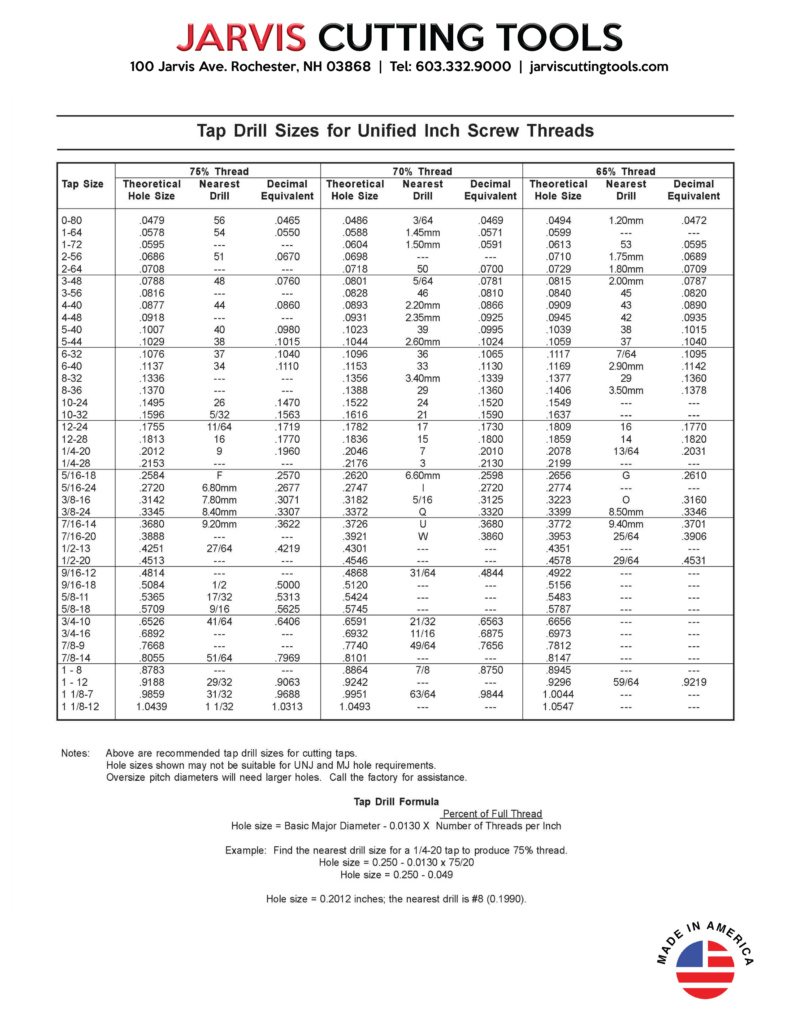
To simplify, here’s a quick reference for common #8 screw drill bit sizes:
| Material Type | Pilot Hole Size | Clearance Hole Size |
|---|---|---|
| Softwoods / MDF | 7/64 inch (2.78 mm) | 5/32 inch (3.97 mm) |
| Hardwoods / Dense Plastics | 1/8 inch (3.18 mm) | 5/32 inch (3.97 mm) |
| Metals | 9/64 inch (3.57 mm) | 5/32 inch (3.97 mm) |
Always test on a scrap piece of the same material first to confirm the ideal fit.
Advanced Considerations for Your Drilling Gadget
Beyond the specific drill bit size, the type of drill and the quality of the bits themselves play a significant role in the precision and ease of your tech installation projects. Modern drills are sophisticated gadgets with features designed for optimal performance.
Drill Types and Features: Impact Drivers vs. Drills
While a standard drill/driver is versatile for most tasks, understanding the nuances between different drill types can enhance your work.
- Cordless Drills: These are the workhorses for most tech enthusiasts. Look for models with variable speed settings and torque control (clutch) to prevent overtightening and stripping screws, especially when working with sensitive electronics or softer materials. Brushless motors offer better efficiency and longevity, a significant tech upgrade in itself.
- Impact Drivers: These are designed for driving screws, particularly longer or larger fasteners, with an impulsive rotational force. While excellent for quickly driving screws into tough materials without stripping, their lack of a clutch mechanism means they can easily overtighten smaller screws like #8s or damage delicate materials if not used with care and experience. They are generally not ideal for drilling pilot holes unless a specialized impact-rated drill bit is used cautiously.
Bit Materials: HSS, Cobalt, Carbide-Tipped
The material of your drill bit directly impacts its performance and durability, especially when encountering different substances.
- High-Speed Steel (HSS): These are the most common and cost-effective bits, suitable for drilling into wood, plastics, and softer metals. They are a good general-purpose choice for most #8 screw pilot holes.
- Cobalt: For drilling into harder metals like stainless steel, or when greater heat resistance is needed, cobalt drill bits (an alloy of HSS and cobalt) offer superior durability and cutting performance.
- Carbide-Tipped: These bits are designed for masonry, concrete, and tile, featuring a super-hard carbide tip. While not typically used for pilot holes for #8 screws in wood or metal, they are essential if you need to mount tech to a brick or concrete wall.
Safety Protocols for Digital DIYers
Even with seemingly small tasks like drilling a pilot hole, safety should never be an afterthought. Always wear appropriate personal protective equipment (PPE), including safety glasses to protect against flying debris and, if necessary, hearing protection, especially when using impact drivers. Secure your workpiece with clamps to prevent it from moving, which can lead to imprecise holes or injury. Ensure your drill bits are sharp and in good condition; dull bits require more force and can lead to less precise holes or material damage. Finally, always consult the specific instructions or manuals for your tech equipment or furniture, as they may have unique requirements for mounting or assembly that supersede general guidelines. By combining precise tool selection with rigorous safety practices, you can ensure your tech installations are not only functional but also secure and aesthetically pleasing.
aViewFromTheCave is a participant in the Amazon Services LLC Associates Program, an affiliate advertising program designed to provide a means for sites to earn advertising fees by advertising and linking to Amazon.com. Amazon, the Amazon logo, AmazonSupply, and the AmazonSupply logo are trademarks of Amazon.com, Inc. or its affiliates. As an Amazon Associate we earn affiliate commissions from qualifying purchases.