
Raising a child is a journey filled with immeasurable joy, but it also comes with significant financial responsibilities. Among the most consistent and often underestimated expenses for new parents is diapering. Far from a simple purchase, managing diaper costs effectively can have a substantial impact on a family’s personal finance landscape. Understanding which diaper sizes your baby will be in the longest is not just a trivial question; it’s a critical piece of information for strategic budgeting, bulk purchasing, and maximizing savings.
The Diaper Dilemma: Understanding the Cost of Convenience
Diapers are a non-negotiable necessity for years, representing a recurring drain on household income. For many parents, the true cost only becomes apparent over time, often amounting to thousands of dollars by the time a child is potty trained. This consistent expenditure demands a proactive financial strategy, rather than a reactive approach.
Beyond the Sticker Price: Lifetime Diaper Expenditure
On average, a baby will use between 2,500 and 3,000 diapers in their first year alone. Across the entire diapering journey, from newborn to potty training (typically around 2.5 to 3 years), a child can go through 6,000 to 8,000 diapers. At an average cost of $0.20 to $0.30 per disposable diaper, this translates to a total expenditure ranging from $1,200 to $2,400 per child, conservatively. For families with multiple children, these costs compound rapidly, making the diaper budget a cornerstone of early childhood financial planning. Ignoring this significant line item can lead to unexpected financial strain, diverting funds from other important areas like savings, debt reduction, or future educational expenses.
The Impact of Growth Spurts on Your Diaper Budget
A baby’s growth is wonderfully unpredictable, characterized by spurts that can rapidly shift them from one diaper size to the next. This fluid progression presents a financial challenge: how to stock up without over-purchasing a size that will quickly become too small, leading to waste. Parents often find themselves with half-used packages of outgrown diapers, a direct hit to their financial efficiency. Therefore, identifying the “long-haul” sizes allows for more precise bulk buying, mitigating the risk of accumulating unusable inventory and ensuring every dollar spent on diapers contributes effectively to the baby’s needs.
Identifying the Long-Haul Diaper Sizes
While every baby’s growth curve is unique, general patterns emerge that can guide parents in their financial planning. Certain diaper sizes tend to accommodate babies for longer periods, representing the bulk of a family’s diaper expenditure.
Newborn & Size 1: The Brief Introduction
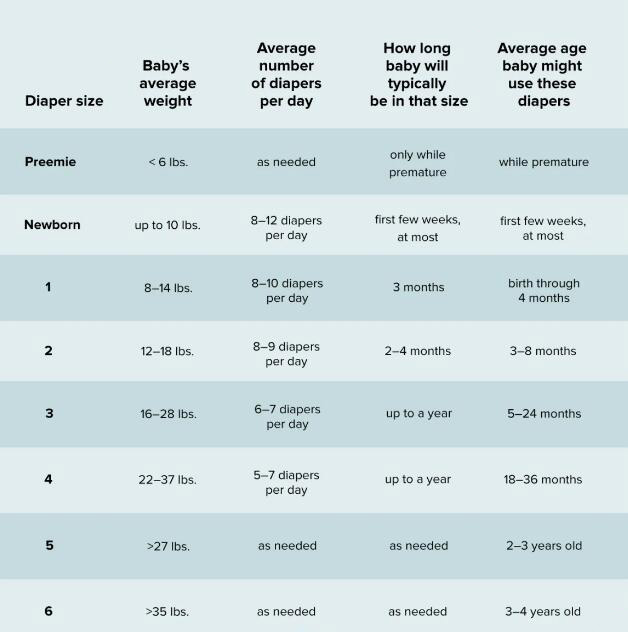
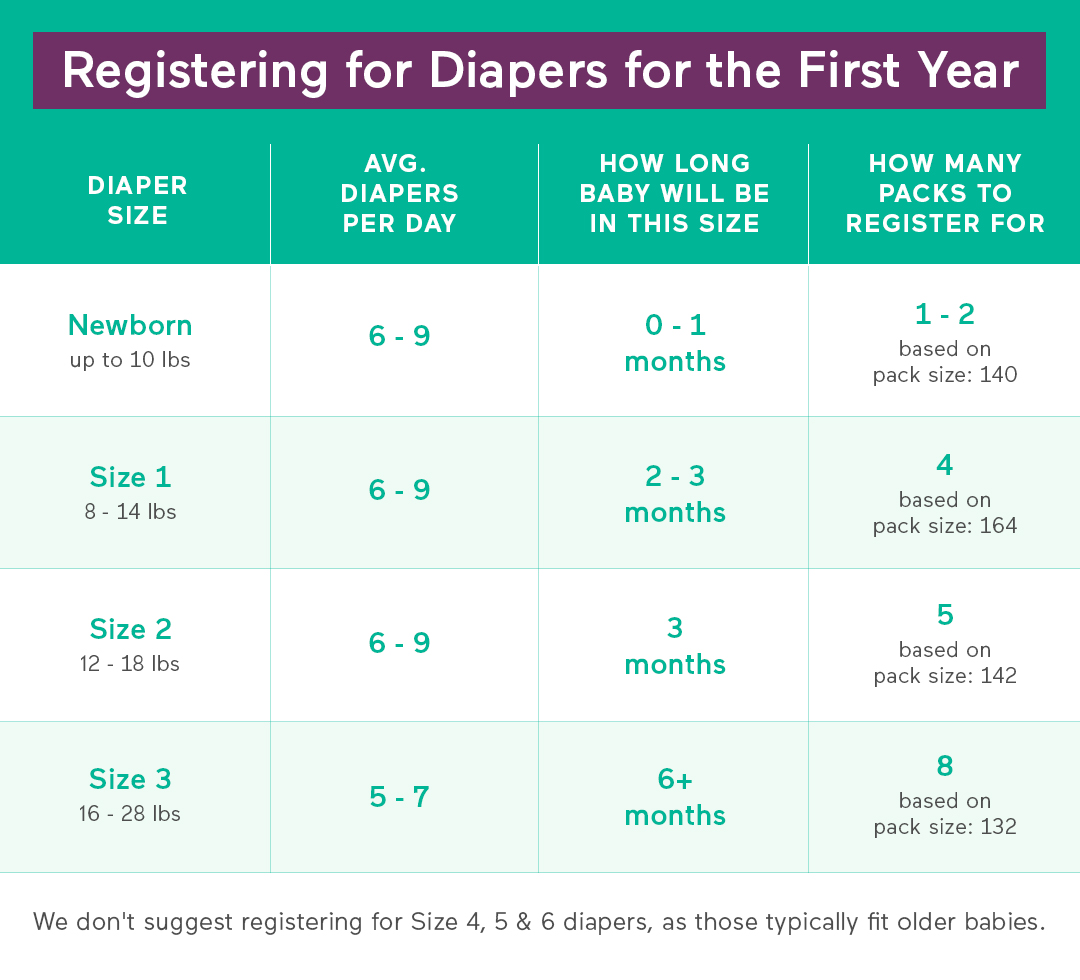
Newborn diapers are, by their very nature, short-lived. Babies grow incredibly fast in the first few weeks, often transitioning out of newborn sizes within a month. Similarly, Size 1 diapers, while lasting a bit longer, still represent a relatively brief phase. Financially, this means purchasing large quantities of these initial sizes is often inefficient. A modest stock, perhaps enough for 2-4 weeks, is usually sufficient. Overstocking newborn or size 1 diapers is a common financial misstep for new parents, leading to wasted money on unused product.
Sizes 2 & 3: The Workhorses of Early Childhood
Here’s where the financial strategy really kicks in. Many parents report that their babies spend the longest continuous periods in Size 2 and Size 3 diapers. These sizes typically cover the weight ranges from approximately 12 to 18 pounds (Size 2) and 16 to 28 pounds (Size 3), encompassing several months of consistent growth and development. Babies often settle into these sizes for a significant duration, typically from around 3-4 months up to 12-18 months. This extended usage makes Sizes 2 and 3 prime candidates for bulk purchasing strategies. When these sizes go on sale, buying in larger quantities, especially during “stock-up” events, can yield substantial per-diaper savings, directly impacting the overall diaper budget.
Sizes 4, 5 & 6: The Toddler Marathon
As babies transition into toddlerhood, they often spend a prolonged period in Size 4, 5, and even 6 diapers. While the initial growth rate slows compared to infancy, toddlers maintain these larger sizes for a considerable time until potty training. Size 4 can cover up to 37 pounds, Size 5 up to 40+ pounds, and Size 6 up to 45+ pounds, accommodating children well into their second and third years. The total number of diapers used in these larger sizes might be fewer per day than for an infant, but the duration of use for each size can still be extensive. Therefore, these sizes also warrant strategic purchasing, though perhaps with a slightly longer planning horizon given the slower growth rate.
The Elusive “Pull-Up” Transition and Its Costs
As children approach potty training, parents often transition to training pants or “pull-ups.” While functionally similar to diapers, these products often come at a premium price point per unit. Financially, this phase can be tricky. Over-reliance on training pants can extend the diapering costs, sometimes unnecessarily. Savvy parents often weigh the convenience against the increased unit cost and aim for a swift transition to underwear, minimizing the financial outlay in this final stage.
Strategic Diaper Purchasing: Maximizing Savings
Knowing which sizes your baby will be in the longest is only half the battle. The other half is applying this knowledge to smart purchasing decisions that protect your personal finances.
Bulk Buying vs. Just-in-Time Purchases
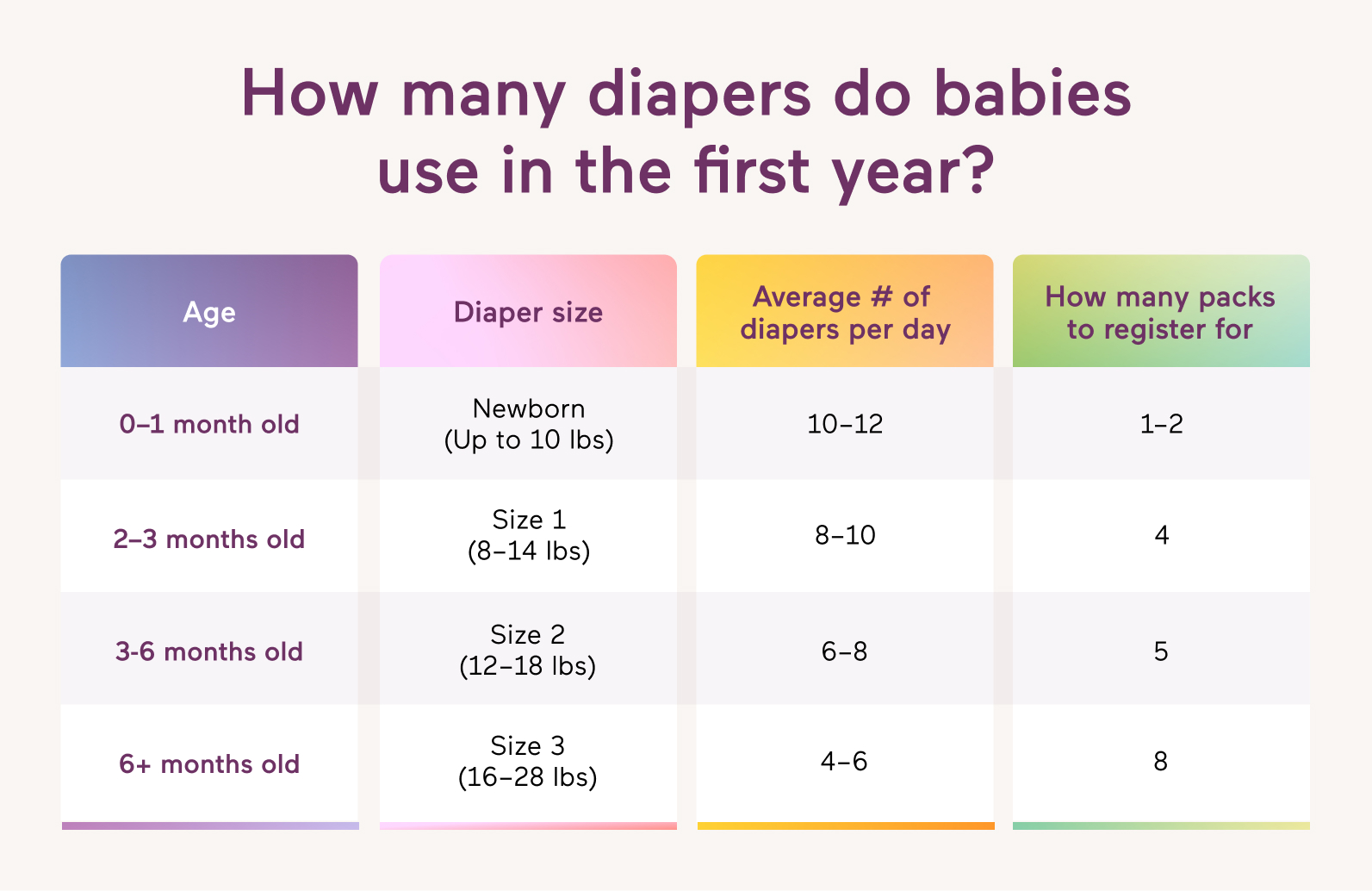
The most effective way to reduce the per-diaper cost is through bulk buying. Large boxes or cases of diapers almost always offer a lower unit price than smaller packs. For the “long-haul” sizes (Sizes 2, 3, 4, 5), purchasing in bulk during sales is a financially sound strategy. However, for short-lived sizes (Newborn, Size 1), a “just-in-time” approach, buying only what’s needed, prevents financial waste from outgrown diapers. Always calculate the unit cost (price per diaper) to truly compare deals across different package sizes and brands.
Leveraging Sales, Coupons, and Subscription Services
Never pay full price for diapers if you can avoid it. Stores frequently run sales, often advertising “buy one, get one half off” or “spend X, save Y.” Combine these sales with manufacturer coupons (digital or print) for maximum impact. Subscription services, offered by many retailers and diaper brands, can also provide convenience and a recurring discount, often 15-20% off. However, always compare the subscription price per diaper to current sale prices from other retailers. Sometimes, a well-timed store sale can beat a subscription discount.
The Unit Cost Advantage: A Crucial Metric
The single most important financial metric when buying diapers is the unit cost, or price per diaper. This allows for an apples-to-apples comparison across different brands, sizes, and package quantities. Divide the total price by the number of diapers in the pack. Aim for unit costs under $0.20-$0.25, especially for the larger sizes which typically have higher per-diaper costs due to more material. Tracking this metric empowers you to make informed decisions and truly identify the best deals, preventing superficial discounts from misleading your budgeting efforts.
Don’t Forget Rewards Programs and Cash Back
Many grocery stores, big-box retailers, and online platforms offer loyalty programs that accumulate points or cash back on purchases. Diapers, being a consistent expenditure, can significantly contribute to these rewards. Utilizing credit cards with cash-back rewards on groceries or general purchases can also add another layer of savings. Combining sales, coupons, and rewards programs can shave significant percentages off your annual diaper bill, freeing up capital for other family financial goals.
Budgeting for Baby’s Bottom: Long-Term Financial Planning
Integrating diaper costs into your overall financial plan is essential for maintaining a healthy budget during your child’s early years.
Incorporating Diaper Costs into Your Monthly Budget
Create a specific line item in your monthly budget for “Diapers & Wipes.” Based on usage rates and planned purchasing strategies, allocate a realistic amount. For instance, if your baby uses 8 diapers a day at $0.25 each, that’s $2 per day, or $60 per month. Add a buffer for wipes and creams, and you might budget $70-$80 monthly. Regularly review and adjust this allocation as your baby grows and their diapering needs change. This proactive budgeting prevents the “surprise” of needing to buy diapers when funds are low.
Emergency Stockpiles and Financial Buffers
Beyond monthly budgeting, consider building a small “diaper fund” or an emergency stockpile of the “long-haul” sizes when sales are particularly good. Having 1-2 months’ worth of diapers on hand can provide peace of mind and prevent last-minute, full-price purchases when you unexpectedly run out. This acts as a financial buffer against sudden price increases or unexpected cash flow issues.
The True Cost of Diapering: Beyond the Diaper Itself
Remember that the “diaper budget” extends beyond just the disposable diaper. Wipes, diaper creams, changing pad covers, and even dedicated diaper disposal systems all contribute to the overall cost. Factor these associated expenses into your budget for a comprehensive financial picture. While individually small, these items collectively add up over years.
Exploring Alternatives: The Financial Case for Cloth Diapers
For parents deeply committed to long-term savings and environmental considerations, cloth diapers present a compelling financial alternative. While they require a higher upfront investment, the cumulative savings can be substantial.
Upfront Investment vs. Long-Term Savings
A full set of cloth diapers (e.g., 20-24 all-in-one or pocket diapers) can cost anywhere from $300 to $600 initially. This is a significant lump sum compared to buying a small pack of disposables. However, after this initial investment, the recurring costs are primarily for laundry (water, electricity, detergent), which are relatively minor compared to continuously purchasing disposables. Over 2.5 to 3 years, cloth diapering can save a family anywhere from $1,000 to $2,000 or more, depending on laundry costs and disposable diaper prices in their region. This represents a substantial financial return on the initial investment, making it a powerful tool for personal finance for families.
Resale Value and Environmental Benefits
Beyond the direct savings, cloth diapers often retain a good resale value, allowing parents to recoup a portion of their initial investment after their child is potty trained. This further enhances their financial attractiveness. While the primary driver for many cloth diaper users might be environmental impact, the undeniable financial benefits make it a prudent choice for money-conscious families seeking to optimize their baby-related expenditures. Weighing the upfront cost against the long-term savings and potential resale value is a key financial decision for new parents.
In conclusion, understanding which diaper sizes babies typically remain in the longest — primarily Sizes 2, 3, and then 4-6 — empowers parents to make financially astute decisions. By strategically purchasing these “long-haul” sizes in bulk, leveraging sales and rewards, and meticulously tracking unit costs, families can significantly mitigate one of the largest recurring expenses of early parenthood, ensuring their personal finances remain robust for all of life’s precious moments.
aViewFromTheCave is a participant in the Amazon Services LLC Associates Program, an affiliate advertising program designed to provide a means for sites to earn advertising fees by advertising and linking to Amazon.com. Amazon, the Amazon logo, AmazonSupply, and the AmazonSupply logo are trademarks of Amazon.com, Inc. or its affiliates. As an Amazon Associate we earn affiliate commissions from qualifying purchases.