
Bringing a new feline companion into your home is a joyous occasion, filled with purrs, playful antics, and unconditional affection. Amidst the excitement, a crucial aspect of responsible pet ownership, often with significant financial implications, is ensuring your cat receives the necessary vaccinations. While the primary goal of these immunizations is your cat’s health and longevity, understanding the financial landscape of feline vaccinations is paramount for proactive financial planning and avoiding unexpected veterinary bills. This article delves into the monetary aspects of feline immunization, guiding pet owners through budgeting, cost considerations, and long-term financial strategies related to their cat’s preventative health care.
Understanding the Baseline Costs of Core Vaccinations
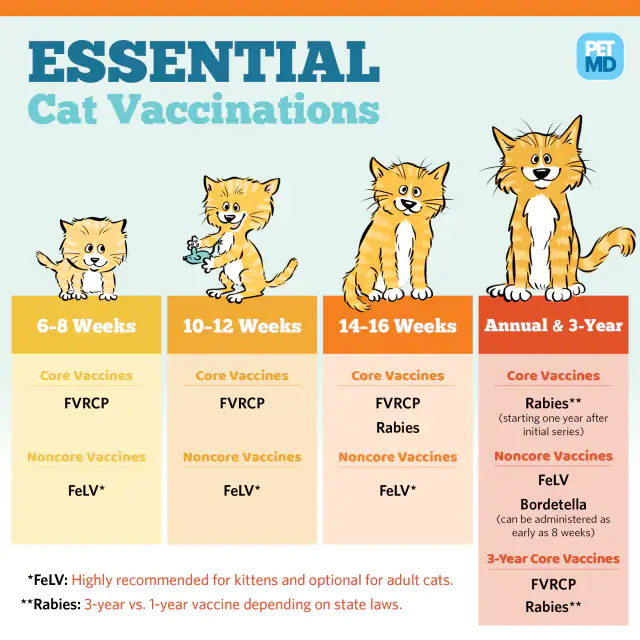
The first step in financially preparing for your cat’s health is recognizing the initial investment required for core vaccinations. These are the immunizations universally recommended for all cats, regardless of their lifestyle, due to the prevalence and severity of the diseases they prevent.
Initial Kitten Series vs. Adult Boosters
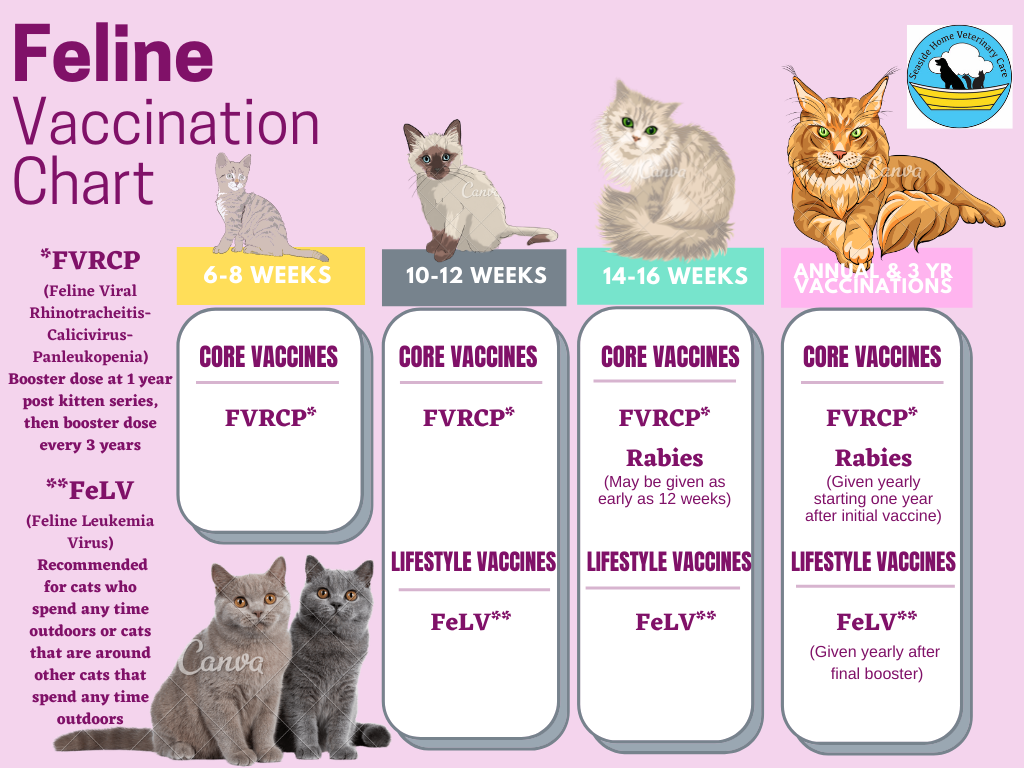
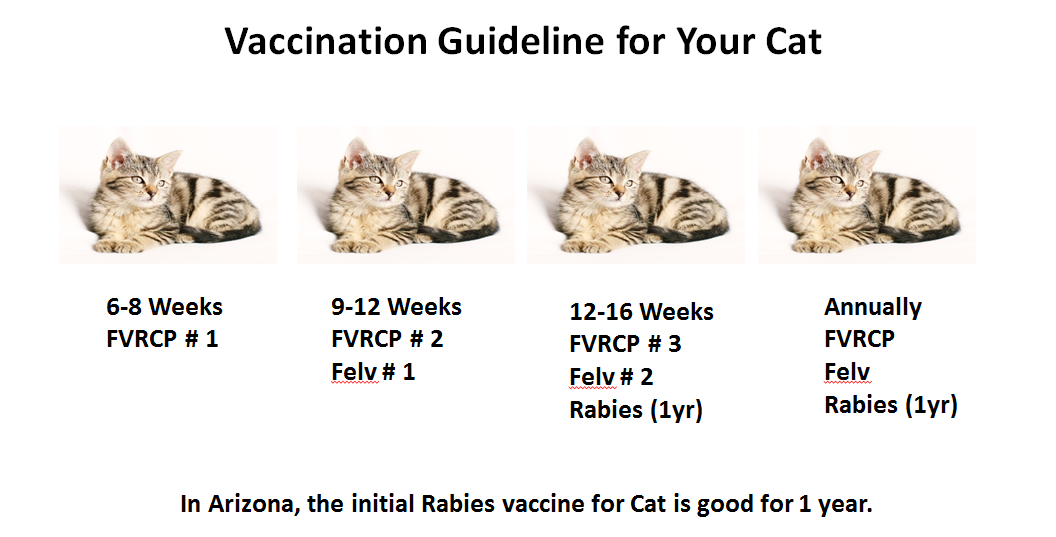
For kittens, the vaccination process typically involves a series of shots, usually starting at around 6-8 weeks of age and continuing every 3-4 weeks until they are about 16 weeks old. This series is designed to build a robust immune response as the kitten’s maternal antibodies wane. Each visit for these initial shots will incur a veterinary consultation fee in addition to the cost of the vaccines themselves. A typical kitten series might involve 2-3 visits for core vaccines, potentially including Rabies. Owners should budget for these multiple appointments within the first few months of ownership.
Once the initial kitten series is complete, adult cats require booster shots at regular intervals, often annually or every three years, depending on the specific vaccine and local regulations. While these booster visits are less frequent, they are a recurring expense that must be factored into your long-term financial plan for your pet. A single annual booster visit, combining a physical examination with necessary vaccinations, can range significantly depending on the clinic and region.
Geographical Variations in Veterinary Fees
Veterinary costs are not uniform across the board; they can vary considerably based on geographical location, the type of veterinary practice (e.g., small independent clinic versus a larger veterinary hospital), and even the specific veterinarian’s pricing structure. Urban centers and affluent areas often have higher veterinary fees compared to rural or more suburban regions. It’s advisable for prospective or new cat owners to research local veterinary clinics, obtain quotes for kitten vaccination packages or adult booster appointments, and compare prices. Some clinics offer discounted wellness plans that bundle examinations and vaccinations, which can be a cost-effective option for managing these predictable expenses. Transparency in pricing varies, so don’t hesitate to ask for a detailed breakdown of costs before committing to a clinic.
The Financial Imperative of Preventative Care
From a financial standpoint, vaccinations are not merely an expense but a critical investment. The upfront cost of immunizing your cat is significantly less than the potential financial burden of treating vaccine-preventable diseases. This concept is fundamental to responsible pet ownership and sound financial planning.
Vaccinations as an Investment Against Future Medical Expenses
Consider vaccinations as a premium paid on a very effective insurance policy. For a relatively modest annual or triennial fee, you are protecting your cat from highly contagious, debilitating, and often life-threatening diseases. These diseases, such as Feline Panleukopenia (feline distemper), Feline Viral Rhinotracheitis (herpesvirus), Feline Calicivirus, and Rabies, can lead to extensive and costly veterinary interventions if contracted. Treatment protocols can involve hospitalization, intensive care, prolonged medication regimens, and specialized diagnostics—all of which quickly accumulate into bills far exceeding the cost of preventative vaccination. By investing in preventative care, you are actively mitigating the risk of future financial strain caused by serious illness.
The Cost of Treating Vaccine-Preventable Diseases
To illustrate the financial impact, let’s consider a few scenarios. Treating a severe case of Feline Panleukopenia, for instance, can require several days of inpatient care, intravenous fluids, antibiotics, anti-nausea medications, and nutritional support. The total cost for such treatment can easily soar into the thousands of dollars. Similarly, managing complications from severe upper respiratory infections caused by Feline Herpesvirus or Calicivirus might involve nebulization, specialized diets, ophthalmological care, and long-term medication, leading to substantial recurring expenses. In contrast, the complete series of core kitten vaccinations might cost a few hundred dollars, and subsequent boosters are typically less than $100-$150 per visit, including an examination. The stark difference highlights the economic wisdom of vaccination: a small, predictable expense to avoid potentially catastrophic and unpredictable costs. Furthermore, in cases like Rabies, not only are treatment options limited and often futile, but there can be significant public health costs and legal implications if an unvaccinated animal exposes humans or other animals.
Budgeting for Your Cat’s Immunization Schedule
Proactive financial planning is key to managing the costs associated with your cat’s immunization schedule without undue stress. Integrating these expenses into your household budget ensures that your cat receives the care it needs without disrupting your personal finances.
Incorporating Vet Visits into Your Household Budget
Begin by creating a dedicated line item in your monthly or annual budget for pet care, specifically earmarking funds for veterinary visits and vaccinations. For new kitten owners, calculate the total estimated cost of the initial vaccination series, including exam fees for each visit, and divide it by the number of months until the series is complete. This will give you a monthly savings target. For adult cats, determine the frequency of booster shots (annual or triennial) and the average cost per visit. You can then save a smaller amount monthly to accumulate the necessary funds by the time the next booster is due. For example, if an annual visit costs $120, setting aside $10 per month makes the expense manageable. Regularly reviewing and adjusting this budget line item is essential, especially as your cat ages or if your veterinarian recommends additional non-core vaccines based on lifestyle (e.g., Feline Leukemia Virus vaccine for outdoor cats).
Exploring Payment Plans and Discount Programs
Many veterinary clinics understand the financial pressures pet owners face and offer various solutions. It’s worth inquiring about payment plans for larger bills, though vaccinations typically aren’t extensive enough to require this unless combined with other procedures. More commonly, clinics may offer “wellness packages” or “kitten packages” that bundle initial exams, vaccinations, and sometimes even spay/neuter services at a reduced overall cost. These packages can represent significant savings compared to paying for each service individually. Additionally, non-profit organizations and animal shelters often host low-cost vaccination clinics, particularly for core vaccines like Rabies and FVRCP (Feline Viral Rhinotracheitis, Calicivirus, and Panleukopenia). These clinics can be an excellent resource for budget-conscious owners, but always ensure the services are provided by licensed veterinarians and that the vaccines used are reputable.
Pet Insurance: A Financial Safety Net for Feline Health
Pet insurance has emerged as a popular financial tool for managing the unpredictable costs of pet ownership, and it can play a role in covering vaccination expenses depending on the policy. Understanding how pet insurance integrates with preventative care is vital for a comprehensive financial strategy.
How Pet Insurance Covers Vaccinations and Wellness
Most standard pet insurance policies primarily focus on accident and illness coverage, meaning they cover unexpected medical events such as injuries, infections, or chronic conditions. These policies typically do not cover routine preventative care like vaccinations, annual exams, or parasite prevention. However, many pet insurance providers offer add-on “wellness plans” or “preventative care packages” that can be purchased in addition to a standard policy. These wellness plans specifically reimburse a portion or the full cost of routine services, including core vaccinations, annual check-ups, and sometimes even dental cleanings or spay/neuter procedures.
When considering a wellness plan, it’s crucial to carefully review what is covered, the reimbursement percentage, annual limits, and any waiting periods. Calculate if the annual premium for the wellness add-on genuinely offers a financial benefit compared to simply paying for these services out-of-pocket. For some pet owners, especially those with multiple pets or who prefer predictable monthly payments, a wellness plan can simplify budgeting for routine care.
Analyzing Different Coverage Plans and Deductibles
If you opt for a pet insurance policy, you will encounter various types of coverage, deductibles, reimbursement percentages, and annual limits. For example, a higher deductible policy will have lower monthly premiums but means you pay more out-of-pocket before insurance kicks in. Conversely, a lower deductible means higher premiums but less initial outlay during an incident. While these primarily apply to accident and illness coverage, understanding them is important for the broader financial picture of your cat’s health. When evaluating policies, consider your financial risk tolerance, your cat’s age and health status, and what you can realistically afford in monthly premiums versus potential out-of-pocket expenses. Always obtain multiple quotes and read the fine print to ensure the policy aligns with your financial goals and your cat’s specific health needs.
Long-Term Financial Planning for Your Cat’s Well-being
Beyond immediate vaccination costs, integrating your cat’s ongoing health needs into your long-term financial strategy is a mark of responsible pet ownership. This holistic approach ensures you are prepared for both routine and unexpected expenses throughout your cat’s life.
Emergency Funds for Unexpected Veterinary Needs
While vaccinations prevent many common diseases, no amount of preventative care can eliminate all risks. Cats can suffer from unforeseen accidents, develop chronic conditions, or experience age-related illnesses that require extensive and expensive veterinary care. Establishing a dedicated emergency fund for your pet is a critical financial safety net. Aim to save at least $1,000-$3,000, or even more, in an easily accessible savings account solely for your cat’s medical emergencies. This fund acts as a buffer against having to make difficult financial decisions during a crisis, ensuring your cat can receive necessary treatment without jeopardizing your personal finances or resorting to debt. For those with pet insurance, an emergency fund can cover deductibles, co-pays, or expenses that exceed policy limits.
Resources for Affordable Vaccinations and Spay/Neuter Services
For financially challenged pet owners, several resources exist to help make essential preventative care more accessible. As mentioned, many animal shelters and humane societies offer low-cost vaccination clinics and affordable spay/neuter programs. These services are vital for controlling pet overpopulation and ensuring basic health care. Local municipal animal control services may also provide information on financial aid programs or clinics. Additionally, some national organizations, such as the ASPCA or Humane Society of the United States, provide resources and directories for affordable veterinary care. When exploring these options, always prioritize licensed professionals and ensure the quality of care meets established veterinary standards. Investing in your cat’s core vaccinations is not just about health; it’s a foundational financial decision that protects your wallet from future strain while ensuring your beloved feline companion lives a long, healthy, and happy life.
aViewFromTheCave is a participant in the Amazon Services LLC Associates Program, an affiliate advertising program designed to provide a means for sites to earn advertising fees by advertising and linking to Amazon.com. Amazon, the Amazon logo, AmazonSupply, and the AmazonSupply logo are trademarks of Amazon.com, Inc. or its affiliates. As an Amazon Associate we earn affiliate commissions from qualifying purchases.