
The seemingly simple act of selecting an oil for a chopping board transcends mere household maintenance; it represents a calculated financial decision, an investment in the longevity and sustained value of a critical kitchen asset. Much like maintaining a premium appliance or a luxury vehicle, the proper care of a chopping board directly impacts its functional lifespan, aesthetic integrity, and ultimately, the frequency and cost of its replacement. Approaching this choice with a keen eye on financial prudence can yield significant long-term savings and ensure optimal return on investment for an item often taken for granted.
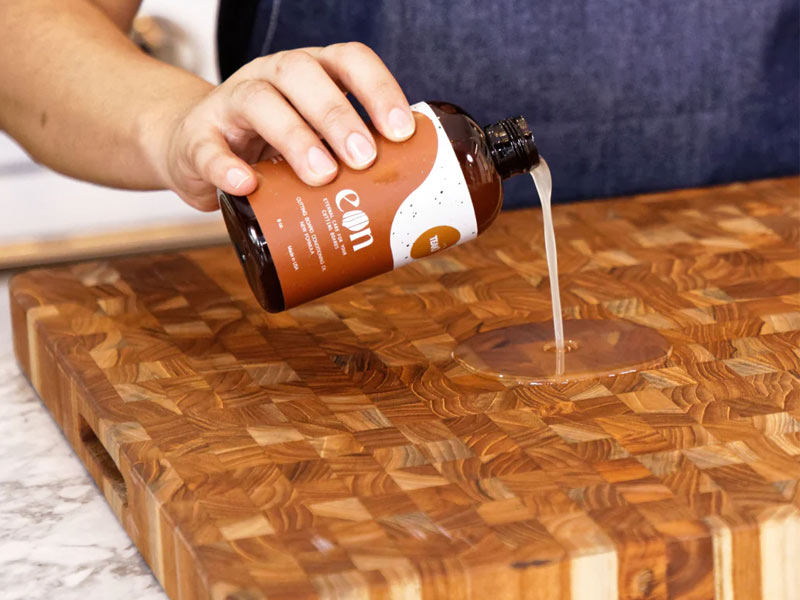
The Chopping Board as a Kitchen Asset: Understanding its Value
To frame the oil selection process within a financial context, it’s crucial to first recognize the chopping board not just as a utilitarian object, but as a tangible asset within your culinary ecosystem. Its value extends beyond its initial purchase price, encompassing its role in food preparation efficiency, hygiene standards, and even the overall presentation and functionality of a kitchen space.
Initial Investment and Replacement Costs
High-quality chopping boards, particularly those crafted from durable hardwoods like maple, cherry, or walnut, represent a notable upfront investment. These aren’t disposable items; they are tools designed for years, if not decades, of service. A premium board can range from $50 to several hundred dollars, making its preservation a clear financial imperative. Neglecting its care, especially by failing to oil it properly, leads to premature drying, cracking, warping, and splintering. Each of these defects necessitates either costly repairs or, more commonly, outright replacement. From a personal finance standpoint, understanding the amortized cost of a board over its expected lifespan highlights the economic efficiency of proper maintenance. A $100 board lasting 10 years costs $10 annually; the same board lasting only 2 years due to neglect increases its annual cost to $50, representing a substantial loss of value. For commercial kitchens, where boards are assets on a larger scale and contribute directly to operational efficiency, these costs multiply, impacting the bottom line significantly.
Impact on Culinary Efficiency and Hygiene
Beyond the direct financial outlay, the condition of a chopping board has indirect financial implications. A well-maintained, smooth, and resilient surface facilitates safer and more efficient food preparation. Knives glide smoothly, ingredients are less likely to stick in cracks, and the overall workflow is enhanced. Conversely, a dry, pitted, or warped board can dull knives faster, requiring more frequent professional sharpening services (another recurring expense). Furthermore, cracks and fissures in an unsealed board create breeding grounds for bacteria, posing significant health risks. For a business, this could lead to health code violations, costly fines, reputational damage, and even litigation. For the home cook, it represents a health liability that could lead to medical expenses. Investing in the right oil, therefore, is not just about preserving wood; it’s about preserving a functional, hygienic, and safe work surface, thereby mitigating potential future financial liabilities.
Evaluating Oil Choices: A Cost-Benefit Analysis
The market offers a range of oils suitable for chopping boards, each with its own price point, application frequency, and protective qualities. A judicious selection involves a cost-benefit analysis, weighing the upfront expense against the long-term benefits in board preservation and performance. The goal is to maximize the return on investment in your board’s care.
Mineral Oil: The Economical Workhorse
Food-grade mineral oil, often labeled as “liquid paraffin,” stands out as the most widely recommended and economically viable option. Its key financial advantages include:
- Low Unit Cost: Mineral oil is typically the least expensive per ounce, making it an accessible option for all budgets.
- Ease of Application: Its low viscosity allows for easy saturation of the wood fibers, requiring minimal effort and time. This translates to lower labor costs, whether it’s your own time at home or an employee’s time in a commercial setting.
- Non-Hardening: Unlike some other oils, mineral oil does not polymerize or go rancid, ensuring a stable, non-sticky finish that won’t require costly stripping and reapplication.
The primary drawback from a financial perspective is its relatively rapid absorption and evaporation, meaning it requires more frequent reapplication compared to heavier treatments. While individually cheap, the cumulative cost of frequent applications over a board’s lifespan needs to be considered. However, for a balance of cost-effectiveness and reliable protection, mineral oil remains an excellent baseline investment.
Beeswax & Oil Blends: Enhanced Protection for Extended Value
Many products combine food-grade mineral oil with beeswax or other natural waxes. These blends offer a superior level of protection and durability, justifying their slightly higher price point through extended intervals between applications.
- Superior Sealing: The addition of wax creates a more robust barrier against moisture penetration, significantly reducing the risk of warping and cracking, thereby extending the board’s life. This enhanced protection minimizes the likelihood of costly damage.
- Reduced Application Frequency: Due to the wax’s protective layer, boards treated with blends require less frequent reapplication than those treated solely with mineral oil. This saves time (a non-monetary but valuable asset) and reduces the overall consumption of product over time, potentially offsetting the higher unit cost.
- Aesthetic Preservation: The waxy finish can enhance the wood’s natural luster, contributing to the board’s aesthetic value, which can be a factor for resale or professional presentation. From a financial viewpoint, these blends represent an intelligent upgrade for individuals or businesses seeking to maximize the lifespan and minimize the maintenance overhead of their chopping board inventory. The initial higher investment per application is often negated by the reduced frequency and superior protection.
Specialty Oils: When Premium Investment Pays Off
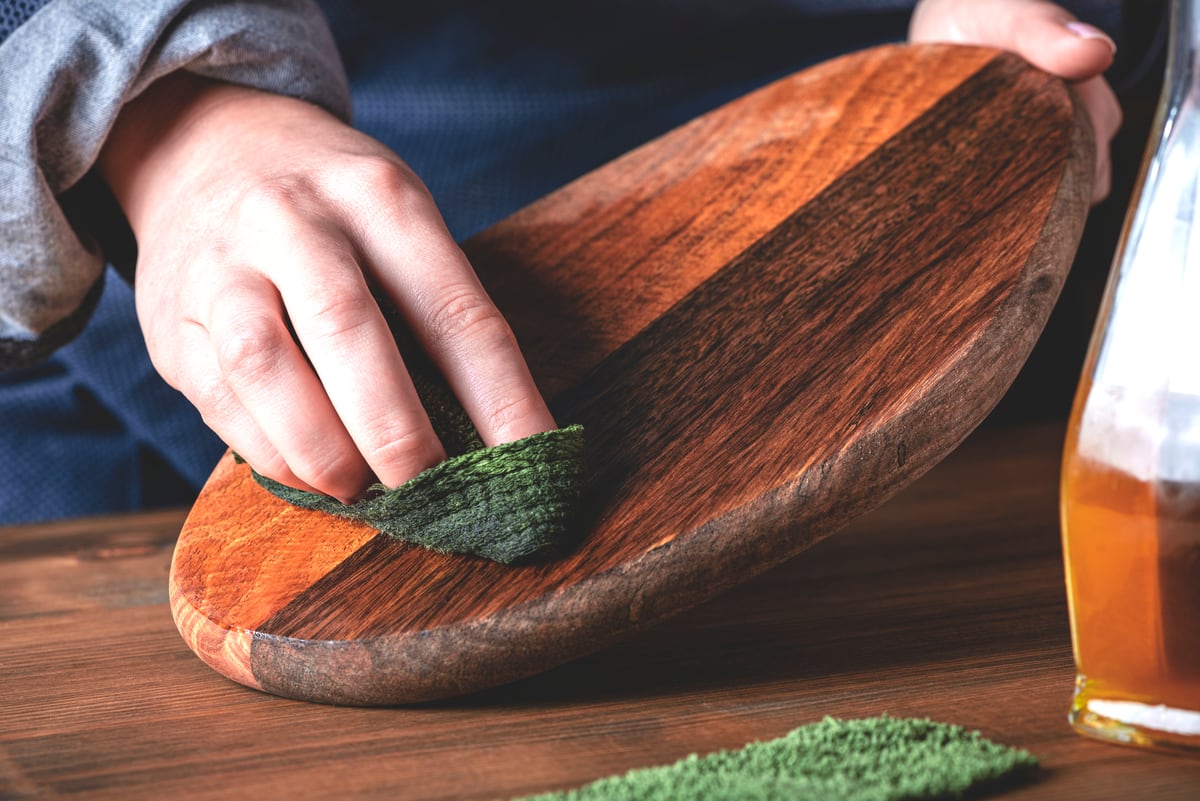
Options like walnut oil or tung oil (food-grade only) represent a higher-tier investment in chopping board care. These oils penetrate deeply and, particularly with tung oil, cure into a hard, durable finish.
- Exceptional Durability and Water Resistance: Curing oils offer unparalleled protection against water ingress and wear, significantly extending the board’s operational life. This minimizes the risk of expensive damage and replacement.
- Long-Term Application Intervals: Once properly cured, boards may require re-oiling only annually or even less frequently, drastically reducing ongoing maintenance costs and labor.
- Enhanced Aesthetic and Value: The hard, natural finish can profoundly enhance the board’s appearance, potentially increasing its perceived value or making it a more attractive centerpiece.
The financial consideration here is the higher initial cost per unit and the longer, more involved application process, which can be labor-intensive. However, for heirloom-quality boards, high-volume commercial use, or situations where maximum durability and minimal long-term fuss are paramount, the premium investment in these specialty oils can deliver an excellent return by virtually eliminating damage and ensuring decades of service. This is a strategic long-term capital preservation strategy for a valuable asset.
Avoiding Costly Mistakes: What Not to Use
Just as important as choosing the right oil is understanding which substances to avoid. Using inappropriate oils can lead to significant financial setbacks, ranging from premature board degradation to potential health liabilities. This section highlights common pitfalls that can undermine your investment.
Vegetable Oils: The Hidden Expense of Rancidity
A common misconception is that any food-safe oil will suffice. Oils like olive oil, canola oil, sunflower oil, or coconut oil are readily available and seem like convenient choices. However, they contain unsaturated fats that are prone to oxidation, leading to rancidity.
- Irreversible Damage: Once rancid, these oils impart an unpleasant smell and taste to food and can become sticky or gummy on the board. This often necessitates intensive cleaning, sanding, or even replacement of the board, incurring significant unexpected costs.
- Hygiene Risks: Rancid oil can harbor bacteria and compromise food safety, leading to the financial liabilities associated with potential foodborne illness.
- Devaluation of Asset: A board permeated with rancid oil is effectively ruined, diminishing its functional and aesthetic value to zero, representing a complete loss of the initial investment. The seemingly “free” or cheap option of using cooking oil can quickly turn into a substantial, unforeseen expense.
Non-Food Grade Oils: Health Risks and Financial Liabilities
Certain oils, like linseed oil (unless specifically labeled “food grade” or “flaxseed oil”) or standard tung oil (not “pure tung oil” or food-grade), are designed for furniture or industrial applications and may contain metallic dryers or other toxic compounds.
- Health Hazards: These substances are not safe for food contact and can leach into ingredients, posing serious health risks. This creates a direct financial liability, particularly for businesses, through potential legal action, fines, and devastating reputational damage.
- Board Contamination: Once a board has absorbed toxic oils, it is permanently contaminated and must be discarded, representing a complete financial loss of the asset. The small savings on a cheaper, non-food-grade oil are negligible compared to the potentially catastrophic financial consequences. Always verify that any oil used is explicitly food-grade to protect both health and financial investment.
Maximizing ROI: Application, Maintenance, and Longevity
The financial return on your oil investment isn’t solely dependent on the product chosen, but critically on its correct application and ongoing maintenance. Treating your chopping board like any other valuable piece of equipment requires a systematic approach to care, ensuring every dollar spent on oil translates into extended board life and sustained performance.
Proper Application: Ensuring Full Coverage and Absorption
The efficacy of any oil treatment is directly tied to its application. Skimping on oil or rushing the process is a false economy.
- Generous Initial Soaking: The first few applications should be generous, allowing the wood to fully saturate. Think of this as the initial “capital injection” into your board’s long-term health. Boards should ideally be oiled on all sides and edges, preventing uneven moisture absorption that leads to warping – a common cause for premature board replacement.
- Adequate Curing Time: For oils that cure (like pure tung oil), allowing sufficient time for polymerization is crucial. Interrupting this process can compromise the protective barrier, requiring reapplication sooner than necessary and wasting both product and time.
- Buffing for Optimal Finish: After absorption, buffing off excess oil isn’t just for aesthetics; it prevents stickiness and creates a smoother, more durable surface that resists wear. This meticulousness extends the protective effect, pushing out the timeline for the next reapplication and saving on future product costs.
Regular Maintenance Schedule: A Small Investment for Big Returns
Establishing a consistent oiling schedule is analogous to preventative maintenance on a vehicle or an investment portfolio review. It’s a small, ongoing investment of time and resources that prevents larger, unexpected expenditures.
- Frequency Adjustment: The ideal frequency depends on board usage and climate. Heavily used boards, or those frequently washed, will require more frequent oiling (e.g., monthly) than sparsely used ones (e.g., quarterly). Adjusting this schedule based on the board’s appearance (dryness, lightness of color) optimizes oil usage, avoiding both neglect and wasteful over-application.
- Cleaning Protocols: Proper cleaning methods, avoiding dishwashers or harsh detergents, protect the oiled surface, making the oil more effective for longer. Detergents strip away oil, necessitating more frequent re-oiling and accelerating the board’s deterioration.
- Storage Considerations: Storing boards flat or on edge, away from extreme temperature changes, minimizes warping and cracking, thereby protecting the investment made in oil and preventing physical damage that renders the board unusable.
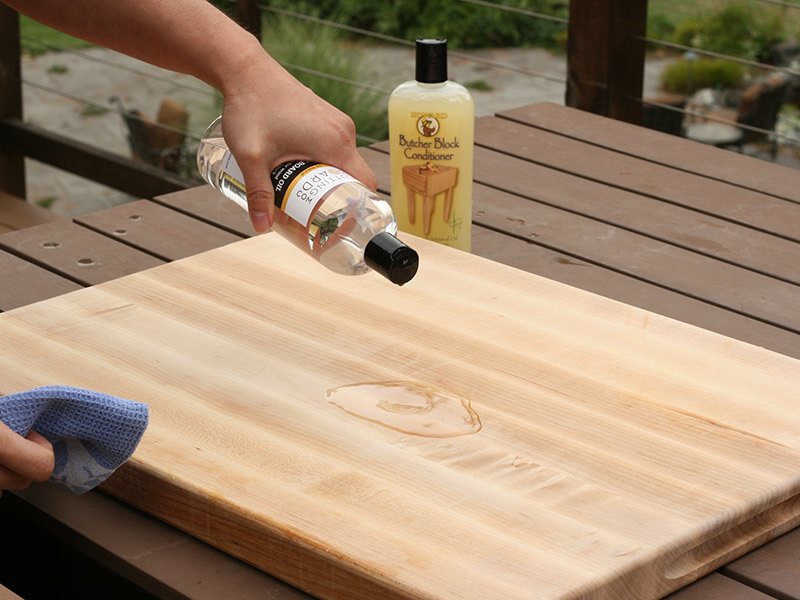
Recognizing When to Replace: Calculating the End-of-Life Cost
Despite the best maintenance, all assets eventually reach the end of their useful life. For a chopping board, signs like deep gouges that can’t be sanded out, significant irreparable cracks, or persistent unpleasant odors signal that the board is no longer hygienic or safe. Delaying replacement when these signs are evident is not a financial saving; it’s a potential health hazard or a source of inefficiency. Calculating the end-of-life cost involves weighing the initial purchase price against the years of service provided, factoring in all maintenance costs. A well-oiled, diligently maintained board should deliver a superior cost-per-year value, demonstrating a wise financial decision throughout its lifespan. Conversely, a board neglected due to poor oil choices or infrequent care will show a much higher cost-per-year, highlighting the true expense of financial oversight in kitchen asset management.
aViewFromTheCave is a participant in the Amazon Services LLC Associates Program, an affiliate advertising program designed to provide a means for sites to earn advertising fees by advertising and linking to Amazon.com. Amazon, the Amazon logo, AmazonSupply, and the AmazonSupply logo are trademarks of Amazon.com, Inc. or its affiliates. As an Amazon Associate we earn affiliate commissions from qualifying purchases.