
The term “wet drug” often circulates in informal contexts, carrying significant weight within the illicit drug economy. Far from a mere descriptor of physical state, it frequently denotes a potent, often dangerous, preparation with distinct financial implications across its production, distribution, and consumption. Understanding “wet drug” requires not just a definitional lens, but a deep dive into the shadow markets where it originates and the profound economic consequences it engenders for individuals, communities, and national economies.
Defining “Wet Drug” in the Shadow Economy
The precise meaning of “wet drug” can vary by region and street culture, but it generally refers to a substance that has been chemically altered or combined with another potent liquid agent. This manipulation is primarily driven by a desire to enhance psychoactive effects, increase perceived potency, or dilute more expensive substances for greater profit, all with significant financial underpinnings.
The Literal Interpretation: Liquid or Impregnated Substances
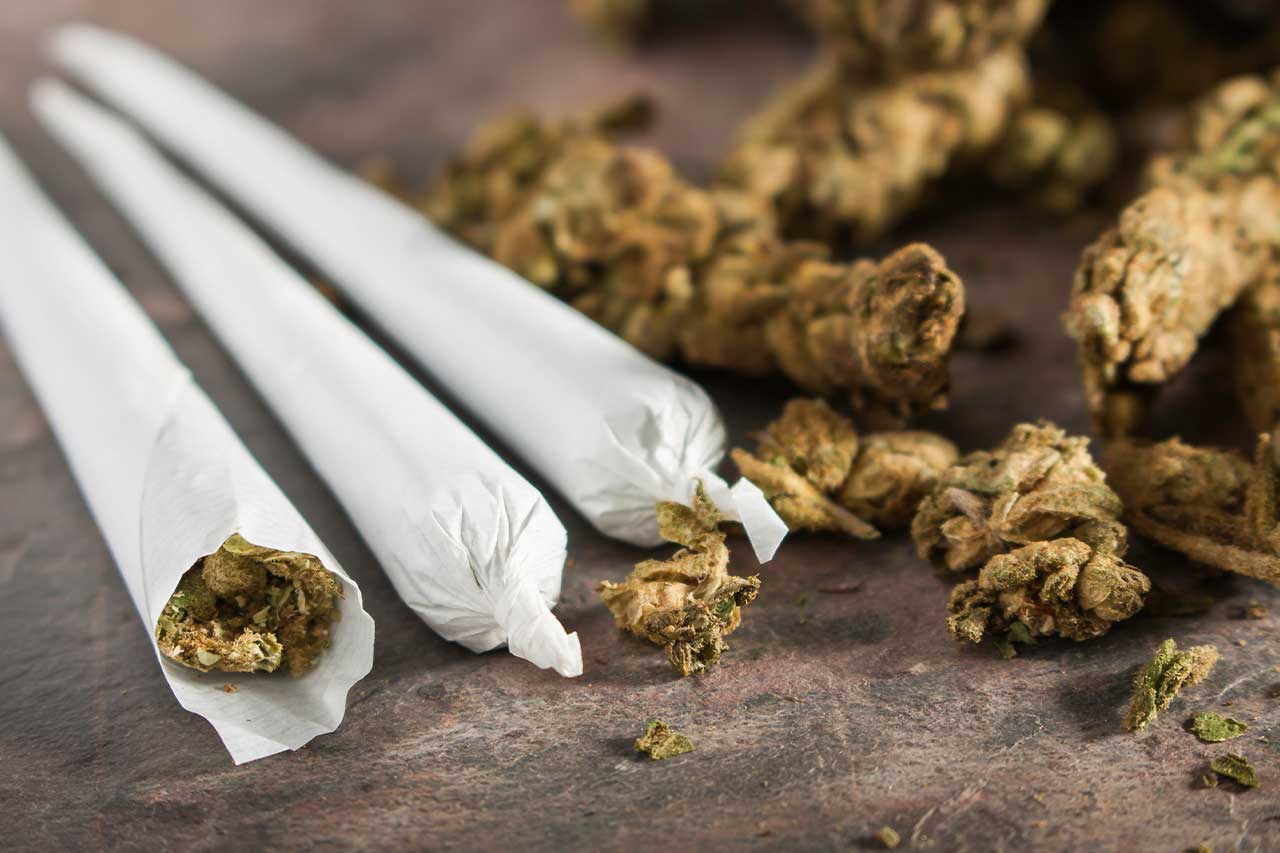
At its most literal, “wet drug” refers to substances that are in a liquid form or have been “wetted” by being dipped, soaked, or sprayed with another chemical. Common examples include:
- PCP (Phencyclidine): Often referred to as “wet,” “embalming fluid,” or “angel dust,” PCP is a dissociative anesthetic that is frequently encountered in liquid form. Substances like marijuana, tobacco, or even inert plant material can be dipped in liquid PCP, dried, and then smoked. This preparation method significantly alters the drug’s delivery and effects, often leading to unpredictable and dangerous outcomes.
- Liquid Ecstasy (GHB/GBL): Gamma-hydroxybutyrate (GHB) and its precursor gamma-butyrolactone (GBL) are central nervous system depressants often sold as clear, odorless liquids. While not “wet” in the sense of an additive to another substance, their liquid form is a key characteristic impacting dosage, absorption, and the swift onset of effects.
- Other Impregnated Drugs: The practice extends to other illicit substances where a base material is enhanced. For instance, synthetic cannabinoids (K2, Spice) are typically sprayed onto dried plant material to be smoked. While not always termed “wet drug,” the principle of impregnating a carrier substance to facilitate consumption and alter effects is analogous, and financially motivated.
From a financial perspective, the act of “wetting” a drug can serve several purposes: increasing the perceived value of a less potent substance, expanding the volume of product for sale, or creating a more dangerous and addictive concoction that ensures repeat customers. Each of these directly translates to altered pricing strategies and profit margins within the illicit trade.
Slang and Street Terminology
Beyond the literal, “wet drug” functions as potent street slang, a code word within the illicit market that signals a specific type of preparation or potency. This evolving lexicon often serves to obscure the true nature of the drug from law enforcement while clearly communicating its characteristics to buyers and sellers. The ambiguity inherent in street terms allows dealers to market products with varying compositions under a common, recognizable, yet vague, label. This lack of transparency, while an operational benefit for sellers, introduces substantial health and financial risks for users, who may be unaware of the actual substances they are consuming and their associated costs. The street value, and thus the financial transactions, for “wet” products can be significantly higher due to their perceived potency and the inherent risks involved in their consumption.
From Raw Material to Marketable Product: Production Costs
The journey of a “wet drug” from its constituent parts to a street-ready product involves a clandestine supply chain with substantial financial outlays. Manufacturers must acquire precursor chemicals, often diverted from legitimate industrial or pharmaceutical channels, which carries its own set of financial risks and procurement costs.
For example, producing liquid PCP requires specific chemicals that, if obtained illegally, command premium prices due to their restricted nature. The equipment needed for mixing, dipping, and drying is also an investment. Labor costs, though often suppressed due to the illicit nature of the work, still factor into the overall production expenditure. These initial financial investments are then amortized across the produced batches, directly influencing the base cost of the “wet drug” before it even enters the distribution network. The efficiency and scale of this illicit manufacturing directly impact the ultimate profitability for the producers, highlighting the complex financial calculations at the very root of the shadow economy.
The Financial Ecosystem of Illicit Wet Drugs
The financial system supporting “wet drugs” is complex, operating entirely outside traditional regulatory frameworks. It is characterized by high-risk, high-reward dynamics, intricate pricing mechanisms, and sophisticated methods for obscuring illicit gains.
Supply Chain Economics and Profit Margins
The distribution of “wet drugs” follows a multi-tiered supply chain, mirroring legitimate business models but with amplified risks and profit incentives. Producers sell to wholesalers, who then distribute to mid-level dealers, and finally to street-level vendors. At each stage, significant markups occur:
- Production to Wholesale: This initial markup covers production costs and provides substantial profit to the clandestine manufacturers. Due to the inherent risks of production and the purity of the initial product, this stage often sees the largest percentage increase in value.
- Wholesale to Mid-Level: Wholesalers assume the risk of transporting larger quantities and breaking them down for smaller distributors. Their profit margin reflects these logistical challenges and the network they control.
- Mid-Level to Street-Level: Street dealers, operating at the highest risk point, purchase smaller quantities and sell directly to users. Their markups are considerable, reflecting their direct exposure to law enforcement and the constant demand from users. The final street price of “wet drugs” can be many times the initial cost of its raw materials, showcasing the immense profit potential within the illicit trade for those at the top.
Pricing Mechanisms in the Underground Market
Pricing for “wet drugs” is highly dynamic and influenced by several factors unique to the illicit market:
- Purity and Potency: A higher concentration or perceived stronger effect generally commands a higher price. For “wet drugs,” the specific chemical used and the consistency of its application directly impact its market value.
- Scarcity and Availability: Like any commodity, rarity drives up prices. Interdictions by law enforcement or disruptions in the supply chain can cause spikes in street value.
- Geographic Location: Prices can vary significantly between urban and rural areas, or across different regions, influenced by local demand, competition among dealers, and ease of access to supply routes.
- Risk Premium: Both buyers and sellers factor in the legal and health risks. Sellers price in their risk of arrest, while buyers might pay more for a “reliable” source or a product known for its consistent, albeit dangerous, effects.
- “Wetness” as a Value Indicator: For substances specifically known as “wet drugs,” the very act of being “wet” signifies an altered state often associated with increased potency, which translates to a higher street price per unit compared to its “dry” counterpart.
Money Laundering and Illicit Financial Flows
The vast profits generated from the “wet drug” trade necessitate sophisticated money laundering operations. These criminal networks aim to obscure the illicit origin of funds, transforming “dirty” money into assets that appear legitimate. Common techniques include:
- Bulk Cash Smuggling: Physically transporting large sums of cash across borders to jurisdictions with lax financial regulations.
- Placement, Layering, Integration: A three-stage process where cash is initially placed into the financial system (e.g., through small, multiple deposits), then layered through complex transactions (e.g., buying assets, wire transfers through shell companies) to obscure its origin, and finally integrated back into the legitimate economy (e.g., through real estate or legitimate businesses).
- Trade-Based Money Laundering: Over-invoicing or under-invoicing goods in international trade to move value and disguise illicit funds.
- Cryptocurrencies: The anonymity offered by some cryptocurrencies presents a modern avenue for laundering drug profits, though increasing regulatory scrutiny is making this more challenging.
The global scale of drug money laundering involves billions of dollars annually, underpinning a parallel financial system that erodes legitimate economies and funds further criminal activity.
Personal and Societal Financial Costs
Beyond the criminal profits, the existence and consumption of “wet drugs” inflict enormous financial burdens on individuals, public services, and society at large.
Individual Financial Ruin
For those who become addicted to “wet drugs,” the financial consequences can be catastrophic:
- Direct Cost of Addiction: The relentless need to purchase drugs can quickly deplete personal savings, lead to insurmountable debt, and force individuals into desperate measures, including theft or other illicit activities, to fund their habit.
- Legal Fees and Fines: Arrests and convictions for drug possession or related crimes result in substantial legal fees, court costs, and fines, further exacerbating financial distress.
- Loss of Employment and Income: Addiction often leads to job loss, diminished earning potential, and long-term unemployment, cutting off legitimate income streams.
- Medical Expenses: Overdoses, adverse health effects, and the need for detoxification and long-term treatment incur significant medical costs, often borne by individuals or public health systems.
- Erosion of Assets: Homes, vehicles, and other valuable assets may be sold or repossessed to fund drug use or cover legal expenses, leading to homelessness and profound financial instability.
Public Health and Law Enforcement Burden
Society bears a collective financial burden stemming from “wet drug” use and trade:
- Healthcare Expenditure: Emergency medical services for overdoses, long-term treatment programs for addiction, and managing related chronic health conditions (e.g., mental health issues exacerbated by drug use) consume vast public and private healthcare resources.
- Law Enforcement and Criminal Justice Costs: Police investigations, arrests, court proceedings, and incarceration for drug-related offenses represent a massive investment of taxpayer money. Border patrol and customs agencies also expend significant resources trying to interdict illicit drug shipments.
- Lost Productivity: Drug-related illness, incarceration, and premature death lead to a substantial loss of economic productivity, impacting the workforce and overall national output.
- Social Services: Increased demand for social welfare programs, homeless shelters, and child protective services due to drug-affected families adds further strain on public budgets.
Insurance and Risk Management in a Drug-Affected Society
The pervasive nature of drug use, including “wet drugs,” has tangible impacts on insurance markets and broader risk management strategies:
- Increased Insurance Premiums: Life insurance and health insurance premiums can be significantly higher for individuals with a history of drug use or addiction. For group plans, higher claims due to drug-related health issues can drive up costs for all participants.
- Workplace Costs: Businesses face increased costs related to drug use, including higher workers’ compensation claims, increased absenteeism, lower productivity, and the expense of drug testing programs.
- Property and Casualty Risks: Increased crime rates associated with drug activity can lead to higher property insurance costs in affected areas.
Policy, Prevention, and Economic Solutions
Addressing the financial ramifications of “wet drugs” requires a multi-faceted approach that integrates law enforcement with public health and economic strategies.
Funding Prevention and Treatment Initiatives
From an economic standpoint, investing in drug prevention and treatment is a cost-effective strategy. Studies consistently show that every dollar invested in addiction treatment can save multiple dollars in healthcare costs, crime reduction, and increased economic productivity. Financial allocations for:
- Public Education Campaigns: Raising awareness about the dangers and costs of “wet drugs” can reduce demand.
- Accessible Treatment Centers: Expanding access to affordable and effective addiction treatment, including medication-assisted treatment, reduces long-term healthcare burdens and helps individuals re-enter the workforce.
- Harm Reduction Programs: Providing resources to reduce the negative health consequences of drug use can lower emergency room visits and the spread of diseases, thus reducing healthcare costs.
Disrupting Illicit Financial Networks
Targeting the financial infrastructure of “wet drug” operations is crucial for undermining the illicit trade. Strategies include:
- Enhanced Financial Intelligence: Strengthening the capacity of financial intelligence units (FIUs) to track suspicious transactions and identify money laundering schemes.
- International Cooperation: Collaborative efforts between nations to share information, seize assets, and extradite individuals involved in cross-border drug financing.
- Asset Forfeiture: Aggressively seizing assets derived from illegal drug profits, which can then be reinvested into law enforcement or prevention programs.
- Regulatory Scrutiny: Increased oversight of financial institutions to ensure compliance with anti-money laundering (AML) and counter-terrorist financing (CTF) regulations.
Ultimately, the illicit trade in “wet drugs” represents a significant financial drain on legitimate economies and a profound source of personal and societal economic suffering. By understanding its financial ecosystem, from production costs to money laundering techniques and the widespread economic harm it causes, policymakers and communities can develop more effective, financially sound strategies to mitigate its impact.
aViewFromTheCave is a participant in the Amazon Services LLC Associates Program, an affiliate advertising program designed to provide a means for sites to earn advertising fees by advertising and linking to Amazon.com. Amazon, the Amazon logo, AmazonSupply, and the AmazonSupply logo are trademarks of Amazon.com, Inc. or its affiliates. As an Amazon Associate we earn affiliate commissions from qualifying purchases.