
The question of which ethnicity experiences the lowest cancer rates is a complex one, steeped in biological predispositions, environmental factors, lifestyle choices, and critically, access to healthcare and research methodologies. While a definitive, universally applicable answer remains elusive due to the multifaceted nature of cancer and the data surrounding it, exploring this question can illuminate crucial areas for public health intervention and scientific inquiry. This exploration is particularly pertinent in our current era, where technology plays an increasingly vital role in data analysis, healthcare delivery, and understanding complex biological systems.
The Nuances of Ethnicity and Cancer Incidence: Beyond Simple Statistics
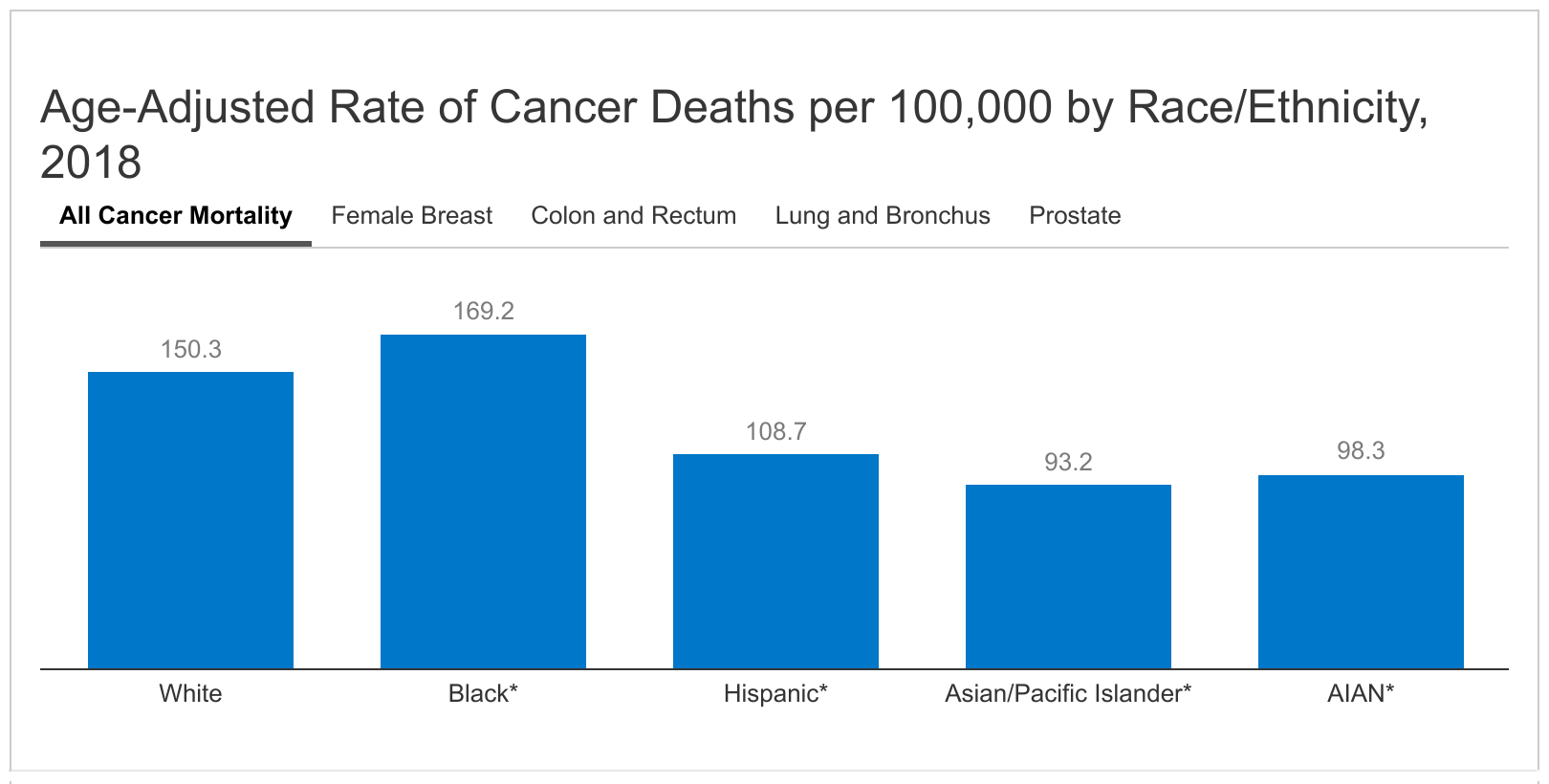
Defining “ethnicity” itself presents a significant challenge. It’s a fluid and often self-identified construct, encompassing shared cultural heritage, ancestry, language, and sometimes religion. When applying these categories to health data, researchers often rely on broader racial classifications, which can obscure more granular ethnic differences. Furthermore, genetic ancestry, which can be a more precise biological marker, doesn’t always align neatly with perceived ethnicity. This inherent ambiguity in classification makes it difficult to pinpoint a single ethnic group with unequivocally the “lowest” cancer rate.
The concept of “lowest cancer rate” also requires careful definition. Are we talking about specific cancer types, or overall cancer incidence? Different ethnic groups may exhibit varying susceptibilities and resistances to particular cancers. For instance, some studies have suggested lower rates of certain gastrointestinal cancers in specific East Asian populations, while others highlight higher incidences of particular blood cancers in others. Attributing these differences solely to ethnicity without considering the intricate interplay of other factors would be an oversimplification.
Genetic Predispositions vs. Environmental Influences
A primary consideration in understanding cancer disparities is the role of genetics. Ancestral genetic makeup can influence an individual’s susceptibility to developing cancer. Certain genetic mutations, passed down through generations, can increase the risk of specific cancers. For example, mutations in genes like BRCA1 and BRCA2 are known to significantly elevate the risk of breast and ovarian cancers, and their prevalence can vary across different ancestral groups.
However, attributing cancer rates solely to genetics is a dangerous reductionism. Environmental factors play an equally, if not more, significant role. These include:
- Dietary Habits: Traditional diets can significantly impact cancer risk. For instance, high consumption of processed meats and low intake of fruits and vegetables are linked to increased risks of certain cancers. Conversely, diets rich in antioxidants and fiber may offer protective benefits.
- Lifestyle Choices: Smoking, alcohol consumption, physical inactivity, and exposure to carcinogens in the environment (e.g., pollution, radiation, occupational exposures) are potent contributors to cancer development, and these behaviors can be culturally influenced.
- Infectious Agents: Certain infections are known carcinogens. For example, the Human Papillomavirus (HPV) is linked to cervical and other cancers, while Hepatitis B and C viruses are associated with liver cancer. The prevalence of these infections can vary geographically and among different populations.
It’s the complex interplay of these genetic predispositions and environmental influences, often mediated by lifestyle and cultural practices, that ultimately shapes cancer incidence within various ethnic groups.
The Role of Technology in Unraveling Cancer Disparities
The technological advancements of recent decades have revolutionized our ability to study cancer, from understanding its molecular underpinnings to tracking its incidence across populations. The domains of Tech, Brand, and Money, while seemingly disparate, are all deeply intertwined with how we understand, research, and combat cancer, including addressing disparities.

Tech: Precision Medicine, Data Analytics, and AI in Cancer Research
The realm of Tech is fundamentally transforming cancer research and care:
- Genomic Sequencing and Big Data: Advances in DNA sequencing technologies allow for the rapid and cost-effective analysis of genomes. This enables researchers to identify genetic variations that may predispose certain ethnic groups to specific cancers or influence their response to treatments. The sheer volume of genomic data generated requires sophisticated AI Tools and data analytics platforms to process and interpret.
- Precision Medicine: This approach tailors medical treatment to the individual characteristics of each patient, including their genetic makeup, environment, and lifestyle. By understanding the molecular profile of a tumor and an individual’s genetic predispositions, clinicians can select therapies that are most likely to be effective and minimize side effects. This is crucial for addressing ethnic disparities, as treatments that work well for one group might not be as effective for another. Apps and digital platforms are emerging to assist clinicians and patients in managing personalized treatment plans.
- AI and Machine Learning for Diagnosis and Prediction: AI Tools are proving invaluable in analyzing medical images (e.g., mammograms, CT scans) for early cancer detection, often with greater accuracy and speed than human interpretation alone. Machine learning algorithms can also analyze vast datasets of patient information to identify patterns and predict cancer risk in individuals or populations, potentially flagging those at higher risk within specific ethnic groups for earlier screening and intervention.
- Digital Health and Remote Monitoring: Wearable devices and Apps are enabling continuous health monitoring, allowing for early detection of subtle changes that might indicate the onset of cancer or a recurrence. This technology can also improve adherence to treatment protocols and provide real-time feedback to healthcare providers.
- Digital Security in Healthcare: As healthcare becomes increasingly digitized, Digital Security is paramount. Protecting sensitive patient data, particularly genetic information, is critical to maintaining trust and ensuring that research is conducted ethically and responsibly. This is especially important when dealing with populations that may have historical reasons for distrust in medical institutions.
Brand and Reputation: Building Trust and Equitable Access to Information
The Brand aspect is crucial in how cancer research and health information are perceived and disseminated, especially across diverse ethnic groups.
- Building Trust in Health Messaging: Public health campaigns aimed at cancer prevention and early detection need to be crafted with cultural sensitivity and delivered through channels that resonate with specific ethnic communities. A “one-size-fits-all” approach to health communication often fails. Developing a trustworthy Brand for health initiatives that acknowledges and respects diverse cultural values is essential.
- Personal Branding for Health Advocates: Influential members within ethnic communities can act as powerful advocates for cancer awareness and screening. Their Personal Branding as trusted sources of information can overcome barriers of misinformation and skepticism.
- Corporate Identity in Health Initiatives: Pharmaceutical companies, research institutions, and healthcare providers all have a Corporate Identity that influences public perception. A commitment to addressing cancer disparities and investing in research that benefits all ethnic groups can significantly enhance their reputation and foster greater community engagement.
- Marketing and Design of Health Resources: The way information about cancer screening, symptoms, and treatment options is designed and marketed can profoundly impact its accessibility. Culturally appropriate visuals and language are crucial for effective communication. Case Studies showcasing successful community-based health interventions can provide valuable blueprints for others.
Money and Resource Allocation: Addressing Socioeconomic Determinants of Health
The Money domain directly influences cancer rates through socioeconomic factors and access to healthcare.
- Personal Finance and Healthcare Costs: The cost of cancer screening, diagnosis, and treatment can be a significant barrier for individuals and families, particularly those with lower Personal Finance resources. Ethnic disparities in income and wealth can therefore translate directly into disparities in cancer outcomes.
- Investing in Health Equity: Allocating Investing capital towards research focused on ethnic-specific cancer risks and developing culturally competent healthcare services is crucial. This includes funding community outreach programs, improving access to insurance, and subsidizing treatment costs for underserved populations.
- Online Income and Side Hustles in Healthcare Access: While not directly related to cancer rates, the ability for individuals to generate Online Income or pursue Side Hustles can impact their overall financial stability, which in turn affects their ability to afford preventative care or take time off work for medical appointments.
- Business Finance and Healthcare Infrastructure: The Business Finance of healthcare systems, hospitals, and research institutions plays a significant role in their capacity to provide equitable care. Investment in infrastructure, staff training in cultural competency, and research programs targeting diverse populations are essential. Financial Tools that help track healthcare spending and identify areas of inefficiency can also contribute to better resource allocation.
- Financial Tools for Patients: Digital tools that help patients navigate insurance complexities, understand treatment costs, and access financial assistance programs can alleviate some of the economic burdens associated with cancer.
The Ongoing Quest for Definitive Answers and Equitable Solutions
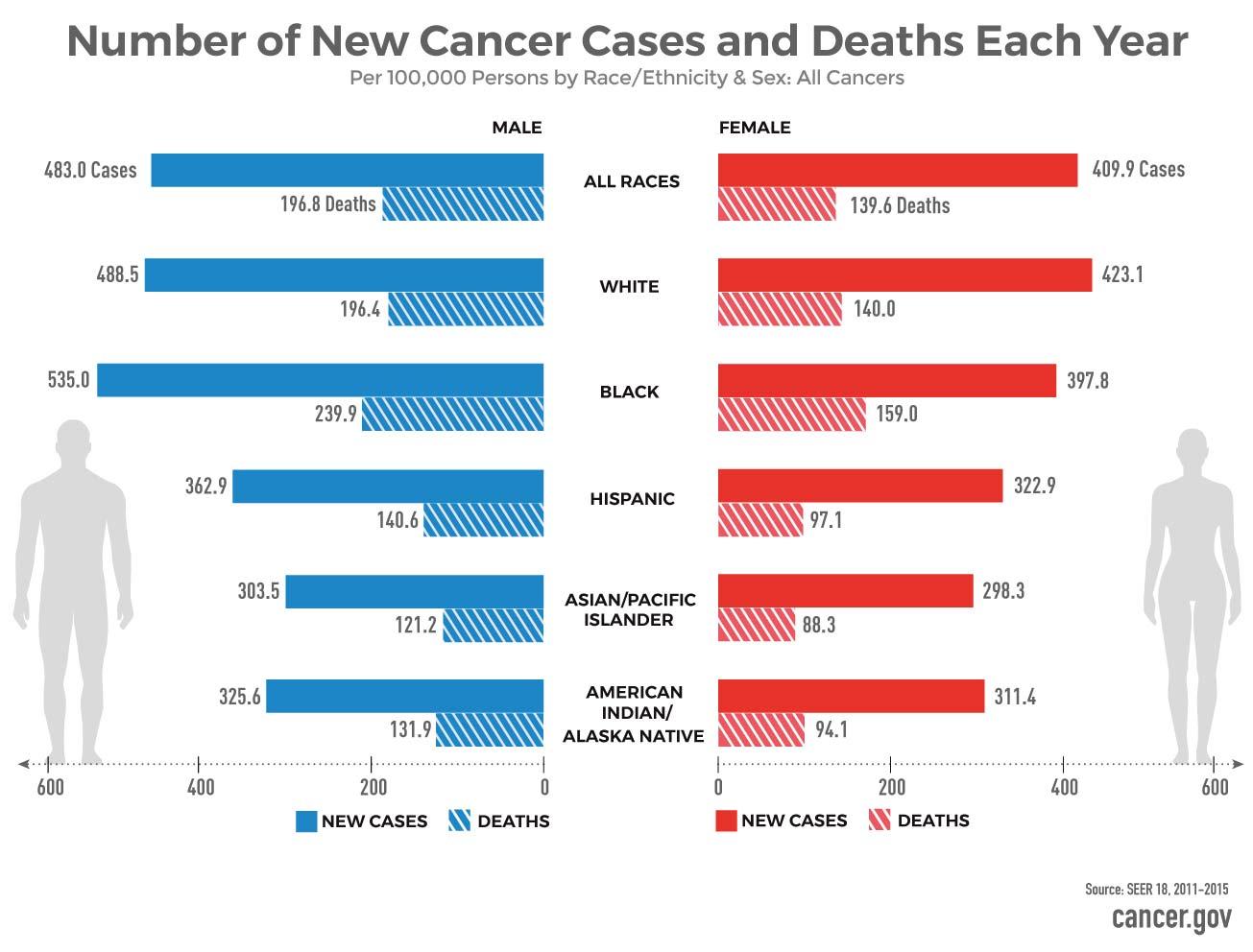
In conclusion, the question of “what ethnicity has the lowest cancer rate” is not a simple matter of identifying a single group. It’s an invitation to explore the intricate tapestry of genetics, environment, lifestyle, socioeconomic status, and healthcare access. While some populations may exhibit statistically lower rates for certain cancers due to a confluence of these factors, any perceived advantage is likely a complex outcome rather than an inherent, immutable trait.
The ongoing evolution of Tech, from advanced genomic sequencing to AI-powered diagnostics, is providing us with unprecedented tools to dissect these complexities. However, technological advancements must be coupled with a commitment to equity in Brand perception and Money allocation. Building trust within diverse communities, ensuring equitable access to life-saving information and treatments, and investing in research that addresses the specific needs of all ethnic groups are paramount.
Ultimately, the goal is not to identify a “superior” ethnic group but to understand the drivers of cancer disparities so that we can implement targeted interventions, foster healthier environments, and ensure that everyone, regardless of their ethnicity or background, has the opportunity to live a long and healthy life, free from the burden of preventable or treatable cancers. This requires a holistic approach, leveraging the power of technology, thoughtful branding, and a dedication to financial equity in healthcare.
aViewFromTheCave is a participant in the Amazon Services LLC Associates Program, an affiliate advertising program designed to provide a means for sites to earn advertising fees by advertising and linking to Amazon.com. Amazon, the Amazon logo, AmazonSupply, and the AmazonSupply logo are trademarks of Amazon.com, Inc. or its affiliates. As an Amazon Associate we earn affiliate commissions from qualifying purchases.