
The shower pan, often overlooked in the grand scheme of a bathroom renovation, serves as the critical financial and functional foundation of any shower enclosure. Far more than a simple tray, it is the watertight base that channels water toward the drain, preventing costly leaks and extensive structural damage. From a financial perspective, understanding the shower pan — its types, installation, and long-term implications — is paramount for homeowners, investors, and business professionals alike, as it directly impacts initial budgets, property value, and future maintenance expenses.
The Financial Foundation of Your Shower: Understanding the Shower Pan
At its core, a shower pan is a pre-sloped or custom-built base designed to create a sealed, waterproof floor for the shower. Its primary function is to contain water and direct it efficiently to the drain, thereby safeguarding the surrounding bathroom structure from moisture infiltration. From a money standpoint, the selection and proper installation of a shower pan represent a significant investment decision that can either protect or jeopardize a substantial portion of a property’s value.
Initial Investment: Shower Pan Material Costs
The upfront cost of a shower pan varies widely depending on the material chosen, each presenting a different financial proposition in terms of durability, aesthetics, and overall project budget.
- Acrylic/Fiberglass: These are generally the most budget-friendly options, with prices typically ranging from $200 to $600. They are lightweight, relatively easy to install, and offer a smooth, non-porous surface that resists mold and mildew. While their initial cost is low, some argue they may not offer the same high-end aesthetic appeal that could contribute to maximum resale value in luxury homes. However, for rental properties or budget-conscious renovations, their cost-effectiveness and ease of maintenance present a strong financial case.
- Solid Surface (Cultured Marble/Granite): Moving up the price scale, solid surface pans offer a more premium look and feel, with costs ranging from $500 to $1,500. These materials are highly durable, resistant to stains and scratches, and can often be customized to fit specific dimensions or aesthetic requirements. Investing in a solid surface pan can elevate the perceived value of a bathroom, potentially yielding a higher return on investment (ROI) in upscale markets, despite the increased initial outlay.
- Tile-Ready Pans (PVC/Foam): These prefabricated sloped bases provide a waterproof substrate ready for tiling, simplifying the waterproofing process. The pan itself might cost between $150 and $400, but this figure does not include the cost of tiles, mortar, grout, and sealant, which significantly increase the total material expenditure. While offering unparalleled design flexibility, the combined cost of a tile-ready pan plus tile and installation labor makes it one of the more expensive options, often pushing total material costs well over $1,000, not including installation. The financial benefit here lies in the ability to create a highly customized and luxurious finish that can command a premium in the property market.
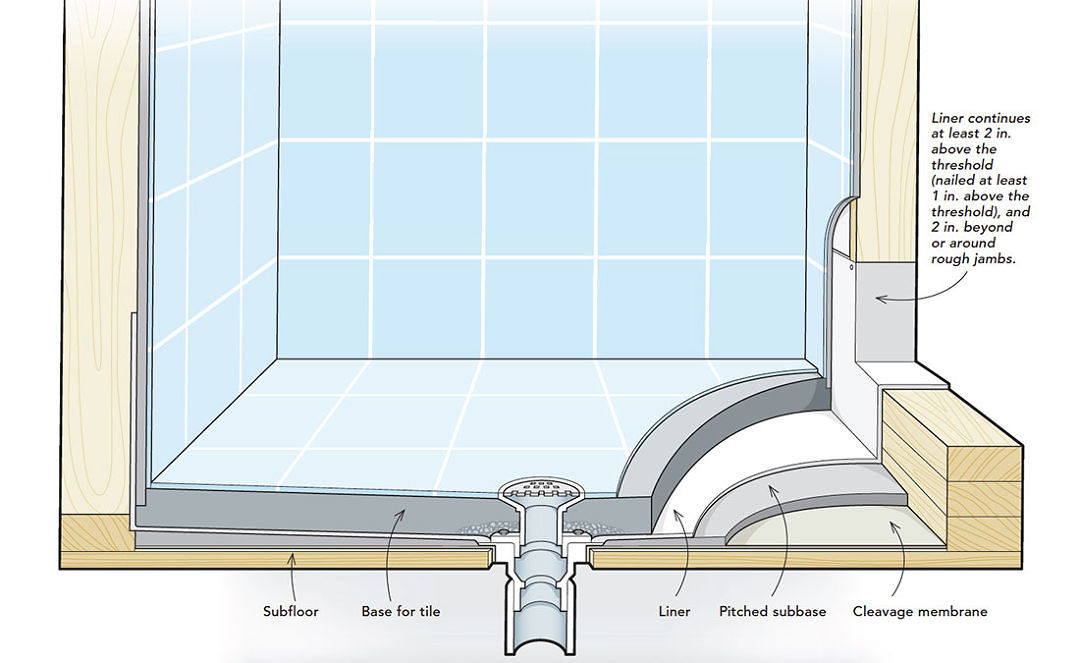
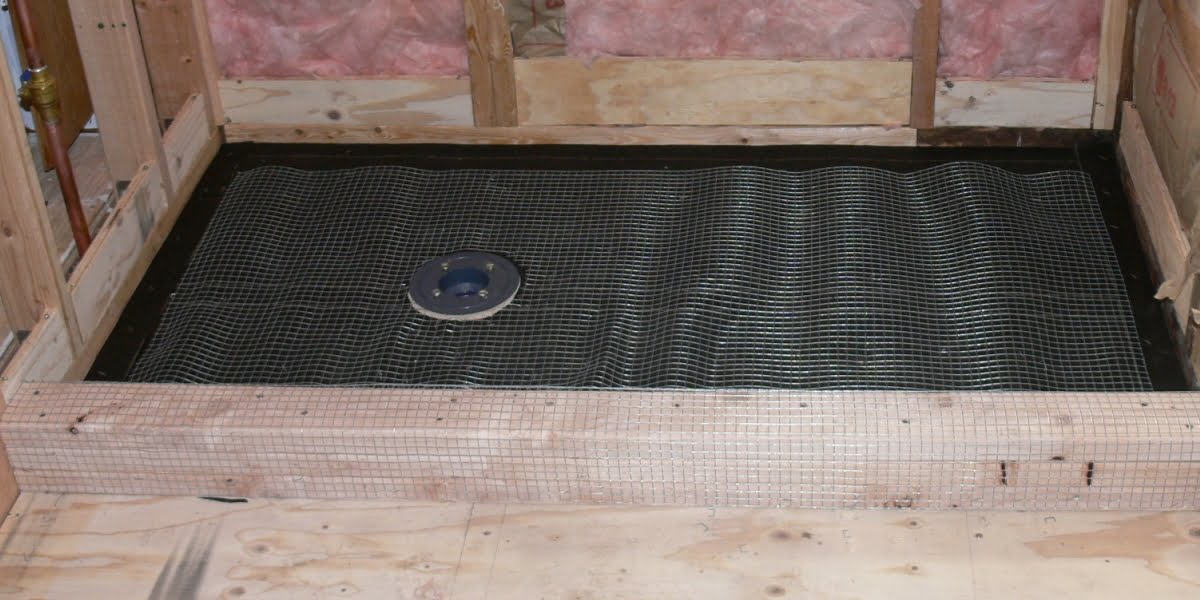
- Custom Mud Pans (Site-Built): The traditional method involves building a shower pan from scratch using a mortar bed (mud pan) and a waterproof membrane. While material costs for the mud pan itself might seem low (cement, sand, membrane), the labor involved in proper sloping, waterproofing, and subsequent tiling is substantial. This option is typically the most expensive, easily exceeding $1,000-$2,000 or more when factoring in specialized labor. Its financial justification rests on specific architectural needs or an uncompromising desire for bespoke design and proven traditional waterproofing methods.
Installation Costs: DIY Savings vs. Professional Investment
The choice between a do-it-yourself (DIY) installation and hiring a professional directly impacts the immediate financial outlay and long-term risk profile.
- DIY Installation: For homeowners with the requisite skills and tools, installing a pre-fabricated acrylic or fiberglass shower pan can save hundreds, if not thousands, in labor costs. This approach appeals to those managing personal finance tightly or looking to leverage “sweat equity” for home improvements. However, a botched DIY installation can lead to leaks, mold growth, and extensive damage, ultimately costing far more in repairs than the initial savings. The financial risk of a failed DIY job underscores the importance of honest self-assessment regarding one’s capabilities.
- Professional Installation: Hiring a licensed and experienced contractor for shower pan installation, especially for custom or tiled pans, is a significant upfront expense, typically ranging from $500 to $2,000 or more, depending on complexity and location. This investment, however, provides peace of mind through expert craftsmanship, proper waterproofing, and often a warranty on the work. For property investors or homeowners prioritizing long-term asset protection, the professional installation cost is a sound financial decision that minimizes future risk and potentially enhances resale value with a demonstrable quality build.
Long-Term Financial Impact: Protecting Your Investment
Beyond the initial purchase and installation, the shower pan plays a pivotal role in the long-term financial health of a property. Its effectiveness in preventing water damage and its contribution to the overall bathroom aesthetic can significantly influence maintenance costs and resale value.
Preventing Costly Water Damage
The most critical financial role of a shower pan is its ability to prevent water from escaping the shower enclosure. A compromised or improperly installed pan can lead to severe and expensive water damage, including:
- Rotting Wood Structures: Continuous moisture exposure can lead to the deterioration of floor joists, subflooring, and wall studs, necessitating costly structural repairs.
- Mold and Mildew Infestation: Water intrusion creates an ideal environment for mold growth, which not only poses health risks but also requires expensive remediation, often involving professional mold removal services.
- Damage to Adjacent Materials: Water can seep into adjacent flooring, walls, and even ceilings on lower levels, leading to extensive damage that requires replacement of tiles, drywall, and paint.
These repair costs can quickly escalate into thousands, or even tens of thousands, of dollars, dwarfing the initial investment in a quality shower pan. Therefore, investing in a durable, well-installed shower pan acts as a crucial insurance policy, protecting the property’s value and avoiding unforeseen financial drains.
Enhancing Home Value and Resale Appeal
A bathroom is one of the key areas potential buyers scrutinize, and its condition significantly impacts perceived home value. A modern, functional, and aesthetically pleasing shower, underpinned by a quality shower pan, can be a major selling point.

- Modern Aesthetics: Investing in a visually appealing shower pan material (e.g., solid surface, custom tile) contributes to an updated bathroom design that resonates with contemporary buyer preferences. This can justify a higher asking price.
- Perceived Quality and Durability: A well-constructed shower, evident in its waterproof base, signals to potential buyers that the home has been well-maintained and built to last. This reduces buyer concerns about future repair costs and can facilitate a quicker sale at a better price.
- Avoiding Buyer Objections: A leaky or visibly damaged shower pan can be a significant red flag for buyers, often leading to lower offers or even deal collapse. Ensuring the shower pan is in excellent condition eliminates a common point of negotiation, preserving the property’s market value.
For property investors, specifically, a high-quality shower pan contributes to a property’s overall marketability, potentially reducing the time a property spends on the market and maximizing its sale price, thus improving ROI.
Budgeting for Bathroom Renovations: Where the Shower Pan Fits
When planning a bathroom renovation, careful budgeting is crucial to ensure financial viability and maximize return on investment. The shower pan, though seemingly a small component, holds a significant slice of this budget due to its critical function and associated labor.
Cost-Benefit Analysis of Different Pan Types
Choosing a shower pan should involve a thorough cost-benefit analysis, weighing initial expenditure against long-term durability, maintenance, and aesthetic contribution to overall property value.
- Acrylic vs. Tile: While acrylic pans offer lower upfront costs and minimal maintenance, they provide less design flexibility. Tiled pans, though more expensive and potentially higher maintenance (grout sealing), offer superior customization and can create a luxurious feel that may justify the higher investment in high-end properties. The decision hinges on the target market for the property (e.g., rental vs. luxury home) and the desired financial outcome.
- Durability and Longevity: Investing in a more durable material like solid surface or a well-constructed custom tiled pan often translates to lower long-term replacement costs and fewer maintenance issues. This is a classic example of “buy once, cry once” – a higher initial spend can save substantial money over the property’s lifespan.
The Hidden Costs of Poor Shower Pan Choices
Opting for the cheapest shower pan or cutting corners on installation can lead to a cascade of hidden financial penalties.
- Premature Replacement: A low-quality pan or substandard installation may fail prematurely, necessitating a complete re-do of the shower and potentially surrounding areas, effectively doubling the project cost.
- Increased Utility Bills: Persistent leaks, even small ones, contribute to water waste, driving up utility expenses over time.
- Insurance Claims and Deductibles: Significant water damage may lead to insurance claims, which can result in higher deductibles and potentially increased premiums in the future, impacting personal finance.
- Loss of Rental Income: For rental properties, extensive shower repairs can render a unit uninhabitable, leading to lost rental income and financial strain for property owners.
Shower Pans as a Business Consideration
For professionals in the property and construction sectors, understanding shower pans transcends personal finance; it becomes a critical element of business strategy, profit margins, and client satisfaction.
For Contractors: Material Selection and Profit Margins
Contractors must expertly navigate material selection to balance cost-effectiveness for the client with healthy profit margins for their business.
- Strategic Sourcing: Establishing relationships with suppliers for various shower pan types allows contractors to offer competitive pricing while maintaining quality, impacting their project bids and profitability.
- Efficiency in Installation: Familiarity with different pan systems enables faster, more efficient installations, reducing labor costs and allowing for more projects to be completed, directly boosting business revenue.
- Warranty and Reputation: Offering warranties on shower pan installations builds client trust and strengthens a contractor’s reputation, attracting more business and allowing for potentially higher project fees. A single failure can significantly damage a business’s standing and financial health.
For Property Investors: Durability and Tenant Satisfaction ROI
Property investors, whether managing single-family rentals or multi-unit complexes, view shower pans through the lens of longevity, tenant satisfaction, and long-term asset protection.
- Minimizing Vacancy Rates: Durable, low-maintenance shower pans reduce the likelihood of shower-related issues that could lead to tenant complaints or force unit closures for repairs, thus protecting rental income streams.
- Reduced Maintenance Costs: Investing in high-quality, robust shower pans means fewer calls for leaks, mold, or repairs, directly reducing ongoing maintenance expenses which eat into profit margins.
- Attracting and Retaining Tenants: A well-maintained, attractive bathroom with a reliable shower contributes significantly to tenant satisfaction, leading to longer tenancy periods and reducing the costly turnover process. This improves the financial predictability and stability of the investment property.
In conclusion, the shower pan, while a discreet component, is a critical financial investment within any property. Its careful selection and expert installation are not merely construction decisions but strategic financial choices that protect against future costs, enhance property value, and contribute significantly to both personal financial well-being and business profitability.
aViewFromTheCave is a participant in the Amazon Services LLC Associates Program, an affiliate advertising program designed to provide a means for sites to earn advertising fees by advertising and linking to Amazon.com. Amazon, the Amazon logo, AmazonSupply, and the AmazonSupply logo are trademarks of Amazon.com, Inc. or its affiliates. As an Amazon Associate we earn affiliate commissions from qualifying purchases.