
The question “what is the rarest fruit?” often piques curiosity, conjuring images of exotic produce found only in remote corners of the world. However, beyond mere botanical fascination, the concept of rarity in the fruit kingdom holds significant economic implications, driving market value, shaping niche industries, and offering unique opportunities for entrepreneurs and investors. In the realm of business and finance, scarcity is a powerful determinant of price, and rare fruits exemplify this principle, transforming from simple agricultural products into high-value commodities.
The Economics of Exotic Produce: Why Rarity Equals Revenue
The fundamental laws of supply and demand dictate that when a desired item is scarce, its value escalates. This economic truth is vividly played out in the market for rare fruits, where limited availability, specialized cultivation, and discerning consumer demand converge to create premium price points. Understanding this dynamic is crucial for anyone looking to enter or analyze the specialty produce market.

Supply, Demand, and the Price Premium
Rare fruits, by definition, have a restricted supply. This limitation can stem from several factors: geographical constraints (they only grow in specific, often small, regions), specific climate requirements, short harvest seasons, labor-intensive cultivation methods, or low yield per plant. When demand, even from a small segment of high-net-worth individuals, gourmet chefs, or health enthusiasts, meets such constrained supply, the price naturally inflates. This creates a significant “rarity premium” that often far exceeds the cost of production. For instance, a common apple might cost a dollar per pound, while a rare varietal can command tens or even hundreds of dollars for a single fruit. This vast difference highlights the economic leverage that rarity provides.
Beyond Taste: The Status Symbol of Scarcity
For some consumers, the allure of rare fruits extends beyond their unique flavor profile or nutritional benefits. Owning, serving, or gifting a truly rare fruit can serve as a status symbol, a demonstration of wealth, discernment, and access to exclusive goods. This psychological element adds another layer to their economic value, as consumers are often willing to pay a premium not just for the product itself, but for the experience and social capital it conveys. This makes rare fruits an interesting case study in luxury marketing and consumer behavior within the agricultural sector.
Global Delicacies: A Look at Top-Tier Rare Fruits and Their Market Value
While pinpointing a single “rarest fruit” is challenging due as rarity can be subjective and localized, several fruits consistently command exorbitant prices globally, reflecting their economic significance. These examples illustrate the diverse factors that contribute to their high market value.
The Dekopon Citrus: A Sweet Price Tag
Originating in Japan in 1972, the Dekopon, often marketed as Sumo Citrus in the US, is a hybrid mandarin known for its distinctive topknot, seedless flesh, intense sweetness, and easy-to-peel skin. What makes it economically significant is its demanding cultivation process, requiring careful temperature control, long maturation periods, and selective harvesting. These factors, combined with its superior taste, elevate its price considerably, often selling for several dollars per fruit even in major markets, and much more in its native Japan. Its managed release and branding efforts have further solidified its premium market position.
Yubari King Melons: Auction Block Gold
Perhaps the most famous example of a high-value fruit is the Yubari King Melon from Hokkaido, Japan. These perfectly spherical, netted cantaloupes are grown under strict conditions, with farmers dedicating meticulous care to each melon. They are revered for their sweetness, smooth texture, and elegant presentation. The true economic spectacle, however, is their annual auction, where pairs of Yubari King Melons have fetched prices exceeding $45,000, with a record sale reaching over $49,000 in 2023. While these auction prices are largely symbolic for marketing and prestige, they underscore the immense perceived value and luxury branding associated with this fruit, making it a prime example of a premium agricultural commodity.
Mangosteen and Durian: Regional Rarity and Export Potential
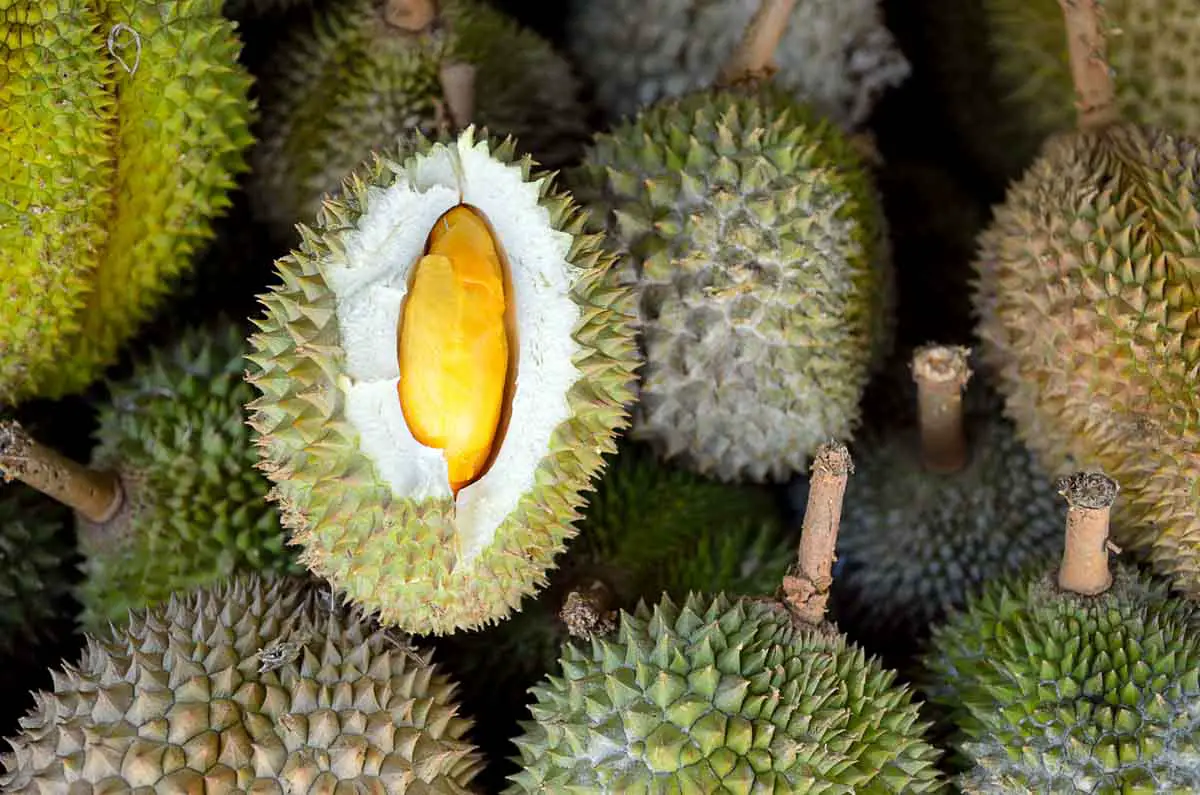
In Southeast Asia, the mangosteen, with its delicate balance of sweet and tart flavors, and the polarizing durian, known for its potent aroma and creamy flesh, often command high prices, especially for specific, rare cultivars. Certain varieties of durian, like the Musang King from Malaysia, can sell for upwards of $20-$30 per pound, particularly in export markets like China, where demand is robust. The economic significance lies in their export potential; overcoming complex logistics and strict import regulations allows these fruits to transition from local delicacies to lucrative international commodities. Investments in cold chain technology and phytosanitary compliance are key to unlocking this value.
The Jabuticaba: A Cultivation Challenge
The Jabuticaba, or Brazilian Grape Tree, is unique because its fruits grow directly on the trunk and branches. While not prohibitively expensive in its native Brazil, its extreme perishability and short shelf life make it incredibly rare outside its growing regions. Fresh Jabuticabas are almost impossible to export globally, leading to its rarity and high value when available in specialty markets abroad (often as processed products). This highlights how logistical challenges and perishability can contribute to economic rarity, making fresh consumption a luxury tied to geographical proximity.
Cultivation, Logistics, and the Cost of Uniqueness
The journey from a rare seed to a high-value fruit on a discerning consumer’s plate is fraught with challenges, each contributing to its eventual market price. These operational complexities are critical financial considerations for any business operating in this niche.
Overcoming Horticultural Hurdles
Cultivating rare fruits often involves specialized knowledge, specific environmental controls (e.g., greenhouses, precise irrigation, temperature regulation), and significantly more labor than conventional farming. Many rare fruits are delicate, susceptible to pests and diseases, or have very particular nutrient requirements. The investment in specialized equipment, expert agronomists, and diligent care adds substantial cost to production. For instance, hand-pollination, individual fruit wrapping, or continuous monitoring of soil pH are common practices that drive up operational expenses.
Navigating Supply Chains for Perishables
Once harvested, rare fruits often face a race against time. Their delicate nature and short shelf life demand rapid, efficient, and often temperature-controlled logistics. This includes specialized packaging, refrigerated transport (air cargo being common for international shipments), and expedited customs clearance. Each step in this cold chain adds to the cost, especially for fruits traveling across continents. The risk of spoilage or damage is high, leading to significant potential losses if not managed meticulously. Businesses dealing in rare fruits must invest heavily in robust supply chain management to protect their margins.
Marketing and Branding Rare Fruits
For high-value rare fruits, branding and marketing play an indispensable role in justifying their premium price. This goes beyond simply identifying the fruit; it involves crafting a narrative around its origin, unique qualities, cultivation story, and exclusivity. Luxury packaging, certifications (e.g., organic, geographical indication), and strategic placement in high-end retail or fine dining establishments all contribute to building a brand image that supports its economic value. Successful branding can transform a rare fruit from a mere commodity into a sought-after luxury item, commanding prices that reflect its perceived prestige.
Business Models Built on Scarcity: Tapping the Niche Market
The economic landscape created by rare fruits offers distinct business opportunities for those willing to invest in specialized agriculture, import/export, or high-end culinary ventures.
Direct-to-Consumer and Specialty Retail
One prominent business model involves cultivating rare fruits and selling them directly to consumers or through specialized gourmet retailers. This allows producers to capture a larger share of the profit margin by cutting out intermediaries. Online platforms, subscription boxes, and farmers’ markets catering to an affluent clientele are common channels. Success in this area requires not only horticultural expertise but also strong marketing skills to reach the niche audience willing to pay premium prices for unique produce. Specialty grocers also play a crucial role, curating selections of exotic fruits to attract discerning shoppers.
Culinary Applications and High-End Hospitality
The fine dining sector is a significant market for rare fruits. Top chefs constantly seek unique ingredients to differentiate their menus and provide exclusive culinary experiences. Restaurants and luxury hotels are willing to pay top dollar for rare fruits like premium Japanese melons, exotic berries, or obscure citrus varieties to incorporate into desserts, cocktails, or innovative main courses. Businesses that can reliably supply these establishments with fresh, high-quality rare fruits can forge lucrative partnerships, often working on a pre-order or seasonal contract basis.
Agricultural Entrepreneurship: Investing in Exotic Cultivation
For entrepreneurs with an agricultural background or investors looking for diversified portfolios, rare fruit cultivation presents an intriguing, albeit high-risk, venture. Establishing farms dedicated to growing niche, high-value fruits can yield substantial returns, provided the initial investment in land, specialized infrastructure (e.g., greenhouses), and expert labor is managed effectively. This often involves extensive research into viable cultivars, market demand, and suitable growing conditions, potentially leveraging agricultural technology and sustainable practices to optimize yield and quality.
The Future of Rare Fruits: Sustainability and Market Expansion
As global palates become more adventurous and supply chains more sophisticated, the market for rare fruits is poised for continued evolution. Balancing economic opportunity with environmental responsibility will be key.
Preserving Biodiversity for Profit
Many rare fruits are indigenous to specific regions and are part of local biodiversity. Sustainable cultivation practices that support ecosystem health and prevent deforestation are not just environmentally responsible but can also enhance the fruit’s marketability. Consumers are increasingly valuing products with ethical sourcing and ecological footprints. Investing in the preservation and sustainable propagation of rare fruit varieties can create long-term economic value by protecting the genetic resources that make these fruits unique and valuable.
Expanding Palates, Expanding Markets
As globalization continues, awareness of diverse food cultures grows. This can lead to increased demand for previously obscure fruits in new markets. Technological advancements in agriculture (e.g., vertical farming, controlled environment agriculture) could potentially make some “rare” fruits more accessible by allowing them to be grown closer to consumer markets, reducing transportation costs and extending availability. However, the true rarity and premium price may then shift to those varieties that resist mass production, maintaining the allure of exclusivity for the highest-tier consumers. The strategic expansion of rare fruit markets will require careful consideration of consumer education, logistical improvements, and innovative marketing to convert curiosity into consistent demand.
aViewFromTheCave is a participant in the Amazon Services LLC Associates Program, an affiliate advertising program designed to provide a means for sites to earn advertising fees by advertising and linking to Amazon.com. Amazon, the Amazon logo, AmazonSupply, and the AmazonSupply logo are trademarks of Amazon.com, Inc. or its affiliates. As an Amazon Associate we earn affiliate commissions from qualifying purchases.