
Understanding the R-value of insulation is a critical component for any homeowner or business owner looking to make financially astute decisions regarding their property’s energy efficiency. When considering spray foam, its R-value—a measure of thermal resistance—stands out as a key indicator of its potential to deliver significant savings on utility bills and enhance long-term property value. Navigating the nuances of R-value not only informs a wise investment but also helps in projecting future financial benefits from reduced energy consumption.
Understanding R-Value: A Core Financial Metric for Insulation
At its heart, the R-value quantifies an insulation material’s ability to resist the conductive flow of heat. In the context of personal finance and property investment, a higher R-value directly correlates with a more energy-efficient building envelope, translating into tangible monetary savings and a more comfortable living or working environment.
What R-Value Represents
The “R” in R-value stands for resistance. Specifically, it measures the material’s resistance to heat flow. Heat naturally moves from warmer areas to cooler areas. During winter, heat from inside a building tries to escape to the colder outside; in summer, outside heat tries to penetrate the cooler interior. Insulation with a high R-value acts as a more effective barrier against this heat transfer, meaning less energy is required to maintain desired indoor temperatures.
For property owners, investing in insulation with an optimal R-value isn’t just about comfort; it’s a strategic financial decision. It’s about minimizing the capital outflow towards heating and cooling utilities month after month, year after year. The R-value is typically expressed as a value per inch of thickness, allowing for direct comparison between different materials and helping calculate the overall R-value for a given wall cavity or attic space.
The Importance of R-Value in Energy Efficiency
The link between R-value and energy efficiency is profound and directly impacts a property’s operational costs. Inadequate insulation, characterized by a low R-value, is a primary culprit for energy waste, allowing expensive conditioned air to leak out and unconditioned air to infiltrate. This forces HVAC systems to work harder and longer, consuming more electricity or fuel, and driving up monthly utility expenses.
Conversely, a robust insulation system with a high effective R-value reduces this energy burden. It acts as a financial shield, protecting your budget from volatile energy prices and providing a predictable reduction in expenditure. For a residential property, this could mean hundreds, if not thousands, of dollars saved annually. For commercial properties, the savings can be even more substantial, directly impacting the bottom line and improving overall business finance. Therefore, selecting insulation based on its R-value is not merely a technical specification; it’s an investment in sustainable financial performance.
Spray Foam’s Superiority: R-Value Per Inch
Among insulation materials, spray foam consistently demonstrates one of the highest R-values per inch, positioning it as a premium choice for maximizing thermal performance and, consequently, financial returns through energy savings. Its unique application method also contributes to its overall effectiveness, sealing air leaks that traditional insulation materials often miss.
Open-Cell vs. Closed-Cell Spray Foam R-Values
Spray foam insulation comes in two primary types, each with distinct R-values and ideal applications:
-
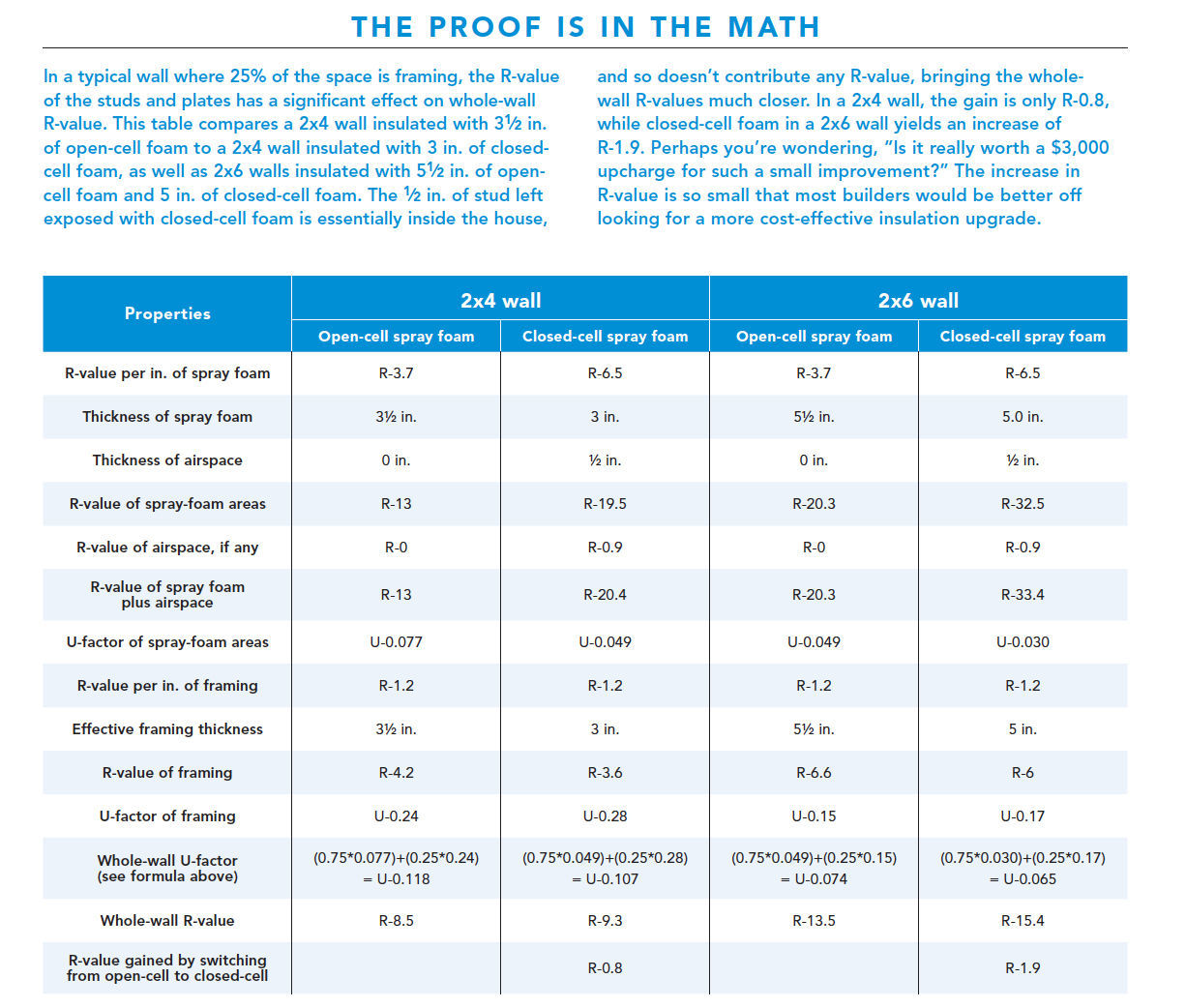
Open-Cell Spray Foam: This type of foam consists of tiny cells that are not completely enclosed, making the foam softer and more flexible. Open-cell foam typically has an R-value ranging from R-3.5 to R-3.7 per inch. While slightly lower than closed-cell foam, its advantages include a lower material cost, excellent sound-dampening properties, and the ability to expand significantly, filling cavities completely. Financially, open-cell foam offers a strong balance of performance and initial investment, providing substantial energy savings over batts or loose-fill insulation, often at a more accessible price point than its closed-cell counterpart for larger areas.
-
Closed-Cell Spray Foam: In contrast, closed-cell foam is denser and more rigid because its cells are completely sealed, trapping an insulating gas. This structure gives closed-cell foam a superior R-value, typically ranging from R-6.0 to R-7.0 per inch. Beyond its thermal resistance, closed-cell foam also adds structural integrity to walls, acts as a vapor barrier, and is highly resistant to water. From a financial perspective, while the upfront cost per board foot may be higher, its exceptionally high R-value allows for thinner applications to achieve desired insulation levels, which can be advantageous in tight spaces. Its moisture resistance can also prevent costly mold issues and structural damage over time, representing significant long-term savings.
The choice between open-cell and closed-cell often comes down to budget, specific performance needs (e.g., vapor barrier requirements, structural reinforcement), and the desired return on investment (ROI). Both offer significantly better thermal performance and air-sealing capabilities than many conventional insulations, leading to more robust financial benefits.
The Financial Impact of High R-Value Per Inch
The high R-value per inch offered by spray foam has a profound financial impact. It means that for a given thickness, spray foam provides superior insulation, which directly translates to less heat loss in winter and less heat gain in summer. This efficiency reduces the workload on heating and cooling systems, prolonging their lifespan and deferring costly replacements.
Consider a standard wall cavity of 3.5 inches. With fiberglass batts (R-3 to R-4 per inch), you might achieve an R-value of R-11 to R-13. With open-cell spray foam, you could achieve R-12 to R-13, but with superior air sealing. With closed-cell spray foam, you could reach an R-value of R-21 to R-24 within the same cavity depth. This significant leap in thermal resistance directly correlates to enhanced energy performance and greater financial savings.
For property investors and homeowners focused on maximizing their assets, this efficiency is key. A property that is demonstrably more energy-efficient carries lower operating costs, making it more attractive to potential buyers or tenants and potentially increasing its market value. The long-term savings accrued from reduced energy bills often make the initial investment in spray foam insulation a highly profitable one, paying for itself over time and continuing to generate savings for the life of the building.

Beyond R-Value: Other Financial Benefits of Spray Foam
While R-value is a primary determinant of insulation performance, spray foam offers a suite of additional benefits that contribute significantly to a property’s financial health, extending beyond mere thermal resistance. These advantages collectively enhance comfort, reduce maintenance, and increase asset value.
Air Sealing and Reduced Utility Bills
One of spray foam’s most impactful financial benefits, often overlooked when solely focusing on R-value, is its exceptional ability to create an airtight seal. Unlike traditional insulation methods that leave gaps and seams, spray foam expands to fill every void, crack, and crevice, effectively eliminating air leakage. Air leakage is responsible for a significant portion of energy loss in buildings—often more than heat conduction through insulated walls.
By stopping drafts and preventing conditioned air from escaping, spray foam drastically reduces the load on HVAC systems. This translates directly into lower heating and cooling bills, often representing a 15% to 40% reduction compared to poorly insulated homes. For a homeowner, this means more disposable income. For a business, it means a healthier operating margin. The immediate and ongoing savings from reduced utility consumption provide a consistent return on investment, making spray foam a prudent financial choice.
Increased Property Value and ROI
Investing in spray foam insulation is not just about saving money on bills; it’s also about strategically increasing the value of a property. Energy efficiency is a highly desirable feature in today’s real estate market. Homes and commercial buildings with documented low energy costs command higher sale prices and often sell faster. Appraisers and buyers increasingly recognize the long-term financial benefits of energy-efficient features.
The return on investment (ROI) for spray foam insulation can be substantial. Beyond the direct energy savings, the enhanced comfort, improved indoor air quality (due to reduced pollen and allergen infiltration), and the added structural integrity (especially with closed-cell foam) contribute to a property’s overall appeal and marketability. Many homeowners recoup a significant portion, if not all, of their initial investment through energy savings and increased resale value over time.
Durability and Longevity: Long-Term Savings
Spray foam insulation offers remarkable durability and longevity, contributing to significant long-term financial savings by minimizing the need for repairs, replacements, and pest control. Unlike traditional batt insulation, which can settle, sag, or become a nesting ground for rodents and insects, spray foam adheres permanently to surfaces, maintaining its R-value and structural integrity for the lifetime of the building.
Its resistance to moisture also means it won’t rot, develop mold, or attract pests, preventing costly remediation projects down the line. This permanence eliminates the recurring expense of replacing degraded insulation and avoids potential structural damage from moisture or infestations. For both residential and commercial property owners, this longevity translates into a robust, maintenance-free thermal envelope, securing continuous energy savings and protecting the property’s asset value for decades.
Making the Smart Financial Investment: Factors to Consider
Deciding to invest in spray foam insulation requires careful financial planning and consideration of various factors beyond just the R-value itself. A holistic approach ensures the investment yields the highest possible financial return and aligns with specific property needs and budget constraints.
Climate Zone and Required R-Value
The appropriate R-value for your insulation project is heavily influenced by your geographic climate zone. The U.S. Department of Energy (DOE) provides recommendations for minimum R-values based on different climate zones, reflecting the varying heating and cooling demands across the country. For instance, properties in colder northern climates will require higher R-values to prevent heat loss during severe winters, while those in hot, humid southern regions need robust insulation to combat heat gain and moisture.
From a financial perspective, over-insulating beyond the recommended R-value can lead to diminishing returns, as the incremental energy savings may not justify the increased upfront cost. Conversely, under-insulating will result in higher long-term energy bills, eroding any initial savings. A smart financial investment involves targeting the optimal R-value for your specific climate zone, ensuring maximum energy efficiency without unnecessary expenditure. Consulting with an experienced insulation professional is crucial to accurately assess these requirements and tailor a solution that is both effective and cost-efficient.
Professional Installation and Its Cost-Effectiveness
While the R-value of spray foam is impressive, its true performance and financial benefits are heavily reliant on professional installation. Spray foam application is a complex process that requires specialized equipment, training, and expertise to ensure proper mixing ratios, adequate coverage, and effective air sealing. DIY attempts often lead to inconsistent R-values, poor adhesion, and missed air leaks, ultimately undermining the insulation’s effectiveness and leading to wasted material and labor.
The upfront cost of professional installation might seem higher than a DIY approach or traditional insulation methods. However, considering the long-term financial impact, professional installation is far more cost-effective. A correctly installed spray foam system guarantees the advertised R-value, maximizes air sealing, and prevents costly issues like moisture intrusion or off-gassing. This ensures the full realization of energy savings, prolongs the lifespan of HVAC systems, and enhances the overall value of your property, safeguarding your investment against future problems and expenses.
Comparing Total Project Costs and Lifetime Savings
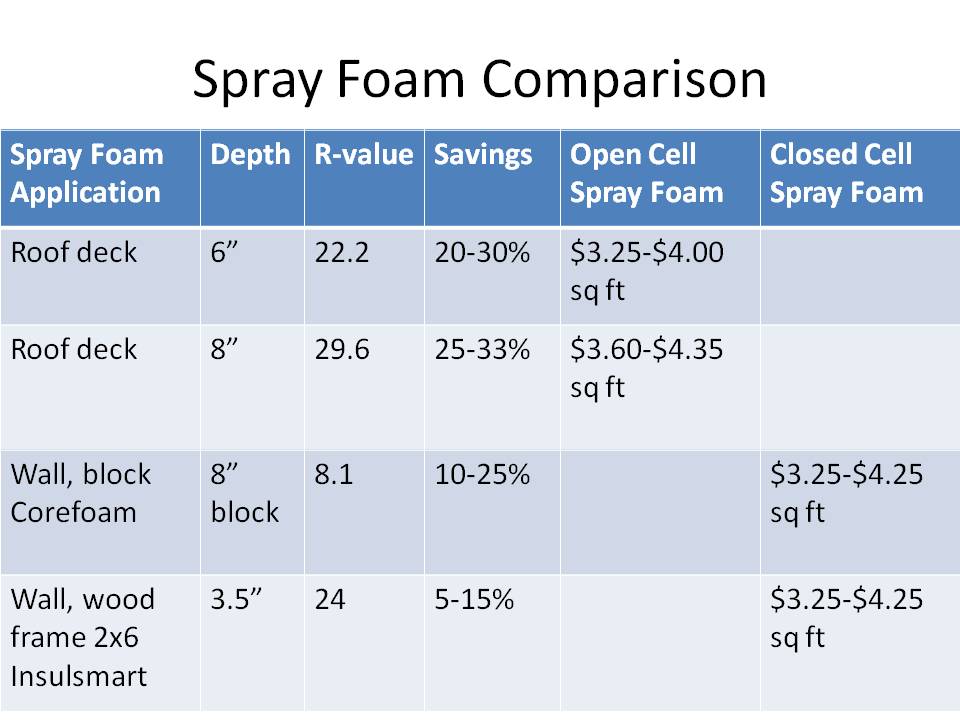
When evaluating spray foam, it’s essential to look beyond the per-inch R-value and the immediate installation cost. A comprehensive financial analysis should compare the total project cost against the anticipated lifetime savings. This involves calculating the projected energy savings over 10, 20, or even 30 years, factoring in potential increases in energy prices, and considering the extended lifespan of HVAC equipment.
While spray foam typically has a higher initial material and installation cost compared to fiberglass or cellulose, its superior thermal performance, air-sealing capabilities, and durability lead to significantly greater lifetime savings. These savings can quickly offset the initial investment, often resulting in a positive cash flow within a few years. Furthermore, the added benefits of increased property value, improved comfort, and reduced maintenance contribute to a higher overall financial return. By taking a long-term financial perspective, property owners can clearly see how the R-value of spray foam, combined with its other attributes, positions it as an excellent and financially rewarding investment for energy efficiency.
aViewFromTheCave is a participant in the Amazon Services LLC Associates Program, an affiliate advertising program designed to provide a means for sites to earn advertising fees by advertising and linking to Amazon.com. Amazon, the Amazon logo, AmazonSupply, and the AmazonSupply logo are trademarks of Amazon.com, Inc. or its affiliates. As an Amazon Associate we earn affiliate commissions from qualifying purchases.