
In an increasingly interconnected digital landscape, the concept of technical security safeguards has evolved from a mere IT overhead to an indispensable foundation for individuals, organizations, and critical infrastructure. These safeguards are not just a collection of tools or protocols; they represent a holistic strategy designed to protect digital assets, maintain operational integrity, and preserve trust in the face of persistent and sophisticated cyber threats. Understanding their purpose goes beyond recognizing individual components like firewalls or encryption; it delves into the strategic objectives they achieve in securing our digital lives.
Protecting Confidentiality, Integrity, and Availability (CIA Triad)
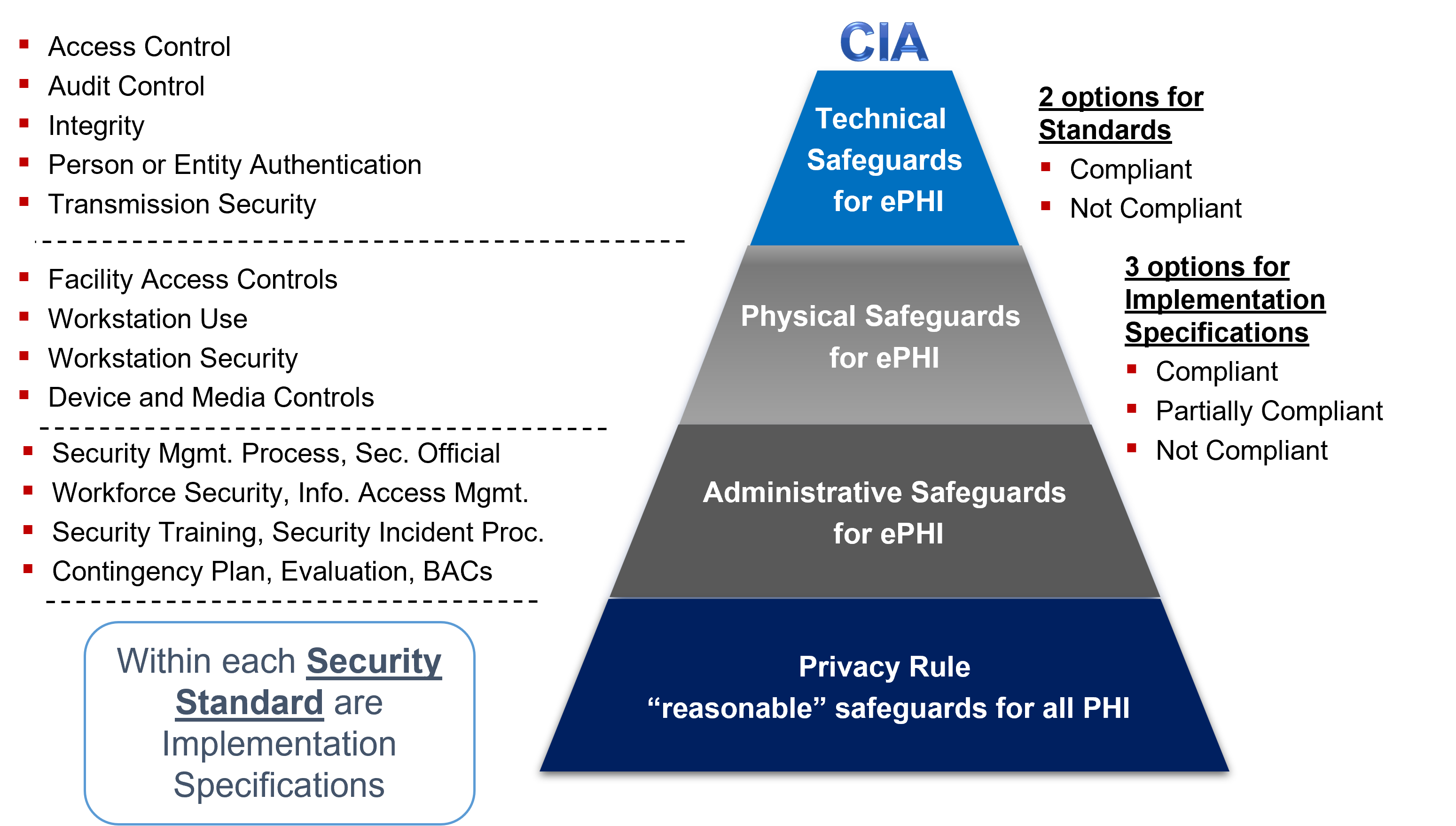
At the heart of cybersecurity, the CIA triad — Confidentiality, Integrity, and Availability — serves as a foundational model for evaluating and implementing information security. Technical security safeguards are primarily deployed to uphold these three critical principles across all digital assets.
Confidentiality: Keeping Secrets Private
The first and often most recognized purpose of technical safeguards is to ensure confidentiality. This means preventing unauthorized disclosure of information. Whether it’s personal data, proprietary business secrets, national security intelligence, or financial records, sensitive information must be accessible only to authorized entities. Technical safeguards achieve this through several mechanisms:
- Encryption: This involves transforming data into a coded format to prevent unauthorized access. Strong encryption algorithms render data unreadable to anyone without the correct decryption key, protecting it both at rest (e.g., on a hard drive) and in transit (e.g., over a network).
- Access Controls: These mechanisms restrict who can view, use, or modify resources. Examples include multi-factor authentication (MFA), role-based access control (RBAC), and granular permissions that specify what actions a user can perform on a given file or system.
- Data Masking/Redaction: For certain applications, sensitive data can be obscured or replaced with non-sensitive equivalents to protect confidentiality while still allowing for testing or analysis.
Without robust confidentiality safeguards, data breaches can lead to severe consequences, including identity theft, financial fraud, competitive disadvantage, and reputational damage.
Integrity: Ensuring Data Trustworthiness
The second pillar, integrity, focuses on maintaining the accuracy and completeness of data. It ensures that information has not been tampered with or corrupted, either accidentally or maliciously, from the moment it is created until it is accessed. Technical security safeguards play a crucial role in preserving data integrity by:
- Checksums and Hashing: These cryptographic functions generate a unique fixed-size string of characters from data. Any alteration to the original data will result in a different hash, immediately indicating that integrity has been compromised.
- Digital Signatures: Used to verify the authenticity and integrity of digital messages or documents. A digital signature confirms that the data originated from the stated sender and has not been altered since it was signed.
- Version Control and Backup Systems: These safeguards ensure that multiple versions of data are maintained, allowing for recovery to a previous, uncorrupted state if integrity is compromised. Secure backup systems are essential for disaster recovery and data restoration.
- Intrusion Detection/Prevention Systems (IDPS): These systems monitor network or system activities for malicious activity or policy violations and can actively block or alert on attempts to compromise data integrity.
Compromised data integrity can lead to flawed decision-making, financial errors, legal disputes, and a complete loss of trust in digital systems.
Availability: Uninterrupted Access
Availability, the third principle, ensures that authorized users can access information and systems when needed. It is about preventing service disruptions and ensuring continuous operation. Technical security safeguards contribute to availability by:
- Redundancy and Failover Systems: These involve duplicating critical components or systems to ensure that if one fails, another can take over seamlessly, minimizing downtime.
- Load Balancing: Distributes network traffic across multiple servers to prevent any single server from becoming overwhelmed, thereby improving responsiveness and availability.
- Disaster Recovery Planning (DRP) and Business Continuity Planning (BCP): While broader organizational strategies, these heavily rely on technical safeguards like off-site backups, redundant data centers, and swift recovery tools to restore services after significant disruptions.
- Denial of Service (DoS) and Distributed Denial of Service (DDoS) Protection: These safeguards are designed to detect and mitigate attacks aimed at overwhelming systems or networks to make them unavailable to legitimate users.
Lack of availability can lead to significant financial losses, damage to reputation, and disruption of critical services, impacting both businesses and individuals.
Mitigating Cyber Threats and Risks
Beyond the CIA triad, technical security safeguards serve as the primary line of defense against the ever-evolving landscape of cyber threats. Their purpose is to reduce the likelihood and impact of successful attacks by addressing various vectors.
Defending Against Malicious Attacks
Cybercriminals employ a wide array of attack methods, from sophisticated nation-state-sponsored intrusions to opportunistic phishing campaigns. Technical safeguards are instrumental in countering these threats:
- Firewalls: Act as a barrier between a trusted internal network and untrusted external networks (like the internet), controlling inbound and outbound network traffic based on predefined security rules.
- Antivirus/Anti-malware Software: Detects, prevents, and removes malicious software, including viruses, worms, Trojans, and ransomware, from computer systems.
- Intrusion Detection and Prevention Systems (IDPS): Continuously monitor network and system activities for malicious activity or policy violations, alerting administrators or actively blocking threats.
- Security Information and Event Management (SIEM) Systems: Aggregate and analyze security data from various sources across an organization’s infrastructure, providing real-time analysis of security alerts generated by network hardware and applications.
- Web Application Firewalls (WAFs): Protect web applications from common web-based attacks like SQL injection, cross-site scripting (XSS), and cross-site request forgery (CSRF) by filtering and monitoring HTTP traffic.
Addressing Human Error and Insider Threats
Not all threats originate externally. Human error remains a significant vulnerability, and malicious insiders can pose a formidable challenge. Technical safeguards help mitigate these internal risks:
- Data Loss Prevention (DLP) Tools: Monitor, detect, and block sensitive data from leaving the organization’s network, whether intentionally or accidentally.
- User Behavior Analytics (UBA): Uses machine learning and algorithmic approaches to detect unusual and potentially malicious behavior by users, often identifying insider threats that might bypass traditional security.
- Automated Policy Enforcement: Ensures that security policies, such as strong password requirements or timely software updates, are consistently applied across an organization’s systems, reducing the impact of human oversight.

Securing Vulnerabilities in Systems and Software
Software and hardware vulnerabilities are inherent in complex digital systems. Technical safeguards are crucial for identifying and remediating these weaknesses before they can be exploited:
- Vulnerability Scanners and Penetration Testing Tools: Proactively identify security weaknesses in applications, networks, and systems, simulating attacks to uncover potential exploitation paths.
- Patch Management Systems: Automate the process of applying software updates and security patches, ensuring that known vulnerabilities are fixed promptly.
- Secure Coding Practices and Static/Dynamic Application Security Testing (SAST/DAST): Integrate security checks into the software development lifecycle, identifying and fixing vulnerabilities during design and testing phases rather than after deployment.
Ensuring Compliance and Regulatory Adherence
Beyond direct threat mitigation, a significant purpose of technical security safeguards is to meet the ever-growing demands of regulatory compliance and industry standards.
Meeting Industry Standards
Many industries are subject to specific cybersecurity standards designed to protect sensitive data and critical infrastructure. Technical safeguards are essential for achieving and maintaining compliance with frameworks such as:
- PCI DSS (Payment Card Industry Data Security Standard): Mandates specific security controls for entities that process, store, or transmit credit card information.
- ISO 27001 (Information Security Management System): Provides a systematic approach to managing information security risks, requiring comprehensive technical controls.
- NIST Cybersecurity Framework: Offers guidelines for improving an organization’s ability to prevent, detect, and respond to cyber attacks.
Navigating Data Privacy Laws
With the proliferation of data, privacy laws like GDPR (General Data Protection Regulation), CCPA (California Consumer Privacy Act), and HIPAA (Health Insurance Portability and Accountability Act) impose strict requirements on how personal data is collected, processed, and stored. Technical safeguards, such as data encryption, access controls, and data anonymization, are fundamental to demonstrating compliance and avoiding hefty fines and legal repercussions.
Building Trust and Reputation
In today’s digital economy, an organization’s commitment to security directly impacts its brand reputation and customer trust. Robust technical security safeguards signal a responsible approach to data handling and privacy, which can be a significant competitive differentiator. Conversely, security failures can severely damage reputation, erode customer loyalty, and lead to substantial financial losses.
Enabling Business Continuity and Resilience
Technical security safeguards are not just about preventing bad things from happening; they are also about ensuring that an organization can continue its operations even when disruptions occur.
Minimizing Downtime and Data Loss
By preventing successful cyber attacks and rapidly recovering from inevitable failures, these safeguards directly contribute to minimizing operational downtime and preventing irretrievable data loss. This is critical for businesses whose services rely on continuous digital operations.
Facilitating Rapid Recovery
In the event of a breach, system failure, or natural disaster, technical safeguards enable efficient and swift recovery. Comprehensive backup and recovery solutions, redundant infrastructure, and well-tested disaster recovery plans, all built upon technical security principles, allow organizations to restore operations and data with minimal impact.
Supporting Digital Transformation and Innovation
As businesses increasingly adopt cloud computing, IoT devices, AI, and other emerging technologies, the complexity of their digital footprint grows. Technical security safeguards provide the necessary foundation to embrace these innovations securely. They enable organizations to experiment with new technologies and business models without exposing themselves to unacceptable levels of risk, thereby fostering continuous growth and competitive advantage.
Fostering a Secure Digital Ecosystem
Ultimately, the purpose of technical security safeguards extends beyond individual systems or organizations to contribute to a more secure and resilient global digital ecosystem. By protecting endpoints, networks, data, and applications, these safeguards help maintain the integrity of online transactions, communications, and critical services that underpin modern society. They empower individuals and organizations to navigate the digital world with confidence, knowing that foundational protections are in place to preserve their privacy, ensure their operational continuity, and secure their digital assets against an ever-present array of threats.
aViewFromTheCave is a participant in the Amazon Services LLC Associates Program, an affiliate advertising program designed to provide a means for sites to earn advertising fees by advertising and linking to Amazon.com. Amazon, the Amazon logo, AmazonSupply, and the AmazonSupply logo are trademarks of Amazon.com, Inc. or its affiliates. As an Amazon Associate we earn affiliate commissions from qualifying purchases.