
Physical security safeguards represent the fundamental, tangible measures an organization deploys to protect its assets, infrastructure, and personnel from physical threats. In an increasingly digital world, their significance often gets overshadowed by the more abstract realm of cybersecurity. However, physical security is not merely a precursor to digital security; it is an indispensable, interwoven component that forms the bedrock of an enterprise’s overall defense strategy. The primary purpose of these safeguards is to create a secure perimeter, control access, monitor environments, and deter, detect, delay, and respond to unauthorized activities, thereby protecting invaluable technological assets, sensitive data, and business operations from tangible harm.
The Foundational Layer of Enterprise Security
At its core, physical security establishes the first line of defense against a myriad of threats, from theft and vandalism to espionage and sabotage. Without robust physical controls, even the most sophisticated digital defenses can be rendered moot, as an attacker with physical access often bypasses network security entirely.
Protecting Critical Infrastructure and Assets
One of the most immediate purposes of physical security is the protection of an organization’s critical infrastructure. This encompasses server rooms, data centers, network hubs, communication equipment, power supplies, and operational technology (OT) systems. These facilities house the digital brains of any modern enterprise. Physical safeguards like reinforced doors, locked server racks, uninterruptible power supplies (UPS), and robust fencing around data centers prevent unauthorized individuals from directly accessing, damaging, or disrupting these vital systems. The failure or compromise of even a single piece of critical infrastructure due to a physical breach can lead to widespread system outages, data corruption, and catastrophic financial losses. For instance, a simple unlocked door to a server room could allow a malicious actor to insert a rogue device, steal hard drives, or intentionally damage equipment, causing far-reaching digital security implications.
Preventing Unauthorized Access and Tampering
Physical security measures are specifically designed to regulate and restrict who can enter specific areas and interact with sensitive equipment. Access control systems, ranging from traditional locks and keys to advanced biometric scanners (fingerprint, iris, facial recognition), smart card readers, and PIN pads, ensure that only authorized personnel can gain entry to secure zones. These systems log entry and exit times, providing an audit trail crucial for investigations. Furthermore, intrusion detection systems, such as motion sensors, door/window contacts, and glass break detectors, alert security personnel to attempted or actual breaches, enabling a swift response. The goal is to create multiple layers of defense, often referred to as “defense in depth,” where each layer adds another hurdle for an intruder, increasing the likelihood of detection before a significant compromise occurs. Tamper-evident seals and secure enclosures also play a role in ensuring that equipment has not been interfered with post-installation or during transit.
Safeguarding Data in a Physical World
While data exists digitally, it resides on physical media within physical environments. Therefore, protecting the physical containers and locations of this data is paramount to its overall security.
Data Center and Server Room Security
Data centers and server rooms are the ultimate repositories of an organization’s digital assets. The purpose of physical security here is multi-faceted:
- Preventing Direct Data Theft: Physically stealing servers, storage arrays, or individual hard drives is a straightforward way to exfiltrate vast amounts of data. Locked racks, secure cages, and restricted access zones are essential.
- Preventing Insertion of Malicious Hardware: An attacker with physical access could install keyloggers, skimmers, or network taps directly onto servers or network devices, compromising data integrity and confidentiality from within the network perimeter.
- Ensuring Data Destruction Integrity: When hardware reaches end-of-life, secure physical destruction (shredding, degaussing) of storage media is critical to prevent data recovery. Physical safeguards around these processes prevent unauthorized interception of discarded media.
Physical security protocols for data centers often include layered access controls, 24/7 surveillance, strict visitor policies, and environmental controls to ensure optimal operating conditions and prevent equipment failure.
End-Point Device Protection
Beyond the data center, individual workstations, laptops, mobile devices, and removable media also contain sensitive data. Physical security safeguards aim to:
- Prevent Device Theft: Cable locks, secure docking stations, and asset tracking systems deter the theft of laptops and mobile devices, which often contain confidential company data.
- Secure Removable Media: Encrypted USB drives, secure storage cabinets for backup tapes, and policies governing their use and storage prevent sensitive data from being easily lost or stolen via portable media.
- Control Access to Peripherals: USB port locks or disabling unused ports physically prevent unauthorized devices from being connected to a network or system, reducing the risk of malware introduction or data exfiltration.
Mitigating Environmental Threats

Physical security extends beyond human threats to include protection against natural and man-made environmental hazards. The purpose here is to ensure the continuous operation and integrity of IT systems.
- Fire Suppression Systems: Non-water-based systems (e.g., inert gas, chemical agents) are crucial for data centers to extinguish fires without damaging sensitive electronic equipment.
- Climate Control: HVAC systems maintain optimal temperature and humidity levels, preventing overheating and static discharge that can damage servers and network devices.
- Water Detection: Sensors for leaks and flooding protect against damage to electrical equipment and data storage.
- Power Redundancy: Uninterruptible Power Supplies (UPS) and backup generators ensure continuous power, protecting against data loss during power outages and surges.
These safeguards ensure that the physical environment remains stable and secure, directly impacting the availability and integrity of digital assets.
Enhancing Digital Resilience and Business Continuity
Physical security safeguards are not just about preventing incidents; they are also integral to an organization’s ability to withstand and recover from disruptions, thereby bolstering digital resilience and ensuring business continuity.
Deterrence and Detection
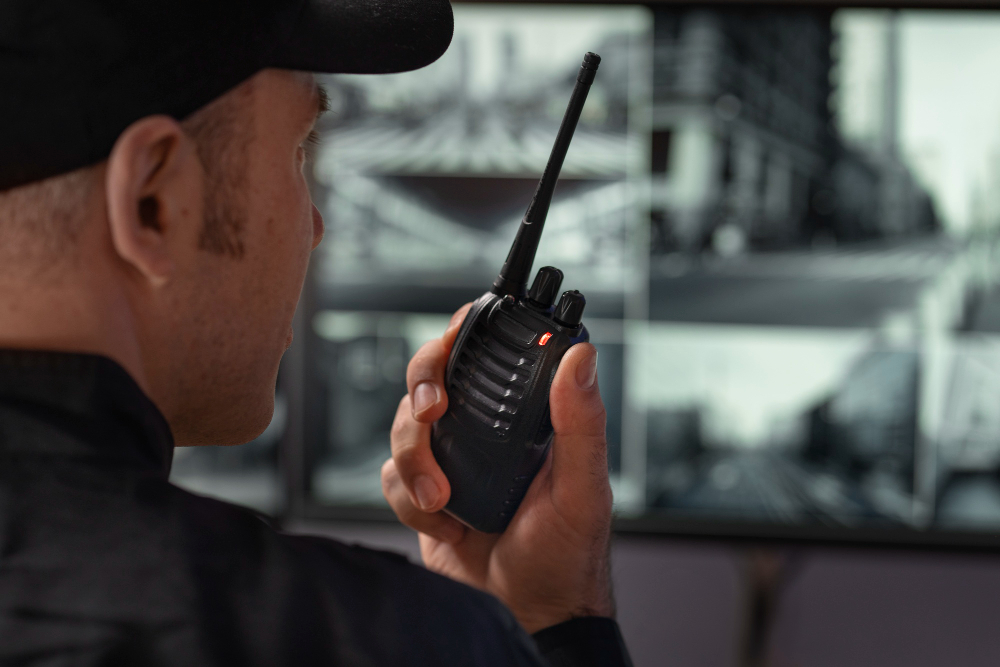
The visible presence of physical security measures acts as a powerful deterrent. Security cameras, warning signs, guards, and access control points signal to potential intruders that a facility is protected, increasing the perceived risk of an attempt. Should an attempt occur, detection systems (alarms, sensors, surveillance cameras with analytics) quickly identify the breach, enabling a timely response before significant damage or data loss occurs. Modern surveillance systems, powered by AI, can detect unusual behavior, abandoned packages, or unauthorized access attempts with greater accuracy and speed than human monitoring alone, significantly enhancing detection capabilities.
Incident Response and Recovery
In the event of a physical security incident, well-defined protocols are crucial for minimizing impact and facilitating recovery. The purpose of physical safeguards in this context includes:
- Rapid Response: Integrating physical security alarms with security operations centers (SOCs) ensures that alerts are received and processed quickly, allowing security personnel or law enforcement to intervene without delay.
- Evidence Collection: High-definition surveillance footage and access logs provide critical evidence for forensic investigations, helping to understand the breach, identify perpetrators, and improve future security measures.
- Damage Control: Physical barriers and access restrictions can help contain an incident (e.g., isolating a compromised area) and protect unaffected assets, thereby aiding in a faster recovery of services.
Compliance and Regulatory Adherence
Many industry standards and government regulations mandate specific physical security requirements, particularly for organizations handling sensitive data. For instance:
- ISO 27001: Requires organizations to implement physical and environmental security controls to protect information assets.
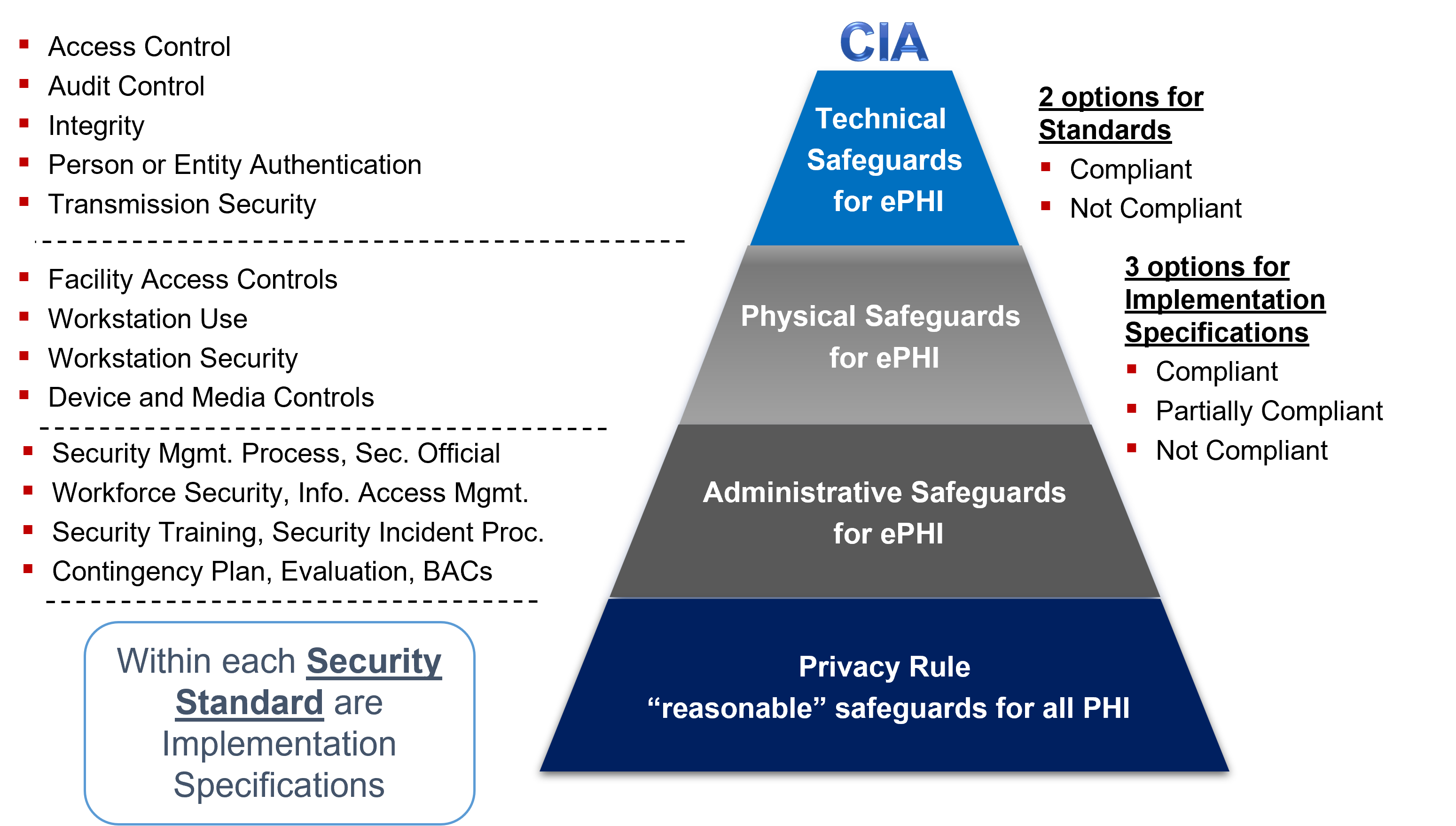
- HIPAA: Mandates physical safeguards for facilities that house electronic protected health information (ePHI).
- PCI DSS: Specifies physical security requirements for environments where payment card data is processed, stored, or transmitted.
- GDPR: While primarily focused on data privacy, implicitly requires physical security to protect the infrastructure storing personal data.
The purpose of physical security here is to ensure an organization meets these compliance obligations, avoiding severe penalties, reputational damage, and legal repercussions. It demonstrates due diligence in protecting sensitive information.
Integrating Physical and Cyber Security
The traditional silos between physical and cybersecurity are dissolving. A holistic security posture recognizes that these domains are inextricably linked, and a weakness in one can easily compromise the other.
Converged Security Operations
The modern purpose of physical security extends to its seamless integration with cybersecurity operations. This convergence means that physical security events (e.g., a door forced open, an unauthorized person in a data center) can trigger alerts within the IT security monitoring systems (like SIEM – Security Information and Event Management platforms). This integrated approach allows security teams to correlate physical incidents with potential cyber threats, gaining a comprehensive view of the threat landscape. For example, a physical breach detected in a server room could immediately flag suspicious network activity originating from devices within that area, enabling a more informed and rapid response. This unified approach prevents blind spots and ensures that the physical attack surface is managed with the same rigor as the digital one.
The Human Element in Physical Security
Ultimately, the purpose of physical security safeguards is also to protect the people within an organization. Beyond preventing physical harm, this includes fostering a secure environment where employees feel safe and can work without concern for their physical well-being or the security of their workspace. Education and training are critical; employees must understand their role in maintaining physical security, from challenging unknown individuals to properly securing their workstations and reporting suspicious activities. The “human firewall” is as important in physical security as it is in cybersecurity, recognizing that people are often the strongest, or weakest, link in any security chain.
In conclusion, physical security safeguards are far from obsolete in the digital age. They are the essential, tangible framework that protects an organization’s most valuable assets – its people, its infrastructure, and its data – from real-world threats. By deterring, detecting, and responding to physical incidents, and by seamlessly integrating with cybersecurity efforts, these safeguards ensure the fundamental integrity, availability, and confidentiality of all organizational operations.
aViewFromTheCave is a participant in the Amazon Services LLC Associates Program, an affiliate advertising program designed to provide a means for sites to earn advertising fees by advertising and linking to Amazon.com. Amazon, the Amazon logo, AmazonSupply, and the AmazonSupply logo are trademarks of Amazon.com, Inc. or its affiliates. As an Amazon Associate we earn affiliate commissions from qualifying purchases.