
The quest to identify the “most rare jewel” often begins with an appreciation for beauty, but for astute investors and those tracking high-value assets, it quickly converges on a deeper financial truth: rarity dictates extraordinary market value. In the realm of precious stones, scarcity isn’t merely a geological footnote; it’s the primary driver of astronomical prices, making certain jewels not just aesthetic marvels but significant financial instruments and wealth preservation tools. Understanding what constitutes rarity, and which gems embody it most profoundly, offers critical insight into a niche yet highly lucrative segment of the investment landscape.
Beyond Beauty: The Financial Gravity of Rarity
The allure of a precious jewel is undeniable, but its true financial weight is determined by its scarcity. In the investment world, assets that are genuinely limited in supply consistently command premium prices. For rare jewels, this principle is magnified by a unique combination of geological improbability, historical significance, and unwavering demand from an ultra-high-net-worth clientele.
Defining Rarity in Gemstones
Rarity in gemstones is a multifaceted concept, extending beyond simple geological occurrence. It encompasses several key factors that contribute to a gem’s financial uniqueness:
- Geological Scarcity: Some minerals are simply not formed frequently or in large deposits. The conditions required for their creation (specific temperatures, pressures, chemical compositions) are exceptionally uncommon, limiting their natural availability.
- Quality and Size: Even if a gem type exists, finding it in a significant size, with exceptional clarity, purity of color, and minimal inclusions, dramatically elevates its rarity. A large, flawless ruby is infinitely rarer than small, included specimens of the same stone.
- Discovery Rates: The rate at which new deposits are found or existing mines yield high-quality material directly impacts supply. When mines deplete or no new sources emerge, existing stones become scarcer and more valuable.
- Demand Dynamics: While not strictly part of geological rarity, consistent, high demand from collectors and investors for a genuinely scarce gem type can amplify its financial rarity, pushing prices to unprecedented levels.
- Uniqueness of Color/Phenomenon: Certain gems display rare colors or optical phenomena (like alexandrite’s color change or cat’s eye chrysoberyl) that are extremely rare even within their own species, commanding a premium.
The Market Dynamics of Scarcity
The financial market for ultra-rare jewels operates on principles similar to those governing other luxury assets and alternative investments. Limited supply against consistent or growing demand inevitably drives up prices. For truly rare gems, price elasticity is often low; a slight increase in demand can lead to a disproportionately large jump in value due to the fixed and incredibly limited supply.
Auction houses serve as key indicators of this dynamic, with record-breaking sales of exceptional stones regularly making headlines. These transactions not only set new benchmarks for individual gems but also influence the perceived value and investment potential of the entire rare gem category. Investors are drawn to these assets not just for their beauty but for their proven track record of value appreciation, often outpacing traditional market investments in certain economic climates, and acting as a tangible store of wealth.
Top Contenders for Rarest and Most Valuable
While definitive judgment is subjective and can shift with new discoveries or market trends, several gemstones consistently rank at the pinnacle of rarity and financial value due to their exceptional scarcity and monumental market prices.
The Red Diamond: A Pinnacle of Value
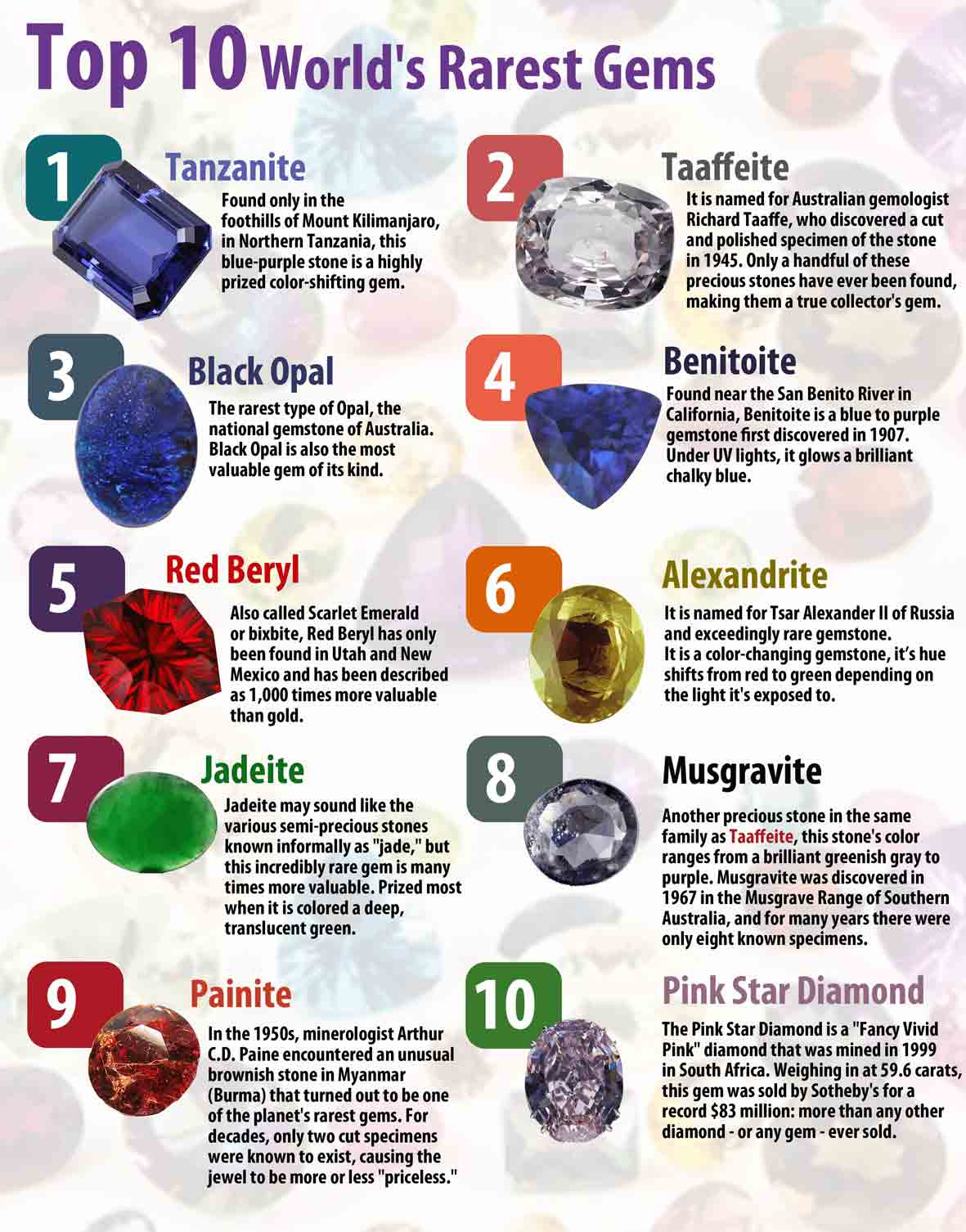
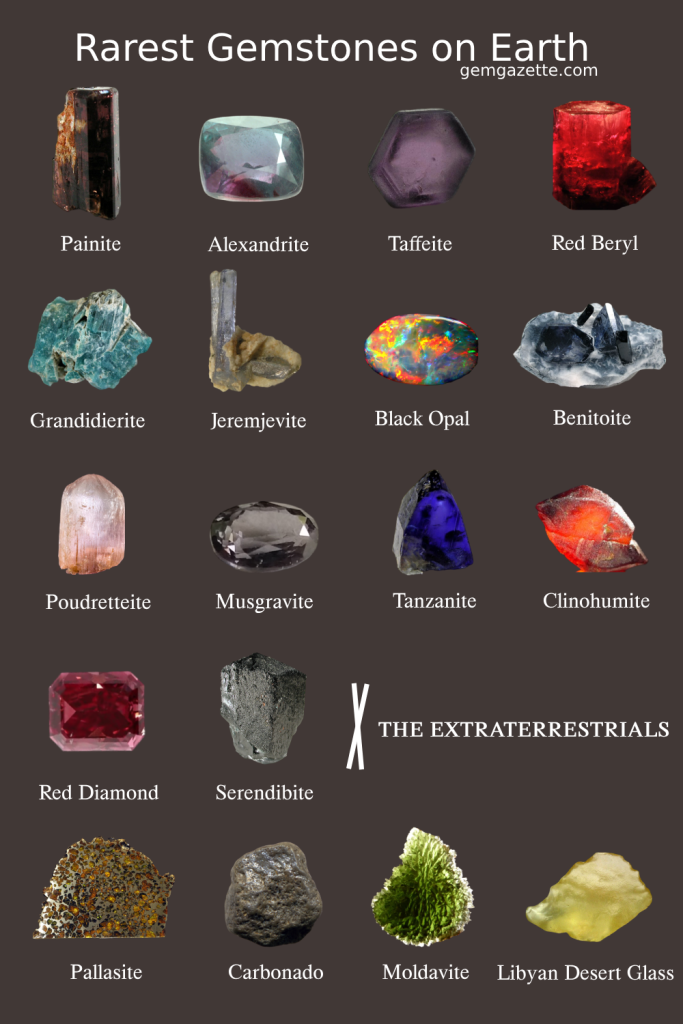
Without a doubt, the Red Diamond stands as arguably the most rare and financially significant jewel. Fewer than 30 true red diamonds are known to exist worldwide, most of them weighing less than half a carat. Their color is not derived from impurities, like other fancy colored diamonds, but from a rare plastic deformation of the crystal lattice during formation. The largest known is the 5.11-carat Moussaieff Red Diamond, valued at well over $20 million. Such stones rarely appear on the open market, and when they do, they command per-carat prices that dwarf almost every other gem, cementing their status as an ultra-elite investment. Their extraordinary scarcity means their value is virtually immune to market fluctuations affecting more common diamond categories.
Jadeite: Cultural Significance Meets Monetary Worth
Beyond diamonds, Jadeite presents a compelling case for extreme rarity, particularly the finest “Imperial Jade” which displays a vivid emerald-green hue. While jade, in general, is widely available, gem-quality jadeite of this specific color and translucency is found almost exclusively in Myanmar. Historically revered in East Asian cultures, where it symbolizes prosperity, longevity, and good fortune, its financial value has soared, driven by both intrinsic rarity and immense cultural demand. A single strand of Imperial Jade beads, such as the Hutton-Mdivani Necklace, sold for a staggering $27.44 million at auction, underscoring its profound financial and cultural importance as a premier asset.
Pink Star Diamond and Other Exceptional Finds
Other extremely rare diamonds, especially vivid Pink Diamonds and Blue Diamonds, also command extraordinary prices due to their extreme scarcity and captivating beauty. The 59.60-carat Pink Star Diamond, which fetched $71.2 million at auction, is a testament to the unparalleled value of exceptionally large, vivid fancy colored diamonds. Their rarity is a combination of unique color origin (for pinks, often linked to structural deformation; for blues, boron impurities) and the sheer improbability of finding such a large, flawless specimen. These stones are not just jewels; they are global financial assets, often held by sovereign wealth funds, billionaires, and major institutions.
Padparadscha Sapphire and Tanzanite: Exotic Rarity

While perhaps not reaching the absolute peak of red diamonds or imperial jadeite, certain other gems represent significant financial rarity due to their unique characteristics and limited geographic origins:
- Padparadscha Sapphire: Named after the Sanskrit word for “lotus flower” due to its delicate pink-orange hue, this sapphire is incredibly rare. The finest examples, showing a perfect blend of pink and orange without leaning too heavily on either, come primarily from Sri Lanka and are highly sought after by collectors and investors for their exquisite color and scarcity, often commanding prices nearing or exceeding those of high-quality rubies.
- Tanzanite: Found exclusively in a small mining area in Tanzania, tanzanite is a relatively new discovery that has rapidly gained prominence. Its pleochroism, displaying blue, violet, and burgundy depending on the crystal orientation, makes it uniquely captivating. While not as expensive per carat as red diamonds, large, vivid blue-violet tanzanites are becoming increasingly rare as the original mines deplete, making them a gem with strong potential for future value appreciation as supply dwindles.
Jewels as Investment: A Long-Term Financial Play
The acquisition of ultra-rare jewels transcends mere luxury; it represents a sophisticated form of alternative investment and wealth management. For those looking to diversify portfolios, preserve wealth against inflation, or secure tangible assets with global liquidity, these stones offer a compelling proposition.
Valuation Factors: Beyond the 4 Cs
While the traditional “4 Cs” (Carat, Color, Clarity, Cut) are fundamental to gem valuation, for ultra-rare jewels, additional factors become paramount in determining financial worth:
- Origin: The geographical source can significantly impact value, especially for gems like Burmese rubies or Colombian emeralds, due to historical reputation and quality.
- Certification: Reputable gemological reports from institutions like GIA (Gemological Institute of America) or Gubelin are crucial for authenticating a gem’s properties and ensuring its market acceptance.
- Provenance and History: A jewel with a documented history of ownership by royalty, celebrities, or significant collectors often commands a premium, adding a layer of historical asset value.
- Market Demand: Current trends and the perceived desirability for specific types of rare gems influence their immediate financial appeal.
Market Trends and Appreciation Potential
Historically, ultra-rare jewels have shown remarkable resilience and appreciation, particularly during periods of economic uncertainty when tangible assets are favored. Their value is often decoupled from traditional stock markets, offering a hedge against volatility. The finite nature of their supply ensures that as global wealth increases and demand from a growing number of ultra-high-net-worth individuals intensifies, their prices are likely to continue an upward trajectory. Investing in such jewels is often a long-term strategy, focusing on capital preservation and appreciation over decades rather than short-term gains.
Liquidity and Asset Protection
Unlike real estate or large art pieces, rare jewels offer a high degree of liquidity. They are globally recognized assets that can be discreetly transported and traded across international borders, making them an attractive option for wealth protection and transfer. Their compact size belies immense value, offering unparalleled efficiency in wealth storage. This portability and universal appeal contribute significantly to their financial utility as a tangible asset class.
Acquiring and Insuring Ultra-Rare Gems
The process of acquiring and managing ultra-rare jewels is as specialized as the gems themselves, requiring significant expertise and careful financial planning.
Expert Sourcing and Authentication
Purchasing a top-tier rare jewel is not a casual transaction. It demands engagement with highly reputable dealers, auction houses, and gemological experts. Independent authentication and grading are non-negotiable to verify the gem’s identity, quality, and rarity. Buyers often rely on private consultants and gemologists who specialize in high-value assets to navigate the market, assess fair value, and ensure the authenticity and ethical sourcing of the stone. Due diligence is paramount, as the sums involved are substantial.
The Crucial Role of Insurance
Given their immense financial value, comprehensive insurance is an absolute necessity for ultra-rare jewels. Policies must be tailored to the specific risks associated with such high-value, portable assets, covering theft, loss, and damage. Valuation updates are crucial to ensure coverage reflects current market appreciation, protecting the investment against unforeseen circumstances. This financial safeguard is an integral part of owning and managing a rare gem portfolio.
Succession Planning for High-Value Assets
For owners of significant gem collections, integrating these assets into broader wealth management and estate planning strategies is vital. This involves careful consideration of inheritance, taxation, and potential liquidity events. Expert legal and financial advice is essential to ensure smooth transitions of ownership and to maximize the long-term financial benefits and preservation of these extraordinary jewels for future generations. The rarity of these gems translates directly into their lasting financial legacy.
aViewFromTheCave is a participant in the Amazon Services LLC Associates Program, an affiliate advertising program designed to provide a means for sites to earn advertising fees by advertising and linking to Amazon.com. Amazon, the Amazon logo, AmazonSupply, and the AmazonSupply logo are trademarks of Amazon.com, Inc. or its affiliates. As an Amazon Associate we earn affiliate commissions from qualifying purchases.