
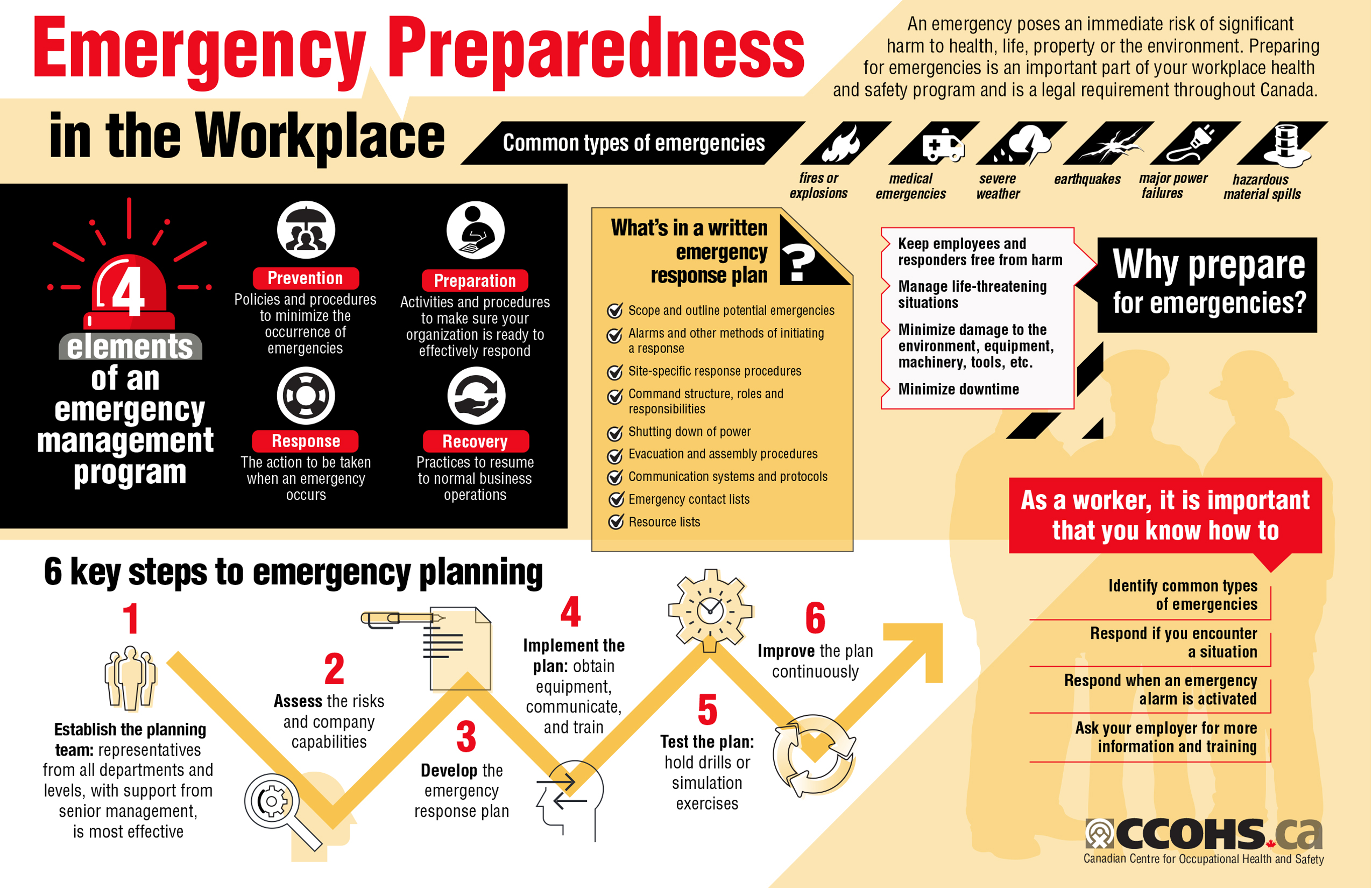
In an era defined by rapid technological advancement and increasing digital interconnectedness, the definition of a “workplace emergency” has expanded far beyond traditional physical threats like fires or medical incidents. While these remain critical concerns, a new class of emergency has risen to prominence: the cybersecurity incident. Data breaches, ransomware attacks, phishing campaigns, and system outages are no longer isolated technical glitches; they are full-blown emergencies that can cripple operations, erode trust, and incur devastating financial and reputational costs. Crucially, these digital emergencies stand out as arguably the most preventable type of workplace emergency, provided organizations adopt a proactive, comprehensive, and technologically-driven approach to digital security.
The Shifting Definition of Workplace Emergencies in the Digital Age
Historically, workplace emergency preparedness focused predominantly on physical safety: evacuation plans for fires, first aid for injuries, and protocols for natural disasters. While these remain fundamental, the modern workplace, heavily reliant on information technology for daily operations, communication, and data management, faces an equally, if not more, insidious threat from the digital realm. Every transaction, communication, and piece of intellectual property often lives within a vast digital ecosystem. An interruption or compromise of this ecosystem can have immediate and far-reaching consequences, making cybersecurity incidents a top-tier emergency.
Beyond Physical Threats: The Rise of Cyber Incidents
A cyber incident is not merely an inconvenience; it can be an existential threat. A ransomware attack can encrypt critical business data, bringing operations to a standstill. A data breach can expose sensitive customer or employee information, leading to regulatory fines, legal liabilities, and irreparable damage to a brand’s reputation. Phishing scams can compromise credentials, granting attackers access to internal systems. System outages, whether malicious or accidental, can halt productivity, disrupt supply chains, and impact customer service. These events are emergencies because they demand immediate, coordinated responses, involve significant risk, and have the potential for widespread negative impact across the entire organization.
Cybersecurity: The Foremost Preventable Emergency
What makes cybersecurity incidents uniquely preventable compared to other types of workplace emergencies? Unlike a sudden natural disaster or an unpredictable medical emergency, most cyberattacks exploit known vulnerabilities—be they technical weaknesses or human errors—that can be identified, mitigated, or entirely eliminated through diligent effort and the right technological investments. The pathways attackers use are often well-documented, and the defenses required are increasingly sophisticated and accessible.
Common Vectors of Attack and Their Preventability
Understanding the primary vectors of cyberattacks illuminates just how preventable these emergencies truly are:
- Phishing and Social Engineering: These attacks manipulate individuals into revealing sensitive information or performing actions that compromise security. With comprehensive security awareness training, robust email filtering systems, and multi-factor authentication (MFA), the success rate of such attacks can be drastically reduced.
- Unpatched Software and System Vulnerabilities: Attackers frequently target known flaws in operating systems, applications, and network devices. Regular patch management, vulnerability scanning, and timely updates can close these security gaps before they are exploited.
- Weak Passwords and Authentication Practices: Poor password hygiene (e.g., simple, reused passwords) remains a significant vulnerability. Strong password policies, password managers, and particularly MFA, can provide substantial protection against unauthorized access.
- Insider Threats: Both malicious and unintentional actions by current or former employees can lead to data breaches or system compromises. Strict access controls, regular auditing, and a culture of security awareness can largely prevent these incidents.
- Misconfigurations: Errors in setting up cloud services, firewalls, or other security tools can create unintended backdoors for attackers. Automated configuration management and regular security audits are vital for prevention.
Leveraging Technology for Robust Digital Security
The cornerstone of preventing cyber emergencies lies in a layered defense strategy, heavily reliant on advanced technology. Organizations must deploy a suite of tools that work in concert to detect, deter, and respond to threats across their entire digital footprint.
Foundational Security Technologies
- Firewalls and Intrusion Detection/Prevention Systems (IDPS): These act as the first line of defense, monitoring network traffic to block unauthorized access and malicious activity. Next-generation firewalls offer deeper packet inspection and application-level control.
- Endpoint Detection and Response (EDR)/Antivirus: Protecting individual devices (laptops, desktops, servers) is crucial. EDR solutions go beyond traditional antivirus by continuously monitoring endpoints for suspicious behavior, providing advanced threat detection and response capabilities.
- Data Loss Prevention (DLP): DLP solutions monitor, detect, and block sensitive data from leaving the organization’s control, whether accidentally or maliciously, across networks, endpoints, and cloud applications.
- Security Information and Event Management (SIEM): SIEM systems collect and aggregate log data from various security devices and applications across the network. They use analytics to detect anomalies, identify threats, and generate alerts, providing a centralized view of an organization’s security posture.
Advanced Proactive and Reactive Tools
- Artificial Intelligence (AI) and Machine Learning (ML) in Security: AI/ML algorithms analyze vast amounts of data to identify patterns indicative of new or evolving threats, perform anomaly detection, and predict potential attacks, often outpacing human analysts.
- Zero Trust Architecture (ZTA): Moving away from the traditional perimeter-based security model, ZTA operates on the principle of “never trust, always verify.” Every user, device, and application is authenticated and authorized before granting access, regardless of their location, significantly reducing the impact of a breach.
- Cloud Security Posture Management (CSPM): As more organizations migrate to cloud environments, CSPM tools automate the identification and remediation of misconfigurations and compliance risks in cloud infrastructure.
- Automated Patch Management Systems: These systems ensure that all software and operating systems across an organization are regularly updated and patched, closing known security vulnerabilities without manual intervention.
The Indispensable Human Element in Prevention
While technology provides the tools, the human element remains a critical factor in both preventing and causing cyber emergencies. No technology is foolproof if users are not adequately trained or if policies are not consistently enforced.
Comprehensive Security Awareness Training
One of the most effective preventative measures is ongoing, engaging security awareness training for all employees. This training should cover:
- Phishing Recognition: How to identify and report suspicious emails and links.
- Password Hygiene: The importance of strong, unique passwords and the use of password managers.
- Data Handling: Best practices for protecting sensitive data, both in transit and at rest.
- Social Engineering Tactics: Understanding various manipulation techniques used by attackers.
- Incident Reporting: Knowing how and when to report a potential security incident.
Regular simulated phishing attacks can also reinforce training and identify areas where further education is needed. Cultivating a culture where security is everyone’s responsibility significantly reduces human-centric vulnerabilities.
Robust Policies and Incident Response Planning
Beyond training, clear and enforced security policies are paramount. These include:
- Acceptable Use Policies: Defining how employees can use company resources.
- Data Classification Policies: Guiding how different types of data should be handled and protected.
- Access Control Policies: Ensuring that users only have access to the resources absolutely necessary for their role.
- Remote Work Security Policies: Addressing the unique security challenges of distributed workforces.
Equally important is a well-defined and regularly tested Incident Response Plan. While the focus is on prevention, organizations must assume that an emergency will eventually occur. An effective plan outlines the steps for detection, containment, eradication, recovery, and post-incident analysis, minimizing the damage and ensuring a swift return to normal operations. Regular drills and tabletop exercises ensure that the plan is practical and that teams are prepared to execute it under pressure.
Building a Culture of Proactive Digital Resilience
Preventing cyber emergencies requires a holistic, continuous effort that transcends individual tools or one-off training sessions. It’s about embedding security into the organizational DNA, treating it as a strategic imperative rather than a mere technical checkbox.
Continuous Monitoring and Vulnerability Management
Organizations must adopt a continuous security posture management approach. This includes:
- Regular Security Audits and Penetration Testing: Engaging third-party experts to identify vulnerabilities that internal teams might overlook.
- Vulnerability Scanning: Automated scanning of systems and networks to detect new weaknesses.
- Threat Intelligence Feeds: Subscribing to services that provide up-to-date information on emerging threats and attack methodologies, allowing for proactive defense adjustments.

Strategic Investment in Cybersecurity
Ultimately, the most preventable type of workplace emergency is preventable only if organizations make a strategic investment in cybersecurity. This means:
- Allocating sufficient budget: Treating cybersecurity as an investment in business continuity and competitive advantage, not just a cost center.
- Prioritizing security leadership: Ensuring that cybersecurity considerations are integrated into executive decision-making.
- Considering managed security service providers (MSSPs): For organizations without the resources for an in-house security operations center, MSSPs can provide expert 24/7 monitoring and response.
By strategically combining advanced technological safeguards with robust policies, continuous monitoring, and a highly security-aware workforce, organizations can dramatically reduce their exposure to cyber threats, effectively transforming the most prevalent digital emergencies into the most preventable ones.
aViewFromTheCave is a participant in the Amazon Services LLC Associates Program, an affiliate advertising program designed to provide a means for sites to earn advertising fees by advertising and linking to Amazon.com. Amazon, the Amazon logo, AmazonSupply, and the AmazonSupply logo are trademarks of Amazon.com, Inc. or its affiliates. As an Amazon Associate we earn affiliate commissions from qualifying purchases.