
In the dynamic world of professional football, the question of the “most important position” often sparks passionate debate. While traditional analysis frequently centers on on-field impact, wins, and losses, a critical perspective emerges when viewed through the lens of brand strategy, corporate identity, and marketing. From this vantage point, the importance of a position extends far beyond game-day statistics, delving into marketability, fan engagement, public perception, and the overall narrative a franchise builds around itself. Understanding which positions wield the most influence in shaping a team’s brand identity is crucial for successful marketing, sponsorship acquisition, and long-term organizational value.

The Quarterback: Orchestrator of Brand Narrative
Perhaps no other position in American football (or analogous central playmakers in global football codes, like the central attacking midfielder or striker who often lead the charge) holds as much intrinsic brand value as the quarterback. They are the undeniable face of the franchise, the central figure around whom the team’s identity often revolves. Their actions, both on and off the field, profoundly influence how a team is perceived by fans, media, and potential sponsors.
The Face of the Franchise
The quarterback is inherently the focal point of media attention and fan adoration. They are the primary voice in post-game interviews, the subject of countless features, and often the first player recalled when a team is mentioned. This visibility makes them an unparalleled asset for corporate identity. Their persona – whether it’s one of unwavering leadership, quiet determination, or charismatic flair – imprints directly onto the team’s brand. A franchise with a consistently successful and reputable quarterback projects an image of stability, ambition, and excellence. Conversely, a revolving door at the position can signify instability and a lack of clear identity, undermining brand efforts.
Marketing Magnets
Beyond mere recognition, quarterbacks possess extraordinary marketing power. Their individual brand equity is immense, translating directly into opportunities for the team. They are prime candidates for major endorsement deals, appearing in national commercials and campaigns that inherently elevate the team’s profile. Jersey sales, merchandise featuring their likeness, and ticket demand are all significantly boosted by the presence of a star quarterback. From a marketing strategy perspective, investing in a top-tier quarterback isn’t just an on-field decision; it’s an investment in a highly effective brand ambassador who can generate significant revenue and broaden market reach far beyond the local fan base.
Shaping Fan Loyalty
The relationship between a quarterback and the fan base is deeply emotional and foundational to fan loyalty. They are seen as the leader, the decision-maker, and often the last hope for victory. This direct connection fosters a sense of community and belonging among supporters. Marketing campaigns built around the quarterback’s journey – their triumphs, their resilience, their personal stories – resonate powerfully, transforming casual viewers into dedicated fans. The narrative arc of a quarterback’s career becomes intertwined with the team’s brand story, cultivating a loyal following that transcends individual seasons and performance fluctuations.
Wide Receiver/Star Striker: The Dazzling Persona and Market Appeal
While the quarterback orchestrates, positions like the wide receiver in American football or the star striker/forward in soccer often provide the moments of individual brilliance that captivate audiences and become iconic brand assets. These positions are defined by their ability to produce spectacular, game-changing plays that are highly shareable and memorable.
Playmaking as Personal Brand
Wide receivers and strikers are the showmen of the sport. Their incredible catches, breathtaking runs, or decisive goals generate viral content, highlight reels, and endless discussion. Each highlight is a micro-advertisement for both the player and the team. This innate ability to create “wow” moments allows them to build powerful personal brands that organically feed into the team’s corporate identity. Their unique playing styles, celebrations, and even fashion choices contribute to a persona that fans want to emulate and sponsors want to align with. They embody excitement and aspiration, key ingredients for a dynamic brand.
Youth Engagement and Merchandise
The spectacular nature of these positions makes them particularly appealing to younger demographics. Children often gravitate towards the flashy offensive players who score touchdowns or goals, making them ideal role models for future fans. This demographic is crucial for long-term brand sustainability. Marketing efforts targeting youth, featuring star receivers or strikers, drive significant merchandise sales—jerseys, shoes, and other branded apparel. Their individual flair helps broaden the team’s appeal beyond traditional fan segments, attracting new audiences who are drawn to the athleticism and entertainment value they provide.
Global Reach
Star players in these positions, especially in globally popular sports like soccer, have the power to elevate a team’s brand onto an international stage. A striker for a Premier League club, for example, can be recognized and followed by millions across continents, effectively making their club a global brand. Their social media presence alone can connect a team with millions of potential fans and customers worldwide. From a brand strategy perspective, acquiring and promoting a globally recognized star in one of these positions is a direct path to expanding market share and building a truly international corporate identity.
Defensive Leaders: The Unsung Heroes of Brand Integrity
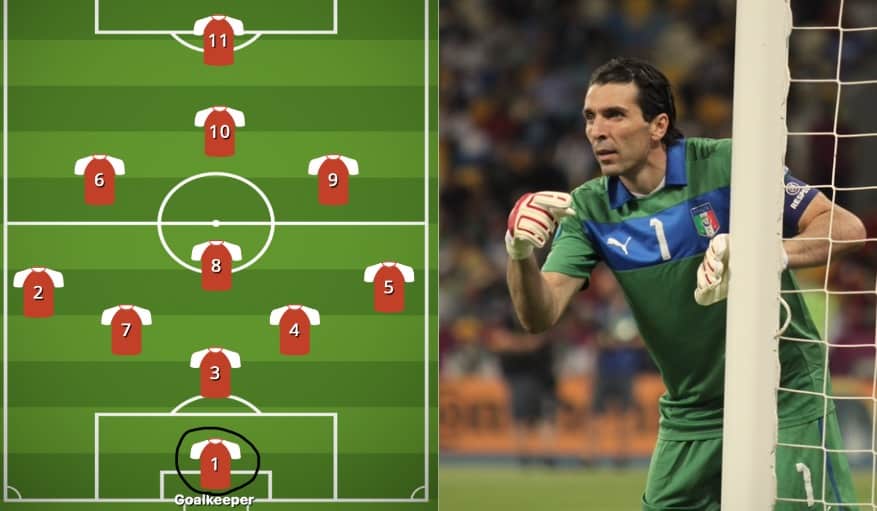
While offensive players often grab the headlines, key defensive positions—such as the middle linebacker in American football or the central defender in soccer—play a crucial, albeit different, role in shaping a team’s brand. They embody the foundational values of resilience, discipline, and uncompromising effort.
Embodying Team Values
Defensive leaders often represent the grit, determination, and consistency that define a strong, resilient brand. They are the “dirty work” players, the ones who make the crucial tackles, organize the backline, and sacrifice individual glory for team success. From a corporate identity perspective, these players reinforce the brand’s core values—integrity, hard work, and an unyielding spirit. Marketing campaigns can leverage their stories to highlight the team’s character, creating a deeper, more authentic connection with fans who value substance over flash. They demonstrate that the team is not just about scoring points, but about a commitment to excellence in all aspects.
Crisis Management and Stability
In times of adversity, a strong defensive leader can serve as a steadying presence for the team’s brand. When offensive struggles emerge or high-profile players falter, these leaders maintain composure, uphold team standards, and continue to perform with unwavering resolve. This stability is invaluable for brand reputation. Their consistent effort and leadership on the field can prevent a bad season from completely eroding fan confidence or damaging sponsor relationships. They are the anchors that keep the ship steady, ensuring the brand’s core image of toughness and resilience remains intact.
Legacy and Authenticity
Defensive stalwarts often build a legacy based on loyalty, hard work, and a commitment to the team’s identity. They may not have the individual highlight reels of offensive stars, but their longevity and consistent performance foster a deep respect from the fan base and within the organization. This authenticity is a powerful brand asset. It shows that the team values commitment and performance beyond mere statistics. Such players contribute to a brand narrative that celebrates long-term dedication and the fundamental principles of the sport, appealing to fans who appreciate the deeper meaning and history of their club.
The Coach: The Architect Behind the Team’s Brand
Beyond the players, the head coach (or manager in soccer) plays an arguably even more critical role in defining and projecting a football team’s brand identity. They are the ultimate strategists, spokespersons, and culture creators.
Visionary Leadership
The coach’s philosophy, tactical approach, and leadership style directly shape the team’s playing style and public image. A coach known for aggressive offense, defensive solidity, or youth development will infuse these characteristics into the team’s brand. Their vision becomes the team’s vision, informing everything from player recruitment to community engagement. From a brand strategy standpoint, the coach provides the overarching narrative and strategic direction that marketing teams then amplify. Their consistent messaging and on-field execution build a clear, recognizable identity for the franchise.
Public Spokesperson
The head coach is frequently the most visible spokesperson for the organization, even more so than many individual players. They are responsible for communicating the team’s status, managing expectations, and representing the franchise in the media. Their ability to articulate the team’s values, navigate controversies, and maintain a professional demeanor directly impacts the brand’s reputation. A charismatic and articulate coach can be a significant brand asset, enhancing public perception and building goodwill. Conversely, a gaffe-prone or confrontational coach can quickly damage the corporate identity.
Culture Creator
Crucially, the coach is responsible for instilling the team’s culture—the shared values, beliefs, and behaviors that define the organization. This culture is the foundation of the team’s brand. A positive, disciplined, and winning culture creates a compelling narrative that resonates with fans and sponsors alike. It suggests an organization that is well-run, professional, and dedicated to excellence. Marketing efforts can then highlight this internal culture as a key differentiator, showcasing the team as more than just a collection of players, but a cohesive entity with a strong identity and purpose.
Beyond the Field: The Interplay of Position, Performance, and Brand Equity
Ultimately, the “most important position” in football, when viewed through a brand lens, is not a singular, fixed entity but rather a dynamic interplay of various roles, individual performance, and strategic marketing. Each position contributes uniquely to the overall brand equity of a franchise.
Strategic Marketing Leveraging
Successful organizations understand how to strategically leverage the brand power of different positions. They build campaigns around the star quarterback’s leadership, the wide receiver’s dazzling plays, the defender’s resilience, and the coach’s vision. A holistic marketing strategy recognizes that a strong brand is built on a diverse set of narratives and personalities, each playing a vital role in connecting with different segments of the audience. It’s about creating a rich tapestry of stories that collectively define the team’s identity.
The Evolving Landscape
In today’s digital age, the importance of individual player branding, regardless of position, has grown exponentially. Social media platforms allow players to cultivate direct relationships with fans, bypassing traditional media channels. This shift means that while certain positions naturally attract more attention, every player, to some extent, becomes a micro-influencer for the team’s brand. Teams must adapt their brand strategies to empower players across all positions to authentically represent the franchise, recognizing their individual contributions to the collective identity.
Building a Sustainable Brand
A truly sustainable brand in football is one that understands and celebrates the contributions from every corner of the organization. While certain positions undoubtedly carry more weight in terms of visibility and immediate marketability, the long-term strength of a team’s brand identity rests on its ability to project a cohesive image of excellence, resilience, and community across all roles. The “most important position” is therefore less about a single individual or role, and more about the strategic integration of all these elements to forge a powerful, enduring brand that resonates with fans and partners globally.
aViewFromTheCave is a participant in the Amazon Services LLC Associates Program, an affiliate advertising program designed to provide a means for sites to earn advertising fees by advertising and linking to Amazon.com. Amazon, the Amazon logo, AmazonSupply, and the AmazonSupply logo are trademarks of Amazon.com, Inc. or its affiliates. As an Amazon Associate we earn affiliate commissions from qualifying purchases.