
Auto insurance stands as a cornerstone of personal finance, a mandatory requirement in most jurisdictions, and a critical tool for managing financial risk in an unpredictable world. Far from being merely a bureaucratic hoop to jump through, its fundamental purpose is multifaceted: to provide a robust financial safety net, ensure legal compliance, and protect individuals and their assets from the potentially catastrophic costs associated with vehicle ownership and operation. Understanding this core purpose is essential for every driver, underpinning responsible financial planning and mitigating the severe consequences that can arise from accidents or other unforeseen events.
The Foundational Pillar: Legal Mandate and Financial Safeguard
At its most basic level, auto insurance serves two primary, interconnected purposes: fulfilling legal obligations and offering essential financial protection. These two aspects form the bedrock upon which the entire auto insurance industry is built, ensuring a degree of order and security on public roads.
Fulfilling Legal Obligations
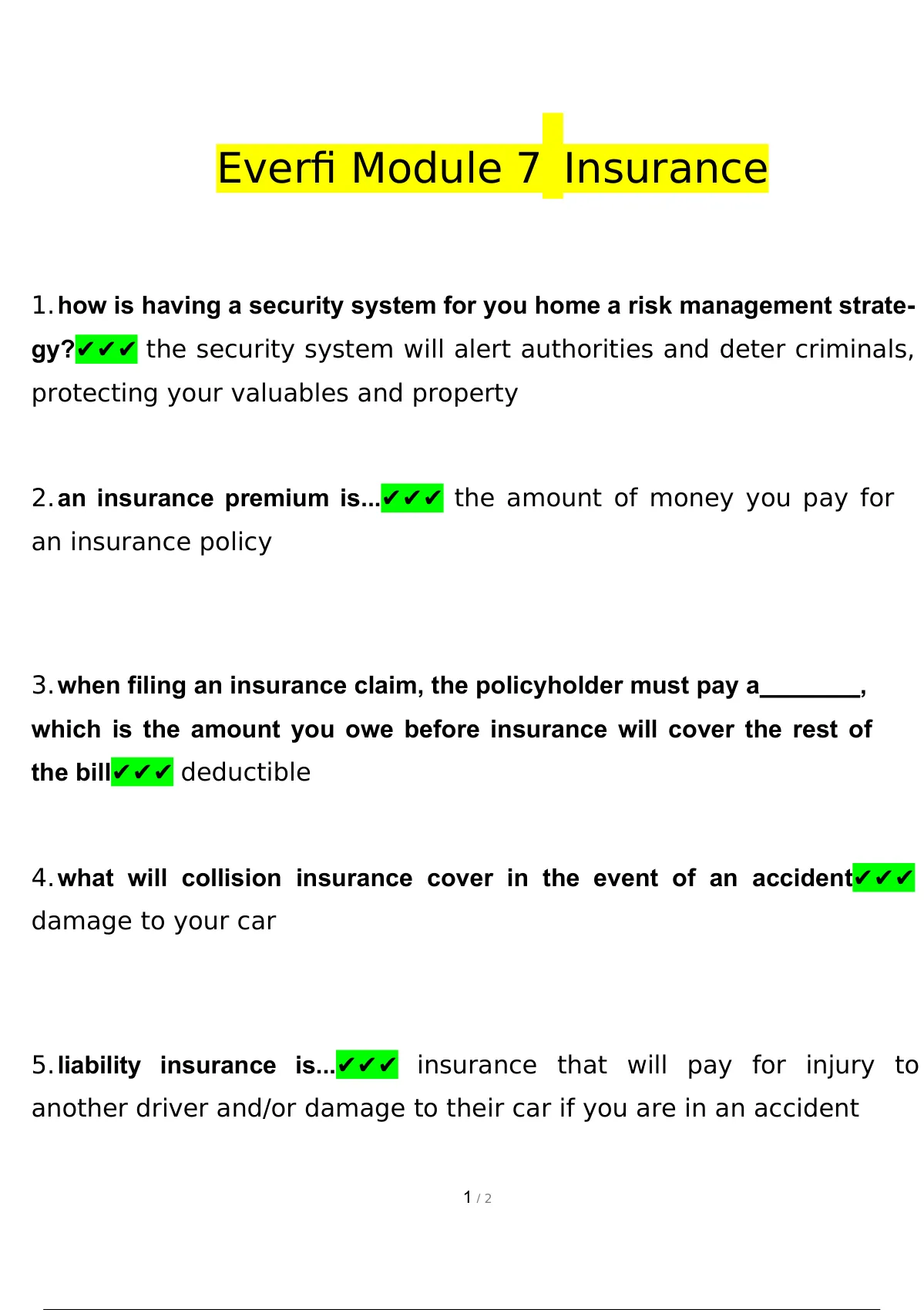
Virtually every state and jurisdiction mandates that drivers carry a minimum level of auto insurance. This legal requirement is not arbitrary; it’s a societal mechanism designed to ensure that if a driver causes an accident, there are financial resources available to compensate those who are harmed. Without this mandate, victims of accidents caused by uninsured drivers would often be left to bear the full burden of medical bills, vehicle repairs, and lost wages, leading to widespread financial distress and an overburdened legal system.
Minimum coverage typically includes liability insurance, which covers damages and injuries you inflict upon others. This legal imperative creates a shared responsibility among all drivers, pooling resources to manage the collective risk of accidents. Failing to comply with these laws can result in significant penalties, including fines, license suspension, vehicle impoundment, and even jail time, highlighting the seriousness with which this financial obligation is viewed by legal authorities.
Protecting Your Assets from Liability
Beyond simply obeying the law, the financial safeguard aspect of auto insurance is perhaps its most compelling purpose. The costs associated with a serious car accident can be staggering. If you are found at fault for an accident, you could be held legally responsible for:
- Property Damage: Repairs or replacement of other vehicles, damage to public property (e.g., street signs, guardrails), or private property (e.g., fences, buildings).
- Bodily Injury: Medical expenses for injured parties, including emergency care, surgeries, rehabilitation, and long-term care. This can also include compensation for pain and suffering, lost wages, and permanent disability.
- Legal Fees: Costs associated with defending yourself in a lawsuit, even if you are ultimately not found liable.
Without adequate liability insurance, these costs would fall directly on your shoulders, potentially leading to financial ruin. A judgment against you could result in the seizure of your assets, garnishment of your wages, and a devastating impact on your credit score and future financial stability. Auto insurance acts as a shield, absorbing these costs up to your policy limits, thereby protecting your personal savings, investments, and future earning potential.
Beyond the Basics: Comprehensive Coverage for Every Scenario
While liability insurance covers damages you cause to others, the purpose of auto insurance extends far beyond this foundational requirement. A full range of coverage options exists to protect your own vehicle and your well-being, addressing a broader spectrum of risks.
Collision and Comprehensive Coverage Explained
These two types of coverage are crucial for protecting your own vehicle, regardless of fault.
- Collision Coverage: This pays for damages to your own car resulting from a collision with another vehicle, an object (like a tree or a pole), or a rollover, regardless of who is at fault. If your car is severely damaged or totaled in an accident, collision coverage ensures you can repair or replace it without draining your savings. It’s particularly important for newer or more valuable vehicles and for those who cannot easily afford significant out-of-pocket repair costs.
- Comprehensive Coverage: This protects your vehicle from non-collision-related incidents. This includes damage from events such as theft, vandalism, fire, natural disasters (hail, floods, falling trees), and collisions with animals. Comprehensive coverage addresses the reality that vehicle ownership exposes you to risks beyond just accidents involving other drivers, offering peace of mind against a wide array of unpredictable circumstances.
Personal Injury Protection and Medical Payments
Protecting your physical well-being, and that of your passengers, is another critical purpose of auto insurance.
- Personal Injury Protection (PIP): Available in “no-fault” states, PIP covers medical expenses for you and your passengers after an accident, regardless of who caused it. It can also cover lost wages and essential services (like childcare or household help) if you’re unable to perform them due to injury. PIP aims to expedite the payment of medical bills and reduce the need for lengthy legal battles to determine fault.
- Medical Payments Coverage (MedPay): Similar to PIP but typically with a narrower scope, MedPay covers medical expenses for you and your passengers after an accident, regardless of fault. It kicks in regardless of other health insurance you may have, often covering deductibles or co-pays that your health insurance might require. Both PIP and MedPay serve the purpose of ensuring immediate access to necessary medical care without the delay of fault determination or the burden of high out-of-pocket costs.
Guarding Against Uninsured and Underinsured Motorists

Despite legal mandates, some drivers still operate without adequate insurance. This presents a significant financial risk to responsible drivers.
- Uninsured Motorist (UM) Coverage: This protects you if you are hit by a driver who has no insurance and is at fault. It covers your medical expenses and, in some states, property damage, preventing you from incurring substantial costs due to another driver’s negligence and lack of financial responsibility.
- Underinsured Motorist (UIM) Coverage: This kicks in when the at-fault driver has insurance, but their policy limits are insufficient to cover your total damages or medical bills. UIM coverage makes up the difference between what the at-fault driver’s insurance pays and your total damages, up to your policy limit. Both UM and UIM coverage serve the vital purpose of protecting your financial stability from the irresponsibility or insufficient coverage of other drivers on the road.
Deconstructing Premiums and Deductibles: Factors Influencing Cost
Understanding the purpose of auto insurance also involves grasping how its cost is determined. Premiums and deductibles are key financial terms that directly influence your out-of-pocket expenses and the extent of your coverage.
Key Determinants of Your Insurance Premium
An insurance premium is the amount you pay regularly (monthly, semi-annually, or annually) to maintain your auto insurance policy. Insurers use a complex algorithm to assess risk and calculate premiums, considering numerous factors:
- Driving Record: A clean record with no accidents or traffic violations typically leads to lower premiums. Conversely, a history of accidents or tickets signals higher risk.
- Vehicle Type: The make, model, year, and safety features of your car significantly impact premiums. More expensive cars, sports cars, or vehicles with higher theft rates often have higher insurance costs.
- Location: Where you live and primarily drive influences rates. Urban areas with higher traffic density, crime rates, or extreme weather conditions generally have higher premiums.
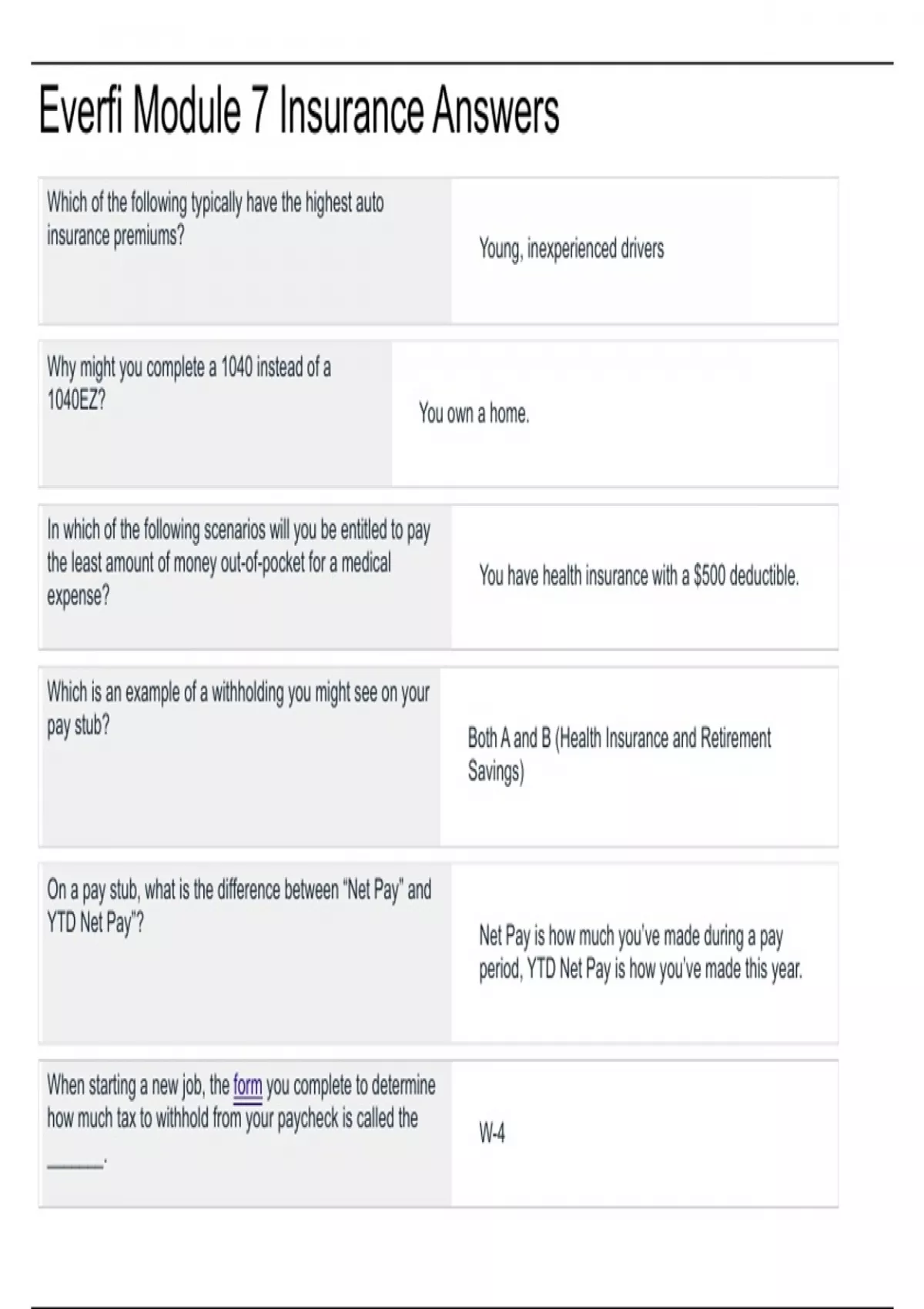
- Age and Gender: Younger, less experienced drivers (especially males) often face higher premiums due to statistical data indicating a higher likelihood of accidents.
- Credit Score: In many states, a good credit history is associated with lower insurance claims, leading to better rates.
- Coverage Choices: The types and limits of coverage you select directly impact your premium. More extensive coverage and higher limits mean higher premiums.
- Deductible Amount: This is the amount you agree to pay out-of-pocket before your insurance coverage begins to pay for a claim.
Understanding Deductibles and Their Impact
The deductible is a critical component of your auto insurance policy, particularly for collision and comprehensive coverages. Its purpose is to share the risk between the policyholder and the insurer and to discourage minor claims.
- Risk Sharing: A higher deductible means you are accepting more initial financial responsibility for a claim. In return, the insurance company charges you a lower premium.
- Cost Control: By requiring a deductible, insurers reduce the number of small claims they have to process, which helps keep overall insurance costs down for everyone.
- Financial Planning: Choosing a deductible requires a personal financial assessment. Can you comfortably afford a $500 or $1,000 deductible if an accident occurs? Your deductible choice should align with your emergency savings and risk tolerance. The purpose of understanding deductibles is to find the right balance between lower monthly premiums and an affordable out-of-pocket cost in the event of a claim.
Auto Insurance as a Core Component of Personal Financial Planning
Ultimately, the main purpose of auto insurance, from a personal finance perspective, is to serve as a vital risk management tool. It’s an investment in your financial security, protecting you from potentially devastating losses that could derail your financial goals and stability.
Mitigating Unforeseen Financial Shocks
Life is unpredictable, and accidents are an unfortunate reality of driving. Without auto insurance, a single accident could lead to:
- Erosion of Savings: Draining your emergency fund, retirement savings, or college funds to cover medical bills or vehicle repairs.
- Debt Accumulation: Forcing you to take on high-interest loans or credit card debt to cover accident-related expenses.
- Bankruptcy: In severe cases where liabilities are extensive, auto accidents can even lead to personal bankruptcy.
Auto insurance mitigates these financial shocks by transferring the financial burden of these risks to the insurance company. By paying a relatively small, predictable premium, you gain protection against potentially enormous, unpredictable costs, allowing your other financial assets to remain secure and grow.
Making Informed Decisions for Long-Term Financial Health
Understanding the purpose and mechanics of auto insurance empowers individuals to make informed decisions that contribute to their long-term financial health. It encourages:
- Budgeting for Premiums: Incorporating insurance costs into your regular budget as a fixed expense, rather than viewing it as a discretionary cost.
- Regular Policy Review: Periodically reviewing your coverage to ensure it still meets your needs as your life circumstances (e.g., purchasing a new car, getting married, changing driving habits) or financial situation evolve.
- Smart Risk Management: Understanding how your driving habits, vehicle choices, and even credit score affect your rates encourages responsible behavior and financial prudence.
In essence, auto insurance is more than just a piece of paper or a monthly bill; it is a fundamental element of a robust personal financial strategy, offering peace of mind and safeguarding your present and future financial well-being against the inherent risks of the road.
aViewFromTheCave is a participant in the Amazon Services LLC Associates Program, an affiliate advertising program designed to provide a means for sites to earn advertising fees by advertising and linking to Amazon.com. Amazon, the Amazon logo, AmazonSupply, and the AmazonSupply logo are trademarks of Amazon.com, Inc. or its affiliates. As an Amazon Associate we earn affiliate commissions from qualifying purchases.