
The Holy Triduum, a sacred period spanning from the evening of Maundy Thursday to the evening of Easter Sunday, represents the zenith of the Christian liturgical year. While deeply rooted in theological significance, from a strategic branding perspective, the Triduum functions as an unparalleled example of immersive brand experience, strategic narrative communication, and robust community engagement within a centuries-old “corporate identity”—that of a religious tradition. It’s an meticulously designed sequence of events that reinforces core values, strengthens brand loyalty, and communicates a foundational story with profound emotional resonance, acting as a crucial element in maintaining and propagating a global ‘brand.’

The Triduum as a Cornerstone of Religious Brand Identity
At its essence, the Triduum is far more than a series of historical commemorations; it is a meticulously crafted sequence designed to define and project the core identity of a major religious ‘brand.’ For institutions, especially those with long-standing histories, establishing and maintaining a distinct identity is paramount. The Triduum achieves this by providing a concentrated, multi-faceted experience that encapsulates the very essence of the faith.
Defining a Faith’s Unique Proposition
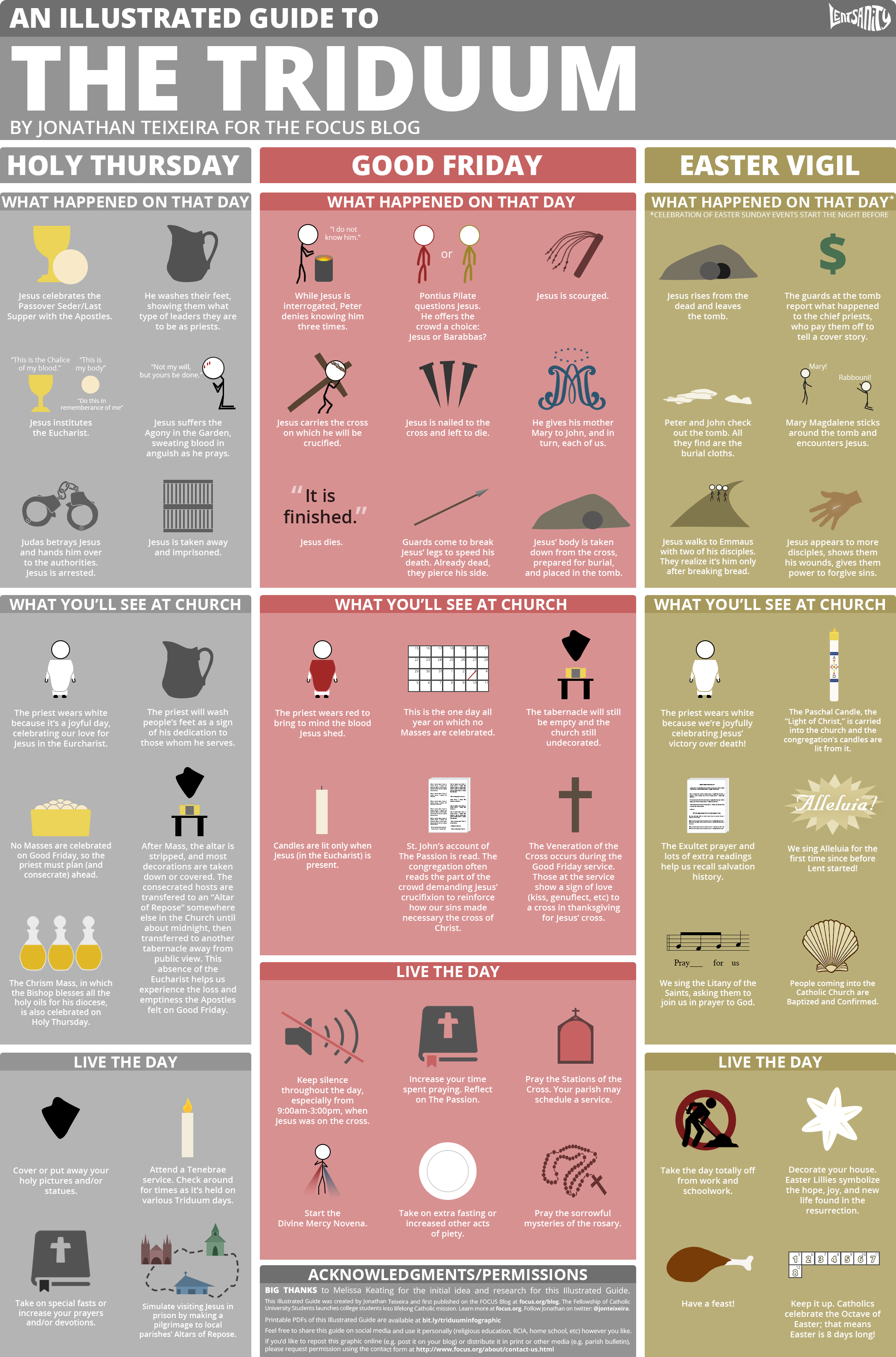
Every successful brand articulates a unique value proposition. For a religious institution, this proposition often revolves around spiritual truths, moral guidance, and a pathway to a greater purpose. The Triduum powerfully communicates these through direct, experiential engagement rather than mere abstract teaching. Maundy Thursday, commemorating the Last Supper and the institution of the Eucharist, immediately establishes concepts of service, community, and divine presence. Good Friday, focusing on sacrifice and redemption, articulates the brand’s core message of transformative love and the cost of salvation. Holy Saturday and the Easter Vigil then pivot to themes of hope, renewal, and triumph over adversity, encapsulating the ultimate promise of the brand. This progression is a masterful exercise in sequential branding, building anticipation and deepening understanding of the ‘product’ (faith and its benefits) over a concentrated period. It clearly defines what the ‘brand’ stands for and what it offers its ‘consumers’ (the faithful).
Rituals as Embodied Brand Values
Brand values are often abstract concepts, but the Triduum transforms them into tangible, embodied experiences. The Washing of the Feet on Maundy Thursday is a physical demonstration of humility and servant leadership, values frequently espoused but rarely so viscerally enacted. The veneration of the Cross on Good Friday is a direct engagement with sacrifice and devotion. The lighting of the Paschal Candle and the renewal of baptismal vows at the Easter Vigil are powerful affirmations of new life and covenant, representing a ‘relaunch’ or ‘recommitment’ to the brand. These rituals are not just symbolic; they are performative acts that compel participants to internalize and actively live out the brand’s core values. This experiential learning is a highly effective method of reinforcing brand messaging, making it sticky and deeply personal for each individual within the larger community. It’s the difference between hearing about a brand’s commitment to sustainability and participating in a brand-sponsored clean-up event; the latter creates a much stronger and more lasting impression.
Strategic Narrative: Communicating the Core Story
Every compelling brand has a story, and a powerful narrative is crucial for connection and memorability. The Triduum masterfully employs strategic storytelling to communicate the foundational narrative of the Christian faith. This is not simply recounting history; it is an immersive re-telling designed to evoke empathy, foster identification, and inspire action.
The Passion, Death, and Resurrection as a Central Brand Message
The narrative arc of the Triduum—from the fellowship of the Last Supper, through the agony of the Passion and crucifixion, to the triumph of the Resurrection—is arguably one of the most enduring and impactful stories in human history. From a branding perspective, this narrative serves as the ultimate case study in overcoming adversity, demonstrating resilience, and delivering on a core promise. Each day builds upon the previous, creating a crescendo of emotional and spiritual intensity. Maundy Thursday sets the stage with themes of betrayal and institution. Good Friday plunges the audience into despair and loss, meticulously detailing the ‘product’s’ ultimate sacrifice. Holy Saturday represents a period of suspense, a ‘dark night of the soul,’ before the explosive reveal of Easter Sunday. This sequential unfolding is akin to a multi-part marketing campaign, where each installment reveals more about the product’s journey and ultimate benefit, culminating in a powerful, redemptive conclusion. The consistent and repetitive nature of this narrative, year after year, ensures its penetration and lasting impact on the ‘target audience.’
Engaging the Audience Through Experiential Storytelling
Modern marketing emphasizes experiential engagement, and the Triduum excels at this. It doesn’t just tell the story; it invites participants to live it. The stripping of the altars on Maundy Thursday visually represents desolation. The silence and solemnity of Good Friday mass immerses attendees in grief. The darkness preceding the lighting of the Paschal Candle at the Vigil intensifies the subsequent joy and light of the Resurrection. These aren’t passive observations; they are active participations in a collective drama. Through fasting, prayer, communal services, and symbolic actions, individuals are drawn into the narrative, making the abstract truths concrete and personally relevant. This deep level of engagement ensures that the brand’s story is not merely understood intellectually but felt emotionally, leading to stronger identification and loyalty.
Community Building and Brand Loyalty
A robust brand fosters a sense of community among its users, creating a loyal base. The Triduum is a masterclass in cultivating this communal identity and strengthening participant loyalty through shared, intense experiences.
Fostering Engagement Through Shared Experience
The communal nature of the Triduum is a powerful driver of brand loyalty. Participants undergo a shared journey of reflection, sorrow, and ultimately, joy. This collective experience, amplified by shared rituals, hymns, and prayers, creates a strong bond among individuals. Just as attending a concert or sporting event creates a sense of camaraderie among fans, participating in the Triduum strengthens the sense of belonging within the faith community. The shared emotional highs and lows, the collective anticipation of Easter, and the synchronized actions within liturgical services reinforce the idea that participants are part of something larger than themselves. This communal identification is a cornerstone of brand loyalty, turning individual ‘consumers’ into dedicated ‘advocates’ for the faith.
Reinforcing Affiliation and Commitment
The Triduum serves as an annual ‘renewal campaign’ for the faithful. By actively participating, individuals are reaffirming their affiliation with the ‘brand’ and recommitting to its values and principles. This repeated, intentional engagement helps to solidify their identity as members of the faith. For new adherents, especially catechumens often initiated at the Easter Vigil, it’s a profound ‘onboarding’ experience that immediately immerses them in the most significant aspects of the brand’s identity and story. The intensity and duration of the Triduum ensure that this recommitment is not superficial but deeply considered, reinforcing their place within the brand ecosystem and their dedication to its enduring mission.
Design and Sensory Branding within the Triduum
Beyond narrative and community, the Triduum also demonstrates sophisticated application of sensory branding and environmental design to enhance the overall experience.
Liturgical Elements as Visual and Auditory Cues
The Triduum employs a rich tapestry of sensory cues to create its immersive experience. Visually, the stripping of the altars, the starkness of Good Friday, the darkness of Holy Saturday night, and the subsequent explosion of light and flowers on Easter Sunday are deliberate design choices that guide emotional responses. Auditory cues, such as the silence after the Gloria on Maundy Thursday, the solemn chants of Good Friday, and the joyful pealing of bells at the Easter Vigil, are precisely orchestrated. These elements are analogous to a brand’s visual identity (logo, color palette) and sonic branding (jingles, sound design), working in concert to create a distinct and memorable atmosphere that reinforces the core message and evokes specific feelings.
Environmental Design and Experiential Consistency
The church environment itself is transformed throughout the Triduum, acting as a dynamic stage for the unfolding drama. This environmental design ensures experiential consistency. From the arrangement of crosses and candles to the vestments worn by clergy, every detail is carefully managed to align with the message of each day. This level of meticulous design creates a fully immersive experience that removes distractions and focuses attention on the central narrative. It is akin to a retail store meticulously designing its layout, lighting, and music to create a specific brand experience, guiding the ‘customer’ through a carefully curated journey.
Preserving and Evolving the Brand Legacy
For any brand to endure for millennia, it must possess mechanisms for preservation and, paradoxically, for adapting its relevance. The Triduum plays a critical role in both.
The Role of Tradition in Brand Longevity
The consistent annual observance of the Triduum is a powerful mechanism for brand preservation. It ensures that the core story, values, and rituals are transmitted faithfully from one generation to the next. This unbroken chain of tradition reinforces authenticity and heritage, key aspects of brand equity for long-standing institutions. It communicates stability and reliability, assuring followers of the brand’s enduring truth and relevance.

Adapting Relevance Across Generations
While tradition preserves, the Triduum also offers avenues for contemporary relevance. Each generation experiences the Triduum through its own cultural lens, finding new meanings and applications within the timeless narrative. Homilies and reflections, while rooted in tradition, can address contemporary challenges, ensuring that the brand’s message remains resonant. This dynamic interplay between immutable tradition and evolving interpretation allows the ‘brand’ to maintain its core identity while continuously engaging new audiences, proving its remarkable adaptability and sustained power across diverse historical and cultural landscapes. The Holy Triduum, therefore, stands as an exemplary model of comprehensive brand strategy in action, demonstrating how deep narrative, immersive experience, and strong community building can sustain an identity through millennia.
aViewFromTheCave is a participant in the Amazon Services LLC Associates Program, an affiliate advertising program designed to provide a means for sites to earn advertising fees by advertising and linking to Amazon.com. Amazon, the Amazon logo, AmazonSupply, and the AmazonSupply logo are trademarks of Amazon.com, Inc. or its affiliates. As an Amazon Associate we earn affiliate commissions from qualifying purchases.