
The Unseen Foundation: Standard Counter Height as a Cornerstone of Brand Design
In the intricate world of kitchen design and manufacturing, every dimension and detail contributes to a brand’s identity, user experience, and market positioning. While often overlooked by the casual observer, the height of a standard kitchen counter is a prime example of a fundamental design decision that underpins a brand’s commitment to functionality, comfort, and broad appeal. It’s not merely a measurement; it’s a strategic choice reflecting an understanding of human ergonomics and an adherence to industry best practices that ultimately shapes a brand’s reputation for quality and thoughtfulness.

Ergonomics and User Experience: The Brand Promise
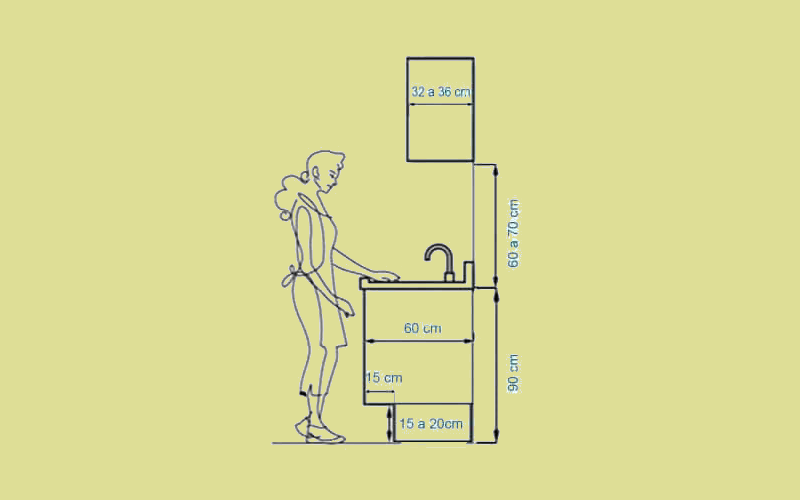
The generally accepted standard height for kitchen counters in the United States is 36 inches (91.44 cm) from the finished floor to the top of the countertop surface. This measurement isn’t arbitrary; it’s the result of extensive ergonomic studies and practical evolution, designed to accommodate the average adult comfortably for a variety of kitchen tasks. For brands in the kitchen sector—whether they are manufacturers of cabinetry, countertop materials, or full-service design firms—adhering to this standard is a critical aspect of their brand promise. A brand that consistently delivers comfortable, functional workspaces signals an inherent understanding of its customers’ needs and a commitment to their well-being.
Consider the implications of deviating significantly from this standard without a specific, well-articulated reason. Too low, and users may experience back strain; too high, and tasks like chopping or stirring become awkward and tiring. These subtle discomforts, while perhaps not immediately attributable to counter height by the end-user, can collectively diminish the perception of a kitchen’s quality and usability. A brand that ignores these ergonomic principles risks undermining its reputation for design excellence and customer satisfaction. Conversely, a brand that champions accessible or universal design might offer multiple heights, but even then, the standard 36-inch counter often serves as the baseline from which thoughtful variations are developed. This commitment to user-centric design becomes a powerful differentiator, forming the bedrock of a positive brand experience.
Historical Precedent and Industry Consensus: Building Trust and Authority
The standardization of kitchen counter height also speaks to a broader industry consensus, which brands leverage to build trust and authority. When a brand designs and installs kitchens that conform to widely accepted standards, it demonstrates a knowledge of industry best practices and a commitment to interoperability with other kitchen components, such as appliances. Imagine the logistical nightmare and potential brand damage if every appliance manufacturer designed their dishwashers and ranges for wildly varying counter heights. The 36-inch standard facilitates seamless integration, ensuring that a brand’s cabinets and countertops will align perfectly with standard-sized appliances, enhancing the aesthetic appeal and functionality of the entire kitchen.
For a design firm, recommending and implementing standard heights builds client confidence. It positions the firm as knowledgeable, reliable, and experienced. For a cabinet manufacturer, consistently producing units designed for a 36-inch counter height signifies a robust quality control process and a deep understanding of market needs. This adherence isn’t about stifling creativity; it’s about providing a reliable foundation from which innovative design can spring. Brands that successfully marry standard functionality with unique aesthetics are often those that command the most respect and loyalty in the marketplace. By understanding and respecting the standard, brands affirm their professionalism and their commitment to delivering a product that is not only beautiful but also inherently practical and durable.
Differentiating Through Design: How Brands Leverage or Subvert the Standard
While 36 inches represents the standard, forward-thinking brands understand that true differentiation lies not just in adherence, but in thoughtful application, adaptation, or even deliberate subversion of this norm. How a brand chooses to interact with the standard counter height can eloquently communicate its core values, target demographic, and unique selling proposition. This strategic interplay with established dimensions is a powerful tool in shaping brand identity.
Universal Design as a Brand Value
For brands committed to inclusivity and accessibility, universal design principles offer a compelling pathway to differentiation. Instead of a single, static standard, these brands might integrate multi-level countertops, offering sections at 30 inches (76.2 cm) for wheelchair users or seated tasks, alongside the traditional 36-inch (91.44 cm) height. This approach signals a deep empathy for a diverse user base and positions the brand as a leader in creating spaces that are truly welcoming and functional for everyone. Brands that champion universal design often cultivate a loyal following among those who value practical solutions for varied needs. Their marketing narrative can highlight these thoughtful variations, emphasizing convenience, independence, and a commitment to creating homes that adapt to life’s changing demands. This isn’t just a design choice; it’s a profound statement about the brand’s ethical stance and its dedication to a broader societal good, resonating deeply with conscious consumers.
Bespoke Solutions: Crafting a Luxury Brand Experience
At the other end of the spectrum, luxury brands often differentiate by offering highly customized solutions that transcend the “standard” entirely. While they may start with the 36-inch baseline, these brands excel at tailoring counter heights to the specific stature and preferences of individual clients. A tall chef might require a 38-inch counter for optimal comfort, while a shorter homeowner might find a 34-inch height more ergonomic for baking. This level of personalized service is a hallmark of luxury branding.
For these brands, the ability to deviate from the standard and meticulously craft a kitchen perfectly suited to the client’s unique physique and lifestyle is a core part of their value proposition. It’s about more than just aesthetics; it’s about delivering an unparalleled level of comfort, functionality, and exclusivity. The brand’s identity becomes synonymous with bespoke craftsmanship, attention to detail, and a commitment to creating truly one-of-a-kind spaces. The narrative here is less about meeting a standard and more about transcending it, offering a tailored experience that justifies a premium price point and fosters an elite brand image.
The Modular Advantage: Innovation in Standardized Offerings
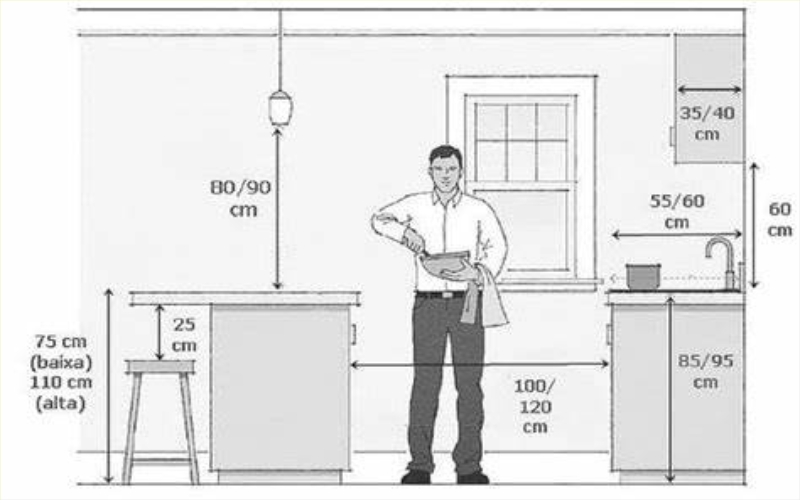
Some innovative brands navigate the standard by offering modular kitchen systems that allow for greater flexibility without resorting to full custom builds. These brands might offer cabinetry bases in varying heights or incorporate adjustable leg systems that allow the end-user or installer to fine-tune the counter height within a certain range. This approach caters to consumers seeking a balance between standardization and personalization.
By providing modularity, these brands empower customers with a degree of control over their kitchen ergonomics, distinguishing themselves from competitors who offer only fixed dimensions. This “configurable standard” approach appeals to a segment of the market that values adaptability, future-proofing, and self-expression within a more accessible price point than fully bespoke options. The brand message here is often about smart design, empowering choices, and modern living, showcasing how intelligent engineering can make the standard more versatile and user-friendly without sacrificing quality or breaking the bank.
Communicating Design Excellence: Marketing Counter Height as a Brand Asset
In a competitive market, merely meeting industry standards isn’t enough; brands must effectively communicate their commitment to design excellence, including the thoughtful consideration of counter heights. How a brand articulates its approach to these fundamental dimensions can significantly influence consumer perception and drive sales. Marketing isn’t just about glossy images; it’s about telling a story that highlights the underlying intelligence and care behind every design decision.
Visual Storytelling: Showcasing the Ergonomic Advantage
Effective marketing utilizes visual storytelling to convey the benefits of well-designed kitchen ergonomics. Instead of simply listing “36-inch standard counter height” in a product description, brands can showcase diverse individuals comfortably performing various tasks in their kitchens. Imagine marketing visuals featuring a tall individual effortlessly chopping vegetables on a customized higher counter, or a child happily participating in baking activities at a lower, integrated workstation. These images communicate the brand’s understanding of diverse user needs and its ability to deliver tailored solutions.
Beyond direct usage, brands can use sophisticated renderings or virtual reality tours to allow prospective customers to visualize themselves within the space. Highlighting specific ergonomic zones—a baking station at 32 inches, a main prep area at 36 inches, a breakfast bar at 42 inches—can educate the consumer on the value of thoughtful height differentiation. This visual emphasis on functionality and comfort directly reinforces the brand’s image as one that prioritizes the user experience and offers intelligent, livable designs, going beyond mere aesthetics to promise tangible daily benefits.
Educating the Consumer: Building Brand Loyalty Through Information
Beyond visuals, brands that proactively educate their consumers about the significance of counter height build a deeper level of trust and loyalty. Blog posts, detailed guides, and informative videos can explain the ergonomic principles behind standard heights, the benefits of customized dimensions, and the options available within a brand’s product line. This positions the brand as a knowledgeable expert and a trusted advisor, rather than just a seller.
For instance, a brand might publish an article titled “The Perfect Fit: How Your Kitchen Counter Height Impacts Your Well-being,” offering actionable advice on how to determine ideal heights for individual users. This educational content not only demonstrates the brand’s expertise but also empowers customers to make informed decisions. By providing valuable information that helps consumers understand the “why” behind design choices, brands foster a sense of partnership. This commitment to transparency and education transforms a functional detail like counter height into a strategic brand asset, reinforcing the brand’s credibility and establishing it as a go-to resource in kitchen design.
Operationalizing Brand Standards: Supply Chain and Installation Perspectives
The commitment to delivering precise and ergonomically sound counter heights extends far beyond the design phase; it permeates a brand’s entire operational framework, from manufacturing to the final installation. The consistent execution of these standards across the supply chain and through professional installation is critical for maintaining brand integrity and ensuring the ultimate customer experience matches the brand promise.
Quality Control and Consistency: Reinforcing Brand Integrity
For kitchen manufacturers, strict quality control at every stage of production is paramount to upholding brand standards related to counter height. This means precise cutting of cabinetry, accurate fabrication of countertops, and consistent dimensioning of all components. Any deviation can lead to an uneven or ill-fitting final product, which directly impacts the perceived quality and craftsmanship of the brand. A cabinet brand known for its precision and reliability invests heavily in machinery, processes, and personnel training to ensure that every base cabinet leaves the factory at the exact specified height, ready to support a perfectly level countertop.
This meticulous attention to detail in manufacturing reinforces the brand’s reputation for excellence. When designers and installers consistently receive components that meet precise specifications, it streamlines their work and enhances their confidence in the brand. This operational consistency reduces errors, minimizes rework, and ultimately protects the brand’s bottom line while solidifying its image as a dependable, high-quality supplier in the market. It’s a silent, yet powerful, testament to the brand’s commitment to delivering on its promise.
Professionalism in Installation: The Final Touch of Brand Experience
Even the most perfectly manufactured components can be compromised by shoddy installation. Therefore, a brand’s commitment to optimal counter height extends to the professionalism and expertise of its installation teams or network of certified installers. These professionals are the final touchpoints for the customer, and their ability to accurately and precisely install cabinets and countertops at the intended height is crucial for solidifying the brand experience. Ensuring level surfaces, proper alignment with appliances, and secure fastening all contribute to the functional integrity and aesthetic appeal of the finished kitchen.
Brands that prioritize the final installation often provide extensive training, detailed guidelines, and ongoing support to their installers. They understand that a beautifully designed kitchen, flawlessly installed to the perfect ergonomic height, becomes a tangible embodiment of their brand’s promise of quality, comfort, and lasting value. Conversely, an uneven counter or a poorly integrated appliance due to incorrect height can quickly erode a brand’s reputation, regardless of the initial product quality. Thus, the installer acts as an ambassador, translating the brand’s design principles into a tangible reality, and completing the cycle of a brand experience built on precision and user-centric design.
aViewFromTheCave is a participant in the Amazon Services LLC Associates Program, an affiliate advertising program designed to provide a means for sites to earn advertising fees by advertising and linking to Amazon.com. Amazon, the Amazon logo, AmazonSupply, and the AmazonSupply logo are trademarks of Amazon.com, Inc. or its affiliates. As an Amazon Associate we earn affiliate commissions from qualifying purchases.