
In the intricate tapestry of brand strategy, the selection of a compelling symbol is far from a mere aesthetic choice; it is a profound declaration of identity, values, and aspiration. Brands meticulously choose elements that resonate deeply with their target audience, aiming to forge an emotional connection and communicate complex ideas at a glance. Among the myriad natural world inspirations, the dragonfly emerges as a potent and multifaceted symbol, rich with ancient meanings that can be strategically harnessed in contemporary branding. Understanding its core symbolism is crucial for any brand considering incorporating such a powerful emblem into its corporate identity, marketing, or design.

The Enduring Appeal of Natural Symbolism in Branding
The human psyche is inherently drawn to patterns and metaphors found in nature. For millennia, cultures across the globe have ascribed profound meanings to animals, plants, and natural phenomena, creating a universal language of symbolism that transcends linguistic barriers. Brands, in their quest for authenticity and resonance, frequently tap into this wellspring of established meaning.
Beyond Aesthetics: Why Symbols Resonate
A logo is more than just a picture; it is the visual shorthand for a brand’s entire promise. When a brand selects a natural symbol like the dragonfly, it’s not simply admiring its delicate wings or iridescent body. It’s embracing the accumulated wisdom, cultural interpretations, and emotional responses that the symbol evokes. These established meanings provide a ready-made narrative framework, allowing a brand to communicate nuanced messages without extensive verbal explanations. The inherent beauty and complexity of natural elements also lend an organic authenticity that can be challenging to replicate with purely abstract designs. This pre-loaded meaning contributes significantly to brand recognition, memorability, and the psychological impact on consumers, establishing a subconscious connection before explicit brand messaging even begins.
The Power of Pre-Existing Meanings
Leveraging pre-existing symbolic meanings offers a significant advantage in brand communication. Instead of building associations from scratch, which can be a costly and time-consuming endeavor, brands can tap into an already established symbolic lexicon. The dragonfly, for instance, carries a rich historical and cultural baggage that instantly communicates certain attributes. This can accelerate the process of brand perception and foster a deeper, more intuitive understanding among consumers. It allows for a more efficient transfer of values from the symbol to the brand, making the brand identity feel more grounded and timeless. When consumers encounter a dragonfly within a brand’s visual identity, their mind unconsciously processes the deeper meanings associated with it, influencing their perception of the brand’s character and offerings.
Decoding the Dragonfly’s Core Symbolic Meanings
The dragonfly’s multifaceted nature makes it an exceptionally versatile symbol for branding. Its symbolism is derived from its unique life cycle, physical characteristics, and behavior. Each facet offers a distinct strategic angle for brand positioning.
Transformation and Adaptability: A Metaphor for Evolution
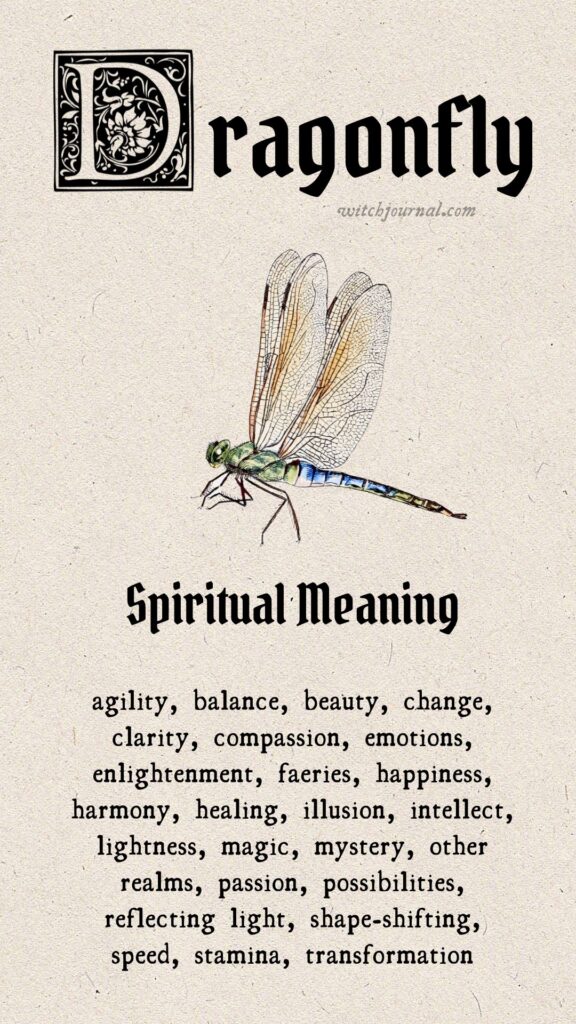
Perhaps the most prominent symbolism of the dragonfly is its association with transformation. Its life begins in water as a nymph, undergoing a complete metamorphosis before emerging as a magnificent winged insect. This profound change makes the dragonfly a powerful emblem for evolution, growth, and the ability to adapt to new circumstances. For brands, this can translate into a corporate identity that signifies innovation, resilience, and a forward-thinking approach. Companies undergoing significant shifts, those pioneering new technologies, or brands that empower their customers through personal development and change, can effectively align with this core meaning. It speaks to a brand’s capacity for renewal, its ability to navigate challenges, and its commitment to continuous improvement, resonating with an audience that values progress and dynamic evolution.
Clarity and Vision: A Focus on Perception
Dragonflies possess an extraordinary visual system, with large, multifaceted eyes that grant them nearly 360-degree vision. This exceptional perceptual ability positions the dragonfly as a symbol of clarity, insight, and acute vision. In a branding context, this can represent a company dedicated to providing clear solutions, deep understanding, or unparalleled foresight. Brands in data analytics, consulting, market research, or any field emphasizing precision, insight, and strategic vision could find the dragonfly a perfect metaphor. It suggests a brand that sees beyond the superficial, offering profound perspectives and guiding clients with unwavering clarity. This attribute projects an image of expertise, reliability, and an unwavering focus on the future, making the brand a trusted guide.
Emotional Depth and Self-Realization: Embracing Inner Change
Beyond its physical transformation, the dragonfly is also often linked to deeper psychological and emotional shifts. It symbolizes the ability to shed old illusions, embrace one’s true self, and achieve self-realization. This spiritual dimension makes it particularly potent for brands in the wellness, personal development, or luxury sectors that seek to evoke a sense of introspection, inner peace, and profound personal growth. A brand that helps individuals unlock their potential, find their purpose, or connect with their deeper emotions could strategically leverage the dragonfly’s symbolism. It communicates a brand ethos focused on authenticity, emotional intelligence, and the journey towards inner harmony, fostering a strong emotional bond with consumers seeking personal enrichment.
Prosperity and Good Fortune: A Positive Omen

In several cultures, the dragonfly is also considered a harbinger of good luck, prosperity, and joy. Its vibrant colors and graceful flight are often associated with lightness of being and positive outcomes. This more benevolent symbolism can be invaluable for brands aiming to convey optimism, success, and a positive outlook. Financial services, investment firms, lifestyle brands, or even products designed to bring comfort and happiness could subtly infuse this aspect of the dragonfly’s meaning into their brand narrative. It suggests a brand that supports its customers’ aspirations for abundance and well-being, associating itself with fortunate ventures and a brighter future. This association can instill confidence and a sense of hope, drawing consumers who are seeking positive reinforcement and auspicious connections.
Strategic Brand Integration: Harnessing the Dragonfly’s Essence
Effectively integrating the dragonfly’s symbolism into a brand goes beyond merely placing its image on a logo. It requires a holistic approach that weaves its essence throughout the brand’s entire corporate identity and communication strategy.
Aligning Values with Visual Identity
The first step is to ensure that the chosen symbolic meanings of the dragonfly genuinely align with the brand’s core values, mission, and vision. If a brand values innovation and adaptability, the “transformation” aspect of the dragonfly is a natural fit. If clarity and insight are paramount, its “vision” becomes the focal point. This alignment ensures authenticity. Once aligned, the visual identity—logo design, color palette, typography—should subtly reflect these chosen attributes. For example, iridescent colors or dynamic, flowing lines can evoke the dragonfly’s ethereal movement and change. A sleek, precise illustration might emphasize its clarity and vision, while a more abstract, ethereal depiction could lean into its emotional depth.
Crafting Compelling Narratives
A symbol, however powerful, needs a story. Brands must weave the chosen dragonfly symbolism into their brand narrative, their marketing campaigns, and their communication touchpoints. This means articulating how the brand embodies transformation, offers clear vision, or fosters personal growth. The brand’s messaging should consistently echo these themes, creating a cohesive and memorable story. For instance, a tech startup using the dragonfly symbol might tell a story about evolving outdated systems with visionary solutions, emphasizing adaptability and foresight. A wellness brand might focus on the journey of self-discovery and transformation, leveraging the emotional depth aspect. These narratives help consumers understand the brand’s purpose and connect with it on a deeper, more meaningful level.
Design Elements and Brand Messaging
The dragonfly’s aesthetic qualities—its slender body, delicate wings, and vibrant colors—offer a wealth of design inspiration. These elements can be abstracted or directly referenced in packaging, website design, advertising visuals, and product aesthetics. Beyond visual elements, the brand’s tone of voice, slogans, and taglines should reinforce the chosen symbolism. For example, a tagline like “Envisioning Tomorrow, Today” would resonate with the clarity and vision aspect, while “Transform Your Potential” speaks to adaptation and growth. The overall brand experience, from customer service to product functionality, should also reflect these underlying values, creating a consistent and immersive brand world where the dragonfly’s symbolism truly takes flight.
Case Study Considerations: When the Dragonfly Flies for Your Brand
Selecting the right symbol requires careful consideration of industry context, target audience, and competitive landscape. The dragonfly’s versatility means it can suit a range of sectors, but its application must be strategic.
Identifying the Right Fit for Different Industries
The adaptability of the dragonfly makes it suitable for diverse industries. A software company focused on digital transformation might adopt it to signify innovation and evolving solutions. A consulting firm specializing in strategic foresight could leverage its vision and clarity. A luxury spa or wellness brand might embrace its symbolism of emotional depth and self-realization. An artisanal craft brand or a jeweler could be drawn to its beauty and the idea of delicate, precise craftsmanship. The key is to identify which of the dragonfly’s numerous attributes most strongly aligns with the brand’s core offering and market position. This targeted application ensures the symbol communicates the most relevant message, avoiding generic interpretations.
Potential Pitfalls and Nuances in Symbol Adoption
While powerful, symbolic branding is not without its challenges. One pitfall is choosing a symbol without fully understanding its multifaceted meanings across different cultures. While the dragonfly generally carries positive connotations, it’s essential to conduct thorough research to ensure no unintended negative associations exist within specific target demographics. Another challenge is the risk of generic application; merely using a dragonfly image without integrating its deeper meaning into the brand narrative can render the symbol ineffective. Brands must also consider differentiation. If several competitors in a niche adopt similar natural symbols, the brand risks blending in rather than standing out. Nuance is key: a brand must articulate which aspect of the dragonfly’s symbolism it embodies and how it manifests uniquely within its brand experience, ensuring a distinctive and impactful presence.
The Future of Symbolic Branding: Authenticity and Impact
In an increasingly saturated marketplace, authenticity and impact are paramount. Brands that successfully leverage symbols like the dragonfly do so by forging a genuine connection between the symbol’s inherent meaning and their brand essence. The dragonfly, with its rich tapestry of transformation, clarity, emotional depth, and prosperity, offers a powerful palette for strategic branding. By understanding and deliberately applying these meanings, brands can craft identities that not only capture attention but also resonate deeply, communicate effectively, and endure across changing market landscapes. The future of symbolic branding lies in this thoughtful, authentic integration, allowing brands to tell compelling stories that transcend products and services, creating meaningful relationships with their audiences.
aViewFromTheCave is a participant in the Amazon Services LLC Associates Program, an affiliate advertising program designed to provide a means for sites to earn advertising fees by advertising and linking to Amazon.com. Amazon, the Amazon logo, AmazonSupply, and the AmazonSupply logo are trademarks of Amazon.com, Inc. or its affiliates. As an Amazon Associate we earn affiliate commissions from qualifying purchases.