
The terms “murder” and “capital murder” often evoke images of grave legal proceedings and severe consequences. While both involve the unlawful taking of a human life, the distinction between them carries profound implications, not just legally and ethically, but also economically. From the costs of prosecution and defense to the long-term societal and individual financial burdens, understanding this difference through a monetary lens reveals layers of complexity impacting personal finance, public budgets, and the very fabric of a nation’s economic health.
The Core Legal Distinction and Its Financial Roots
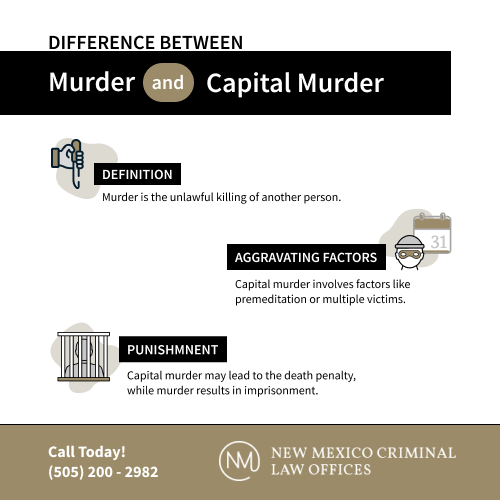
At its heart, murder is generally defined as the unlawful killing of another human being with malice aforethought. This intent, often presumed or implied, differentiates murder from lesser forms of homicide like manslaughter. Capital murder, however, elevates this already heinous crime by attaching specific “aggravating factors” that make it eligible for the most severe punishment available in a jurisdiction, often the death penalty or life imprisonment without parole. These aggravating factors are where the financial implications begin to diverge significantly, fueling an entirely different cost structure for the justice system and society at large.
Defining Murder Beyond Intent: Financial Implications
When an individual is charged with simple murder, the legal process, while expensive, often follows a more predictable financial trajectory. Defense costs, though substantial, typically remain within certain bounds, shaped by the complexity of the case, the jurisdiction, and the resources of the accused. For victims’ families, the immediate financial shock includes funeral expenses, potential loss of income from the deceased, and the costs of grief counseling or therapy. These immediate burdens often necessitate financial planning, sometimes involving legal action to recover damages, which itself incurs further legal fees. The state, on its part, bears the cost of investigation, prosecution, judicial proceedings, and, if a conviction occurs, the long-term expense of incarceration. These are baseline costs that, while significant, are magnified dramatically when the crime escalates to capital murder.
Capital Murder: Aggravating Factors and Exorbitant Costs
Capital murder is distinguished by elements that make the crime particularly egregious. Common aggravating factors include the murder of a police officer, murder committed during another felony (e.g., robbery, kidnapping, rape), multiple murders, murder for hire, torture, or the murder of a child. It is these factors that trigger an entirely different financial apparatus. The legal and financial resources poured into a capital murder case are exponentially higher than those for a standard murder case. Prosecutors invest more heavily in investigations, expert witnesses, and jury selection, understanding the gravity of seeking a death sentence. Defense teams, often constitutionally mandated to provide robust representation in capital cases, likewise require extensive resources for investigations, mitigation specialists, and appeals. This translates into staggering financial outflows from both public coffers and, if applicable, the personal wealth of the accused or their families. The very decision to pursue a capital charge is, from a financial standpoint, a commitment to a substantially more expensive and protracted legal battle.
The Economic Burden of Justice: Prosecution and Defense
The judicial process for any murder charge is costly, but the financial disparity between prosecuting a standard murder case and a capital murder case is stark. This difference manifests in every stage, from pre-trial motions to post-conviction appeals, creating a significant economic burden on both the state and individuals.
Escalated Legal Fees in Capital Cases
For defendants, the cost of legal representation in capital murder cases can be astronomical. While public defenders are often appointed for indigent defendants, these offices themselves are heavily funded by taxpayers. In cases where defendants can afford private counsel, the fees can easily run into the millions of dollars. Capital defense requires specialists in forensic science, psychology, ballistics, and more, each demanding significant fees. The multi-layered appeals process, which is standard in death penalty cases to ensure due process, adds further to these costs, extending the legal battle over years, sometimes decades. This prolonged legal engagement depletes personal assets, impacts family finances, and can create generational financial instability for those connected to the accused.
State Expenditures: From Investigation to Appeals
The state’s financial outlay for capital murder cases dwarfs that of standard murder prosecutions. Law enforcement agencies dedicate immense resources to investigate capital crimes, utilizing advanced forensic techniques and specialized personnel. Prosecutors invest more time, more staff, and more expert witnesses, aware that every detail must be meticulously prepared to withstand intense scrutiny and potential appeals. Jury selection alone in capital cases is a far more extensive and expensive process, often requiring weeks to find an impartial panel.
Beyond the trial, the appellate process is where the costs truly escalate. Death penalty convictions are subject to automatic appeals to higher courts, often followed by state and federal habeas corpus proceedings. Each stage involves new legal briefs, hearings, and potentially new evidence, all funded by the state. This protracted legal journey means that a capital case can cost taxpayers millions more than a non-capital murder case, even if the ultimate outcome is life imprisonment rather than execution. The average cost of a capital case, from arrest to execution, can be several times higher than the cost of imprisoning someone for life without parole, primarily due to these extensive legal safeguards and appeals.

Long-Term Financial Impact on All Parties
The economic ripple effects of murder, and especially capital murder, extend far beyond the immediate legal fees and court costs. They impact victims’ families, the incarcerated, their dependents, and the broader economy, creating enduring financial challenges.
Victims’ Families: Aiding Recovery Amidst Financial Devastation
For the families of murder victims, the financial burden can be crushing. Beyond the immediate funeral and burial costs, which can range from thousands to tens of thousands of dollars, there’s the long-term impact of lost income, particularly if the victim was a primary wage earner. This loss can destabilize a family’s financial security, jeopardizing housing, education, and retirement plans. Many families also incur significant costs for therapy and counseling to cope with trauma, grief, and mental health challenges stemming from the crime.
Victim compensation funds, often state-funded, exist to help mitigate some of these costs, covering funeral expenses, medical bills, and lost wages. However, these funds are finite and often capped, rarely covering the full extent of financial and emotional damages. Furthermore, engaging with the legal system to pursue civil claims for damages, while potentially offering financial recourse, adds another layer of financial and emotional strain, demanding legal fees and court time from families already in distress. The economic fallout for victims’ families is a profound, often overlooked, aspect of the financial cost of murder.
The Convicted and Their Dependents: Economic Fallout
Even for the convicted, the financial repercussions are severe. Incarceration means an immediate and permanent loss of earning potential. Any assets possessed by the individual are often depleted by legal fees or seized through civil forfeiture laws, though the latter is more common for crimes involving illegal gains. For those with families, their incarceration can plunge dependents into poverty, forcing them to rely on social assistance programs or the strained resources of relatives. This creates a cycle of financial hardship that can span generations, impacting educational opportunities and economic mobility for the children and spouses of the incarcerated. The financial cost here is not just for the individual but for an entire family unit that loses a primary provider and faces societal stigma.
Societal Costs and Resource Allocation
Beyond individual financial impacts, the choice between pursuing a capital murder charge and a non-capital one has significant societal economic ramifications, influencing public budgets, resource allocation, and debates over the efficacy of different forms of punishment.
The Cost of Life Imprisonment vs. Capital Punishment
One of the most persistent financial debates surrounding capital murder centers on the cost comparison between life imprisonment without parole and capital punishment. Counterintuitively, numerous studies have shown that executing a prisoner is significantly more expensive than housing them for life. This cost disparity is primarily driven by the enhanced legal procedures, extensive appeals, and specialized facilities required for death row inmates. The average cost of housing a death row inmate is often higher due to heightened security measures, single-cell occupancy requirements, and more intensive legal oversight.
The years of appeals, legal filings, and expert testimonies that characterize capital cases mean that public funds are continuously allocated to these cases for decades. Were these resources instead directed towards life imprisonment—a certain and severe punishment—the state could potentially save millions of dollars per case. These savings could then be reallocated to other public services, such as education, infrastructure, crime prevention programs, or victim support services, sparking an ongoing discussion about optimizing public finance within the justice system.

Reinvestment and Rehabilitation: Financial Alternatives?
Considering the immense financial outlay for capital murder cases, a critical societal question emerges: could these funds be better invested elsewhere to achieve more effective outcomes? Redirecting resources from the prolonged, expensive pursuit of capital punishment towards comprehensive rehabilitation programs, mental health services, or even enhanced community policing initiatives could potentially yield greater societal benefits. Investing in programs designed to reduce recidivism, provide educational and vocational training within correctional facilities, or support successful reintegration into society upon release, could lead to long-term economic gains by reducing future crime rates and increasing the productive workforce.
From a financial perspective, the difference between murder and capital murder is not merely about the severity of the crime, but about the profound economic commitment society makes to prosecuting and punishing it. These decisions have far-reaching financial consequences, influencing taxpayer burdens, personal financial stability, and the broader allocation of national wealth.
aViewFromTheCave is a participant in the Amazon Services LLC Associates Program, an affiliate advertising program designed to provide a means for sites to earn advertising fees by advertising and linking to Amazon.com. Amazon, the Amazon logo, AmazonSupply, and the AmazonSupply logo are trademarks of Amazon.com, Inc. or its affiliates. As an Amazon Associate we earn affiliate commissions from qualifying purchases.