
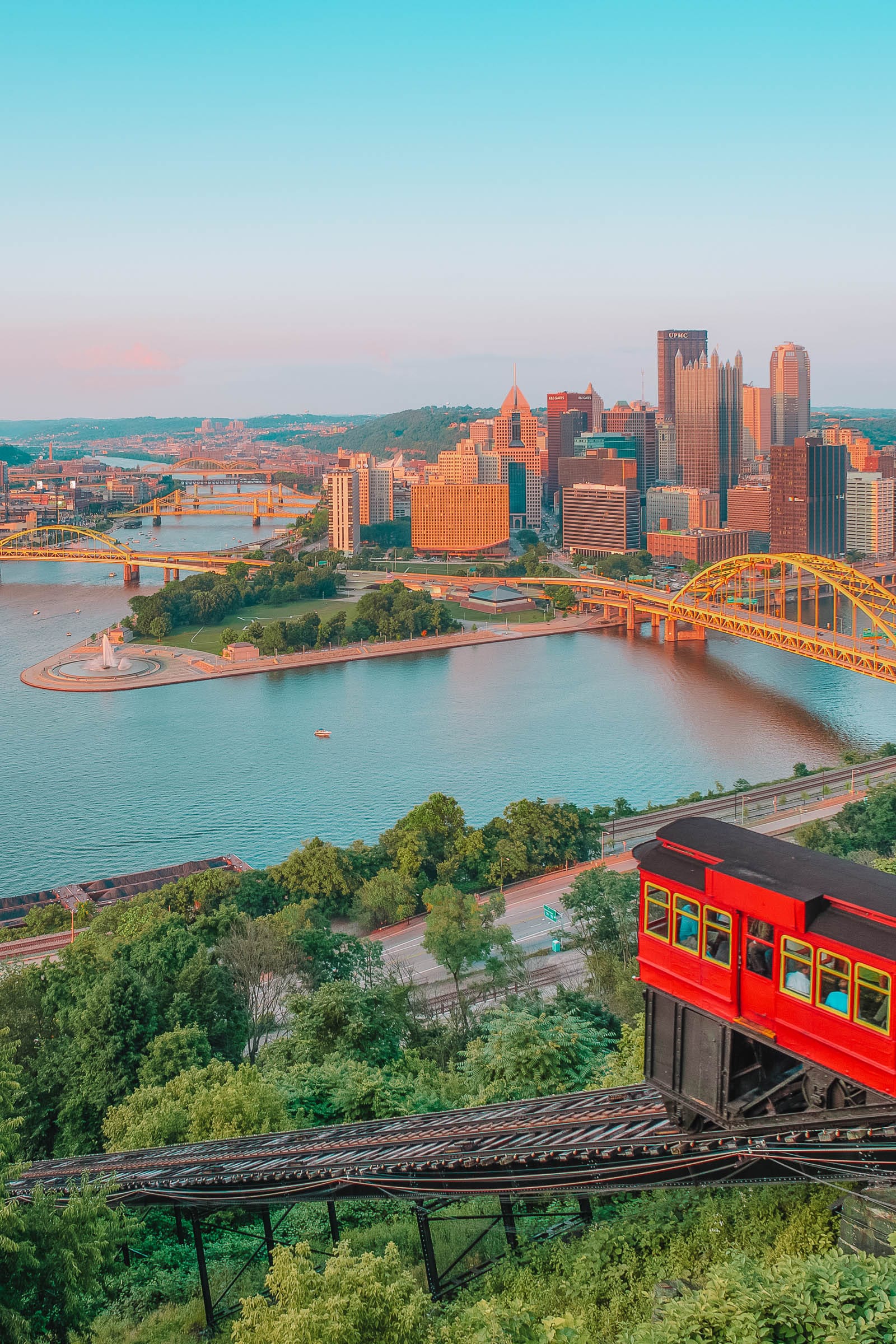
Pittsburgh, Pennsylvania, once defined by the soot and fire of its legendary steel mills, has undergone one of the most remarkable economic transformations in American history. Today, the “Steel City” has successfully rebranded itself as a global epicenter for robotics, artificial intelligence, and biotechnology. For the tech-focused traveler, entrepreneur, or professional, Pittsburgh offers a unique landscape where industrial heritage meets cutting-edge innovation.
If you are looking for what to do in Pittsburgh through the lens of technology, you won’t be spending your time just looking at old monuments; you will be engaging with the future of autonomous transit, visiting the birthplaces of world-class AI, and exploring a startup ecosystem that rivals Silicon Valley in ingenuity, if not in sheer scale. This guide explores the essential tech-centric experiences that define modern Pittsburgh.
Exploring Robotics Row and the Autonomous Vehicle Revolution
The transformation of Pittsburgh is perhaps most visible along the stretch of land known as “Robotics Row.” Spanning from the Strip District through Lawrenceville and into Hazelwood, this corridor is home to some of the most advanced autonomous vehicle (AV) and robotics companies in the world.
The Birthplace of Self-Driving Technology
No tech tour of Pittsburgh is complete without acknowledging its role as the global cradle of autonomous driving. Uber’s Advanced Technologies Group (now part of Aurora) famously chose Pittsburgh for its testing grounds due to the city’s complex topography—narrow streets, dozens of bridges, and unpredictable weather provide the perfect “stress test” for AI algorithms. To experience this, one simply needs to walk the streets of the Strip District, where the sight of sensor-laden SUVs from companies like Aurora, Motional, and Stack AV is as common as yellow taxis in New York. Observing these vehicles navigate the city’s 446 bridges offers a real-time masterclass in edge-case computing and sensor fusion.
Visiting the National Robotics Engineering Center (NREC)
Located in Lawrenceville, the NREC is an operating unit within Carnegie Mellon University’s (CMU) Robotics Institute. While it is a working research facility, its presence has anchored the neighborhood’s tech growth. Professionals in the field often visit to collaborate on projects ranging from agricultural automation to hazardous waste cleanup robots. For the casual tech enthusiast, walking the perimeter of these facilities provides a glimpse into the massive scale of industrial robotics. The surrounding area is also a hub for specialized hardware startups, making it the perfect place to witness the convergence of “software meeting the real world.”
Navigating the Startup Ecosystem and Tech Hubs
Pittsburgh’s tech scene is not just about the giants; it is powered by a robust network of incubators and accelerators that have turned the city into a fertile ground for “deep tech” startups.
Innovation Works and the AlphaLab Network
For those interested in the mechanics of venture capital and startup scaling, visiting the offices of Innovation Works is a must. As one of the most active early-stage investors in the United States, they manage the AlphaLab and AlphaLab Gear accelerators. These hubs are often located in repurposed industrial spaces, such as the revitalized buildings in East Liberty. Engaging with these spaces allows visitors to see how the city supports software development and hardware prototyping simultaneously. It’s where the next generation of SaaS tools and IoT devices are being built, often by founders who have spun out of the local universities.
Bakery Square: Google and the Tech Transformation of East Liberty
Bakery Square is the crown jewel of Pittsburgh’s urban renewal. Once a massive Nabisco factory, it now serves as the regional headquarters for Google. This development catalyzed the tech boom in the East End. While the internal offices are secure, the surrounding campus is a testament to “Smart City” design. The area is a nexus for tech workers and features high-tech residential units and collaborative workspaces. Spending an afternoon here provides insight into how tech companies integrate into the urban fabric, creating a lifestyle brand that attracts top-tier engineering talent from around the globe.
Educational Powerhouses Driving Global AI Trends

The gravity of Pittsburgh’s tech sector is generated largely by its academic institutions. The research coming out of the city today will dictate the software and AI trends of the next decade.
Carnegie Mellon University: The Epicenter of Computer Science
Carnegie Mellon University (CMU) is arguably the most important site for any tech enthusiast visiting Pittsburgh. It was here that the first “AI” was arguably conceived, and it remains home to the first-ever School of Computer Science. A walk through the campus allows you to see the Gates Center for Computer Science and the Hillman Center for Future-Generation Technologies. The architecture itself is designed to foster collaboration between departments like machine learning and robotics. Many of the breakthroughs in Natural Language Processing (NLP) and computer vision that we use in our daily apps were prototyped within these walls.
The University of Pittsburgh’s Impact on HealthTech
Just a few blocks away from CMU is the University of Pittsburgh and its sprawling medical center, UPMC. This area, known as Oakland, is the heart of “HealthTech.” Pittsburgh is currently leveraging AI to revolutionize diagnostic medicine and bioinformatics. The UPMC Enterprises wing acts as a venture capital arm, funding tech that bridges the gap between clinical data and patient care. For those interested in the intersection of data science and biology, exploring the Pitt campus and the nearby “Innovation District” provides a look at how big data is saving lives.
Immersive Tech Experiences for Professionals and Enthusiasts
Beyond the labs and corporate offices, Pittsburgh offers interactive ways to engage with technology that are both educational and entertaining.
Networking at Major Tech Summits
If you time your visit correctly, you can attend one of the city’s premier tech events. The “Beyond Big Data” conference or the “Cascadia R” events often draw speakers from the highest echelons of the tech world. Furthermore, the Pittsburgh Technology Council hosts frequent mixers and “Tech 50” awards, which are excellent for networking. These events highlight the city’s strengths in cybersecurity, cloud computing, and advanced manufacturing, offering a professional perspective on the regional economy’s trajectory.
Digital Art and Interactive Museums
Pittsburgh’s tech culture extends into its arts scene. The Carnegie Science Center, specifically the “Roboworld” exhibit, is billed as the world’s largest permanent robotics exhibition. It features everything from famous movie robots to industrial arms that can play air hockey. For a more avant-garde experience, the Mattress Factory and the Andy Warhol Museum frequently feature installations that utilize digital media, projection mapping, and interactive software, showcasing how Pittsburgh’s tech tools are used to push the boundaries of creative expression.
The Future of Pittsburgh’s Digital Infrastructure
Understanding what to do in Pittsburgh also involves looking at how the city itself is a laboratory for 21st-century infrastructure.
Smart City Initiatives and Urban Tech
Pittsburgh is a member of the Department of Transportation’s Smart City Challenge, and evidence of this is everywhere. From “Smart Spines” (intelligent traffic signal systems that reduce idling and emissions) to the integration of public transit apps that use real-time data to optimize routes, the city is a living demo of urban technology. Tech enthusiasts should pay attention to the sensors and connectivity nodes located on utility poles throughout the downtown area—these are part of an ongoing effort to create a “digital twin” of the city to improve municipal services and energy efficiency.

Challenges and Opportunities in the Tech Renaissance
Finally, a professional analysis of Pittsburgh’s tech scene requires acknowledging the challenges of rapid growth. The city is currently navigating the complexities of the “digital divide” and the ethical implications of AI. For those interested in tech policy and ethics, engaging with local think tanks and university forums is a high-level way to spend time in the city. These discussions often focus on how to ensure that the wealth generated by the tech sector benefits the entire community, providing a nuanced look at the socio-economic impacts of technology.
In conclusion, knowing “what to do in Pittsburgh” from a tech perspective means immersing oneself in a city that has successfully bridged the gap between the physical and digital worlds. Whether you are observing an autonomous truck navigate a bridge, networking with AI researchers in Oakland, or exploring the startup labs of Robotics Row, you are witnessing the blueprint for the modern American industrial city. Pittsburgh is no longer just making steel; it is forging the algorithms and machines that will define the next century.
aViewFromTheCave is a participant in the Amazon Services LLC Associates Program, an affiliate advertising program designed to provide a means for sites to earn advertising fees by advertising and linking to Amazon.com. Amazon, the Amazon logo, AmazonSupply, and the AmazonSupply logo are trademarks of Amazon.com, Inc. or its affiliates. As an Amazon Associate we earn affiliate commissions from qualifying purchases.