
Understanding the distinctions between a misdemeanor and a felony is crucial, not merely for legal literacy, but for comprehending the profound and often long-lasting financial ramifications each carries. While both are classifications of criminal offenses, their differentiation lies at the heart of the American justice system, dictating not only the immediate penalties but also the severe collateral consequences that can impact an individual’s personal finance, career trajectory, and overall economic stability for years, if not decades. For anyone concerned with financial planning, career growth, or even business opportunities, recognizing these differences is essential for mitigating risks and navigating potential setbacks.
The Fundamental Distinction: Severity and Punishment
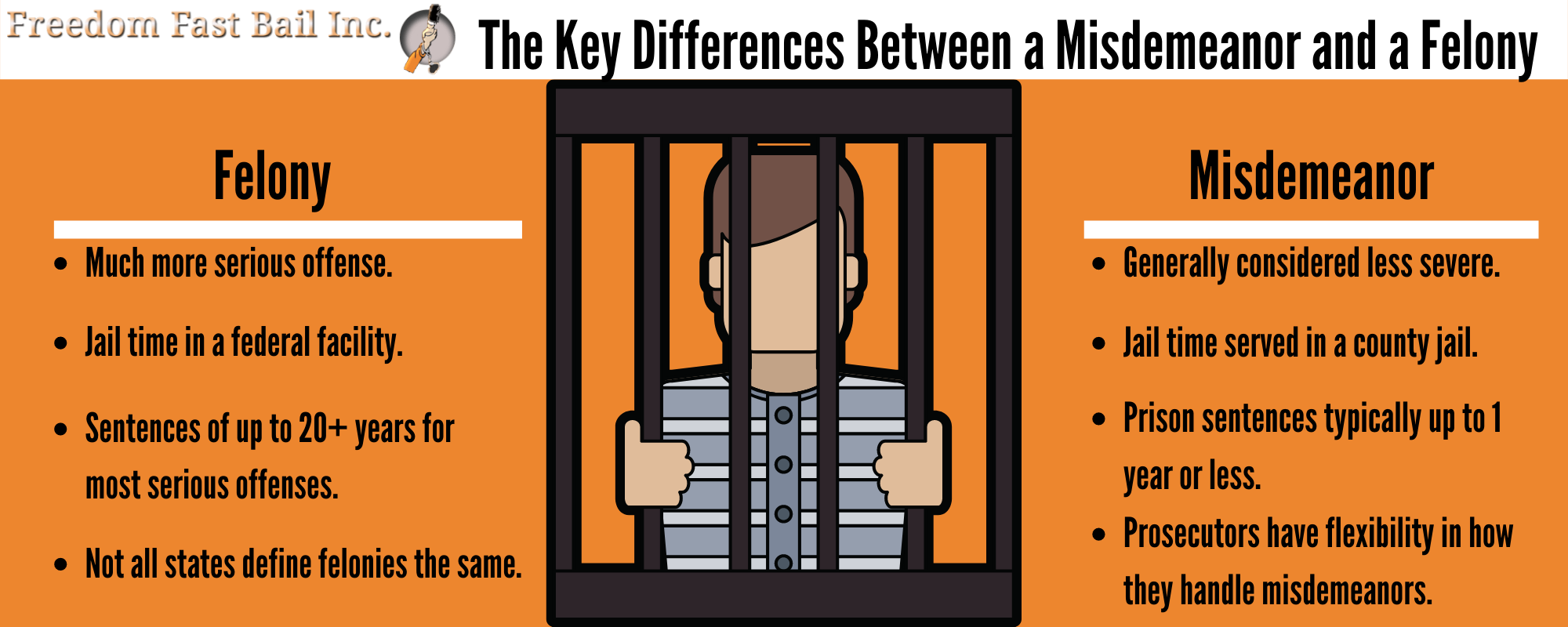
At its core, the difference between a misdemeanor and a felony boils down to the severity of the crime and, consequently, the potential range of punishment prescribed by law. This distinction is paramount, as it sets the stage for the financial penalties and long-term economic challenges an individual might face.
Defining a Misdemeanor
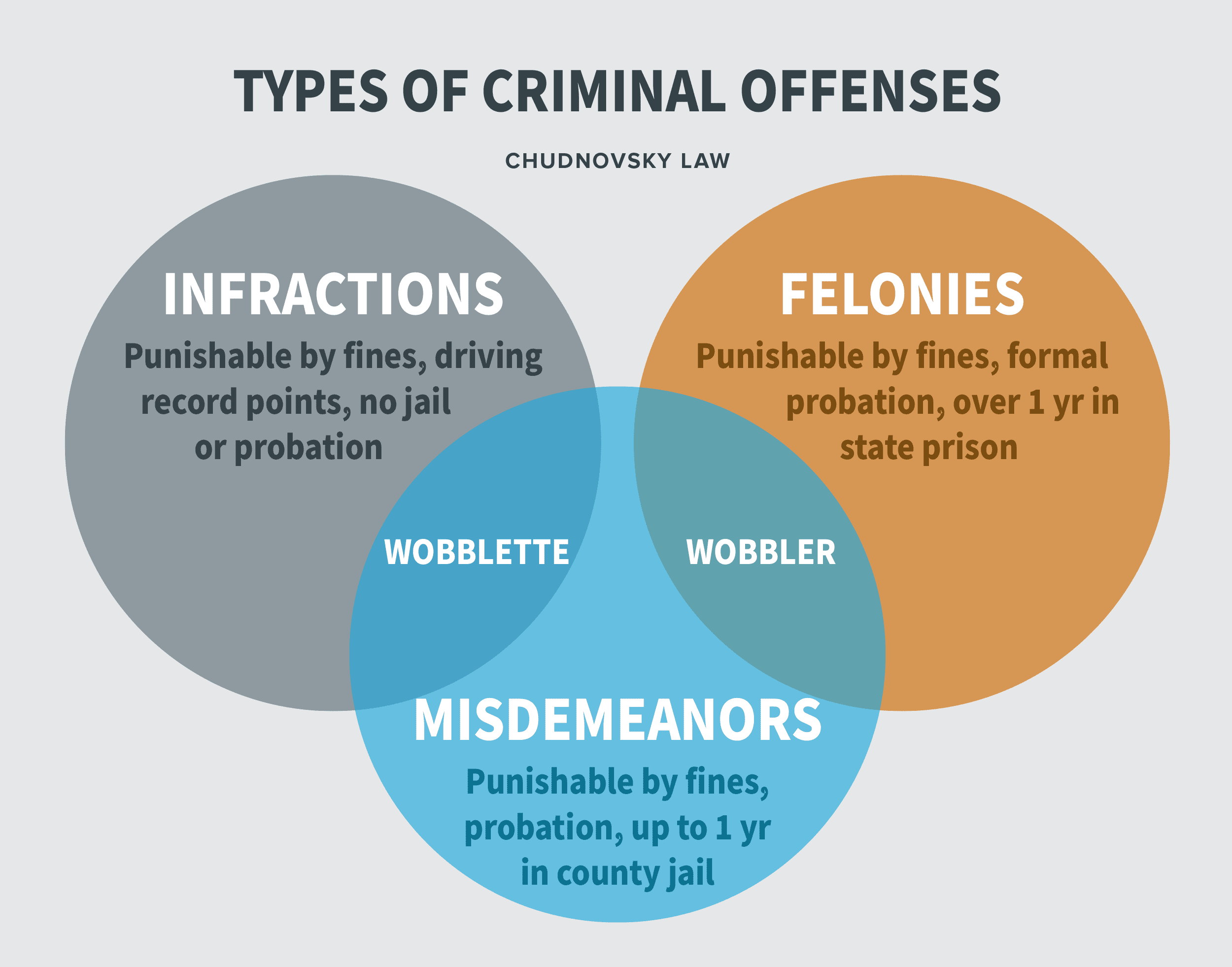
A misdemeanor represents a less serious criminal offense, typically involving actions that, while illegal, do not pose a grave threat to public safety or societal order. Examples often include petty theft, simple assault, driving under the influence (DUI) for a first offense, minor vandalism, or certain public order offenses.
The immediate financial consequences for a misdemeanor often involve fines, which can range from a few hundred to several thousand dollars depending on the jurisdiction and the specific offense. Additionally, individuals may face restitution requirements, compelling them to financially compensate victims for damages or losses incurred. While jail time is possible, it is typically served in a local county or municipal jail and is limited to one year or less. Other common penalties include probation, community service, mandatory counseling (e.g., anger management, substance abuse programs), and temporary loss of privileges, such as a driver’s license suspension. While these direct penalties can be financially burdensome, the long-term financial shadow of a misdemeanor is generally less extensive than that of a felony. Nevertheless, a misdemeanor conviction still creates a criminal record that can present obstacles, albeit usually less severe, to employment and housing.
Defining a Felony
Conversely, a felony is classified as a serious crime, often involving significant harm to individuals, property, or the state. These offenses are considered egregious and carry severe societal disapproval. Common examples include murder, rape, aggravated assault, robbery, burglary, grand theft, serious drug offenses, and white-collar crimes involving substantial financial fraud.
The financial and personal liberties at stake with a felony conviction are dramatically higher. Fines can reach tens of thousands of dollars, and restitution requirements are often substantial, reflecting the greater harm caused. The most significant distinction lies in potential incarceration; felony sentences typically involve imprisonment in a state or federal prison for more than one year, often extending to many years, life imprisonment, or even the death penalty in some jurisdictions. Beyond incarceration and hefty fines, a felony conviction often carries a lifetime of collateral consequences that profoundly impact an individual’s financial solvency and future prospects. These include, but are not limited to, the loss of certain civil rights (e.g., voting, holding public office, jury service), restrictions on firearm ownership, and the most impactful: severe barriers to employment, housing, professional licensing, and access to certain financial services.
Financial Repercussions: Beyond Fines and Restitution
The immediate costs associated with legal defense, fines, and restitution are just the tip of the iceberg when considering the financial impact of criminal convictions. The long-term financial repercussions, particularly for felonies, can be devastating, creating persistent hurdles to economic stability and upward mobility.
Impact on Employment and Career Prospects
A criminal record, whether a misdemeanor or a felony, can significantly impede an individual’s ability to secure gainful employment. Employers, especially in competitive markets, often conduct background checks. A felony conviction, in particular, can be an outright disqualifier for many positions, especially those requiring trust, financial responsibility, or access to sensitive information. Industries such as finance, healthcare, government, and education often have stringent hiring policies that effectively bar individuals with felony records. Even a misdemeanor can make it challenging to pass background checks for certain jobs, particularly those involving childcare or security.
The financial cost of this can be measured in lost income potential over a lifetime. Individuals with felony convictions often face unemployment or underemployment, relegated to lower-paying jobs that do not utilize their skills or education. This creates a cycle of financial instability, impacting savings, retirement planning, and the ability to support dependents. For those who were employed at the time of their arrest, a conviction can lead to immediate job loss, cutting off their income stream abruptly and forcing them into a financially precarious situation.
Challenges in Housing and Loan Applications
Access to stable housing is another critical financial challenge. Landlords frequently perform background checks, and a criminal record, particularly a felony, can make it exceedingly difficult to secure rental housing. Many housing providers view applicants with criminal histories as higher risks, leading to repeated rejections, forcing individuals into less desirable, more expensive, or even unstable living situations. This can divert a significant portion of their income towards housing, limiting funds available for other necessities or savings.
Similarly, obtaining loans, whether for personal needs, education, or business ventures, becomes significantly harder. Lenders assess risk, and a criminal record can negatively impact creditworthiness and trustworthiness. This can lead to higher interest rates, stricter loan terms, or outright denial of credit, further exacerbating financial strain and limiting opportunities for wealth creation or business expansion. The inability to secure a mortgage can effectively shut off a primary avenue for building equity and long-term wealth.
Licensing and Professional Hurdles
For individuals in professions requiring state or federal licenses – such as doctors, nurses, lawyers, accountants, teachers, real estate agents, or even barbers – a criminal conviction can be career-ending. Licensing boards often have “good moral character” clauses or specific prohibitions against individuals with felony convictions. Even certain misdemeanors can result in license suspension or revocation.
The financial implication here is immense. Years of education, training, and investment in a career can be rendered worthless overnight. Reinstatement or obtaining a new license is an arduous, often impossible, process, forcing individuals to pivot careers entirely, usually into lower-paying fields. This represents a significant financial loss, not just in terms of current income but also in the depreciation of prior investments in education and professional development.
The Long-Term Financial Shadow: Collateral Consequences
Beyond the immediate and direct consequences, both misdemeanors and felonies, with felonies being far more impactful, cast a long-term financial shadow that touches almost every aspect of an individual’s financial life. These “collateral consequences” are often overlooked but are deeply intertwined with financial stability.
Credit Score and Insurance Premiums
While a criminal conviction doesn’t directly appear on a credit report, the indirect effects can be substantial. Incarceration or unemployment resulting from a conviction can lead to missed payments on bills, loans, and credit cards, severely damaging an individual’s credit score. A poor credit score, in turn, impacts everything from getting favorable rates on car loans and mortgages to even securing basic utilities or cell phone contracts without hefty deposits.
Furthermore, insurance companies, particularly for auto and life insurance, may consider an individual’s criminal record when assessing risk. Certain convictions, especially those involving reckless behavior or fraud, can lead to higher premiums or even denial of coverage, adding another layer of financial burden.
Business Opportunities and Entrepreneurship
For aspiring entrepreneurs, a criminal record can be a significant roadblock. Securing business loans, obtaining necessary permits and licenses for certain types of businesses, or even attracting investors can be challenging with a felony conviction. Many government contracts and certain industries (e.g., finance, childcare, security) have strict background check requirements that exclude individuals with criminal records. This limits an individual’s ability to build their own income stream and create wealth through business ownership, an increasingly vital pathway for economic independence. The collateral damage extends to partners or family members who might want to start a business with the individual, as the conviction can affect the entire venture’s viability.
Public Benefits and Financial Aid Eligibility
A felony conviction can impact eligibility for a range of public benefits designed to provide a safety net for financially vulnerable individuals. This includes restrictions on food stamps, housing assistance, and even access to federal student financial aid (Pell Grants, federal student loans). The inability to access these resources can plunge individuals and their families further into poverty, making it nearly impossible to regain financial footing. For those seeking to turn their lives around through education, the denial of financial aid represents a monumental barrier, perpetuating a cycle of limited opportunities and low income.
Mitigation and Financial Planning: Navigating the Aftermath
While the financial consequences of a criminal conviction are severe, understanding them is the first step toward mitigation and strategic financial planning. Proactive measures and informed decisions can help individuals navigate the complex economic landscape post-conviction.
Legal Counsel as an Investment
Investing in competent legal counsel from the outset is arguably one of the most critical financial decisions an individual facing charges can make. A skilled attorney can potentially negotiate lesser charges (e.g., a misdemeanor instead of a felony), secure a plea bargain that avoids jail time, or even achieve an acquittal. The initial cost of legal representation, while substantial, can be a vital investment to prevent far more significant long-term financial devastation stemming from a conviction. This upfront cost pales in comparison to years of lost income, restricted opportunities, and ongoing financial penalties.
Rebuilding Financial Stability
For those with a criminal record, rebuilding financial stability requires discipline and strategic planning. This includes:
- Aggressive Debt Management: Prioritizing repayment of fines, restitution, and other legal fees to avoid additional penalties and interest.
- Budgeting and Saving: Creating a strict budget to maximize savings, even from limited income, to build an emergency fund.
- Skill Development: Investing in vocational training or education in fields less restrictive towards individuals with criminal records. Online courses and community college programs can be affordable avenues to gain new skills.
- Exploring Entrepreneurship: Identifying business ventures that don’t require extensive licensing or background checks, leveraging personal skills and networks.
- Building a Support Network: Engaging with community organizations, non-profits, and support groups that assist formerly incarcerated individuals in finding employment and housing.

Understanding Expungement and Sealing Records
In many jurisdictions, individuals with certain misdemeanor or even some non-violent felony convictions may be eligible to have their records expunged or sealed after a specific waiting period and fulfillment of all legal obligations. Expungement effectively removes the conviction from public view, making it easier to pass background checks for employment and housing. Sealing typically means the record is not publicly accessible but may still be visible to law enforcement or certain government agencies.
Understanding the eligibility criteria and legal processes for expungement or record sealing is a critical financial strategy. While there are legal fees associated with these processes, the potential financial upside – increased earning potential, better housing options, and improved credit opportunities – can be life-changing. It represents an investment in one’s future economic self, essentially buying back access to financial opportunities that were previously denied.
In conclusion, the distinction between a misdemeanor and a felony transcends mere legal definitions; it shapes an individual’s entire financial trajectory. Recognizing these differences and proactively addressing the financial consequences through informed legal action, diligent financial planning, and leveraging available legal avenues like expungement is paramount for anyone navigating the complex interplay between the justice system and economic well-being.
aViewFromTheCave is a participant in the Amazon Services LLC Associates Program, an affiliate advertising program designed to provide a means for sites to earn advertising fees by advertising and linking to Amazon.com. Amazon, the Amazon logo, AmazonSupply, and the AmazonSupply logo are trademarks of Amazon.com, Inc. or its affiliates. As an Amazon Associate we earn affiliate commissions from qualifying purchases.