
Antarctica, the Earth’s southernmost continent, stands unique among all landmasses. It is the only continent without a native human population, without countries, and consequently, without a capital city in the conventional sense. This extraordinary geopolitical vacuum, defined by the Antarctic Treaty System, presents a fascinating case study in how modern societies, particularly through the lens of technology, manage and govern a vast, vital, and contested territory without traditional sovereignty. In an era where “smart cities” and digital governance are burgeoning, Antarctica offers a compelling look at how technology already acts as a de facto “infrastructure of governance” and how future technological advancements, especially in AI and digital connectivity, could further shape its non-existent capital into a distributed, intelligent network.
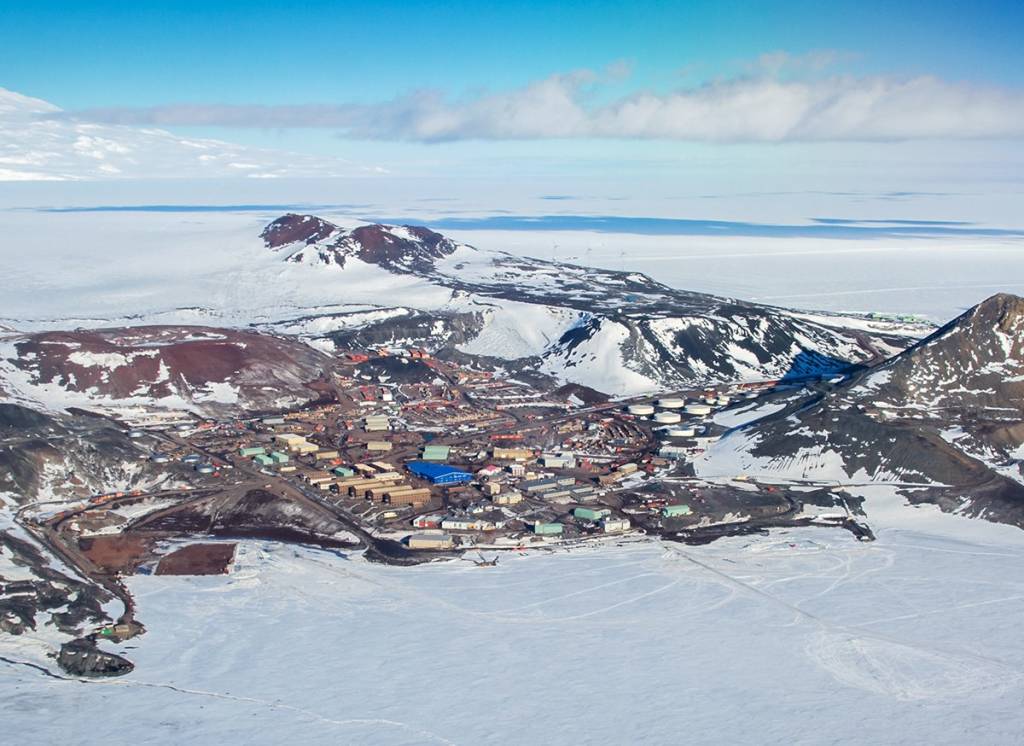
The Unique Governance Landscape of Antarctica and its Digital Parallels
The absence of a capital city in Antarctica is a direct consequence of its distinctive legal and political status. Seven nations claim territorial sovereignty over parts of the continent, but these claims are not universally recognized and are held in abeyance under the Antarctic Treaty of 1959. This treaty designates Antarctica as a continent dedicated to peace and scientific research, prohibiting military activity, nuclear testing, and resource exploitation. This framework effectively bypasses the need for a singular governing body or a capital city, fostering an environment of international cooperation.
A Continent Without a Nation, Governed by Collaboration
Instead of a national government, Antarctica is managed through the consensus of the Antarctic Treaty Consultative Parties (ATCPs), which meet annually to discuss issues ranging from environmental protection to scientific cooperation. This collaborative model, while non-traditional, necessitates robust technological underpinnings. Communication, data sharing, and coordinated logistics across numerous research stations operated by diverse nations form the backbone of this cooperative governance. Each research station, often a self-contained technological marvel in itself, functions as a micro-capital for its respective national operations, connected not by roads or political borders, but by digital networks.
The Antarctic Treaty System: A Digital Precedent?
The very spirit of the Antarctic Treaty, emphasizing transparency and the sharing of scientific information, predates the widespread digital age but perfectly aligns with its principles. The vast amount of climate data, ecological observations, and geological surveys conducted by various nations are routinely shared and synthesized, creating a global digital repository that serves as a collective intelligence for the continent’s health. This data-driven approach to environmental stewardship and scientific progress implicitly suggests a “digital capital” – a nexus of information that informs decisions and guides the collaborative management of this pristine environment.
Technology as the De Facto Infrastructure of Antarctic Management
In the absence of traditional urban centers or government buildings, technology serves as the primary infrastructure for human presence and operational oversight in Antarctica. From sophisticated sensor networks to satellite communication, these tools enable human activity and ensure the continent’s protected status.
Smart Stations and Remote Operations
Antarctic research stations are arguably the most advanced remote outposts on Earth. They are often pioneers in sustainable living, extreme engineering, and remote operations. These “smart stations” are equipped with an array of IoT sensors monitoring everything from energy consumption and waste management to environmental conditions inside and outside the facility. Automated systems manage power grids (often relying on renewable energy like wind and solar), water recycling, and waste treatment, minimizing human intervention in a harsh environment. Researchers utilize robotics and remote-controlled vehicles for data collection in inaccessible areas, extending human reach without physical presence. These self-sufficient, data-generating hubs collectively form a distributed “technological capital” for the continent’s scientific enterprise.
Communication Lifelines: Satellite and Network Tech
The sheer isolation of Antarctica makes robust communication technology indispensable. Satellite communication, primarily through geostationary and polar-orbiting satellites, forms the continent’s lifeline, enabling real-time data transmission, internet access, and voice communication. This connectivity is crucial for:
- Scientific Data Transfer: Gigabytes of climate, glaciological, biological, and astronomical data are constantly uploaded to global research networks.
- Logistics Coordination: Scheduling flights, ship movements, and ground transport across a continent larger than Europe relies on precise, real-time communication.
- Safety and Emergency Response: The ability to communicate instantly is vital for the safety of personnel operating in extreme conditions.
- Remote Management: Base managers and scientists can remotely monitor systems and collaborate with international partners, effectively extending their operational reach globally.
The increasing demand for bandwidth and reliability in such remote, challenging conditions drives innovation in satellite technology and network infrastructure.

Data Sovereignty and Scientific Collaboration
The collective scientific endeavors in Antarctica generate an immense volume of data, ranging from ice core samples and weather patterns to penguin populations and seismic activity. The management, archiving, and accessibility of this data are paramount. International agreements govern data sharing, ensuring that scientific findings benefit all humankind. This creates a unique form of “digital sovereignty” where the ownership and control of data become crucial, often transcending national borders in a collaborative framework. Advanced databases, cloud storage solutions, and high-performance computing are essential tools for processing and making sense of this global data asset, effectively forming the continent’s informational core.
The AI-Driven Future of Antarctic Oversight
As technology continues to evolve, artificial intelligence (AI) is poised to play an increasingly significant role in the management, research, and virtual governance of Antarctica, shaping what a “digital capital” could truly entail.
Predictive Modeling for Environmental Stewardship
AI and machine learning algorithms are invaluable for processing the vast datasets generated in Antarctica. They can identify subtle trends in climate change, predict ice sheet dynamics, track wildlife migration patterns, and monitor human impact with unprecedented accuracy. This predictive power allows ATCPs to make more informed decisions regarding environmental protection, resource management (e.g., fisheries outside the treaty area), and the regulation of tourism. AI can model complex ecosystems, offering insights into long-term changes and helping to formulate proactive conservation strategies.
AI in Logistics and Autonomous Systems
The logistical challenges of operating in Antarctica are immense, characterized by extreme weather, vast distances, and limited resources. AI can optimize supply chains, predict equipment failures, and manage energy consumption across multiple stations. Autonomous systems, such as drones for atmospheric sampling or underwater gliders for oceanographic research, can operate for extended periods in hazardous conditions, collecting data more efficiently and safely than human expeditions. AI-driven autonomous vehicles could revolutionize inter-station transport and resupply, further minimizing human exposure to risk and optimizing operational costs.
Conceptualizing a “Digital Capital” for Antarctica
If Antarctica were to have a “capital,” in a modern sense, it would likely be a distributed, AI-governed digital entity rather than a physical city. This “digital capital” would be a sophisticated network of:
- AI-powered command centers: Monitoring environmental data, coordinating international research efforts, and managing logistics across the continent.
- Virtual collaboration platforms: Enabling real-time scientific exchange and decision-making among international stakeholders, regardless of their physical location.
- Digital twins of the continent: High-fidelity simulations that allow for scenario planning, infrastructure development testing, and environmental impact assessments in a virtual space before any physical intervention.
This future vision points towards a form of “cyber-governance” where AI facilitates seamless international cooperation and resource allocation without the need for a physical, centralized urban hub.
Cybersecurity in the World’s Last Frontier
As Antarctica increasingly relies on advanced technology for its operations and governance, the importance of cybersecurity grows proportionally. Protecting the digital infrastructure and data assets of this unique continent becomes a critical concern.
Protecting Critical Infrastructure and Data
The research stations, communication networks, and data repositories that underpin Antarctic operations are critical infrastructure. A cyberattack on these systems could compromise scientific research, disrupt vital communications, or even endanger personnel. Ensuring the resilience and security of these assets against malicious actors is paramount. This includes implementing robust firewalls, intrusion detection systems, encryption protocols, and regular security audits adapted to extreme remote environments. The sensitive nature of climate data and geopolitical interests also makes these systems potential targets for state-sponsored cyber espionage or sabotage.

The Geopolitical Implications of Digital Vulnerabilities
Even without a physical capital, the digital assets and operational capabilities in Antarctica have significant geopolitical value. The continent is a key location for climate research, space observation, and understanding global environmental changes. Any compromise of its digital infrastructure could have far-reaching implications, not just for scientific integrity but also for international relations and perceived national security interests. Consequently, cybersecurity becomes a new frontier in the cooperative yet competitive landscape of Antarctic governance, requiring advanced defense mechanisms to protect this shared scientific commons from emerging digital threats.
aViewFromTheCave is a participant in the Amazon Services LLC Associates Program, an affiliate advertising program designed to provide a means for sites to earn advertising fees by advertising and linking to Amazon.com. Amazon, the Amazon logo, AmazonSupply, and the AmazonSupply logo are trademarks of Amazon.com, Inc. or its affiliates. As an Amazon Associate we earn affiliate commissions from qualifying purchases.