
Suspension trauma, often overlooked in its financial ramifications, represents a critical hazard in industries where workers operate at height. While primarily a physiological response, its occurrence triggers a cascade of financial liabilities and operational disruptions that can significantly impact a company’s bottom line. Understanding “what is suspension trauma” from a business finance perspective is not merely about worker safety; it’s about robust risk management and the preservation of financial health.
The Medical Reality and Its Economic Shadow
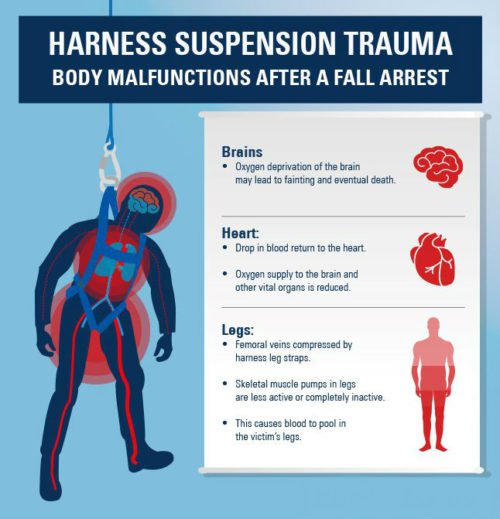
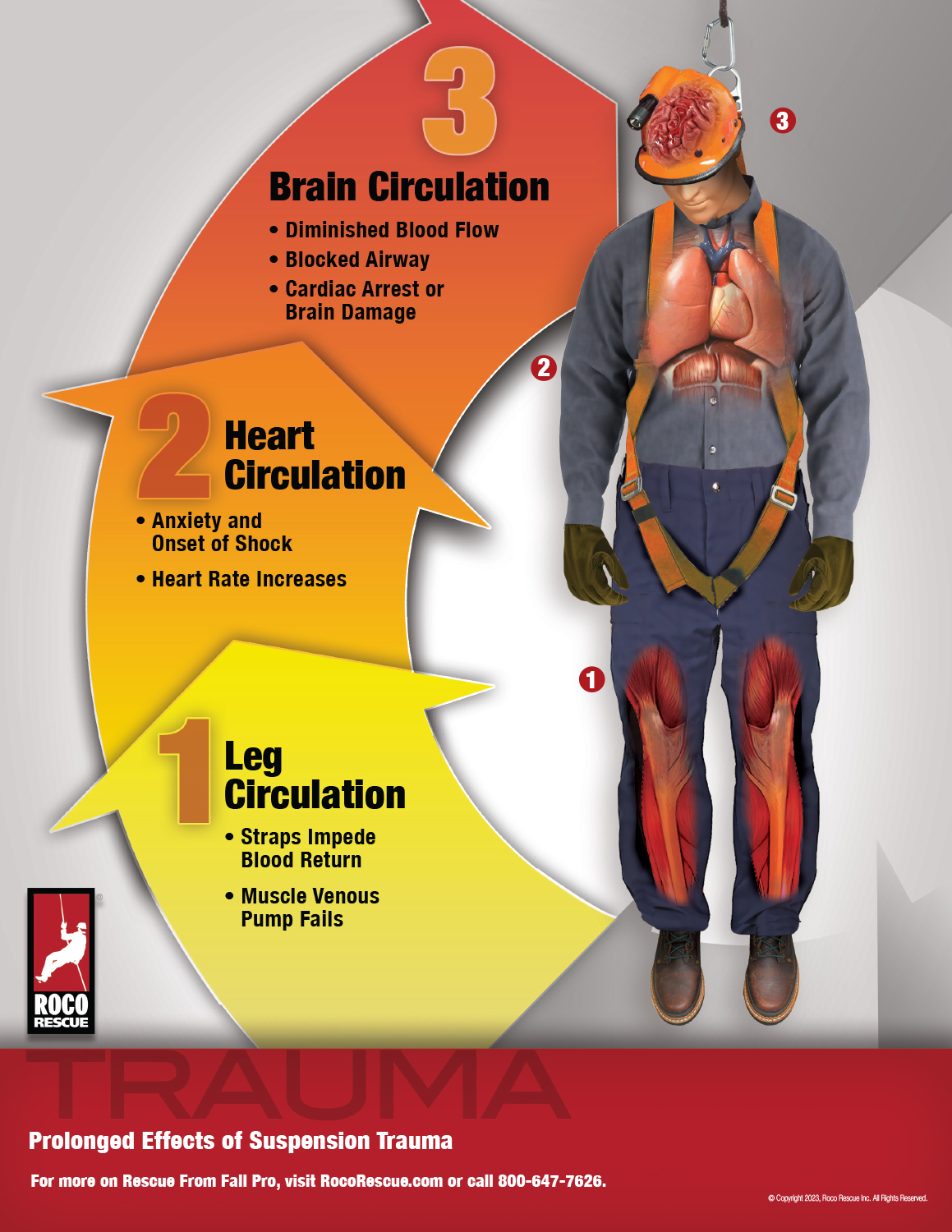
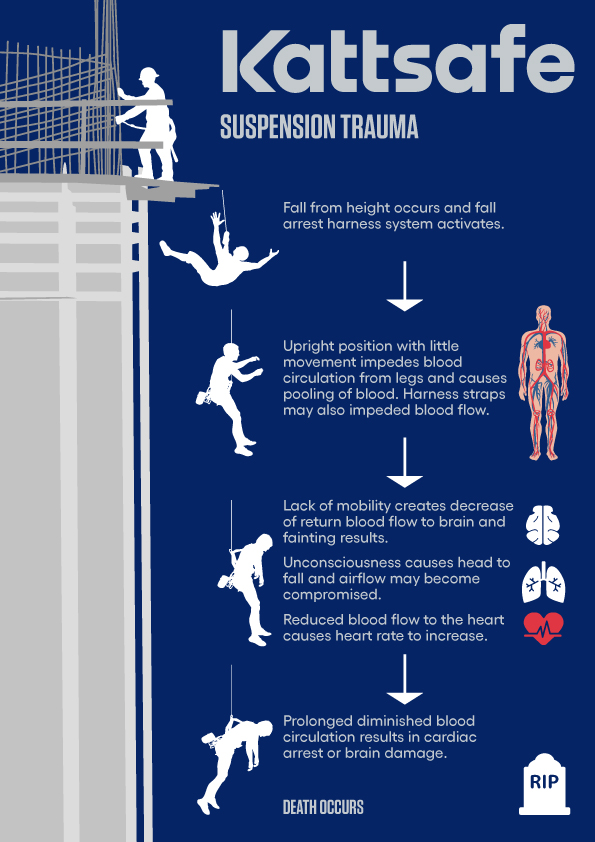
Suspension trauma, also known as harness hang syndrome or orthostatic intolerance, occurs when a person remains suspended upright and motionless in a full-body harness after a fall. Gravity causes blood to pool in the legs, reducing venous return to the heart and brain. This can lead to a dangerous drop in blood pressure, dizziness, fainting, and, if not promptly addressed, severe organ damage, brain injury, or even death. The medical emergency of suspension trauma immediately translates into a series of acute and long-term financial burdens for any organization involved.
Defining Suspension Trauma and Its Immediate Costs
The moment a worker experiences a fall arrest and is left suspended, the clock starts ticking not just for their life but for the company’s finances. Immediate medical response is paramount. This includes emergency services dispatch, paramedic intervention, and often, immediate transportation to a hospital. Each step incurs significant costs:
- Emergency Medical Services (EMS): Ambulance fees, potentially air ambulance transport in remote areas, can run into thousands, or even tens of thousands, of dollars.
- Hospitalization and Initial Treatment: Diagnoses, emergency room fees, specialist consultations, and initial medical procedures (e.g., fluid resuscitation, monitoring) quickly escalate. A single hospital visit can cost tens of thousands, and if intensive care is required, these figures multiply rapidly.
- Lost Productivity: The worker involved is immediately out of commission. Production halts, projects delay, and critical deadlines may be missed. Even if the incident doesn’t cause severe injury, the mandatory debriefing, site lockdown for investigation, and psychological impact on other workers can lead to a measurable dip in productivity for days or weeks. This lost time translates directly into lost revenue and increased overheads for delayed projects.
Long-Term Financial Burdens
The financial shadow cast by suspension trauma extends far beyond the initial emergency. The long-term implications can be devastating, impacting healthcare costs, disability payments, and the overall financial stability of the enterprise.
- Rehabilitation and Long-Term Care: Survivors of severe suspension trauma may require extensive rehabilitation, including physical therapy, occupational therapy, and potentially cognitive therapy if brain injury occurred. These long-term care costs can extend for months or years, placing a sustained strain on the company’s workers’ compensation insurance premiums and direct payouts.
- Disability and Permanent Impairment: In cases of permanent disability, the financial commitment can be lifelong. Workers’ compensation systems are designed to provide ongoing financial support, often a percentage of the worker’s wages, plus all related medical expenses. The actuarial impact of such claims on an employer’s experience modification rate can lead to significantly higher premiums for all types of insurance for many years.
- Mental Health Support: The psychological toll on the affected worker and their colleagues can be substantial. Post-traumatic stress disorder (PTSD), anxiety, and depression may require ongoing counseling and therapy, adding to healthcare expenses and potentially leading to further lost workdays.
- Increased Health Insurance Premiums: A history of severe workplace incidents, especially those resulting in long-term care, can cause a company’s overall health insurance premiums to rise, affecting all employees and contributing to higher operational costs.
Direct and Indirect Financial Impacts on Businesses
Beyond the immediate medical and recovery costs, suspension trauma incidents generate a multitude of direct and indirect financial impacts that erode profitability and stakeholder value. Businesses must account for these potential expenses in their financial planning and risk assessments.
Direct Costs: Workers’ Compensation, Legal Fees, Fines
These are the most quantifiable financial hits a company takes after a serious workplace incident:
- Workers’ Compensation Claims: This is often the largest direct cost. It covers medical treatment, rehabilitation, lost wages, and disability benefits. The number and severity of claims directly influence a company’s experience modification rate (e-mod), which in turn determines future workers’ compensation premium costs. A high e-mod can make a company financially uncompetitive when bidding for projects.
- Legal Fees and Litigation: If negligence is alleged, the company may face lawsuits from the injured worker or their family. Legal defense fees, court costs, and potential settlement payouts or judgments can easily run into hundreds of thousands, if not millions, of dollars. Even if the company prevails, the legal process itself is a significant financial drain.
- Regulatory Fines and Penalties: Government agencies, such as OSHA (Occupational Safety and Health Administration) in the U.S., impose substantial fines for safety violations that lead to serious injuries or fatalities. These fines can range from thousands to hundreds of thousands of dollars per violation, depending on severity and whether violations are willful or repeated. Compliance orders often require additional financial investment in equipment or training.
Indirect Costs: Lost Productivity, Morale, and Reputation
These costs are harder to quantify but can be far more damaging to a business’s long-term financial health:
- Lost Productivity and Operational Disruptions: Beyond the immediate incident, an accident can disrupt workflow, halt projects, and reduce overall operational efficiency. Investigations, equipment inspections, and retraining of the workforce all consume valuable time and resources. Temporary workers may need to be hired, often at higher rates, to maintain operations.
- Decreased Employee Morale and Turnover: A serious safety incident can severely damage employee morale, creating an environment of fear and mistrust. This can lead to decreased productivity, increased absenteeism, and higher employee turnover, resulting in significant recruitment and training costs for new staff.
- Damage to Corporate Reputation and Brand Value: Workplace accidents, especially those involving severe injury or death, can lead to negative publicity. This tarnishes the company’s brand image, making it harder to attract new talent, secure new contracts, and retain existing clients. Clients, particularly in business-to-business sectors, often scrutinize a company’s safety record as part of their due diligence, directly impacting future revenue opportunities. A damaged reputation can also affect investor confidence, potentially leading to a decline in stock value for publicly traded companies.
- Administrative Costs: Managing the aftermath of an incident involves significant administrative overhead, including internal investigations, paperwork for workers’ compensation and insurance claims, regulatory reporting, and legal coordination.
Proactive Financial Management Through Prevention
The most effective financial strategy for mitigating the costs associated with suspension trauma is proactive prevention. Investing in robust safety protocols, training, and equipment is not merely an expense but a critical financial investment with a substantial return on investment (ROI).
Investing in Training and Equipment: A Financial Imperative
Upfront investment in safety measures is a powerful form of financial protection.
- Comprehensive Training Programs: Regular, high-quality training on fall prevention, proper harness use, rescue techniques, and the dangers of suspension trauma equips workers to avoid incidents and respond effectively. While there are costs associated with developing and delivering training, these are dwarfed by the potential costs of a single serious accident.
- Appropriate Safety Equipment: Providing high-quality, regularly inspected fall arrest systems, self-rescue devices, and assisted rescue equipment is non-negotiable. Investing in equipment that facilitates rapid rescue (e.g., descent devices) can dramatically reduce the time a worker spends suspended, thereby minimizing the risk of suspension trauma. The cost of new harnesses, lanyards, and rescue gear is a fraction of what a company would pay in medical bills, legal fees, or fines after a single severe incident.
- Regular Equipment Inspections and Maintenance: Ensuring all safety equipment is in good working order through routine inspections and timely replacement prevents failures that could lead to falls. This preventative maintenance avoids costly breakdowns and ensures compliance.
The Role of Insurance and Risk Mitigation
While prevention is key, comprehensive insurance coverage acts as a financial safety net.
- Workers’ Compensation Insurance: This mandatory insurance provides benefits for workers injured on the job. Companies should actively work to reduce their experience modification rate through strong safety programs, as a lower e-mod directly translates to lower premiums.
- General Liability Insurance: This covers claims of bodily injury or property damage for which the company is held responsible. In severe cases of suspension trauma, general liability might become relevant, especially if third parties are affected or if negligence is proven.
- Professional Indemnity Insurance: For companies providing safety consulting or specialized services at height, this insurance protects against claims of professional negligence or errors that lead to incidents.
- Actively Managing Risk: A proactive approach to safety can lead to lower insurance premiums and greater insurability. Insurers look favorably on companies with documented safety programs, low incident rates, and a strong safety culture, often offering discounts or more favorable terms.
Emergency Response Planning: Saving Lives and Capital
A well-drilled emergency response plan specifically for suspended workers is critical for minimizing the duration of suspension and, consequently, the severity of suspension trauma.
- Rapid Rescue Protocols: Every minute counts. Having pre-established rescue procedures, trained rescue teams, and readily available rescue equipment can mean the difference between minor injury and a permanent disability or fatality. Investing in rescue training and equipment is a direct financial investment in reducing future medical and legal costs.
- First Aid and Medical Preparedness: Ensuring first aid personnel are trained to recognize the symptoms of suspension trauma and provide appropriate initial care (e.g., re-positioning, elevation of legs) can mitigate the immediate health risks and reduce the need for more intensive medical interventions.
- Communication Systems: Reliable communication systems enable swift reporting of incidents, ensuring rescue teams and emergency services are alerted without delay, thereby speeding up critical response times.
The Bottom Line: Safety as a Financial Strategy
From a financial perspective, addressing “what is suspension trauma” means understanding it as a significant, avoidable financial risk. The costs associated with an incident—from immediate medical expenses and lost productivity to long-term disability, legal fees, fines, and reputational damage—far outweigh the investment required for robust prevention. Prioritizing worker safety through comprehensive training, appropriate equipment, proactive risk assessment, and efficient emergency planning is not just an ethical imperative; it is a shrewd financial strategy that protects a company’s assets, preserves its profitability, and ensures long-term sustainability. Companies that integrate safety into their core business finance strategy ultimately build more resilient, reputable, and profitable operations.
aViewFromTheCave is a participant in the Amazon Services LLC Associates Program, an affiliate advertising program designed to provide a means for sites to earn advertising fees by advertising and linking to Amazon.com. Amazon, the Amazon logo, AmazonSupply, and the AmazonSupply logo are trademarks of Amazon.com, Inc. or its affiliates. As an Amazon Associate we earn affiliate commissions from qualifying purchases.