
Sherry wine vinegar, or Vinagre de Jerez, transcends its simple definition as a condiment to embody a powerful case study in origin branding, quality assurance, and strategic market positioning. Far from a generic acidic liquid, it represents a culmination of history, geography, and meticulous craftsmanship, all contributing to its distinguished corporate identity and premium brand perception globally. Understanding what sherry wine vinegar is, therefore, is inseparable from appreciating the intricate brand architecture that supports its enduring legacy and unique place in the culinary world.
The Geographic Indication as Brand Cornerstone: Jerez and the PDO
At the heart of sherry wine vinegar’s brand identity lies its immutable connection to a specific place: the “Sherry Triangle” in Andalusia, Spain. This geographic link is not merely a detail; it is the cornerstone of its branding strategy, officially protected by a Protected Designation of Origin (PDO).
The Jerez-Xérès-Sherry y Manzanilla de Sanlúcar de Barrameda PDO
The Vinagre de Jerez PDO is more than a certification; it’s a guarantee of authenticity and quality, functioning as a powerful brand mark. Established to protect not only Sherry wine but also its derivatives like vinegar, this designation dictates that true sherry wine vinegar can only be produced within a specific demarcated region comprising Jerez de la Frontera, El Puerto de Santa María, and Sanlúcar de Barrameda. This geographic exclusivity ensures that every bottle bearing the PDO label adheres to strict standards regarding origin, raw materials, and production methods, effectively creating a corporate identity for the product category itself. This regulatory framework is a strategic marketing tool, signaling to consumers and culinary professionals alike that they are acquiring a product with a verified provenance and an esteemed heritage, distinguishing it sharply from generic vinegars.
Terroir and Heritage as Unique Selling Propositions
The concept of terroir – the complete natural environment in which a particular wine or food product is produced, including factors such as the soil, topography, and climate – is a fundamental element of sherry wine vinegar’s branding. The unique albariza soil, the sun-drenched climate, and the maritime influences of the region impart specific characteristics to the Palomino, Pedro Ximénez, and Moscatel grapes used to make Sherry wine, and subsequently, the vinegar. This sense of place, imbued with centuries of winemaking and vinegarmaking tradition, becomes a powerful unique selling proposition (USP). The heritage associated with the region is not just a historical footnote; it’s actively leveraged in marketing narratives, positioning sherry wine vinegar as a product of tradition, expertise, and an unwavering commitment to quality passed down through generations. This rich backstory deepens consumer engagement and justifies its premium market positioning.
Crafting Brand Excellence: The Solera System
Beyond its geographic origins, the brand identity of sherry wine vinegar is profoundly shaped by its distinctive production method: the Solera and Criadera system. This complex, dynamic maturation process is not just a technique; it’s a testament to the brand’s commitment to consistency, complexity, and unparalleled quality, embodying a unique aspect of its corporate identity.
A Legacy of Consistent Quality
The Solera system involves a series of barrels (criaderas) stacked in tiers, with the oldest vinegar in the bottom row (solera) and progressively younger vinegars in the upper rows. A portion of the vinegar is periodically drawn from the solera for bottling, and the barrels are then replenished with younger vinegar from the tier above. This continuous blending process ensures a consistent house style and flavor profile over decades, even centuries. For the sherry wine vinegar brand, this method is invaluable. It guarantees that consumers can expect the same high quality and characteristic taste profile from one bottle to the next, year after year. This consistency is a critical component of brand trust and loyalty, reassuring buyers that the “Sherry Vinegar” they know and love will always deliver.
Complexity and Depth Through Maturation
The long, oxidative aging process within the Solera system allows sherry wine vinegar to develop an extraordinary depth and complexity of flavor that cannot be replicated by quicker industrial methods. The wood of the oak barrels, often previously seasoned with Sherry wine, imparts subtle notes of nuts, dried fruits, spices, and caramel, enriching the vinegar’s profile. These complex aromas and tastes are actively highlighted in branding and marketing materials, positioning sherry wine vinegar not merely as an acidulant, but as a sophisticated flavor enhancer. This emphasis on sensory richness elevates the product beyond utility, appealing to discerning consumers who seek out gourmet ingredients that offer nuanced contributions to their culinary creations. The Solera system thus becomes a tangible symbol of the brand’s dedication to craftsmanship and its promise of a superior product experience.
Brand Portfolio: Classifying Sherry Vinegar
Sherry wine vinegar is not a monolithic product; its brand architecture includes distinct classifications that denote varying levels of age, complexity, and quality. These tiers function as internal brand markers, allowing producers to segment the market and communicate different value propositions to consumers.
Vinagre de Jerez: The Entry Point
The basic “Vinagre de Jerez” must be aged for a minimum of six months. This category serves as the foundational offering, introducing consumers to the characteristic flavor profile and quality standards of the brand. It is positioned as an accessible, versatile gourmet ingredient, ideal for everyday use in dressings, marinades, and sauces, while still embodying the authentic heritage of the region. This entry-level product is crucial for brand awareness and market penetration, acting as the gateway to the broader sherry vinegar portfolio.
Reserva and Gran Reserva: Premium Tiers and Market Signals
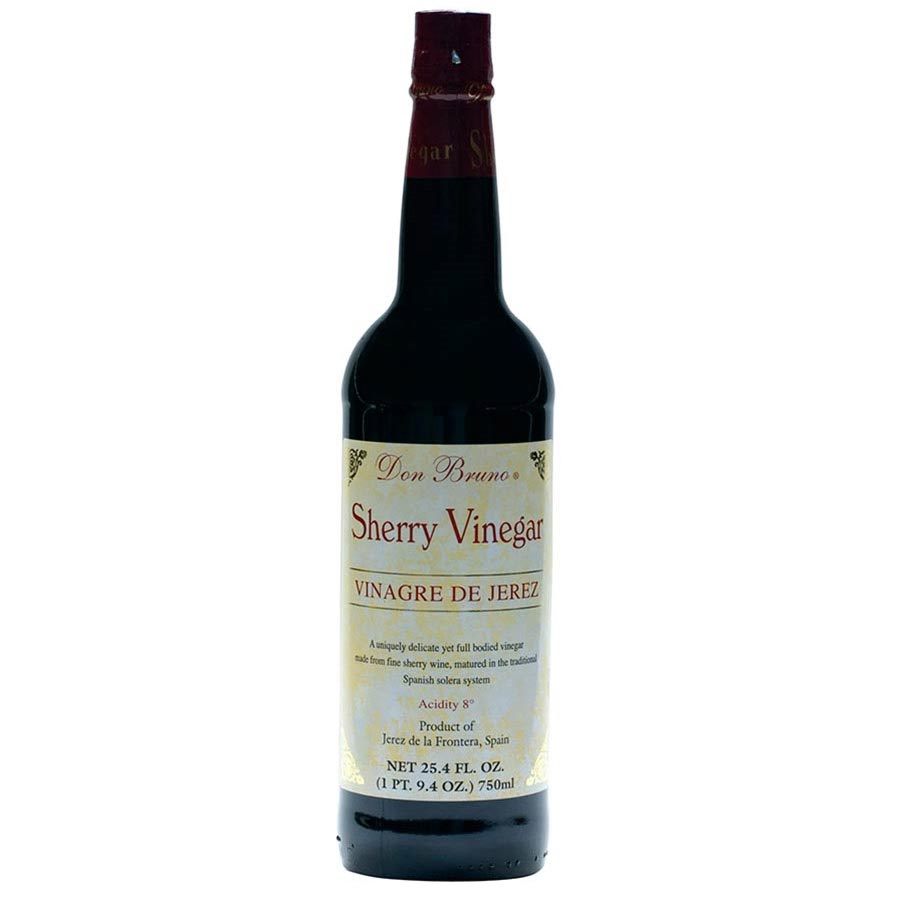
Above the basic category lie the “Vinagre de Jerez Reserva” and “Vinagre de Jerez Gran Reserva.” Reserva vinegars are aged for a minimum of two years, while Gran Reserva boasts a minimum of ten years of aging, often much longer. These classifications are clear market signals, indicating increased complexity, richness, and intensity of flavor.
- Reserva vinegars typically display more pronounced nutty, woody, and dried fruit notes, offering a more sophisticated profile suitable for finishing dishes or enhancing specific culinary creations.
- Gran Reserva vinegars represent the pinnacle of sherry wine vinegar, characterized by profound depth, exceptional balance, and an astonishing array of tertiary aromas and flavors. They are positioned as connoisseur items, often highlighted for their rarity and suitability for drizzle on premium ingredients, reflecting their status as a luxury culinary brand.
These hierarchical classifications enable producers to target different consumer segments, from those seeking quality for everyday cooking to those desiring an extraordinary ingredient for special occasions. Each tier reinforces the overarching brand promise of quality, while also offering distinct attributes that appeal to varied preferences and price points.
Flavor Profiles and Their Culinary Branding
The different aging categories of sherry wine vinegar also influence their “culinary branding.” Younger vinegars are often branded for their vibrant acidity and versatility, while older versions are positioned as complex finishing vinegars or flavor accents. For example, a young Vinagre de Jerez might be marketed for its ability to brighten a salad dressing or deglaze a pan, emphasizing its freshness. In contrast, a Gran Reserva might be showcased for its ability to add a layer of umami to roasted meats or a surprising counterpoint to desserts, emphasizing its transformative power. This strategic differentiation in culinary application further reinforces the distinct identities within the sherry vinegar brand family.
Market Positioning and Consumer Brand Perception
Sherry wine vinegar’s market positioning is distinct: it occupies a premium niche within the culinary landscape, leveraging its unique attributes to cultivate a sophisticated brand perception among consumers. It’s not just another vinegar; it’s a statement of quality, tradition, and culinary discernment.
Elevating Culinary Experiences
The branding of sherry wine vinegar consistently aims to elevate it beyond a mere ingredient to a key player in enhancing gourmet culinary experiences. Marketing materials often feature it in high-end gastronomic contexts, paired with artisanal cheeses, prime meats, or fresh seafood. This strategic association with fine dining and quality ingredients reinforces its premium status and encourages consumers to view it as an investment in their culinary endeavors. It’s positioned as a secret weapon for chefs and home cooks alike, capable of transforming ordinary dishes into extraordinary ones.
The Association with Spanish Gastronomy
A significant part of sherry wine vinegar’s brand equity stems from its deep roots in Spanish gastronomy. It is intrinsically linked with authentic Spanish cuisine, tapas culture, and the Mediterranean diet. This cultural association provides a powerful branding advantage, as consumers often seek out authentic ingredients when exploring international cuisines. Producers leverage this connection by highlighting its role in traditional Spanish dishes, thereby tapping into the broader appeal and positive perceptions associated with Spanish food and culture. This cultural branding adds a layer of richness and authenticity to the product’s identity.
Differentiating from Generic Vinegars
In a crowded market filled with various vinegars—balsamic, red wine, apple cider—sherry wine vinegar successfully differentiates itself through its unique origin, production method, and flavor profile. Its branding emphasizes these distinct characteristics, avoiding direct competition with lower-priced, mass-produced alternatives. Instead, it competes on quality, heritage, and the unique sensory experience it offers. This strategic differentiation allows it to command a higher price point and maintain its premium status, reinforcing its brand as a specialized, high-value culinary item.
Safeguarding the Brand: Authenticity and Trust
The integrity of the “Sherry Wine Vinegar” brand is paramount, and robust mechanisms are in place to safeguard its authenticity, protect against imitations, and foster enduring consumer trust.
Legal Protection Against Counterfeits
The PDO system serves as the primary legal defense for the sherry wine vinegar brand. By legally restricting the use of the term “Vinagre de Jerez” to products that meet stringent geographic and production criteria, the PDO actively combats counterfeiting and unauthorized usage. This legal framework is a critical component of brand protection, ensuring that the market is not diluted by inferior or misleading products that could erode the brand’s reputation and consumer confidence. For producers, it protects their investment in quality; for consumers, it guarantees authenticity.

Building Consumer Confidence Through Certification
Beyond legal protection, the presence of the PDO seal on every bottle of genuine sherry wine vinegar acts as a powerful mark of quality assurance. This visible certification builds consumer confidence by providing clear proof that the product has undergone rigorous checks and meets established standards. It communicates transparency and a commitment to excellence, which are vital for building a loyal customer base in the premium food sector. This emphasis on certified quality reinforces the brand’s reliability and its promise of a superior culinary experience, making the act of choosing Vinagre de Jerez an affirmation of discerning taste and trust in a time-honored brand.
In conclusion, sherry wine vinegar is a compelling example of how a food product can build and sustain a powerful brand identity. From its geographic exclusivity and traditional production methods to its tiered classifications and strategic market positioning, every aspect of its existence is interwoven with branding principles. It stands as a testament to the fact that for a truly exceptional product, its “what” is inextricably linked to its “why” – the strategic brand decisions that define its value, perception, and enduring appeal.
aViewFromTheCave is a participant in the Amazon Services LLC Associates Program, an affiliate advertising program designed to provide a means for sites to earn advertising fees by advertising and linking to Amazon.com. Amazon, the Amazon logo, AmazonSupply, and the AmazonSupply logo are trademarks of Amazon.com, Inc. or its affiliates. As an Amazon Associate we earn affiliate commissions from qualifying purchases.