
The seemingly simple question of “what is semi-formal attire for a wedding” transcends mere fashion advice; it delves into the intricate world of personal branding, social etiquette, and non-verbal communication. In the context of a wedding, understanding and adhering to a semi-formal dress code is not just about looking good; it’s a strategic act of projecting respect, social intelligence, and a refined personal brand. It signifies an individual’s ability to navigate social landscapes with grace and intention, aligning their presentation with the desired atmosphere and “brand identity” of the event itself.
The Strategic Role of Attire in Personal Branding
Every social interaction, particularly a significant event like a wedding, presents an opportunity to reinforce or redefine one’s personal brand. Clothing choices are a powerful, immediate, and often subconscious form of non-verbal communication. They speak volumes about an individual’s attention to detail, their understanding of social cues, and their respect for the occasion and its hosts.
A wedding, from the perspective of its hosts, is a meticulously curated event with a distinct “brand vision.” This vision encompasses everything from the venue and decor to the food, music, and critically, the expected attire of the guests. When guests adhere to the specified dress code, they contribute positively to this overarching brand experience, demonstrating an alignment with the hosts’ intentions and a shared understanding of the event’s significance. Conversely, misinterpreting or disregarding the dress code can disrupt this harmony, sending an unintended message about one’s engagement and respect.
For guests, aligning personal presentation with the event’s brand identity is a key aspect of building a sophisticated personal brand. It showcases adaptability, an understanding of context, and an ability to present oneself appropriately in diverse settings. Semi-formal attire, in particular, occupies a unique space, requiring a careful balance between elevated elegance and comfortable approachability, a balance that reflects well on a discerning individual.
Defining Semi-Formal: A Component of Your Brand Message
Understanding the nuances of the semi-formal dress code is paramount, as it directly informs the brand message you convey. This isn’t merely about following rules; it’s about crafting an appearance that communicates thoughtfulness and polish within established parameters.
For Men:
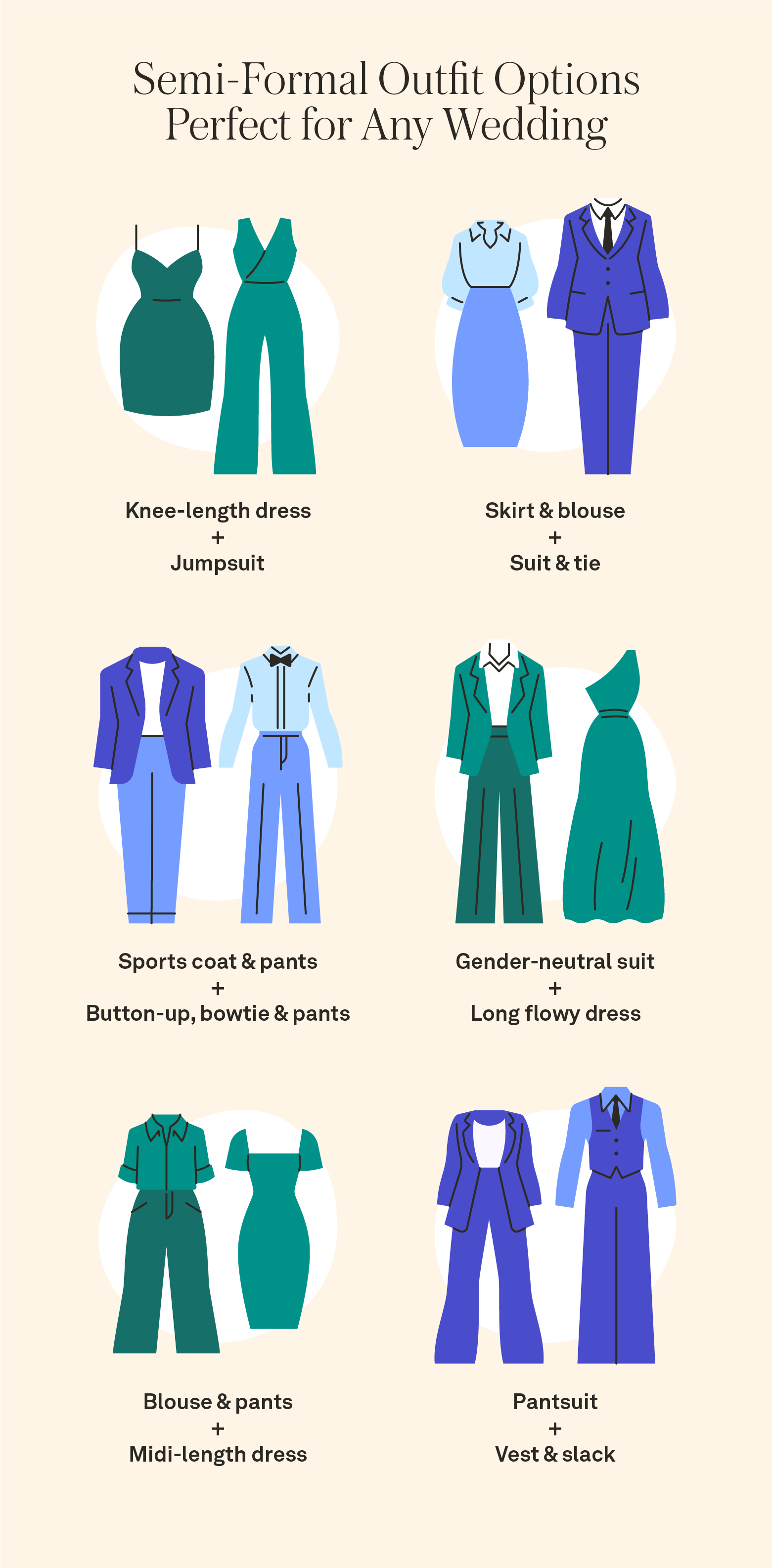
Semi-formal for men typically calls for a suit. This doesn’t necessarily mean a tuxedo, which is reserved for black-tie or ultra-formal events. A well-fitted suit in a classic color such as charcoal grey, navy blue, or even a sophisticated black is generally appropriate. The suit should be paired with a crisp dress shirt (white or light blue are safe bets) and a tie. While some interpretations suggest ties can be optional, including one generally elevates the look and strengthens the semi-formal branding. Polished dress shoes, typically Oxfords or loafers, and matching socks complete the ensemble. The material choice also plays a role; lighter fabrics like linen or cotton blends might be suitable for daytime or warmer weather weddings, while wool blends are standard for evening or cooler climates. The key is cohesion and polish, ensuring each element contributes to an overall look of refined elegance.
For Women:
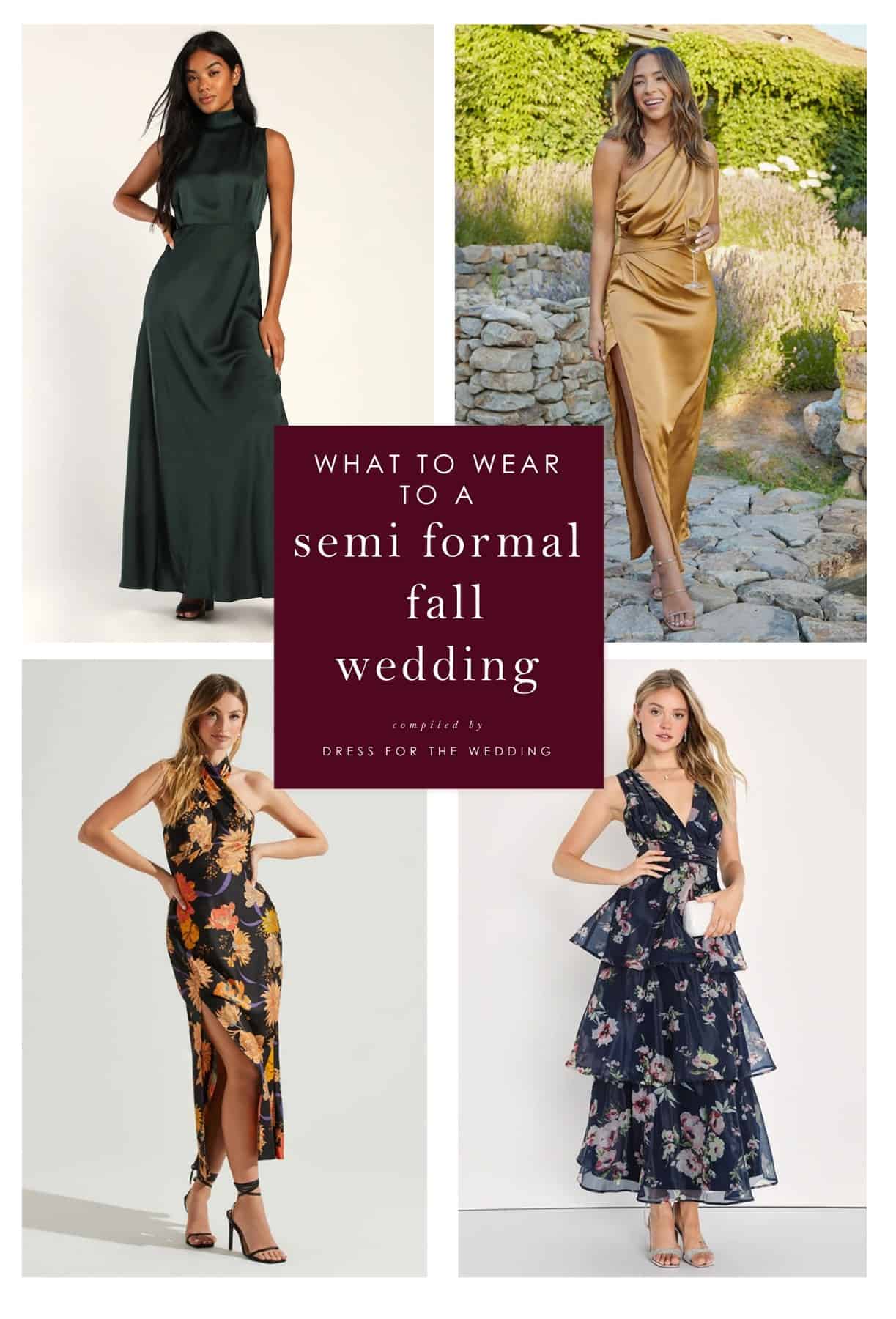
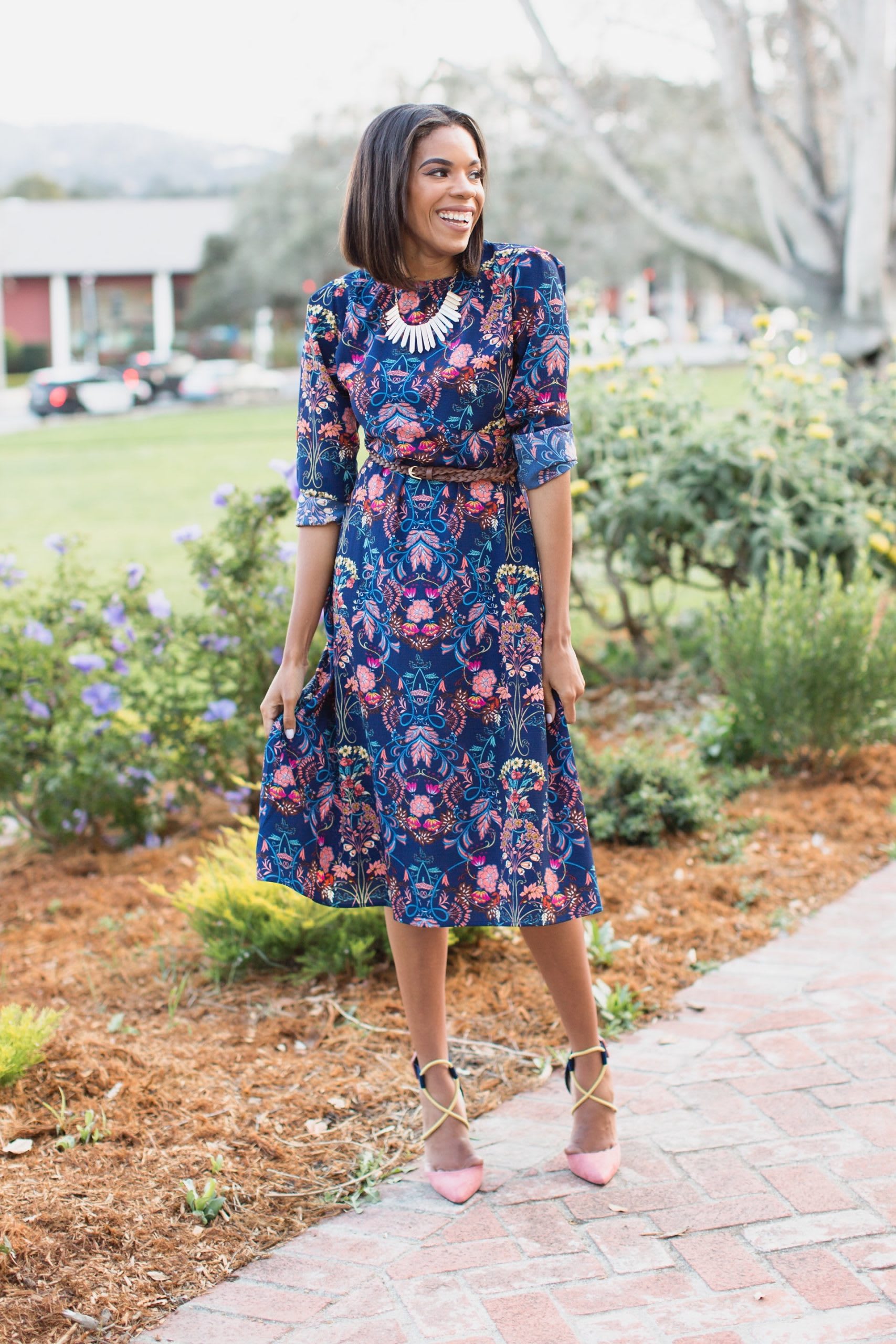
For women, semi-formal offers a broader spectrum of options, yet each choice must uphold a certain level of sophistication. A cocktail dress is a quintessential semi-formal option, typically falling to the knee or midi-length. Elegant separates, such as a dressy skirt and a sophisticated blouse, or a tailored jumpsuit, are also excellent choices. Fabrics like silk, satin, lace, chiffon, or high-quality crepe elevate the look. The color palette can be richer and more varied than for men, but overly casual patterns or overtly flashy designs should be avoided. Accessories play a crucial role in cementing the semi-formal brand: elegant heels or dressy flats, a clutch or small evening bag, and tasteful jewelry that complements the outfit without overpowering it. The aim is to project a polished, celebratory, yet not overly opulent image.
The “Semi” Element: Balancing Formality and Approachability
The “semi” in semi-formal is crucial for personal branding. It indicates a departure from the absolute rigor of black-tie events, allowing for a degree of individual expression and comfort while still maintaining a high level of formality. This balance communicates an individual who is both respectful of tradition and adaptable to contemporary interpretations. It allows for a personal touch—a unique tie pattern, a statement necklace, a subtly patterned fabric—that injects personality without detracting from the event’s overall elegance or one’s professional presentation. It speaks to a personal brand that is both discerning and approachable.
Projecting Respect and Savvy: The Brand Impact of Adherence
Choosing appropriate semi-formal attire for a wedding is more than a superficial act; it’s a profound statement about an individual’s personal brand and their social acuity. It reflects both respect for the hosts and an understanding of the unwritten rules of social engagement.
Respect for the Hosts’ Vision
Every couple invests significant time, emotion, and resources into their wedding day. The dress code is an integral part of their overall vision for the event’s ambiance and how they wish their guests to experience and contribute to it. By adhering to the semi-formal requirement, guests implicitly acknowledge and honor this vision. This act of compliance is a powerful branding statement, signaling that you value the couple’s efforts and the sanctity of their special day. It positions you as a thoughtful and considerate individual, enhancing your personal brand within their social circle. Disregarding the dress code, on the other hand, can be perceived as disrespectful or oblivious, potentially diminishing your standing.
Demonstrating Social Intelligence
Navigating social situations with finesse is a hallmark of strong personal branding. Understanding and executing the semi-formal dress code demonstrates keen social intelligence. It shows that you are attuned to context, capable of deciphering social cues, and willing to invest the effort required for appropriate presentation. This capability is highly valued in both personal and professional realms. An individual who consistently presents themselves appropriately, understanding the nuances of different environments, builds a reputation for reliability, discernment, and professionalism – all key attributes of a robust personal brand.
Avoiding Misalignment: The Pitfalls of Off-Brand Attire
The consequences of misinterpreting or ignoring a dress code can range from minor discomfort to significant personal branding missteps.
Under-dressing (e.g., wearing casual everyday clothes to a semi-formal wedding) communicates a lack of respect, an absence of effort, or an indifference to the occasion. It can make an individual stand out negatively, creating an impression of being out of touch or uncaring. This can significantly damage one’s personal brand, suggesting a lack of professionalism or social awareness.
Over-dressing (e.g., wearing a full black-tie gown to a semi-formal event) can also create misalignment. While seemingly less offensive, it can suggest a misunderstanding of the subtle distinctions in formality, or worse, an attempt to draw undue attention, potentially overshadowing the bridal party. Both scenarios create an “off-brand” image, highlighting an individual’s inability to seamlessly integrate into the intended social fabric.
Crafting Your Semi-Formal Wedding Brand Identity
Beyond merely meeting the dress code, the strategic choice of details in semi-formal attire allows individuals to subtly refine and project their unique brand identity.
Accessorizing with Purpose
Accessories are not mere afterthoughts; they are critical elements that can elevate an outfit and articulate specific aspects of your personal brand. For men, a tasteful watch, high-quality cufflinks, or a pocket square can add a layer of sophistication and attention to detail. For women, the choice of jewelry, a handbag, or a scarf can infuse personality, luxury, or a particular aesthetic. Each accessory should be chosen with intention, complementing the overall look and reinforcing the desired brand message—be it understated elegance, modern chic, or classic refinement. Poorly chosen or excessive accessories, conversely, can detract from the polish and dilute the intended brand.
Color Psychology and Material Choices
The colors and materials chosen for semi-formal attire carry their own psychological implications and contribute significantly to your projected brand. Darker, rich colors often convey seriousness, sophistication, and authority, while lighter, softer tones might suggest approachability, warmth, and elegance. Material choices also matter: the sheen of silk, the texture of tweed, or the crispness of linen each communicate a different facet of style and awareness of occasion. A thoughtful selection demonstrates an understanding of how these elements impact perception and allows for a more nuanced articulation of your personal brand.
Personalization within Parameters
The true art of semi-formal personal branding lies in the ability to infuse individual style and personality without deviating from the core expectations of the dress code. This might involve a unique shoe choice, a subtly patterned shirt or tie, a distinct piece of vintage jewelry, or a non-traditional but still elegant silhouette. This act of personalization within established parameters communicates creativity, confidence, and a strong sense of self, all while respecting the event’s overall brand. It allows an individual to stand out positively, reinforcing a brand that is both compliant and distinct.
Post-Event Reflection: Reinforcing Your Brand
The impact of appropriate attire extends beyond the event itself. The lasting impression created by a well-presented guest contributes to their ongoing personal brand narrative. Individuals who consistently demonstrate social grace, respect for occasion, and a keen understanding of presentation build a reputation for being reliable, thoughtful, and sophisticated.
This consistent adherence to social intelligence reinforces a key brand trait: adaptability. An individual who can seamlessly transition between casual, semi-formal, and formal settings, always presenting themselves appropriately, showcases a versatile and robust personal brand. Such adaptability is a highly valued attribute in all facets of life, signifying competence and a readiness to engage effectively in diverse environments. Ultimately, understanding and executing semi-formal attire for a wedding is a powerful, yet often overlooked, component in the continuous cultivation of a strong and respected personal brand.
aViewFromTheCave is a participant in the Amazon Services LLC Associates Program, an affiliate advertising program designed to provide a means for sites to earn advertising fees by advertising and linking to Amazon.com. Amazon, the Amazon logo, AmazonSupply, and the AmazonSupply logo are trademarks of Amazon.com, Inc. or its affiliates. As an Amazon Associate we earn affiliate commissions from qualifying purchases.